Is Poplar Wood Suitable for Outdoor Furniture?
You shouldn’t rely on poplar for outdoor furniture without serious protection. It’s classified as non-durable, absorbs moisture rapidly, and deteriorates within years when exposed to rain and humidity. Its soft density attracts wood-boring insects like termites, requiring chemical treatments. You’ll need exterior-grade paint, epoxy coatings, and annual refinishing to extend its lifespan to 5–10 years. Even with rigorous maintenance, poplar remains vulnerable compared to cedar or oak. Uncover specific design strategies and maintenance schedules that can maximize its outdoor performance.
Understanding Poplar’s Natural Durability
When you’re evaluating poplar for outdoor furniture, the first thing you’ll find is that it’s classified as a non-durable or non-resistant species—a critical limitation that fundamentally shapes its outdoor performance. Poplar characteristics reveal inherent weaknesses: its heartwood offers only marginally better durability than sapwood, and both rank among the least decay-resistant hardwoods available. The wood’s natural softness and low density create considerable durability factors that work against outdoor longevity. You’ll notice poplar’s vulnerability to rot and insect attack far exceeds naturally durable alternatives like cedar or white oak. In-ground contact situations prove particularly problematic, causing rapid deterioration. This wood’s susceptibility to moisture damage means prolonged weather exposure considerably compromises structural integrity without substantial protective intervention.
How Moisture and Rot Affect Poplar Wood
Since poplar lacks the natural oils and density that protect more durable species, it’s exceptionally vulnerable to moisture damage—a vulnerability that accelerates decay when you expose it to outdoor conditions. Water penetrates poplar’s cellular structure easily, causing uneven swelling and warping across variable grain patterns. You’ll notice rot typically initiates at joints and end grains where moisture retention occurs, compromising structural integrity through soft spots and eventual failure.
Repeated wetting and drying cycles stress the wood severely, resulting in checking, splitting, and finish degradation. Once protective coatings degrade, bare wood absorbs moisture rapidly, accelerating fungal colonization. For effective rot prevention, you must maintain high-quality weatherproof finishes through regular reapplication. Without meticulous protection, untreated poplar shows decay within years in wet climates.
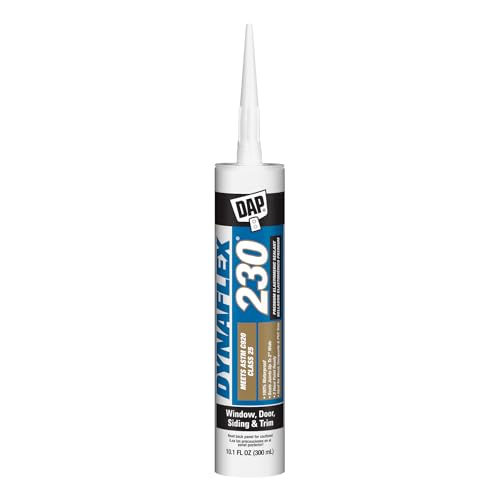
DAP Dynaflex 230 Pro sealant is silicone tough with superior flexibility and crackproof performance; use for windows, doors, siding, trim and more

100% Waterproof and Weatherproof: This 100% silicone formula offers protection from water damage, providing a reliable seal in areas exposed to harsh weather

CLEAR WATERPROOFING WOOD SEALER: Olympic WaterGuard clear sealer waterproofs and protects exterior wood and masonry without changing the surface's natural look.
Vulnerability to Insect Damage
Beyond moisture damage, poplar’s vulnerability to insect infiltration presents an equally serious threat to outdoor furniture longevity. You’re dealing with wood that lacks the natural oils cedar and redwood possess, leaving it defenseless against common wood-boring insects and termites. Poplar’s soft density allows these pests easy penetration, and their tunneling often goes undetected until structural damage becomes severe.
Understanding insect behavior helps you recognize that termites actively target poplar because it offers no inherent deterrent properties. Your pest prevention strategy requires chemical treatments—pressure-applied insecticides or surface coatings—that you’ll need to reapply regularly as their effectiveness diminishes. Unlike naturally resistant hardwoods such as teak or white oak, poplar demands continuous intervention and maintenance to maintain minimal insect protection.

Description: Timbor is a wood preservative for the protection and treatment of lumber against fungal decay and wood destroying insects.

Broad-spectrum systemic action

WOOD TREATMENT FOR MAXIMUM PROTECTION: Bora-Care penetrates deep into wood fibers to eliminate and prevent termites, carpenter ants, wood-boring beetles, and decay fungi; protects your structure for the life of the wood.
Protecting End Grain From Water Absorption
While insect damage threatens poplar furniture from the outside, water infiltration through end grain poses an equally destructive internal threat. You’ll need to prioritize end grain treatments because poplar’s diffuse-porous structure acts like capillaries, drawing moisture deep into the wood.
Apply multiple coats of exterior-grade paint as your first moisture barrier, followed by epoxy coating for enhanced protection. This two-stage approach seals the numerous small pores that otherwise permit rapid water penetration. You should also consider mechanical design solutions—raise furniture off wet ground and install drip edges to prevent water pooling at end grain surfaces. Like cedar deck boards, poplar’s end grain benefits from generous application of protective coatings to ensure maximum durability against moisture damage.
Regular maintenance is critical. You’ll need to recoat periodically since poplar’s softness causes surface finishes to wear quickly. Without consistent upkeep, even sealed end grain will eventually degrade. Materials like weather-resistant woods such as teak can maintain their integrity with less frequent maintenance compared to softer wood species like poplar.

Two-part epoxy paste to replace missing or rotted wood is resistant to dry rot, UV light, fresh and salt water

Two-part epoxy paste to replace missing or rotted wood is resistant to dry rot, UV light, fresh and salt water

Two-part epoxy paste to replace missing or rotted wood is resistant to dry rot, UV light, fresh and salt water
Sealing and Finishing Requirements for Outdoor Use
Protective coatings form your primary defense against poplar’s vulnerability to moisture and UV degradation, and you’ll need to select finishes strategically based on your climate, maintenance capacity, and desired aesthetics. Your finishing options include spar urethane (one coat for basic protection), exterior paint (3–5 year durability), stain-and-sealer combinations, and oil-based finishes requiring frequent renewal. Effective sealing techniques demand thin, even coats applied to all surfaces—particularly edges and joints where moisture readily penetrates. Sand between applications to enhance adhesion. Allow manufacturer-specified drying time before recoating. While no finish entirely prevents UV graying or moisture movement, proper application dramatically extends furniture longevity. For outdoor poplar furniture, varnish is particularly effective because it offers a flexible, protective coating that accommodates wood movement better than rigid finishes. Plan for reapplication every 1–2 years depending on your chosen product and exposure conditions.
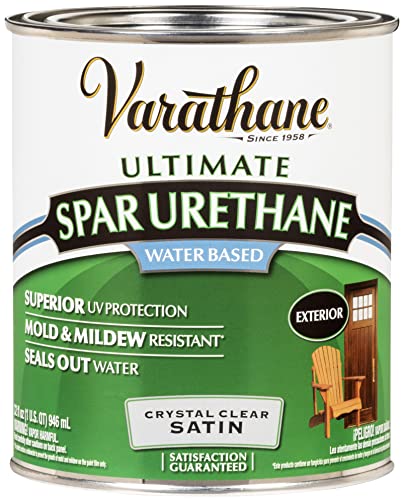
Durable, poly for outdoor wood surfaces such as furniture, doors, windows, fences, trim and more

Ideal for use on exterior wood surfaces above the water line, including trim, railings and wood furniture

Protects outdoor wood surfaces such as furniture, fences, railings, trim and more
Best Environments for Poplar Outdoor Furniture
Even with the best sealants and finishes applied, poplar’s performance outdoors ultimately depends on where you position your furniture.
Your ideal placement strategy prioritizes sheltered locations that minimize moisture exposure. Position pieces under eaves, on covered porches, or within screened-in areas where rain and prolonged dampness don’t reach them. Elevate furniture on non-wood bases to eliminate ground contact, preventing soil moisture absorption that accelerates rot.
Choose dry, temperate climates with low humidity over coastal or rainy regions. Avoid areas prone to standing water, freeze-thaw cycles, or heavy snowfall. Position furniture in shaded or partially shaded spots to reduce UV degradation and finish breakdown.
Ensure adequate airflow around your pieces—well-ventilated open patios work better than enclosed, stagnant spaces. Proper spacing allows pieces to dry thoroughly after rain or dew, greatly extending poplar’s outdoor lifespan. Promptly dry around metal fasteners to prevent rust and structural damage. For winter protection, invest in quality furniture covers made of breathable, water-resistant materials to prevent mold and mildew growth during the coldest months.
Comparing Poplar to Other Outdoor Wood Species
Three critical factors distinguish poplar from established outdoor wood species: durability, weather resistance, and long-term value.
You’ll find poplar’s Janka hardness rating (~540 lbf) noticeably lower than White Oak (>1,000 lbf), making it prone to denting and surface wear. While poplar offers workability advantages—easier cutting, shaping, and machining—it lacks the natural rot resistance of teak, chestnut, or cedar. You’ll need high-quality treatments and protective finishes to prevent moisture damage, warping, and fungal attacks. Like rubberwood, poplar’s high moisture absorption makes it susceptible to deterioration when exposed to outdoor elements without proper sealing.
Outdoor alternatives like White Oak provide superior moisture resistance and durability without extensive maintenance. Though poplar advantages include affordability and aesthetic versatility through paint and stain applications, cost savings evaporate through frequent repairs and replacements. For non-load-bearing components in covered areas, poplar works adequately when properly sealed. However, you’re better served choosing naturally durable species for exposed structural elements.

Superior Adhesion And Flexibility: Brown caulk the superior adhesive strength accommodates thermal expansion and contraction and structural movement, maintaining consistent adhesion. It maintains seal integrity, effectively preventing cracks and leaks caused by seasonal temperature changes and minor building displacements

Premium Acacia Wood: Solid hardwood with a linseed oil finish for a smooth, barefoot-friendly surface; each tile measures 12 x 12 inches and 0.9 inches thick for a refined look and feel

Prevents further drying and fading of wood finishes due to sun exposure, temperature variations, and moisture both indoors and outdoors
Design Features That Enhance Longevity
While poplar’s inherent limitations as an outdoor wood can’t be overcome entirely, strategic design choices and material modifications considerably extend its service life in exterior applications. You’ll enhance longevity by incorporating design innovation that prioritizes moisture management—think overhangs, drainage systems, and elevated construction using metal risers. Protective roofing shields wood from direct rain exposure, while proper airflow prevents water pooling and accelerates drying cycles.
You can balance furniture aesthetics with durability by using lamination techniques that reduce internal wood movement and strengthen structural components. Mechanical fasteners combined with outdoor-grade adhesives reinforce joints against moisture infiltration. Thicker sections compensate for poplar’s lower density, and thermally modified variants offer superior rot and insect resistance. These integrated strategies transform poplar into a viable outdoor furniture material. Like bamboo furniture, poplar outdoor pieces benefit significantly from regular sealing with water-resistant finishes to protect against moisture damage and environmental degradation. For additional protection, consider applying UV-resistant fabrics or waterproof material coverings to shield your poplar furniture during harsh weather conditions and when not in use.
Maintenance Schedule and Inspection Tips
Because poplar’s susceptibility to moisture damage demands consistent attention, you’ll need to establish a rigorous maintenance routine that combines routine cleaning with strategic protective measures. Conduct monthly inspections using systematic inspection techniques—examine joints, hardware, and finish integrity for wear or damage. Tighten screws and bolts regularly to prevent structural compromise. Document all maintenance activities in a maintenance log, tracking cleaning dates, repairs, and sealant applications. This record helps you identify patterns and anticipate future needs. Deep clean at seasonal shifts, allowing cleaning solution to foam before gentle scrubbing with soft-bristle brushes. Reapply protective finishes annually, sanding lightly before application. Touch up worn areas immediately to prevent moisture penetration. Store furniture indoors during off-season and use breathable covers during extended non-use periods. Consider alternative materials like Euro pallets, which offer sturdier construction and greater resistance to moisture-related deterioration compared to poplar wood. For poplar specifically, consider using natural cleaning solutions to avoid harsh chemicals that can further compromise the wood’s integrity.
Expected Lifespan With Proper Care
When you commit to the maintenance schedule outlined above, poplar outdoor furniture can realistically last 5–10 years—a dramatic improvement over the 1–3 year lifespan of unprotected pieces. This expected lifespan assumes consistent resealing every 1–2 years and immediate attention to compromised finishes.
Your furniture’s actual durability depends on exposure severity. In covered areas with minimal weather contact, poplar outdoor furniture routinely exceeds 10 years. Conversely, direct rain and ground contact accelerate deterioration considerably.
The critical factor determining longevity is end grain protection. Unsealed ends become moisture entry points, triggering rapid fungal decay regardless of surface coatings. By maintaining this single detail alongside regular maintenance, you’ll substantially extend your investment’s viability and performance.