Do You Need HOA Approval for a Pergola in Your Backyard?
You’ll likely need HOA approval for your backyard pergola, as your homeowners association derives authority from state laws and your property’s CC&Rs to regulate outdoor structures and maintain community aesthetics. Most HOAs mandate detailed applications including design specifications, material samples, and neighbor notifications before approval. Failure to obtain authorization can result in fines or forced removal. Understanding your specific community’s requirements, approval timelines, and potential design restrictions will help you navigate this process successfully.
Understanding Your HOA’s Authority and Rules
Before you build a pergola, you’ll need to understand where your HOA’s power comes from and what it can legally control. Your HOA derives its authority from state laws and governing documents like Covenants, Conditions & Restrictions (CC&Rs). However, HOA jurisdiction isn’t unlimited—state laws restrict what your HOA can enforce regarding backyard structures.
While you technically own your backyard, your HOA can impose rules to maintain community aesthetics and property values. Most HOAs regulate outdoor structures‘ appearance, materials, color, and placement. Importantly, any HOA rule conflicting with state law becomes unenforceable. Before proceeding with your pergola project, review your HOA documents carefully to understand your specific community’s authority and applicable restrictions.
Required Documentation for Your Pergola Application
Once you’ve confirmed your HOA’s authority and reviewed the applicable restrictions, you’ll need to compile detailed documentation to support your pergola application. Your documentation checklist must include completed HOA application forms, proof of property ownership, and detailed pergola design requirements encompassing dimensions, materials, and architectural renderings. You’ll also need structural drawings that demonstrate load-bearing capacity and compliance with local building codes. Plot plans showing setback compliance and property line distances are essential for zoning verification. If your pergola includes electrical or water features, obtain corresponding permits from local authorities. Engineering calculations for wind, seismic, or snow loads may be required depending on your region’s climate conditions. In New Jersey, homeowners should also submit property surveys along with their applications, as required by local zoning and construction code offices. For pergolas in bushfire-prone areas, ensure you have documentation confirming non-combustible materials compliance if the structure is within 5 metres of your house. Organizing these documents systematically expedites the approval process considerably.

3 Pc Architect Drawing And Interior Design Template Set (Scale: 1/4 Inch = 1 Ft): House Plan Template, Furniture Template, And Kitchen, Bed & Bath Template

Premium Quality : Made From Flexible, Yet Sturdy Material. Resilient and Convenient to Use
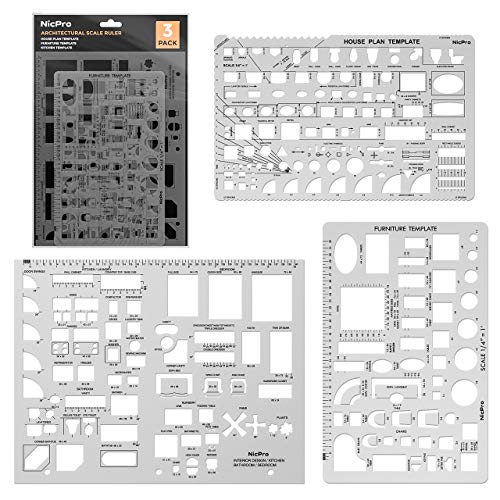
Made from flexible, yet sturdy plastic ,it is not too hard and not too soft to allow for pencil slip.Not easy to break, convenient for you to use in daily life
Notifying and Obtaining Neighbor Consent
Why should you prioritize neighbor notification before submitting your pergola application? Many municipalities and HOAs mandate written neighbor notification for structures near property lines. You’ll typically need to provide formal notice via certified mail or hand-delivered letter, depending on local ordinances.
Neighbor consent isn’t always legally required, but obtaining it strengthens your application and prevents potential objections that could delay or deny approval. Document all communications meticulously. Provide neighbors with site plans or renderings so they can visualize the pergola’s impact on views, light, and privacy.
Address concerns proactively by offering design modifications if necessary. Some jurisdictions require proof of neighbor notification as part of your permit application. Failure to comply with notification requirements may result in fines or forced removal of your completed structure.
Design and Placement Guidelines You Must Follow
As you move forward with your pergola application, you’ll find that HOAs establish rigorous design and placement standards to maintain neighborhood consistency and protect property values. Your placement considerations must include mandatory setbacks—typically 5 to 10 feet from property lines—and height restrictions capped at 10 to 12 feet. You must demonstrate that your pergola won’t obstruct neighbors’ views or block sunlight to adjacent properties.
Regarding design aesthetics, your structure must align with your home’s architectural style using approved materials like wood, vinyl, or aluminum. You’ll need to submit detailed architectural drawings, site plans, and material samples. Color schemes must match pre-approved palettes. Additional setbacks apply near pools, driveways, or walkways. Your submission should include photographs or renderings showing the pergola’s integration with your existing landscape and home. To keep your pergola looking attractive long-term, consider implementing routine maintenance practices such as spot cleaning and debris removal. Ensuring your design meets structural requirements will help prevent future complications and demonstrate your commitment to safety standards.

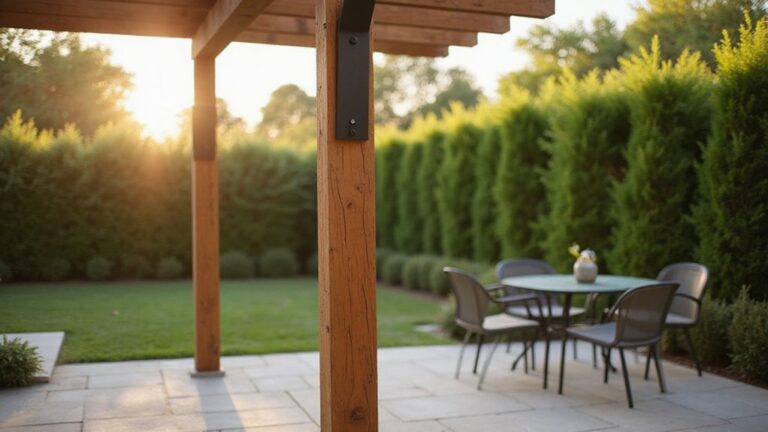
Engineered for USA Climates – ORIGLE 4x4 post brackets feature heavy-duty, corrosion-resistant steel with a premium black powder coating, ideal for pergolas, deer stand brackets 4x4, and gazebo kits in high-wind or heavy snow regions.

Engineered for USA Climates - ORIGLE pergola brackets are crafted with heavy-duty, corrosion-resistant steel and a premium black powder coating to withstand harsh weather conditions. Designed to snugly fit 4x4 post brackets (actual inner dimension: 3.58"x3.58"), these brackets eliminate gaps and ensure a rock-solid hold for your pergola’s structural integrity. Ideal for pergola kit projects in gardens, patios, or backyard retreats.

Wooden Pergola Design: Crafted from solid cedar wood, this wooden pergola features a warm red-brown finish that adds natural charm to patios, gardens or poolside spaces
What to Expect During the Review Process
Your pergola application will enter a structured evaluation process overseen by your HOA’s architectural review committee, which assesses submissions against established community standards and regulatory requirements. The committee examines your design against neighborhood guidelines, aesthetic impact, structural compliance, and wind resistance standards (minimum 105mph capability). You’ll receive committee feedback within a specified review timeline, typically outlining approval status or requesting modifications. The board may impose conditions regarding materials, colors, or structural specifications. When selecting materials for your pergola, consider options like PVC-coated polyester that offer durability and weather resistance suitable for long-term outdoor exposure. To maximize shade effectiveness once approved, you should also plan your slat spacing and orientation based on your home’s sun path and desired shade coverage. Expect potential requests for supplemental documentation or design revisions. You must demonstrate compliance with local building codes and address neighbor notification requirements. Once approved, you’ll schedule a post-completion inspection to verify your finished pergola matches approved plans and meets all established standards before final sign-off.
Timeline and Approval Expectations
Understanding the approval timeline is critical to successfully planning your pergola project, as the review process typically spans 30 to 60 days from submission to committee decision. Your approval timelines depend on several regulatory factors, including the architectural review board‘s meeting frequency and existing project backlog.
Project complexity considerably influences processing duration. Structural modifications require extended deliberation compared to straightforward installations. Straightforward applications may receive approval in as little as 2 days, while complex proposals can extend to 45 days.
You’ll expedite the process by submitting complete documentation upfront: architectural drawings, material samples, color specifications, and any required neighbor affidavits. Just as proper surface preparation is essential when updating outdoor fixtures, thorough upfront documentation ensures smoother HOA review. Similar to how concealed fastening systems provide a polished final appearance in deck construction, well-organized submissions create a favorable impression with review committees. After HOA approval, you’ll coordinate building permit submission and contractor scheduling before construction begins. Factor in material delivery time and add 2-3 weeks buffer for unexpected delays.
Navigating Denials and Resubmission Options
Despite meticulous preparation and complete documentation submission, you may still receive a denial from your HOA’s architectural review board. Understanding denial reasons—whether dimensional non-compliance, unapproved materials, or inadequate documentation—is essential for crafting effective resubmission strategies.
Your denial letter specifies precise violations and governing document references. Review these thoroughly and address each concern directly in your revised submission. Resubmission strategies should include updated drawings, material samples, or engineering documentation addressing cited deficiencies. For pergolas with long spans, ensure your submission includes proper beam sizing calculations to demonstrate structural compliance.
Clarify your design intent through detailed renderings if aesthetic concerns prompted rejection. Consider how your pergola design will enhance garden aesthetics and complement your property’s existing landscape features. Minor revisions may bypass additional application fees, though expect a full review cycle for substantial changes.
If your resubmission faces repeated denial, consider requesting a formal appeal before the board or consulting legal counsel regarding variance petitions and HOA regulatory authority.

【Upgraded 2mm Thick Reinforced Steel Structure】 Made of upgraded 2mm hot-dip galvanized steel, these brackets are thicker and stronger than standard 2mm ordinary brackets. The 5.6-inch extended design improves weight distribution and structural stress bearing, offering outstanding stability and high load-bearing performance. Built for heavy-duty outdoor pergola and gazebo use, they effectively prevent deformation and loosening for long-lasting structural safety.
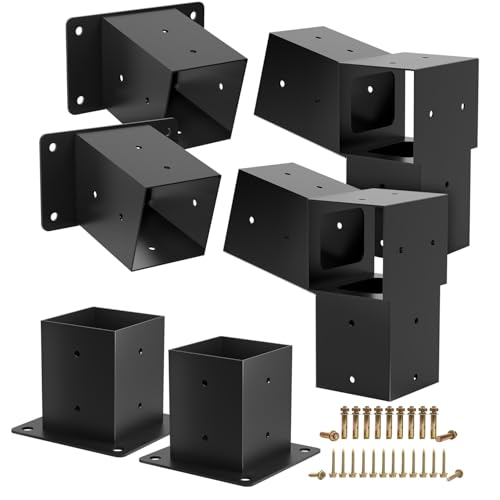
「WIDE APPLICABILITY」Pergola bracket kit is suitable for sloped types of pergola. Convenient for building balconies, carports, barns, greenhouses, outdoor terraces, etc. According to your needs to meet different places and uses.

Weather Resistance: Pergola brackets at a 30° incline block sun and divert rain. The electrostatic - baked corrosion - resistant coating prevents rust. These features cut the impact of bad weather big - time.
Local Building Codes and Permit Requirements
While HOA architectural approval represents a critical first step, it doesn’t eliminate your obligation to comply with local building codes and obtain necessary permits from your municipality or county. Building code compliance requires you to meet structural safety, setback, and height restrictions established by your jurisdiction. Most permit application procedures mandate submission of site plans detailing your pergola’s dimensions, location, and setbacks. You’ll likely need permits if your structure exceeds 200 square feet, reaches heights over 12 feet, or falls within restricted distances from property lines. Special zones—flood, wildfire, or historic districts—impose stricter requirements. Just as with deck restoration projects, proper surface preparation and adherence to structural guidelines ensure your outdoor structures remain safe and compliant. Non-compliance carries serious consequences: fines, forced removal, or legal complications during property sales. You must satisfy both HOA and local code requirements for complete legal compliance.
Protecting Your Investment Through Proper Compliance
Once you’ve navigated both HOA approval and local building codes, you’re positioned to protect your investment through thorough compliance that extends beyond mere legal requirements. Your pergola represents a significant property enhancement that can yield measurable investment returns when properly authorized and maintained. Homes in HOA communities appreciate 4% to 10% more than comparable non-HOA properties, and full compliance preserves this valuation advantage. Failing to obtain necessary permits and inspections can result in serious complications during future property sales and title transfers.
Unauthorized structures invite violations, fines, and potential liens that jeopardize your property’s marketability and your credit standing. By obtaining proper approval documentation, you establish legal protection against mandatory removal and dispute resolution. Most jurisdictions require that pergolas meet specific size and height requirements, such as being under 3.6 metres tall with a floor area under 20 square metres, to avoid building permit requirements. Documented compliance demonstrates due diligence to future buyers and lenders, strengthening your transaction position. You’ll avoid the 15% violation rate that plagues non-compliant homeowners, ensuring your investment remains secure and your property remains an appreciating asset within your community.

Premium 2.5mm Reinforced Steel Construction:Crafted from upgraded 2.5mm thick galvanized steel (thicker and stronger than standard 2mm market brackets), these pergola brackets deliver enhanced structural integrity and long-term durability. The extended 5.9-inch design provides greater support surface and improved weight distribution, ensuring a more stable and secure pergola structure for heavy-duty outdoor projects.

Premium Quality Material:Crafted from durable steel and coated with a corrosion-resistant black powder finish, our pergola brackets offer unmatched durability and longevity. The high-grade steel construction ensures reliable performance in any weather condition, while the sleek black powder coating adds a stylish touch to your outdoor space. Invest in quality materials that not only enhance the aesthetics of your pergola but also provide long-term protection against rust and corrosion, ensuring years of enjoyment and peace of mind.

【𝗖𝗢𝗠𝗣𝗟𝗘𝗧𝗘 𝟰𝗫𝟰 𝗣𝗘𝗥𝗚𝗢𝗟𝗔 𝗞𝗜𝗧 𝗙𝗢𝗥 𝗖𝗢𝗥𝗡𝗘𝗥𝗦, 𝗖𝗘𝗡𝗧𝗘𝗥 𝗝𝗢𝗜𝗡𝗧𝗦 & 𝗣𝗢𝗦𝗧 𝗦𝗨𝗣𝗣𝗢𝗥𝗧】 This full pergola bracket kit includes 3-way corner brackets, 4-way center brackets, and post bases in one coordinated set, giving you a more complete hardware solution for square pergola builds from top frame connections to bottom post support.