Maine Building Code Requirements for Deck Railings
You’ll need to comply with Maine’s Uniform Building and Energy Code when installing deck railings. Your guardrails must reach a minimum of 36 inches high and withstand 200 pounds of concentrated lateral or vertical force. Balusters can’t allow a 4-inch sphere to pass through, and posts shouldn’t exceed 6-foot spacing on center. You’ll require a building permit with detailed plans and a municipal inspection post-installation. Understanding the complete structural specifications and attachment methods will guarantee your railing meets all safety standards.
Minimum Height Standards for Deck and Stair Railings
You’ll need to understand that deck and stair railings in Maine aren’t governed by a single height requirement—the code distinguishes between guardrails and handrails, each serving different protective functions and meeting distinct specifications.
For deck railing safety, you must install guardrails at a minimum height of 36 inches measured vertically from the deck surface on porches, balconies, and raised platforms exceeding 30 inches above grade. Stair railings require guardrails at 34 inches above the tread nosing for rises greater than 30 inches.
When handrails serve as primary stair support, you’ll position them between 34 and 38 inches above the nosing. This height range balances stair railing aesthetics with functional grip accessibility. You’ll guarantee consistent heights throughout, meeting both safety and usability standards mandated by Maine’s building code.
Structural Design and Load Requirements
Because deck railings must reliably protect occupants from falls and injuries, they’re engineered to resist substantial structural loads through prescribed specifications. You must design guardrails to withstand a minimum concentrated load of 200 pounds applied laterally or vertically at the top rail. Load testing criteria also require your railing system to resist 50 pounds per linear foot of uniform horizontal loading. These specifications align with standards established by the International Residential Code, which sets minimum safety thresholds across residential deck construction. Material durability depends on proper installation. You’ll secure full 4×4 solid wood posts using lag bolts or metal connectors to the rim joist without notches. Blocking between joists at the perimeter stiffens attachment points. Your fasteners must provide adequate shear and withdrawal resistance to transfer loads safely. Local building officials must approve all prefabricated systems before installation to verify structural compliance. Balusters must be spaced no more than 8 inches apart to prevent gaps that could pose safety hazards to occupants.
Post Spacing and Connection Guidelines
Once you’ve engineered your railing system to withstand the prescribed structural loads, you’ll need to establish proper post spacing and connection details to maintain that strength throughout the deck’s perimeter. You should space posts maximum 6 feet on center and install them uniformly to distribute guard rail loads evenly. For post materials, use 4×4 nominal lumber to meet strength requirements without excessive deflection. Your installation techniques must include securing posts with 1/2″ corrosion-resistant lag bolts to ledger boards or rim joists, avoiding notching that weakens structural integrity. You’ll install blocking between joists at post locations to provide firm anchoring surfaces. Use at least two fasteners per connection point, ensuring compliance with Maine’s 200-pound load requirement in any direction. In Maine, railings for decks elevated more than 30 inches must meet baluster spacing standards to prevent small children or pets from slipping through openings. Guards must also be designed to prevent a 4-inch sphere from passing through any openings to maintain safety standards.

【APPLICATIONS】For 1/8 inch deck cable railing system. It's suitable for 4"x4" metal and wood posts and applicable for both level and angled sections. Provided a "dead end" for a DIY cable railing project, can be used on all sorts of posts in wood or metal. Perfect for installation on exterior decks, marine rigging, or interior applications.

The vinyl 4x4 Post Kit makes installation simple. Compatible with the Bolton & Yorkshire Railings each post includes a post cap and post skirt. The skirt is one-piece and should be installed over the post before installing railing sections.

【APPLICATIONS】For 3/16 inch deck cable railing system. Invisible cable railing tensioner is suitable for 2"x2" wood /metal Posts, level & angle installation. An in-line system of minimal visual impact with no bulky turnbuckles to impede views. Perfect for installation on exterior decks, marine rigging, or interior applications. When using invisible cable railing system on a stairway or other angle application, we recommend using 5/16 ID 30 degree angle washer:B0BXD6YDLN.
Opening Size Restrictions and Baluster Spacing
Proper baluster spacing and opening size restrictions form the critical safety component of your deck railing system, preventing child entrapment while maintaining structural integrity. You must guarantee balusters on deck guards space so a 4″ diameter sphere cannot pass through any opening. Spacing consistency is mandatory—measure at the widest point across all locations, including corners and changes. Your decorative elements and intermediate rails cannot create openings exceeding 4″. The triangular space at stair bottoms permits a 6″ sphere passage only; all other areas require strict 4″ compliance. You’ll measure spacing at multiple points to verify uniform intervals. Documentation of compliance demonstrates adherence to Maine’s Uniform Building and Energy Code requirements during your building permit application and final inspection.

▼ BUILDING CODE COMPLIANCE: For 3/4" Round or 3/4"x3/4" Square balusters, the spacing will be 3-1/4" between balusters; For 1"wide facemount balusters, the spacing will be 3" between balusters. ▼ Spacing between balusters cannot exceed 4 inches.

【EVERYTHING YOU NEED IN ONE BOX】 Get started right away with our complete kit: 105 elegant round balusters (26" x 3/4"), 210 straight connectors, 30 angled connectors(30 degree), all necessary screws, and a professional-grade screw bit. Perfect for creating stunning 36" rail heights on both level and stair applications.

【EVERYTHING YOU NEED IN ONE BOX】 Get started right away with our complete kit: 105 elegant round balusters (32" x 3/4"), 210 straight connectors, 30 angled connectors(30 degree), all necessary screws, and a professional-grade screw bit. Perfect for creating stunning 36" rail heights on both level and stair applications.
Handrail Diameter and Grip Specifications
Your handrail’s diameter and grip design are fundamental to deck safety and usability. For circular handrails, you must maintain an outside diameter between 1¼ and 2 inches. If you’re using non-circular handrail materials, guarantee the perimeter dimension falls between 4 and 6¼ inches, with the largest cross-sectional dimension not exceeding 2¼ inches.
Your grip surface must be continuous, unobstructed, and free from sharp edges or abrupt contour changes. You can’t allow protrusions that snag clothing, and the profile must facilitate easy gripping for all users. Whether you’re selecting wood, composite, or metal handrail materials, prioritize surfaces that provide secure, comfortable grasping. These specifications guarantee compliance with NFPA 101 graspability guidelines and Maine Uniform Building and Energy Code requirements.

𝐒𝐭𝐮𝐫𝐝𝐲 𝐒𝐭𝐚𝐢𝐫𝐬 𝐇𝐚𝐧𝐝𝐫𝐚𝐢𝐥: Crafted from durable metal, our handrails for stairs are meticulously designed to serve as a reliable outdoor handrail, offering an elegant alternative to traditional wooden handrails. They are particularly tailored for the safety and comfort of the elderly, children, and individuals with disabilities, providing a sturdy and stylish solution for enhanced accessibility
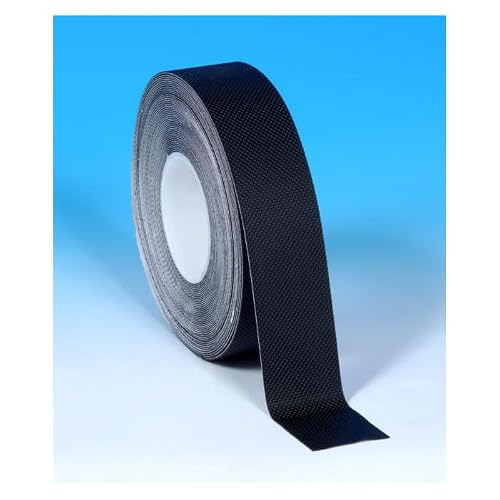
NON SLIP TAPE FOR TRACTION: FindTape’s Hand Grip Tape provides improved stability and traction when using handrails. This non-abrasive grip tape has a strong, lasting hold, resists water, and acts as an insulator to prevent cold rails, helping meet OSHA 29CFR and ADA handrail requirements.

𝗡𝗼𝘁𝗶𝗰𝗲: 𝗧𝗵𝗲 𝗵𝗮𝗻𝗱𝗿𝗮𝗶𝗹 𝗲𝗻𝗱 𝗰𝗮𝗽𝘀 𝗮𝗻𝗱 𝘀𝗰𝗿𝗲𝘄𝘀 𝗮𝗿𝗲 𝘀𝘁𝘂𝗰𝗸 𝘁𝗼 𝘁𝗵𝗲 𝗶𝗻𝗻𝗲𝗿 𝘀𝗶𝗱𝗲𝘀 𝗼𝗳 𝘁𝗵𝗲 𝗽𝗮𝗰𝗸𝗮𝗴𝗶𝗻𝗴 𝗯𝗼𝘅. 𝗣𝗹𝗲𝗮𝘀𝗲 𝗶𝗻𝘀𝗽𝗲𝗰𝘁 𝘁𝗵𝗲 𝗯𝗼𝘅 𝗰𝗮𝗿𝗲𝗳𝘂𝗹𝗹𝘆 𝘂𝗽𝗼𝗻 𝗼𝗽𝗲𝗻𝗶𝗻𝗴. 𝗜𝗳 𝘆𝗼𝘂 𝗳𝗶𝗻𝗱 𝗮𝗻𝘆 𝗶𝘁𝗲𝗺𝘀 𝗺𝗶𝘀𝘀𝗶𝗻𝗴, 𝗱𝗼 𝗻𝗼𝘁 𝗵𝗲𝘀𝗶𝘁𝗮𝘁𝗲 𝘁𝗼 𝗿𝗲𝗮𝗰𝗵 𝗼𝘂𝘁 𝘁𝗼 𝘂𝘀, 𝗮𝗻𝗱 𝘄𝗲 𝘄𝗶𝗹𝗹 𝗽𝗿𝗼𝗺𝗽𝘁𝗹𝘆 𝘀𝗲𝗻𝗱 𝘆𝗼𝘂 𝗿𝗲𝗽𝗹𝗮𝗰𝗲𝗺𝗲𝗻𝘁𝘀.
Handrail Installation on Staircases
Because stairways present significant fall hazards, handrail installation requirements vary based on building type and stair configuration. You must install handrails on staircases with four or more risers in residential and commercial buildings, or three or more steps in one- and two-family dwellings. You’re required to place handrails on both sides except in single-family dwellings, where one side suffices.
Your handrails must extend continuously between floors and along the entire stair flight, projecting no more than 4.5 inches on either side. You’ll extend handrails at least 12 inches beyond the top riser and 12 inches plus one tread depth beyond the bottom riser, returning them securely to posts or walls.
Handrail materials and colors must comply with code specifications, and you must maintain 1.5 inches clearance between the handrail and adjacent surfaces.

Premium material: 3 inch Handrail brackets made from zine alloy,bright brass finish,durable,sturdiness and long-lasting use

The armrest bracket is made of zinc alloy and is durable. 3.15 inches protruding from the wall the base diameter is 2.13 inches

✨ Sleek Sturdy Support - Enhance safety and style in your home with our hand rail brackets for stairs, which are expertly crafted with both durability and aesthetics in mind, providing sturdy support to your handrails while adding a touch of elegance to your staircase!
Attachment Methods to Structural Components
All deck railing systems must be securely attached to structural components through approved mechanical connections that maintain the integrity of the supporting structure. You’ll employ attachment techniques that utilize structural straps, hold-down anchors, and joist hangers complying with manufacturer specifications. These connectors must resist lateral loads per IRC and IBC requirements, transferring forces to structurally sound components capable of load resistance. You’ll avoid bolting through critical top or bottom 1.5-inch zones of joists or beams, which weakens structural integrity. For stair guardrails, you’ll use two 1/2-inch lag bolts with washers securing 4×4 posts to stringers. All fasteners must be corrosion-resistant stainless steel or galvanized hardware. You’ll verify hold-down anchors meet minimum 1,800-pound tension load requirements for railings up to 36 inches high. Posts should be fastened not only to the rim joist but also tied back into joist framing to withstand the required 200-pound load at the top of the handrail. Proper preparation of deck surfaces, including attention to drying times and surface conditions, ensures that protective finishes on structural components cure completely before railing installation.
Protection Against Snagging and Safety Hazards
Protection against snagging and safety hazards requires meticulous attention to handrail design, termination details, and opening restrictions that prevent entanglement and entrapment. You must guarantee all stairway handrails return completely back to support posts or walls, eliminating snagging prevention concerns from loose clothing or jewelry. Smooth terminations at posts reduce catch points and improve structural integrity during use.
You’ll also need to restrict openings throughout your railing system. The triangular space under guards can’t allow passage of a 6″ diameter sphere. Spaces between balusters and adjoining floor surfaces must prevent 4″ sphere passage, while balusters themselves can’t allow 4-3/8″ sphere passage. These opening restrictions directly address entrapment hazards, guaranteeing your deck railings meet Maine Building Code requirements for occupant safety.
Permit Requirements and Building Department Approval
Before you construct or alter deck railings on residential properties in Maine, you’ll need to obtain a building permit from your local municipal code enforcement office or building department to guarantee compliance with the Maine Uniform Building and Energy Code (MUBEC). Your permit application must include detailed construction plans demonstrating adherence to guardrail height minimums (36″ for decks, 34″ for stairs) and load-bearing capacity requirements (minimum 200 lbs resistance). You’ll submit documentation specifying railing dimensions, baluster spacing, structural anchorage details, and post locations. The building department reviews your submission against local regulations and may require revisions if specifications don’t meet code standards. Approval occurs only after satisfactory compliance verification. Failing to obtain permits before installation can result in fines, removal orders, or insurance claim denials.
Inspection and Code Compliance Verification
Once you’ve obtained your building permit and completed your deck railing installation, the municipal code enforcement office will schedule a mandatory inspection to verify that your work complies with Maine’s railing standards. During inspection, you’ll need to demonstrate compliance with height requirements, spacing specifications, and load-bearing capacity. Use inspection best practices by preparing thorough compliance checklists documenting railing heights, baluster spacing, handrail diameters, and structural integrity. The inspector will verify that guards support 200-pound loads, measure openings to confirm they don’t permit sphere passage, and confirm proper post spacing doesn’t exceed six feet. Deck posts must be properly anchored on concrete footings that extend below undisturbed soil to ensure long-term stability and safety. All measurements must be recorded and verified. Many states, including Georgia, follow International Residential Code standards to ensure consistent safety requirements across jurisdictions. Failing inspection requires corrective work before final approval, so attention to code details during installation prevents costly revisions.