How to Repurpose Indoor Furniture for Outdoor Spaces
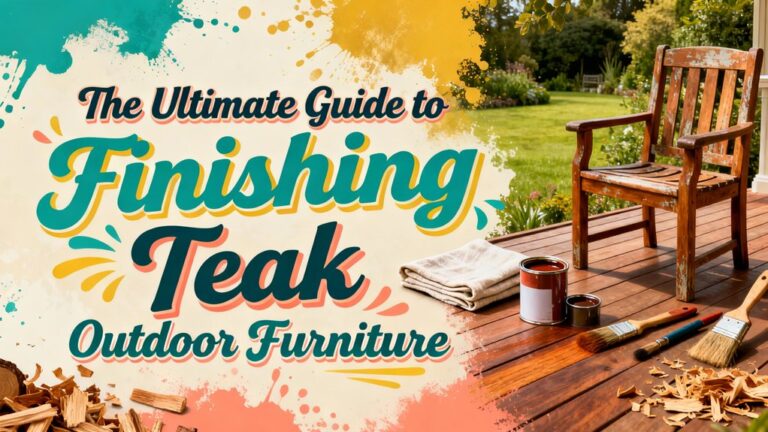
You’ll transform your indoor pieces by selecting moisture-resistant materials like teak or synthetic wicker that coordinate beautifully with your landscape palette. Apply UV-resistant sealers and waterproofing treatments to protect against fade and deterioration. Elevate furniture on pallets to improve airflow and reduce water damage. Scale pieces thoughtfully to your patio’s dimensions, clustering seating around hardscape anchors for visual harmony. Strategic shade placement preserves color vibrancy while maintaining structural integrity year-round. Uncover how seasonal maintenance routines and protective coverings can extend your furniture’s outdoor lifespan considerably.
Choosing the Right Indoor Furniture for Outdoor Conversion
How do you know which pieces from your home will actually survive the elements? Your material selection determines everything. Prioritize solid woods like teak or cedar for their natural rot resistance, or consider synthetic resin wicker for fade-proof durability. Stainless steel and aluminum work too, though they need rust protection. Avoid particle board and typical upholstered pieces—they deteriorate quickly outdoors.
Look for furniture with elevated legs that reduce moisture exposure and solid, dense frames that withstand wind. Simpler designs with fewer intricate details resist water trapping and mold growth. Guarantee the wood’s finish accepts exterior-grade primers and sealers for lasting protection.
Match your pieces to your climate’s demands. Humid regions need enhanced moisture resistance, while UV-heavy areas require fade-resistant materials. For outdoor conversions, redwood offers superior durability with a Janka hardness rating approximately 23% higher than cedar, making it ideal for furniture experiencing significant wear. Alternatively, eucalyptus wood provides exceptional resistance to moisture, rot, decay, and insects while remaining more affordable than teak. Your furniture durability hinges on these foundational choices before any conversion begins.
Essential Preparation and Weatherproofing Techniques
Once you’ve selected furniture pieces with outdoor potential, proper preparation transforms them from indoor castaways into weather-resistant outdoor fixtures. Start by thoroughly cleaning surfaces with warm water and oil-based soap, scrubbing wood along the grain. After air drying completely, inspect joints for structural integrity.
Your preparation techniques should include applying UV-resistant sealers—transparent deck stain, polyurethane, or spar varnish—to protect wood from sun damage and moisture. For optimal results, apply multiple thin coats with light sanding between layers to achieve a smooth, durable finish. For fabrics, use waterproofing sprays like Scotch Guard in well-ventilated areas, applying two coats.
These weatherproofing methods create durable barriers against elements. Consider aluminum’s rust-resistant properties requiring minimal maintenance. Finally, layer protection with breathable furniture covers featuring secure fasteners and double-stitched seams. Strategically position pieces under pergolas or gazebos for additional shade defense.
Protective Strategies to Extend Furniture Lifespan
Because weathering’s relentless cycle threatens even well-prepared pieces, you’ll want to establish a protective maintenance routine that preserves both the aesthetic appeal and structural integrity of your outdoor furniture.
Start with regular cleaning using appropriate methods for each material—damp cloths for wood, mild soap for metal, and care-label instructions for fabrics. Apply protective coatings like water-repellent sealants to wooden surfaces, which reduce mold risk by 70% and extend lifespan by 2–3 years. For metal pieces, use rust-resistant spray to combat corrosion. Consider applying ceramic sealants that form hydrophobic barriers to repel water and dirt while preserving the metal’s original appearance.
Invest in snug-fitting, weather-resistant covers made from polyester or vinyl for moisture prevention when furniture isn’t in use. Quality materials like marine-grade stainless steel hardware can significantly enhance your furniture’s resistance to corrosion and salt spray damage. Consider UV-protectant sprays on susceptible materials to maintain color vibrancy. These layered strategies work together to dramatically extend your repurposed furniture’s outdoor longevity.
Design and Styling Your Outdoor Space
Now that you’ve protected your repurposed furniture, it’s time to orchestrate it within a thoughtfully designed space. Start by establishing furniture harmony through repetition of materials and colors that echo your landscape’s natural palette. Layer your pieces to create distinct outdoor rooms—clustering seating areas with hardscape anchors like patios or pathways that define zones and guide movement.
Consider scale carefully; oversized indoor pieces can overwhelm compact patios, while petite furnishings disappear in expansive yards. Balance visual weight asymmetrically by distributing furniture across your space rather than clustering everything centrally. Your outdoor aesthetics improve dramatically when you coordinate upholstery tones with plantings, allowing softscape elements like flowering shrubs to enhance your arrangement‘s overall composition and create rhythm throughout the landscape. For indoor furniture being repurposed outdoors, selecting pieces made with UV-resistant fabric will help protect against fading and extend the lifespan of your upholstered items. Additionally, consider installing a pergola with optimal slat spacing above seating areas to provide natural shade and further protect your furnishings from sun exposure.
Creative Ways to Transform Indoor Pieces
With your outdoor layout mapped and materials protected, you’re ready to reimagine what your indoor pieces can become. Upcycling techniques transform dated furniture into statement pieces that reflect your personal style. Consider repainting a wooden dresser in bold exterior colors to create a unique planting station, or refinish a settee with weather-resistant fabrics for distinctive porch seating. Furniture customization extends beyond aesthetics—reinforce structural integrity, upgrade hardware to rust-proof options, and apply protective coatings that enhance durability while maintaining visual appeal. For added nighttime appeal, consider installing solar lights into transformed pieces to create ambient outdoor environments. When securing outdoor furniture elements, ensure consistent spacing and proper fastening to maintain structural stability and longevity. Mix vintage repurposed pieces with modern outdoor accessories to establish layered, sophisticated spaces. Strategic color coordination between transformed furniture and existing décor creates cohesive environments that feel intentional rather than improvised, elevating your outdoor area’s design impact.
Seasonal Care and Maintenance Routines
Keeping your repurposed outdoor furniture vibrant and structurally sound requires thoughtful seasonal adjustments that protect both form and function. Spring demands thorough seasonal cleaning and furniture inspection to reveal winter damage—tighten loose hardware, check for rust, and reapply protective coatings. Summer calls for bi-weekly cleaning with mild soap and strategic shade placement to prevent fading. Fall preparation involves removing cushions indoors, applying sealants to exposed surfaces, and clearing debris around pieces. Winter storage protects wood and metal from freeze-thaw cycles; if outdoor placement’s necessary, elevate furniture on pallets beneath breathable covers to allow moisture to escape and prevent mildew accumulation. For added protection during harsh winter months, consider reinforcing your covers with heavy-duty tarps with grommets that secure tightly with bungee cords or tarp clips. Year-round, dust regularly with soft brushes to maintain finishes. These cyclical maintenance routines preserve your indoor pieces’ aesthetic appeal and structural integrity throughout their outdoor transformation.
Long-Term Preservation and Durability Solutions
While seasonal maintenance keeps your repurposed furniture looking fresh, protecting it from long-term deterioration demands strategic interventions that preserve both aesthetics and structural integrity. You’ll want to invest in weather-resistant finishes like epoxy coatings or marine varnish that create waterproof barriers against moisture penetration. For sealing outdoors, apply UV-blocking treatments every few years—sanding and washing beforehand guarantees proper adhesion, similar to how consistent spray movement prevents drips and ensures even coverage on exterior surfaces. Consider material-specific approaches: teak maintains its golden hue with protective sealant, while softwoods benefit from dry storage. Elevate pieces off the ground to prevent water damage and use breathable covers that allow air circulation without trapping moisture. Just as precision cutting techniques like bevel gauges and miter angles are essential for seamless construction joints, accurate application of protective coatings requires careful attention to surface preparation and proper technique. Regular inspections catch rust, cracks, and deterioration early, extending your furniture’s lifespan considerably while maintaining visual appeal.