
Bark Side Up or Down? Best Practices for Deck Boards
You’ll install your deck boards bark side down to prevent cupping and moisture pooling, the leading cause of premature deck failure. This orientation lets growth rings flatten naturally, shedding water effectively. Heartwood’s superior density resists warping better than sapwood, maintaining your deck’s structural integrity. Pair this technique with proper board spacing (1/8″ to 1/4″), annual sealing, and biannual inspections to maximize durability. Understanding the full scope of installation and maintenance strategies will markedly extend your deck’s lifespan.
Understanding Bark Side Up Theory
The foundation of proper deck board installation rests on understanding how wood’s internal structure determines its performance. You’ll notice that growth rings curve away from the tree’s center, creating distinct patterns on each board’s ends. When you orient boards with the bark side up, you’re positioning the outer growth rings in an upward arc. This growth ring orientation directly influences how your deck will shed water and age over time. The bark side also contains more sapwood, which offers genuine benefits beyond aesthetics. Sapwood accepts wood stains more uniformly than heartwood, giving you better color consistency across your deck surface. Understanding these structural characteristics helps you make informed decisions about installation that’ll enhance both performance and appearance. Clear sealers can provide essential protection against moisture and UV damage while maintaining your wood’s natural appearance. Proper orientation and regular maintenance, including cleaning and sealing, are essential to extend your deck’s lifespan and protect it from moisture and decay.
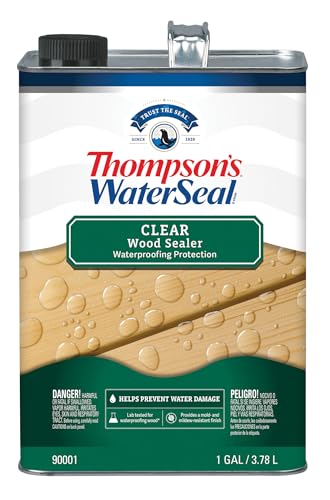
Helps Prevent Water Damage
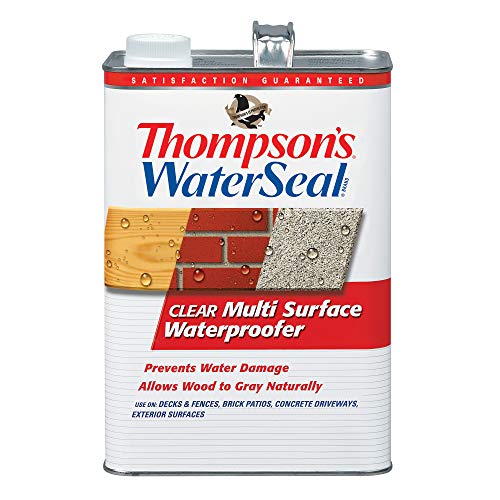
WATERPROOFING STAIN – Bring out the beauty of your outdoors with Thompson’s WaterSeal Clear Multi-Purpose Waterproof Stain. Proven to waterproof concrete, brick, exterior wood and other exterior surfaces.

MARINE SEALANT: Our liquid formula creates a UV-stable coating for protection against the elements, saltwater spray, and water damage. Marine is a protector for outdoor furniture, thermally modified wood, and boat docks. Marine is safe for use over open water and is non-hazardous to aquatic life. ** This product is NOT intended for hardwoods such as ipe, mahogany and teak. NOT intended for wood submerged under water or on wooden boats **
The Case for Heart Side Up Installation
While bark side up installation offers certain advantages, positioning boards with the heart side up presents a compelling alternative that addresses several performance concerns. You’ll benefit from superior durability factors, as heartwood’s natural decay resistance extends your deck’s lifespan greatly. The denser heartwood resists splitting and maintains flatness better during thermal cycling, reducing fastener pop-out and creaking.
Moisture management improves considerably with heart side up orientation. The convex cupping sheds water effectively, preventing pooling and rot while promoting faster drying. You’ll experience fewer maintenance issues and lower repair costs over time. Applying UV damage protection through decking oil or stain after installation will further enhance your deck’s resistance to the elements and extend its longevity. For optimal results, allow stains and protective coatings to cure for 24-72 hours before subjecting the deck to regular use.
From aesthetic considerations, heart side up boards develop uniform appearances that age gracefully. The consistent surface finish resists unsightly warping, making refinishing easier when needed. Professionals widely prefer this orientation for high-sun and high-moisture environments.
Moisture, Cupping, and Board Orientation
As boards absorb and release moisture, their growth rings naturally attempt to flatten, causing the wood to expand and contract in ways that directly challenge your deck’s structural integrity. When you install boards bark side down, you create a crowned surface that sheds water effectively, preventing moisture retention and the cupping that destroys flat grain lumber. Conversely, bark side up installation results in cupped boards that trap standing water, accelerating rot and deterioration. Board deformation intensifies through repeated wet-dry cycles, particularly when combined with direct sunlight exceeding four hours daily. Your geographic location and climate conditions determine drying rates markedly. Thicker, harder woods resist warping better than softer materials, making lumber quality selection essential for long-term durability beyond orientation alone. Applying a deep-penetrating waterproof sealant provides additional protection against moisture infiltration and extends the lifespan of your deck boards regardless of installation orientation. Proper deck lighting with appropriate lumen output also plays a role in maintenance, as it allows you to inspect your deck regularly for early signs of moisture damage and deterioration.

WATERPROOF JOIST PROTECTION: The 6-inch wide butyl tape seals the top of deck joists against rain and snow melt, stopping water from seeping into the end grain where rot starts. Apply before you lay the deck boards to extend the life of your framing.

EXCELLENT INVESTMENT, EXTEND DECK LIFE: Wet joists will eventually lead to mold and rot. Joist Tape prevents water from getting under your deck and into the frame, extending the life of your deck. You no longer need to spend a lot of money on your deck, this affordable joist tape provides effective insurance for your deck infrastructure.

Deck Joist Tape Package: 1-5/8''×50' Butyl Deck Tape *8. With a total length of 400 feet, it can be easily customized by cutting it to the desired length. The deck joist tape is designed in a variety of combinations to better suit your needs and offer ample coverage for your project.
Professional Installation Best Practices
Proper installation transforms your deck from a collection of materials into a durable structure that’ll withstand years of use and weather exposure. Your deck layout establishes the foundation for visual appeal and functionality. Use spacers to maintain consistent gaps for drainage, and position full-width boards at posts for maximum impact. Plan joint placement at least 4 feet apart to enhance appearance and prevent sagging. Maintain proper board spacing throughout installation to allow for expansion and air circulation as the material seasons.
For fastening methods, you’ll choose between hidden fasteners like Deckwise clips for clean aesthetics or face screwing with wood plugs for superior holding power. Stainless steel screws prevent discoloration and guarantee longevity. Pre-drill holes carefully and use correctly sized plugs to prevent moisture infiltration. Apply uniform screw alignment guides across your deck surface for professional consistency. Test all fasteners on scrap pieces before full installation. Ensure your substructure uses pressure-treated lumber for the framing to protect against rot and extend your deck’s lifespan.

【Product Size】This steel deck spacing tool is 9.25 inches(23.5cm) in length and is used for wood and composite decking. HOTUFELG's sets the correct gap between deck boards according to manufacturer specifications,making Keeping the grounds neat and attractive.

Kit includes 175 BLACK Hidden Deck Fastener Clips, 175 #8x2” black-head T15 stainless steel screws, T15 driver and drill bits plus 5/32” gap spacer tools

Premium Stainless Steel Construction: Crafted from 410 stainless steel, a top-grade alloy renowned for its exceptional strength and durability. Outperforming 304 stainless steel, these screws boast superior load-bearing capabilities, ensuring longevity even in challenging outdoor environments.
Maintenance Tips to Minimize Warping and Splitting
Once you’ve installed your deck with precision, ongoing maintenance becomes the critical factor in preventing warping and splitting. You’ll want to establish a robust deck care regimen that addresses moisture and environmental stress.
Apply water-repellent, UV-resistant sealants annually, reapplying every 12–18 months when water stops beading on surfaces. Choose board treatments specifically formulated for your climate conditions. Maintain proper spacing between boards—typically 1/8″ to 1/4″—to accommodate natural expansion and contraction.
Inspect your deck twice yearly for warping, cracking, and soft spots. Address minor issues immediately by wetting and weighting affected boards. Remove snow promptly in winter and trim vegetation to improve airflow. Design adequate drainage to prevent water pooling. Power washing removes dirt, mold, and other contaminants that interfere with stain adhesion before you apply any finishes. For best results, prepare your deck surface properly before applying any stains or sealers by following thorough cleaning and sanding procedures to ensure optimal product adhesion. These preventative measures protect your investment and extend your deck’s structural integrity considerably.


