Is Elm Wood Durable Enough for Outdoor Furniture?
You shouldn’t use elm wood for outdoor furniture. Its 830 Janka Hardness rating classifies it as a soft hardwood, but that’s not your primary concern—elm’s “slightly nonresistant” decay classification and poor moisture retention create serious durability problems. Without consistent waterproof coatings and monthly maintenance, you’re looking at roughly five years before significant deterioration occurs. More resilient species like cedar and teak offer superior performance with minimal upkeep, though understanding elm’s specific vulnerabilities reveals why experts overwhelmingly recommend alternatives.
Understanding Elm’s Place on the Durability Scale
When you’re evaluating elm for outdoor furniture, you’ll want to understand how it ranks against other wood species. Elm scores 830 on the Janka Hardness scale, classifying it as a soft hardwood. This rating places elm in a middle tier for outdoor furniture longevity, positioning it above softwoods but below superior performers like oak or hickory.
You’ll find that elm durability comparison reveals a significant limitation: the wood carries a non-durable classification for external exposure. This designation sits just one category above “perishable” on the durability scale. You’re looking at a maximum outdoor lifespan of approximately five years without protection—potentially extended slightly with protective treatments. To further extend elm furniture life outdoors, you should consider applying a protective finish using methods like those employed in deck staining to create a weather-resistant barrier. For superior longevity, specialized exterior-grade finishes like polyurethane or spar urethane can provide extended protection compared to standard lacquer treatments. This classification directly indicates that elm lacks the natural rot and decay resistance necessary for continuous external exposure, fundamentally limiting its suitability for unprotected garden furniture installations.
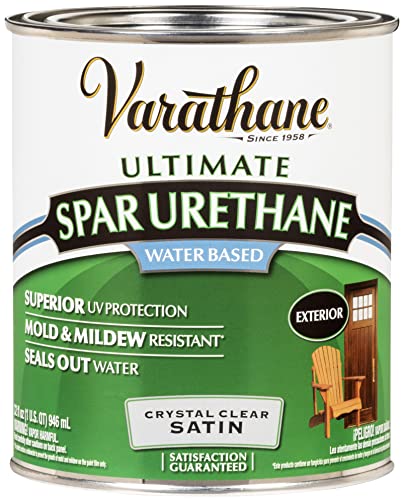
Durable, poly for outdoor wood surfaces such as furniture, doors, windows, fences, trim and more

PROTECTIVE CLEAR FINISH – Minwax Helmsman Spar Urethane is specially formulated as a protective varnish for wood for interior and exterior projects. It contains special UV blockers that reduce the sun’s graying and fading effects.

PROTECTIVE CLEAR FINISH – Minwax Helmsman Spar Urethane is specially formulated as a protective varnish for wood for interior and exterior projects. It contains special UV blockers that reduce the sun’s graying and fading effects.
Moisture Exposure and Rot Vulnerability
Because elm’s interaction with moisture directly undermines its outdoor performance, you’ll encounter conflicting expert assessments regarding its water resistance. The Forest Products Lab classifies red elm heartwood as “slightly or nonresistant to decay,” placing it in a lower durability tier for untreated outdoor exposure. You’ll face significant moisture retention challenges, as elm demonstrates substantial vulnerability to internal tension during weather cycles. Seasonal fluctuations cause expansion and contraction that compromise structural integrity. These decay mechanisms accelerate when you leave elm unprotected, making moisture-induced dimensional movement a documented concern. The warping and twisting you’ll observe render untreated elm unsuitable for precision-fitting applications. Your outdoor elm furniture requires protective coatings and regular maintenance—it cannot rely on natural properties alone for weather resistance.
Water Resistance: A Critical Weakness for Outdoor Use
While elm’s susceptibility to rot establishes a baseline concern, the wood’s inadequate water resistance compounds this vulnerability and fundamentally limits its outdoor viability. Elm’s grain structure permits moisture penetration over time, compromising structural integrity without protective intervention. You’ll find that natural water-resistant properties prove insufficient for unprotected outdoor applications, particularly in moisture-heavy climate considerations. The wood absorbs water readily, increasing warping and twisting risks in fluctuating environments. In contrast, woods with high resin content like Southern Yellow Pine naturally resist moisture penetration and decay, offering superior performance without constant maintenance intervention. Woods such as larch, which possess natural antiseptic properties, demonstrate how inherent wood characteristics can provide long-lasting protection against environmental stressors. To combat this weakness, you must apply waterproof coatings consistently—a demanding maintenance requirement that distinguishes elm from naturally weather-resistant alternatives. Sealant failure exposes the wood to rapid deterioration, making elm economically unfavorable compared to premium outdoor species like teak. Without rigorous protective measures, elm furniture deteriorates quickly outdoors, regardless of initial investment in waterproof coatings.
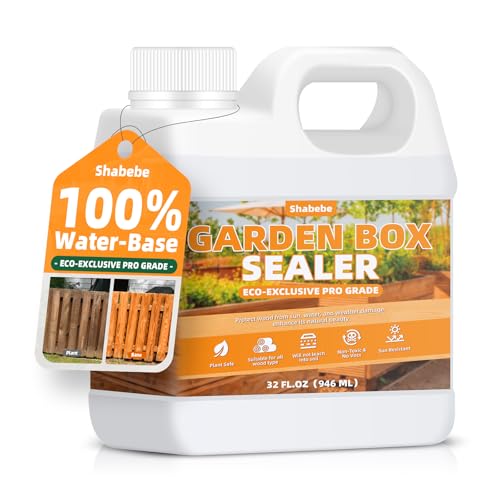
PROFESSIONAL-GRADE PROTECTION FOR ALL WOOD TYPES: Our premium wood sealer penetrates deep into wood surfaces to help protect against the effects of moisture, sun exposure, and outdoor wear. Suitable for cedar, pine, hardwood, bamboo, and pressure-treated wood. A great choice for garden beds, planter boxes, fences, and other outdoor wood structures. Note: Not recommended for laminated or coated wood.
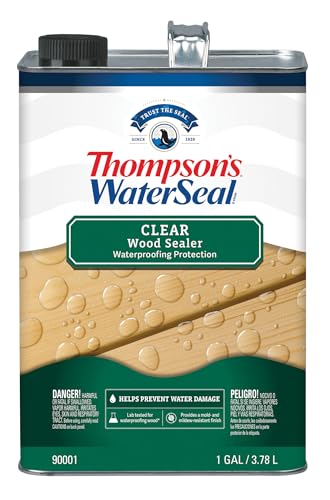
Helps Prevent Water Damage
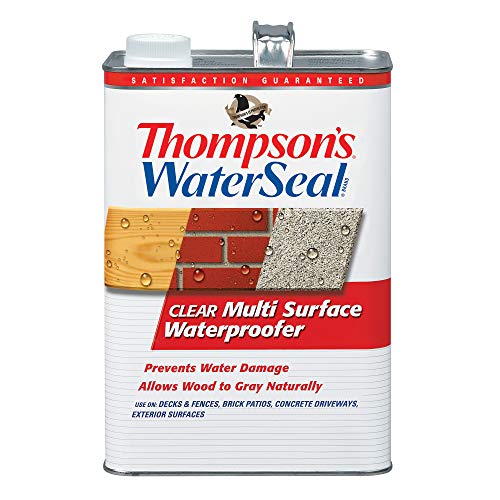
WATERPROOFING STAIN – Bring out the beauty of your outdoors with Thompson’s WaterSeal Clear Multi-Purpose Waterproof Stain. Proven to waterproof concrete, brick, exterior wood and other exterior surfaces.
Comparing Elm to Superior Outdoor Wood Species
Three critical factors—durability classification, rot resistance, and structural longevity—distinguish elm from premium outdoor wood species that’ve earned their reputation through proven performance. While elm possesses certain advantages like striking grain patterns, these aesthetic qualities don’t translate to outdoor adaptability. White oak outperforms elm greatly in rot resistance, maintaining structural integrity well beyond elm’s five-year maximum lifespan. Acacia wood offers superior weather-resistant properties with appropriate finishing. Hickory and oak demonstrate exceptional resistance to denting and scratching, challenges that compromise elm’s soft hardwood classification. You’ll find that superior species require considerably fewer maintenance interventions and recoating cycles throughout their extended outdoor lifespans. Like rubberwood, elm’s moisture absorption tendency causes deterioration when exposed to outdoor elements, making it unsuitable for long-term exterior use. For those seeking truly maintenance-free solutions, non-porous resin materials eliminate the deterioration concerns entirely, resisting cracking and fading without requiring refinishing. The economic comparison becomes clear: investing in proven alternatives eliminates frequent refinishing expenses and premature replacement costs associated with elm’s rapid deterioration trajectory.

Real 6063 Aluminum — Install Once, Skip Rust Headaches: A quick magnet test shows the difference—iron or steel attracts the magnet; Guwezoy 6063 aluminum does not. Iron or steel may develop red rust within 6 months–2 years, staining your deck as corrosion spreads and weakens the railing, leading to sagging, cracking, or early failure. With 6063 aluminum and an AAMA 2604 textured finish, Guwezoy is built for 30+ years outdoors with less sanding and repainting, so you can enjoy your deck more.

Efficient: Keep your household floors in immaculate shape with our sneaker cleaner. In just a couple of seconds, you can remove all sorts of gunk and mud from any type of footwear. Includes a Portable base to keep Scrusher in place when cleaning footwear.

AUTHENTIC COLOR & TEXTURE MATCH: Cut from actual Trex composite material to ensure exceptional color matching with your existing decking. These wood plugs seamlessly blend with your deck screws installation, creating virtually invisible hole plugs that maintain the premium factory-fresh appearance of your outdoor space.
Hardness and Structural Performance
Elm’s positioning as a soft hardwood hinges on its Janka hardness rating of 830–860, which affords it moderate durability suitable for furniture applications despite falling short of oak and hickory’s superior hardness ratings. You’ll find elm’s structural advantages lie primarily in its interlocking grain pattern, which dramatically enhances mechanical strength and resistance to splitting. This grain structure provides exceptional shock absorption, making elm reliable for furniture bearing daily stress. While elm resists dents better than softer woods, it remains more vulnerable to damage than harder species. You can depend on elm’s superior nail and screw retention for stable joinery, though its interlocked grain presents machining challenges. The hardness comparison reveals elm occupies a practical middle ground—sufficiently robust for structural components yet workable for curved designs.

DURABLE WOOD:This bistro set is made of real Acacia wood with a natural finish. This chat set is solid, strong and durable.This table chair set is Crafted from solid, weather-resistant natural acacia wood for beauty and long-lasting durability.Acacia wood is strong and durable.No splinter, rust, crack, chip or peel.Chat Set Bistro Set Table Chair Set.

⛱️【Premium Acacia Wood Construction】Crafted from high-grade acacia wood, this set combines durability with exotic beauty. Naturally resistant to outdoor elements, acacia maintains its rich, sleek appearance without darkening over time. Its sturdy hardwood frame ensures long-lasting resilience against wear and tear, making it a timeless investment for your patio or garden.

ALL-WEATHER COMFORT - Sink into cozy relaxation with this premium lounge chair featuring deep-seating dimensions and high-performing, low-maintenance Nuvella fabric outdoor cushions
Internal Tension and Warping Issues
Beyond elm’s favorable structural characteristics lies a considerable vulnerability that undermines its outdoor durability: the wood’s pronounced internal tension and propensity for warping. You’ll find that elm’s interlocked grain structure creates substantial internal stress during growth and processing. This tension causes unpredictable movement when you mill or cut the wood, often resulting in warping, twisting, or cupping.
You must employ careful drying techniques to minimize these issues. Air drying works best for large pieces, allowing gradual moisture loss that reduces internal stress. However, even kiln drying with controlled temperature and humidity schedules doesn’t entirely eliminate warping risk. Outdoor exposure compounds these problems considerably—fluctuating moisture and temperature cycles intensify movement, making elm poorly suited for unprotected exterior furniture despite its structural strength.
Regional Variations in Elm Quality
While elm’s internal tension and warping tendencies present universal challenges, the wood’s actual outdoor durability varies greatly depending on where it’s grown and which species you’re selecting. European Elm typically achieves Janka hardness around 830 lbf, offering moderate durability suitable for outdoor furniture with proper treatment. Siberian Elm, however, often exhibits lower density due to rapid growth in poor regional soil conditions, compromising mechanical strength. American Elm presents additional vulnerabilities, showing reduced rot resistance and warping susceptibility.
Climatic influences markedly impact performance. Elms grown in drier, colder conditions demonstrate superior outdoor longevity compared to those from humid regions. Your regional soil composition and moisture exposure directly determine the wood’s natural resistance to decay. European woodworkers traditionally compensate through rigorous finishing techniques, acknowledging these regional limitations. Quality weatherproof materials like marine-grade polymers and proper finishing can significantly enhance durability beyond what elm naturally offers. For elm outdoor furniture, applying tung oil finishes provides superior water resistance and durability compared to other oil treatments, significantly extending the wood’s lifespan despite regional quality variations.
Maintenance Requirements for Outdoor Elm Furniture
Because elm wood‘s inherent vulnerabilities to warping and decay intensify under outdoor exposure, you’ll need to commit to a rigorous maintenance regimen to extend your furniture’s lifespan. Elm care demands seasonal cleaning at minimum monthly intervals, increasing frequency during spring and summer when pollen and moisture accumulate. You’ll apply teak oil monthly to exposed surfaces as a natural preservative against peeling and cracking. Deep cleaning at seasonal shifts includes washing, sanding, and reapplying protective sealants every few years. Use breathable furniture covers during non-use periods to prevent moisture trapping. Immediately address spills, bird droppings, and sunscreen exposure to prevent permanent staining. Place rubber protective caps on furniture legs to combat ground moisture deterioration. This methodical approach mitigates elm’s inherent outdoor vulnerability.

ENHANCES THE BEAUTY OF THE WOOD: Teak Oil restores the beauty of grey, old and weathered teak furniture to give a golden-brown natural finish.

Provides interior or exterior one-step protection for dense woods such as teak, rosewood and mahogany

Apply periodically to refresh your dense woods and help protect them from UV rays
Historical Context vs. Modern Best Practices
Elm wood’s reputation as a durable outdoor material stems from centuries of successful applications in demanding environments—from ship planks to water mains—yet this historical precedent requires careful reexamination through the lens of modern standards and climate realities. You’ll find that traditional uses relied on protected settings or regular maintenance protocols that modern homeowners often can’t sustain. While elm’s interlocking grain resists splitting effectively, its “slightly durable” classification means you’ll need contemporary treatments—modern sealants and finishes—to extend outdoor lifespan. Dutch Elm Disease fundamentally altered supply chains, making conservation efforts critical for sourcing quality material. Like mango wood, elm requires protective coatings and regular maintenance to withstand moisture, insects, and extreme temperature changes when exposed to outdoor conditions. To maximize your elm furniture’s longevity, plan to apply oil-based stains and clear sealants every 2-3 years, similar to cedar maintenance schedules. Today’s best practices combine historical knowledge with advanced preservation technologies, ensuring you’re not simply relying on precedent but applying evidence-based protection strategies tailored to contemporary environmental pressures.
Expert Recommendations for Outdoor Wood Selection
When you’re selecting wood for outdoor furniture, expert consensus clearly favors species with proven durability records over historical precedent alone. Professional guides consistently recommend teak, cedar, acacia, black locust, and redwood—woods that meet stringent durability standards through superior rot and insect resistance. Expert insights emphasize that elm rarely appears among top choices for outdoor applications. These specialists advise selecting only woods with demonstrated resistance to weathering, decay, and insect damage. Cedar, for example, offers natural resistance to insects, moisture, rot, and decay along with exceptional dimensional stability. Just as a properly installed ledger board requires appropriate fastening and flashing to prevent water damage, outdoor furniture demands equivalent protection against moisture intrusion. If you choose elm, experts stress treating and sealing it while placing it in covered areas exclusively. Most professionals recommend avoiding elm entirely for outdoor furniture when more resilient hardwoods offer remarkably longer lifespans and substantially lower maintenance demands.