Is Mango Wood Suitable for Outdoor Furniture?
You’ll find mango wood moderately suitable for outdoor furniture with consistent maintenance. Its Janka hardness of 1,070 lbf and natural oils provide baseline protection, but they don’t prevent moisture-related warping or pest vulnerability. You’ll need protective coatings reapplied every 6–12 months and complete refinishing every 1–2 years. Compared to teak or acacia, mango wood demands considerably more upkeep. Strategic placement away from direct moisture and UV exposure helps greatly. Understanding the specific environmental factors affecting your furniture reveals whether mango wood aligns with your maintenance capacity.
Understanding Mango Wood’s Durability Rating
When you’re evaluating mango wood for outdoor furniture, understanding its Janka hardness rating provides essential insight into how it’ll perform. Mango wood’s 1,070 lbf rating places it in the mid-range for hardwoods, offering moderate resistance to dents and scratches. Your hardness comparison reveals that mango wood matches ash and cherry but falls short of oak’s 1,290 lbf rating.
This moderate hardness directly affects structural integrity when exposed to outdoor conditions. While suitable for smaller pieces, larger furniture requires reinforcement to prevent bending or warping. Environmental exposure amplifies these limitations—moisture fluctuations cause expansion and contraction, compromising durability further. Without proper seasoning and treatment, you’ll experience accelerated deterioration. For outdoor applications demanding sustained load-bearing capacity, mango wood’s rating indicates it’s less ideal than denser hardwoods like sheesham or acacia.
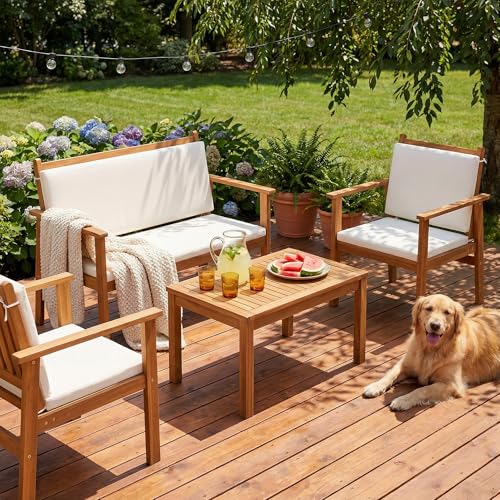

DURABLE WOOD:This bistro set is made of real Acacia wood with a natural finish. This chat set is solid, strong and durable.This table chair set is Crafted from solid, weather-resistant natural acacia wood for beauty and long-lasting durability.Acacia wood is strong and durable.No splinter, rust, crack, chip or peel.Chat Set Bistro Set Table Chair Set.

Modern & Cozy: The unique light grey semi-circular rattan design, paired with solid wood handrails and beige cushions, creates a cozy and stylish outdoor seating experience. The spacious seating and wide armrests transform your outdoor living space into a perfect blend of modern comfort and elegance.
Natural Water Resistance and Weather Protection
Mango wood’s natural oil content and dense grain structure create an inherent water resistance that sets it apart from many other wood species. You’ll find these water repellent features prevent moisture penetration, allowing the wood to handle spilled water without immediate concern. The combination of natural oils and density works synergistically to shield against environmental moisture exposure.
However, you should recognize that water resistance alone doesn’t guarantee outdoor durability. Prolonged exposure to moisture still causes warping and staining, while wet conditions increase susceptibility to termite and borer infections. Mango wood advantages include its hardness rating of 1,070-1,120 on the Janka scale, yet this doesn’t eliminate vulnerability to direct sunlight, which causes cracking and dehydration. You’ll need protective coatings and regular maintenance to extend outdoor lifespan.
Moisture Damage and Environmental Vulnerabilities
While mango wood’s natural oils provide inherent water resistance, they don’t protect it from the cumulative effects of moisture fluctuations and environmental extremes. You’ll find that excessive humidity causes warping and cracking, while prolonged water exposure leads to swelling and joint loosening. Implementing effective humidity control through dehumidifiers in wet climates becomes essential for preservation.
Conversely, dry indoor environments accelerate moisture loss, rendering the wood brittle and prone to splitting. You should use room humidifiers during winter heating seasons and apply wood moisturizing products to retain natural oils.
Temperature fluctuations compound these vulnerabilities by forcing expansion and contraction cycles that stress the wood structure. Direct sunlight accelerates finish degradation, enabling moisture penetration beneath damaged surfaces. You’ll need consistent moisture prevention strategies—including protective sealants, immediate spill cleanup, and strategic furniture positioning—to maintain structural integrity and prevent fungal growth or rot.

MARINE-GRADE TEAK SEALER beautifies wood & repels water without making surfaces slippery; use this natural danish oil finish instead of teak oil to protect the teak on boat decks, trim, cockpit, swim platform, handrails, cabinetry, grab rails & more

🌱 UNLEASH THE BEAUTY OF YOUR OUTDOOR WOOD WITH TEAK OIL: Our premium wood finish and sealer is specially formulated for outdoor furniture, providing waterproof protection and enhancing the natural color and structure of teak, mahogany, pine, beech, oak, and other wood types. Preserve and beautify your outdoor wood with confidence.

LONG-LASTING PROTECTION - Outperforms any teak oil or sealer, even under harsh tropical sun and salt conditions; a reliable choice for all your fine woods
Maintenance Requirements for Outdoor Use
Given the environmental vulnerabilities outlined above, establishing a rigorous maintenance protocol becomes your primary defense against accelerated deterioration of outdoor mango wood furniture. You’ll want to implement seasonal inspections at the start of each season, examining your pieces for finish wear, structural issues, and weathering signs. Reapply protective finishes—water-based lacquer or polyurethane sealants—every 6–12 months to maintain moisture resistance and UV protection. Before heavy rain or intense sun exposure, refresh the protective barrier preemptively. Address scratches or damage promptly using touch-up finishes. Perform complete refinishing every 1–2 years to preserve the protective coating. Regular dry-cloth cleaning prevents debris accumulation, similar to how vacuuming loose dirt from outdoor cushions helps maintain their condition. By committing to these systematic maintenance practices, you’ll considerably extend your furniture’s outdoor lifespan and functionality.

3-IN-1 FORMULA: WOOD STAIN, WOOD SEALER, & PROTECT IN ONE COAT: Stop layering multiple products. SENVEN’s advanced water-based formula combines rich, even pigment with a deep-penetrating sealer and durable wood protector. It revitalizes old wood with a natural matte finish while building a cellular-level barrier against water, UV rays, and saltwater spray—all in a single, time-saving application. No primer, no topcoat needed.

3-IN-1 FORMULA: WOOD STAIN, WOOD SEALER, & PROTECT IN ONE COAT: Stop layering multiple products. SENVEN’s advanced water-based formula combines rich, even pigment with a deep-penetrating sealer and durable wood protector. It revitalizes old wood with a natural matte finish while building a cellular-level barrier against water, UV rays, and saltwater spray—all in a single, time-saving application. No primer, no topcoat needed.

【STAIN & SEAL】- DWIL outdoor wood stain combines staining and sealing in one simple step, helping reduce the need for separate primers or topcoats on many small wood projects. It adds a warm peach wood color while enhancing the natural wood grain, making it a convenient choice for DIY furniture refreshes, touch-ups, and small outdoor updates.
Pest and Fungal Resistance Considerations
Because untreated wood’s vulnerability to biological threats directly undermines outdoor durability, you’ll need to understand mango wood’s inherent susceptibility to pests and fungal decay. Mango wood contains natural oils providing minor pest resistance, but these alone won’t protect against termites or aggressive fungal attacks. You must implement robust pest control strategies and fungal treatment options to guarantee longevity.
You’ll find that mango wood ranks lower in natural resistance compared to teak or Acacia. Without proper sealing, waxing, or varnishing, you risk significant decay in humid environments. The wood’s moisture sensitivity demands preventative maintenance through periodic treatments that enhance its natural defenses. While mango wood’s natural oils offer some protection, chemical preservation processes like those used in pressure-treated wood provide far more comprehensive defense against rot and insect damage. When adequately treated and maintained, mango wood becomes suitable for outdoor use, but neglecting these protective measures substantially shortens its lifespan.
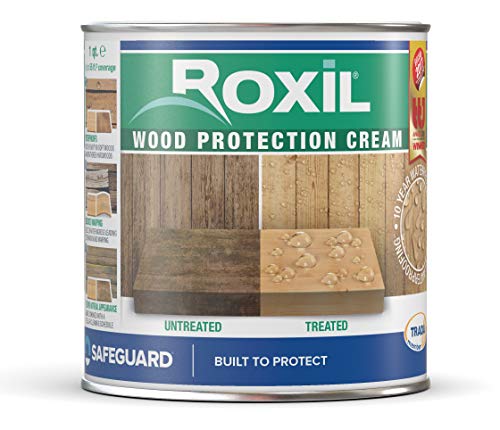
✅ Weatherproofs wood for 10 years - Shower-proof application - Instantly Waterproofs

Provides a "flexible armor" for joints: After kuailaya brown caulk curing, it forms a durable, elastic layer, providing a reliable waterproof seal for years, ensuring long-term protection for outdoor projects such as door and window installations, roof gaps, and terrace joints

WOOD HARDENER FOR ROTTED WOOD: two-part epoxy system seals, hardens, preserves, and protects all types of wood by stopping rot. Makes finishes like paint and varnish stick better and last longer. Easy to use treatment has no VOCs or harsh fumes
How Mango Wood Compares to Other Outdoor Woods
Understanding mango wood’s protective requirements naturally leads to evaluating how it performs against alternative outdoor wood species. You’ll find that mango wood’s Janka hardness of 1,070–1,120 lbf falls between teak and acacia, yet it’s distinctly less durable outdoors. While acacia and sheesham woods exhibit superior wear resistance and structural stability, mango wood applications require more frequent maintenance and protective finishes. Teak outperforms mango considerably in weather and moisture resistance due to its natural oils. For outdoor furniture aesthetics, you can achieve attractive results with mango wood through staining, but you’ll need regular sealing. Acacia and sheesham demand considerably less upkeep while maintaining their appearance longer, making them better choices for high-traffic outdoor environments where durability matters most. Unlike cedar and cypress, which weather to a silvery gray when left unfinished, mango wood lacks the same natural decay resistance that makes these softwoods reliable choices for outdoor applications.

3-IN-1 FORMULA: WOOD STAIN, WOOD SEALER, & PROTECT IN ONE COAT: Stop layering multiple products. SENVEN’s advanced water-based formula combines rich, even pigment with a deep-penetrating sealer and durable wood protector. It revitalizes old wood with a natural matte finish while building a cellular-level barrier against water, UV rays, and saltwater spray—all in a single, time-saving application. No primer, no topcoat needed.

MARINE SEALANT: Our liquid formula creates a UV-stable coating for protection against the elements, saltwater spray, and water damage. Marine is a protector for outdoor deck, thermally modified wood, and boat docks. Marine is safe for use over open water and is non-hazardous to aquatic life

Repels moisture as it enhances wood's natural beauty. Protect your outdoor furniture from mother nature and protect your investment.
Best Practices for Outdoor Placement and Protection
While mango wood‘s moderate hardness and susceptibility to moisture make it less resilient than premium outdoor species like teak, you can greatly extend its lifespan through strategic placement and protective measures. Position furniture in shaded, well-ventilated areas away from direct sunlight to prevent UV damage and warping. Elevate pieces on feet or pads to minimize ground moisture absorption and rot risk. Implement placement strategies that prioritize covered locations like patios or pergolas, shielding wood from prolonged rain exposure. Apply water-resistant sealants and reapply protective finishes annually or biannually depending on weather severity. Similar to cedar structures, consider applying sealants every 2-3 years to provide optimal protection against UV damage, moisture, and decay. Regular inspections for pest activity and fungal growth enable prompt intervention. These protective measures greatly reduce moisture penetration, weather damage, and pest vulnerability when consistently executed.