
How to Properly Store Outdoor Furniture Cushions
You’ll start by vacuuming debris and spot-cleaning stains with diluted bleach or vinegar. Next, machine wash removable covers and guarantee everything’s completely dry. Store cushions in climate-controlled spaces like finished basements with good airflow. Use breathable fabric bags elevated on pallets, add desiccant packets for moisture control, and apply pest deterrents like peppermint oil. Protect against UV damage with furniture covers. Conduct biweekly inspections throughout the off-season. These foundational steps set you up for success—there’s considerably more strategy to uncover.
Cleaning and Preparation Before Storage
Before you store your outdoor furniture cushions, you’ll want to remove surface debris and address any existing mold or mildew, as these contaminants can worsen during the off-season. Start by vacuuming with an upholstery attachment to eliminate loose dirt, dust, and pollen. Brush off any visible mildew with a clean cloth before washing.
Next, perform spot cleaning on stains using manufacturer-recommended solutions like diluted bleach or white vinegar. For mildew removal, apply a borax and hydrogen peroxide mixture to affected areas, then rinse thoroughly. Machine wash removable covers on a gentle cycle with zippers closed, then air dry completely.
Finally, verify all cushions are entirely dry before storage. Use clean cloths to blot excess moisture, and allow them to dry in a well-ventilated, shaded area. Consider using hidden fasteners or protective storage containers to keep your cushions organized and protected from dust during the off-season. Storing cushions during adverse weather prevents deterioration and fungal growth, so ensure water-resistant fabrics are completely dry before placing them in protected storage. This thorough preparation prevents deterioration and fungal growth during storage.
Selecting the Right Indoor Storage Location
Where should you store your cushions to guarantee they’ll be in pristine condition when you retrieve them? You’ll want to prioritize climate conditions and storage accessibility when selecting your location.
Finished basements and climate-controlled units maintain stable temperatures and humidity levels that prevent moisture damage and fabric degradation. Garages work well if you add ventilation and moisture control. Attics function adequately only if properly insulated and temperature-regulated.
Regardless of location, make certain your space stays dry with good air circulation to avoid mold and mildew. Before storing, consider applying fabric water repellency treatments to your cushions for added protection against moisture. For long-term storage during winter months, winterizing your cushions with thorough cleaning and drying before covering them helps extend their lifespan. Elevate cushions on shelving or pallets to improve ventilation. Choose easily accessible areas that facilitate regular inspections without cramped retrieval conditions. Proper climate management and convenient access directly extend your cushions’ lifespan and preserve their quality throughout storage.
Choosing Appropriate Containers and Coverings
Once you’ve secured a proper storage location, you’ll need to select containers and coverings that’ll protect your cushions from moisture, pests, and UV damage. Your container options range from plastic and resin materials to wood storage boxes, each offering distinct material benefits. Plastic containers provide lightweight, waterproof construction, while high-density resin delivers weather-resistant properties with decorative texturing capabilities. Wood boxes offer handcrafted aesthetics and cedar lining for pest deterrence. Select deck boxes within 75 to 150 gallon capacities to accommodate your cushion quantity without cramping. Prioritize lockable lids with secure closures and UV-resistant construction. Consider breathable membranes or underlay materials to maintain air circulation while preventing moisture accumulation. Guarantee adequate interior space for easy retrieval and storage without compromising cushion condition throughout seasonal shifts.

DIMENSIONS: Exterior: 22.75 in. L x 17.3 in. W x 21.7 in. H / Interior: 22.71 in. L x 16.3 in. W x 20.3 in. H

LARGE OUTDOOR STORAGE BOX: Fashionably store your outdoor furniture cushions, pool floats, and more. This outdoor storage bench offers lots of convenient, lockable storage space and has enough room to seat 2 adults.
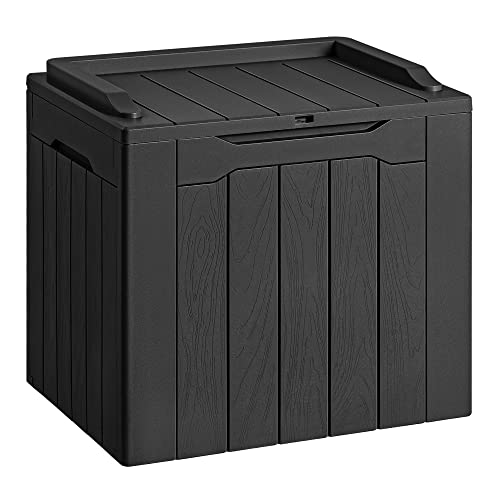
Light & Solid: Made of a high density resin material, it is stable, waterproof and UV resistant. The net weight of this deck box is only 8.8 pounds
Implementing Moisture Prevention Strategies
Since moisture poses the greatest threat to stored cushions, you’ll need to deploy multiple protective strategies that work together to maintain a dry storage environment. Start by placing desiccant packets strategically throughout your storage area to absorb excess humidity. Elevate cushions on pallets or shelves to prevent ground moisture contact and improve air circulation. Use breathable fabric bags rather than airtight plastic containers, which trap condensation. Apply waterproof spray to cushion surfaces and wrap foam inserts with protective liners for layered defense. For enhanced protection, consider applying fabric sealants to your cushions before storage, as these provide more durable long-term moisture resistance compared to spray-on protectors alone. Selecting closed-cell outdoor foam for your cushion inserts offers superior moisture resistance and faster drying times compared to standard foams.
Implement humidity monitoring solutions by regularly checking for dampness and condensation signs. Maintain consistent temperature ranges in well-ventilated spaces to reduce ambient moisture concentration. These moisture control techniques work synergistically to prevent mold growth and material degradation while extending your cushions’ lifespan considerably.

WATER REPELLENT SPRAY: Four Scotchgard Outdoor Water Shield Fabric Spray, 10.5 oz cans, that protects fabrics against the elements

Waterproof Performance: Underground wiring connector kit uses thick-walled heat shrink tubing for sealing, forming a robust waterproof structure that effectively prevents moisture and humidity from penetrating the connection, thereby improving the safety and service life of underground electrical systems

110PCS Cable Clamps Assortment Kit —The stainless steel cable clamps assorted box including 10 different sizes,20pcs 1/4”(5mm),20pcs 5/16"(8mm),14pcs 3/8"(10mm),12pcs 1/2”(13mm),10pcs 5/8"(16mm),10pcs 3/4"(19mm),6pcs 1"(25mm),6pcs 1-1/4"(32mm),6pcs 1-1/2"(38mm),6pcs 1-3/4"(45mm),various sizes are available to meet your needs
Controlling Pest Infiltration and Damage
While moisture control prevents fungal threats to your cushions, you’ll also need to address the pest populations that thrive in storage environments. Implement physical barriers like chicken wire or hardware cloth with overlapping seams secured by bricks, achieving 95% effectiveness against intrusions. Apply natural deterrents such as peppermint oil-soaked cotton balls or cayenne pepper around your furniture covers. Spray vinegar-water solutions for eco-friendly protection without fabric damage.
Establish regular pest monitoring through biweekly inspections under armrests and chair joints, identifying cobwebs and egg sacs. Weekly beating or vacuuming dislodges hidden insects and larvae. Store cushions in sealed, elevated containers within dry, well-ventilated areas away from standing water and overgrown landscapes. These systematic approaches eliminate pest habitats while preserving your cushions’ integrity throughout storage periods.

【Wide Compatibility Size】-The patio cushion storage bag will covers up to 68"L x 29"H x 20"W. Perfect fit for most chair, bench, chaise cushions and also the Christmas tree.

SPACIOUS 22-GALLON BIN CAPACITY FOR OUTSIDE STORAGE. Store cushions, pillows, tools, shoes, beach towels, & grill tools in this small outdoor storage box. Weather-resistant storage box for patio, decks, front porches, backyards, gardens, & pools.

Versatile Outdoor Organization:This practical deck box neatly stores patio cushions, garden tools and pool accessories, suitable for balconies, gardens and entryways.
Protecting Cushions From Environmental Damage
Because outdoor cushions face constant exposure to moisture, UV radiation, and temperature fluctuations, you’ll need to implement a multi-layered protective strategy that addresses water infiltration, microbial growth, and material degradation. Apply waterproof coatings like 303 Fabric Guard or Scotchgard annually to establish durable barriers against water penetration. Select cushion materials with inherent water resistance, such as Olefin or polypropylene, to minimize moisture absorption risks. Store cushions indoors during winter and high-humidity periods, elevating them on pallets to prevent ground dampness. Rotate cushions periodically for even sun exposure and drying. Clean thoroughly before storage using eco-friendly solutions to remove organic debris that attracts pests and mold. Wrap foam inserts in waterproof liners and store everything in sealed plastic bags to block environmental pollutants and prevent degradation. Consider using breathable fabric covers with adjustable buckle straps to provide superior protection during severe winter weather conditions. Maintain minimum ground clearance beneath outdoor storage areas to ensure proper air circulation and prevent moisture accumulation that can compromise cushion integrity.

Dimensions: 24x24x4 inch 4 pack. Please measure your cushion size before purchasing. It is recommended to choose a slipcover that is 1-1.5 inches larger than the seat cushion. Various colors are prepared. You can choose the color you like to cover. COVER ONLY – DOES NOT COME WITH CUSHION INSERTS.

Complete 8-Pack Set: Update your patio furniture with the 8 pack value set; These outdoor cushion covers provide a coordinated look for your sectional without replacing expensive inserts; Designed to fit pads 20-27" L/W and 2-8" H, these patio furniture cushion covers let you refresh old furniture on a budget; Measure before buying

Protection of Your Sofa Cushion: The outdoor cushion cover can make your old cushion look new, and can protect the cushion from daily wear and scratches, but also can avoid accidental splash stains and pet scratches,It is an ideal choice for families with children and pets
Managing UV Ray Exposure and Fading
UV radiation represents the primary culprit behind color loss in outdoor cushions, working independently from the moisture and microbial threats you’ve already addressed through protective coatings and proper storage. UV rays penetrate fabric fibers and break down color pigments over time, causing accelerated deterioration beyond simple fading.
Your UV protection strategies should prioritize solution-dyed fabrics, which embed color pigment directly into fiber structures before spinning. This construction method guarantees vibrant color persists beneath surface erosion. Additionally, apply chemical UV absorbers and stabilizers that convert harmful rays into harmless heat or sacrifice themselves to shield dyes. These protective coatings work similarly to flexible, UV-resistant barriers used in outdoor furniture finishes to defend against sun damage.
For fade prevention methods, select fabrics with tight weaves and dense constructions that physically block UV penetration. Brands like Sunbrella and protective products such as 303 Fabric Guard deliver reliable long-term performance in high-exposure locations. Combining these UV-resistant fabrics with furniture covers or storage during off-seasons provides comprehensive protection that extends cushion lifespan and maintains color vibrancy.
Maintaining Proper Ventilation in Storage Spaces
After you’ve applied protective coatings and selected fade-resistant fabrics, managing airflow becomes your next critical defense against moisture accumulation and microbial growth. You’ll maximize ventilation methods by spacing furniture pieces strategically and installing mesh screens on storage unit vents to prevent pest entry while maintaining airflow. For airflow enhancement, position cushions at least six inches off the ground and add ventilation holes to storage covers. You can install battery-operated fans within units and use breathable furniture covers that allow moisture escape. Line storage boxes with cedar planks for natural ventilation and absorption properties. Incorporate silica gel packets or charcoal briquettes nearby to reduce humidity. Just as proper spacing and alignment are essential in deck construction to ensure structural integrity and longevity, maintaining consistent spacing between stored cushions prevents compression damage and allows air to circulate freely. Prompt drying and thorough rinsing after any accidental moisture exposure will help prevent rust and water spots on metal furniture frames stored nearby. These combined approaches create an environment where your cushions remain protected from moisture-related deterioration throughout storage.
Storing Specialty and Large Cushions
Oversized and specialty cushions demand tailored storage approaches that diverge from standard procedures. You’ll want to select custom-sized bags that accommodate your cushion shapes precisely, preventing compression damage during storage periods. For seasonal considerations, evaluate your local climate patterns to determine ideal storage locations—winter months require protective indoor spaces like climate-controlled units or garages, while summer storage benefits from shaded areas that minimize UV exposure.
Elevate your cushions at least six inches off the ground to enhance air circulation and prevent moisture accumulation. Individually wrap large outdoor sofa cushions in protective covers before placing them in weather-resistant containers. This layered approach protects against environmental damage while maintaining accessibility. Incorporate moisture-absorbing packets into your storage containers to counteract humidity that could compromise specialty materials throughout extended off-season months. Store cushion storage areas away from direct sunlight to prevent the material degradation that occurs with UV exposure over time. Consistent preventative maintenance through proper storage extends your cushion lifespan and preserves their original condition across multiple seasons, similar to how regular gentle cleaning maintains aluminum furniture.

Extra Large Storage Space: Our christmas tree storage bag size is 60" L x 20" W x 28" H which can hold 9-10 ft Tall Christmas Tree and fits for most outdoor cushions and also other furniture.
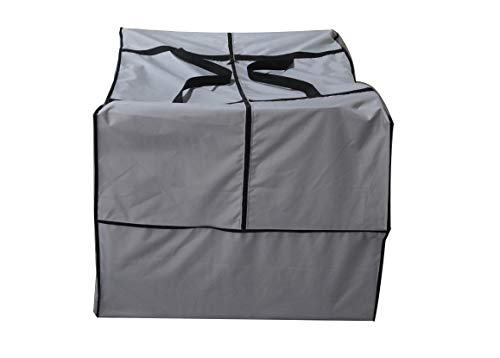
Perfect for storing chair, bench, and chaise cushions. up to 32" long x 32" wide x 24" high

EASY TO CARRY: Our organizer bag is made of extremely durable Oxford cloth + Urethane coating, 100% waterproof and tear-resistant, 180L large capacityso you can take your giant 4-point game console with you wherever you go!
Organizing and Maintaining Cushions Throughout the Off-Season
Since proper off-season management directly impacts your cushions’ longevity and performance, you’ll want to establish a systematic approach that combines thorough preparation with strategic storage practices. Implement cushion rotation periodically throughout storage to prevent pressure marks and maintain structural integrity. Conduct seasonal inspection before storing and at regular intervals to identify mildew, mold, or pest activity early. Maintain ideal conditions by placing dehumidifiers or moisture absorbers in storage areas to prevent fabric degradation. Label and organize cushions by type or set for efficient retrieval. Avoid stacking heavy items that compress foam or cause permanent indentations. Store cushions in shaded locations to prevent UV damage and color fading. Before storage, ensure cushions are thoroughly cleaned using mild soap and warm water or appropriate manufacturer-recommended solutions to prevent mold and mildew growth during the off-season. Similar to how pressure washing and deck cleaners remove dirt and residues from outdoor surfaces, proper cleaning solutions help eliminate contaminants that could compromise cushion integrity. These systematic practices preserve cushion quality and extend their functional lifespan considerably.


