
How to Clean Outdoor Cushions for Winter Storage
You’ll need to dust off debris, treat stains with enzyme cleaners or vinegar-baking soda solutions, then wash cushions with mild detergent using circular motions. Rinse thoroughly to remove soap residue, then air dry completely in direct sunlight with fan assistance—trapped moisture invites mold. Once dry, apply UV protective topcoats before storing in breathable fabric covers with moisture-absorbing packets in a cool, dry location. The specifics of each step’ll notably impact your cushions’ spring condition.
Gathering Your Cleaning Supplies and Assessing Cushion Condition
Before you tackle outdoor cushion cleaning, you’ll need to gather the right supplies and assess your cushions’ condition. Start by collecting mild detergent, soft brushes, and cleaning solutions—dish soap, white vinegar, or oxygen cleaners work well. Have a bucket and garden hose ready for mixing and rinsing.
Next, conduct a thorough cushion inspection. Check for visible stains, dirt, mildew, and discoloration. Review manufacturer care labels for specific cleaning instructions and limitations. Identify areas needing spot cleaning versus full washes. Note any tears, fabric wear, or water repellency loss requiring repairs or protective coating reapplication. Sort cushions by material and condition to apply appropriate cleaning methods. This assessment guarantees you’ll use the right approach for each cushion, preventing damage while maximizing cleaning effectiveness. For mildew-affected cushions, test your chosen cleaning solution on a hidden area first to prevent discoloration before proceeding with full treatment. After treatment, ensure cushions completely air-dry in direct sunlight to eliminate remaining mold spores and prevent future growth during storage.

MULTIFUNCTIONAL CLEANING BRUSH: High-quality soft household cleaning brush bristles can easily clean dirty parts of clothes, such as collars and cuffs without damaging the fabrics, and can also be used to clean stains on tiles and countertops, making home cleaning easy.

Ergonomic Design: The peanut-shaped wood body of this hand scrub brush offers an ergonomic grip, ensuring comfortable use during extensive cleaning sessions. Ideal for those seeking a reliable bristle brush for cleaning various surfaces efficiently.

OXY-POWERED OUTDOOR STAIN REMOVAL: This Outdoor Cleaner & Stain Remover delivers powerful spot cleaning with an oxy-powered formula. Designed to tackle tough outdoor stains caused by mold, mildew, algae, dirt, and grime, it helps refresh patios, decks, and outdoor living spaces
Removing Dust and Debris Before Deep Cleaning
Dust and debris removal is your foundation for effective cushion cleaning—it prevents dirt from embedding deeper into fabric fibers during the washing process. Begin with a thorough cushion inspection to identify material types and existing damage before proceeding.
Use dust removal techniques strategically: start with a soft-bristled brush to sweep loose particles, then employ a handheld vacuum with an upholstery attachment for fine dust. Shake cushions vigorously outdoors to dislodge trapped debris. Work in a well-ventilated area on a dry, calm day to minimize airborne particles and prevent dust resettlement. Selecting cushions made from weather-resistant materials designed to withstand moisture and UV rays will make this cleaning process easier and protect your investment during storage.
Dispose of collected debris in sealed containers. Clean surrounding areas immediately afterward. This methodical approach eliminates surface contaminants, preparing your cushions for deep cleaning while extending their lifespan considerably, much like how thorough preparation ensures optimal results when refinishing outdoor surfaces.
Treating Stubborn Stains and Problem Areas
Once you’ve cleared away surface dust and debris, you’re ready to tackle the stains that cleaning alone won’t remove. Start with stain identification methods by examining your cushions closely. Look for color changes, texture variations, and unusual smells that indicate mold, mildew, or embedded dirt.
For organic stains like grass, use enzyme-based cleaners that break down proteins effectively. Oil stains from sunscreen require absorbent treatment—sprinkle baking soda and let it sit fifteen minutes before scraping away residue.
Natural cleaners work well for most problems. Mix vinegar and baking soda into a paste for mold and mildew. Apply lemon juice and salt to stains, then expose them to sunlight for natural bleaching. For tougher stains, consider adding OxiClean to your cleaning solutions to boost stain removal effectiveness. For persistent issues, follow manufacturer instructions on commercial stain removers carefully. You can also mix OxiClean Versatile Stain Remover with warm water and let it stand on affected areas for 5 to 30 minutes before scrubbing and rinsing thoroughly.
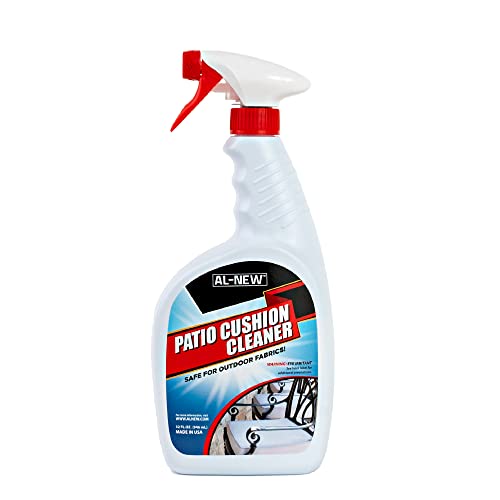
Best Way to Clean Outdoor Patio Cushions, Fabric Cushions, Patio Furniture Covers, Sunshades & Sail Cloth, Fabric Awnings, Umbrellas & More!

Powerful Natural Odor Eraser: This Chemical-free formula is a pet poop & pee smell destroyer. Spray it on any outdoor surface, and odors will quickly disappear. The only thing left behind will be a fresh eucalyptus scent.

EFFECTIVELY REMOVES MOLD & MILDEW STAINS – Designed to eliminate tough outdoor mold, mildew stains, dirt buildup and organic staining from patio cushions and outdoor furniture fabrics.
Washing and Scrubbing Your Cushions
Now that you’ve addressed stubborn stains, you’re ready to wash your entire cushion surfaces with a systematic approach. Begin at the top of each cushion and work downward using consistent scrubbing motions with a soft-bristled brush or sponge dipped in your cleaning solution.
Apply circular motions when working over stained areas to maximize cleaning effectiveness. Different fabric types—polyester, acrylic, olefin, and Sunbrella—respond differently to cleaning techniques, so tailor your approach accordingly. For lighter-colored fabrics, you can incorporate a touch of bleach into your mild detergent mixture for deeper cleaning.
Use gentle, methodical cleaning techniques throughout to prevent weakening fabric fibers. Thoroughly scrub all cushion surfaces, ensuring complete coverage with your fabric-safe cleaning solution. Proper ground clearance and air circulation are equally important during the drying phase before winter storage to prevent moisture damage and mildew growth on your cushions.

MULTI PURPOSE USE: Tires, car, truck, grills, spokes, bumpers, wheel well, concrete, decks, house, pots

The hand broom cleaning brush is made of dense and thick soft bristles. The bristles are not easy to fall off, not easy to deform, durable and soft in texture.
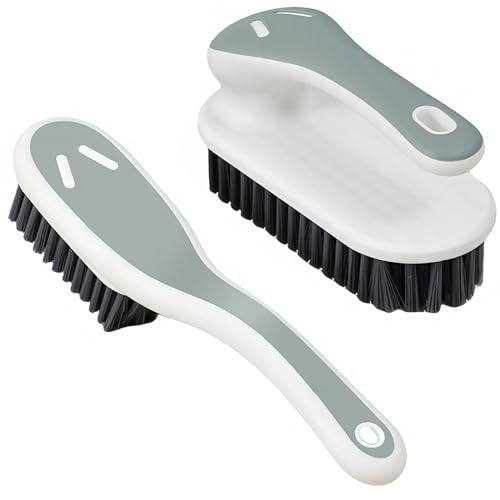
MULTIFUNCTIONAL CLEANING BRUSH: High-quality soft household cleaning brush bristles can easily clean dirty parts of clothes, such as collars and cuffs without damaging the fabrics, and can also be used to clean stains on tiles and countertops, making home cleaning easy.
Rinsing Thoroughly and Removing Soap Residue
After you’ve thoroughly scrubbed your cushions, removing all soap residue becomes equally critical to prevent dirt attraction and fabric stiffness.
Use a garden hose on gentle spray settings for effective rinsing techniques. Continue rinsing until water runs completely clear, verifying you’ve eliminated all detergent. For cushions without removable covers, avoid excessive soaking and focus on thorough spot rinsing with fresh water.
Next, perform soap removal by wiping cushions with clean, damp microfiber cloths or soft towels. Blot rather than rub to prevent fabric damage while lifting residual detergent. Repeat this process until no visible suds or stickiness remain.
Finally, air-dry your cushions vertically in a well-ventilated area, flipping them periodically. Complete drying prevents mold growth and makes sure residues don’t pool on fabric surfaces before winter storage. Proper drying is essential as part of winterizing outdoor furniture to protect your cushions throughout the harsh winter months.
Drying Cushions Properly to Prevent Mold
Because moisture trapped within cushion fibers accelerates mold and mildew growth, you’ll need to prioritize thorough drying before storage or extended periods of non-use. Air drying in well-ventilated areas remains the most effective technique, enhanced by direct sunlight’s natural sanitizing properties. Position fans to increase airflow and rotate cushions periodically to guarantee even drying on all sides. Elevate cushions off solid surfaces that restrict underside airflow.
For moisture assessment, inspect cushions thoroughly before storage to confirm complete dryness. Avoid sealing damp cushions in containers; instead, use breathable fabric covers and moisture-absorbing packets in storage spaces. Material type affects drying time—quick-dry foams and solution-dyed fabrics like Sunbrella dry faster than open-cell alternatives. Storing items in a cool, dry place further minimizes humidity risk and prevents microbial issues. Similar to outdoor furniture protection, applying UV-protective topcoats to cushion covers can provide additional defense against sun damage during storage transitions. Climate-controlled storage further minimizes humidity risk and prevents microbial issues.
Applying Protective Treatments Before Storage
Once your cushions are completely dry, applying protective treatments becomes essential for preserving their condition during storage. You’ll find fabric protector varieties available as sprays or liquids, each formulated specifically for outdoor use. Many contain UV inhibitors to combat sun damage and fading.
For application techniques, hold spray applicators 6–8 inches from the fabric surface, ensuring even coverage across the entire cushion. Avoid over-saturating, which causes residue buildup. Allow treated cushions to dry completely before storing them.
Reapply protectant after each deep cleaning or annually. These treatments create water-repellent barriers that prevent moisture absorption and mildew growth. Proper protective covers also shield your cushions from harsh weather conditions during storage periods. By protecting your cushions before storage, you’ll extend their lifespan, maintain color vibrancy, reduce staining risk, and preserve your investment in quality outdoor furniture.

WATER REPELLENT SPRAY: One Scotchgard Outdoor Sun & Water Shield Fabric Spray, 10.5 oz can, that repels water and protects against the sun's UVA/UVB rays

➤ Ultimate Stain & Water Repellent: Protect your furniture from spills, dirt, and pet accidents with an invisible, odor-free shield that repels liquids, oils, and more for up to 24 months.
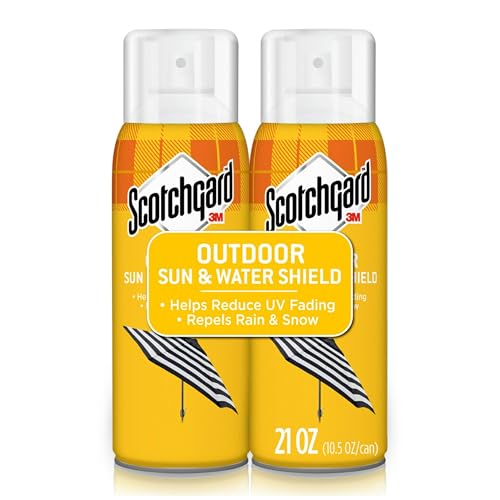
Strong fabric protection repels water based spills for easier cleanup
Choosing the Right Storage Location and Method
Selecting an appropriate storage location and method directly impacts how well your cushions survive the off-season. For indoor storage, you’ll want to use garages, basements, or sheds that offer dry, cool, well-ventilated environments. These spaces shield cushions from UV rays, pests, and extreme weather while preventing moisture buildup.
If indoor storage isn’t feasible, outdoor solutions like weather-resistant deck boxes and waterproof storage bins work effectively. You’ll need high-quality, durable containers that withstand harsh conditions and temperature fluctuations. When placing storage containers on your deck, ensure they comply with local setback requirements to avoid obstruction issues.
Regardless of your choice, match your storage method to your local climate. In humid regions, breathable fabric bags prevent mold. In colder climates, insulated solutions protect against freezing. Consider adding moisture-absorbing packets or dehumidifiers for damp environments, as breathable covers help prevent moisture accumulation that can damage cushion materials during storage. Label containers clearly for easy retrieval and organize cushions neatly to maximize space.
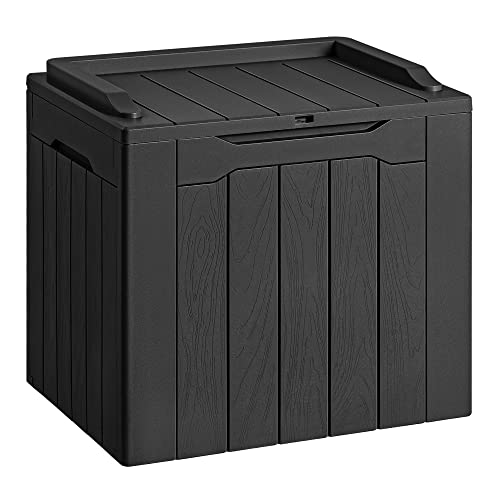
Light & Solid: Made of a high density resin material, it is stable, waterproof and UV resistant. The net weight of this deck box is only 8.8 pounds

LARGE OUTDOOR STORAGE BOX: Fashionably store your outdoor furniture cushions, pool floats, and more. This outdoor storage bench offers lots of convenient, lockable storage space and has enough room to seat 2 adults.

DIMENSIONS: Exterior: 50.4 in. W x 21.2 in. D x 23.2 in. H / Interior: 49.6 in. W x 20 in. D x 22.8 in. H