Is Olefin Fabric Good for Outdoor Furniture?
You’ll find olefin fabric excels for outdoor furniture. It boasts exceptional tensile strength, abrasion resistance exceeding 10,000 rubs, and Grade 4 pilling ratings that guarantee long-lasting durability. The hydrophobic fibers repel water while resisting UV fading at 7/8 BW colorfastness. You’ll appreciate minimal maintenance—just mild soap and water cleaning—plus cost-effectiveness at $4–$20 per yard. Its resilience against temperature fluctuations, mold, and mildew makes it ideal for demanding environments. Understanding how olefin stacks against premium alternatives reveals even deeper advantages.
Durability and Strength for Long-Lasting Furniture
When you’re evaluating outdoor furniture fabrics, olefin’s durability stems from its high tensile strength—a property that allows the fibers to stretch under stress and snap back without permanent deformation. The strength benefits extend beyond elasticity; olefin’s interlocked fiber patterns considerably reduce ripping and fraying risks over extended use periods.
You’ll find olefin characteristics include exceptional abrasion resistance, rated above 10,000 rubs according to ISO 12947-2:2016 standards. The fabric resists pilling at Grade 4, maintaining its surface integrity through 2,000 movements per ISO 12945-2:2000 testing protocols. These technical specifications translate to furniture that withstands heavy traffic and frequent use without compromising appearance or structural integrity, making olefin a reliable choice for demanding outdoor environments.

About Size: The outdoor chair cushions 20x20x4" fit most outdoor furniture. Please accurately measuring the dimensions of your furniture's seating area before purchasing, the...
Weather Resistance and Environmental Protection
Because outdoor furniture faces constant environmental assault, olefin’s weather resistance becomes one of its most valuable attributes for long-term performance. You’ll find that olefin withstands temperature fluctuations, rain, snow, and wind without structural degradation. Its hydrophobic properties prevent water absorption, enabling quick drying that eliminates mold and mildew risks—critical for climate adaptability across humid, coastal, and sun-exposed regions.
From an environmental sustainability perspective, olefin’s inherent weather resistance eliminates the need for harmful chemical treatments like PFAS. You benefit from a nontoxic, polypropylene-based fiber that’s recyclable and requires fewer replacements due to its durability. This extended lifespan directly reduces waste generation, supporting both environmental health and long-term cost efficiency for your outdoor living spaces.

Outdoor Cushions 2 Sets – This set includes 2* seat cushion size 24"x 24"x 6" and 2* back cushion size 21"x 24"x 6". Perfect for any style outdoor space and complements all types of outdoor furniture. NOTE :The set is vacuum packed, they’ll take about 48 hours to fully expand and fluff up for maximum coziness

PERFECT SIZE MATCHING: This 2-pack Outdoor Chair Cushions include 2 seat cushions (24”W x 24”D x 4”T) and 2 back cushions (24”W x 20”H). Please measure your furniture seating area beforehand to ensure a proper fit
Water and Moisture Management
While olefin’s weather resistance protects your outdoor furniture from environmental damage, its superior moisture management capabilities directly address one of the most persistent challenges in outdoor upholstery: water penetration and the problems it creates.
Olefin’s hydrophobic fibers naturally repel water, preventing absorption that would otherwise compromise fabric integrity. Unlike polyester, which merely resists water, olefin actively pushes moisture away. Water beads on the surface rather than penetrating the fiber structure, enabling rapid moisture evaporation and quick-drying properties.
This non-absorbent characteristic prevents mold, mildew, and bacterial growth that thrive in damp environments. Your cushions dry faster after rain or washing, reducing conditions favorable for fungal proliferation. Consequently, you’ll experience fewer odors and stains from pooled liquids, making maintenance straightforward with mild soap and water, similar to the minimal upkeep required by quality weatherproof materials designed for year-round outdoor use.

COMPLETE 2-PIECE DEEP SEAT SET: Each set includes 1 seat cushion measuring 22"W x 24"D x 6"H and 1 matching back cushion measuring 22"W x 21"H x 7"T. These thick outdoor seat cushions are ideal as patio chair cushions and replacement cushions for outdoor furniture, including deep-seat chairs, sofas, couches, loveseats and conversation sets. Please carefully measure the width and depth of your furniture’s seating area before ordering to ensure the best fit

Superior Look + Feel – Revive your outdoor furniture in quality and style with our deep seating cushion set from Honeycomb. With durable olefin fabric and supportive foam filling you are guaranteed long-lasting softness and comfort.
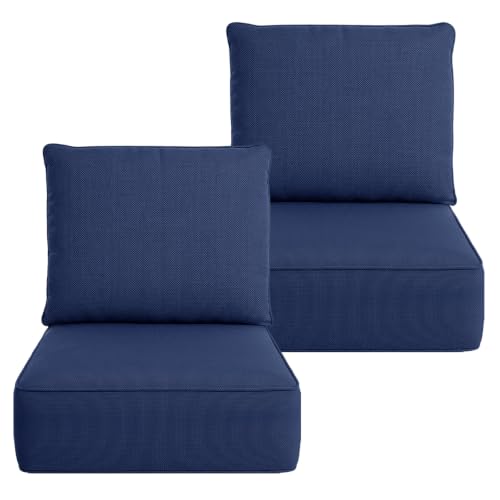
COMPLETE 2-PIECE DEEP SEAT SET: Each set includes 1 seat cushion measuring 24"W x 24"D x 6"H and 1 matching back cushion measuring 24"W x 22"H x 7"T. These thick outdoor seat cushions are ideal as patio chair cushions and replacement cushions for outdoor furniture, including deep-seat chairs, sofas, couches, loveseats and conversation sets. Please carefully measure the width and depth of your furniture’s seating area before ordering to ensure the best fit
UV and Fade Resistance Performance
Though olefin doesn’t naturally resist ultraviolet radiation, manufacturers embed UV inhibitors directly into the fibers during the solution-dyeing process, achieving fade resistance comparable to premium acrylic alternatives. This integration guarantees uniform protection throughout the fabric rather than surface-level coatings that diminish with use.
Colorfastness testing demonstrates olefin’s exceptional UV stability, with ratings of 7/8 BW indicating excellent color retention under prolonged sunlight exposure. You’ll find that your outdoor cushions and patio furniture maintain vibrant appearance year-round without significant discoloration.
The fabric resists degradation from combined environmental stressors including UV rays, saltwater, and chlorinated water. Unlike untreated synthetics, olefin doesn’t require re-treatment to maintain protection. Long-term outdoor performance confirms your investment retains fade-resistant properties across multiple seasons without compromise.

2 Sizes & Universal Fit: Available in 10pcs and 14pcs sets, designed for outdoor patio, couch, chair and sectional furniture. Perfect for porches, backyards and poolside, matching wicker, wood or metal styles with a flexible fit for most standard cushions.

【Size Detail】Zonamat outdoor chair cushions measuring 19"x19"x3". (Please measure your furniture first to ensure the perfect fit for your outdoor seating space.) Out patio furniture cushions offering a perfect fit for most patio, garden and lawn chairs; ideal for lawn, deck, balcony, beach, or even indoor use.

Spacious Dual-Function Daybed: Perfect as a cozy lounger for two or an impromptu daybed for guests, offering versatile comfort for any occasion.
Ease of Maintenance and Cleaning
Olefin fabric’s low-maintenance nature makes it an exceptionally practical choice for outdoor furniture, as the material’s synthetic composition resists common staining agents and environmental contaminants more effectively than natural fibers. You’ll find that regular maintenance requires minimal effort—simply vacuum or brush away dirt and debris consistently to prevent buildup. For stain treatment, you’ll apply mild soap solutions with soft brushes or sponges for light soiling, then rinse thoroughly to eliminate soap residue. When addressing stubborn stains or mildew, you’ll use a detergent-bleach mixture, allowing it to sit before gentle scrubbing. Your cleaning tools remain basic: soft brushes, sponges, and lint rollers suffice for most tasks. Air drying completely prevents mildew formation, while protective covers during adverse weather conditions further shield your cushions from moisture accumulation and environmental damage. Reapplying waterproofing spray every 6-12 months maintains water repellency, ensuring longevity with minimal intervention required.
How Olefin Compares to Other Outdoor Fabrics
Understanding how olefin stacks up against competing outdoor fabrics helps you make an informed investment in furniture that’ll truly withstand your climate and usage patterns. Olefin outperforms polyester in durability and UV resistance, while Sunbrella acrylics excel in fade resistance under extreme sun exposure. You’ll find olefin’s quick-drying properties superior to natural fibers, though Sunbrella offers better liquid repellency. Regarding fabric comparison, olefin provides softer comfort than many acrylics but fewer color options. Its mold and mildew resistance surpasses untreated polyester, making it ideal for humid climates. The olefin versatility shines in family-friendly settings where durability meets comfort, though high-traffic areas may show wear faster than premium alternatives like Sunbrella fabrics.

【Quality Material】Made from premium polyester fabric, this waterproof canvas fabric is lightweight, tough, and offers excellent durability, abrasion resistance, and tear resistance to ensure long-lasting durability.

Excellent Fade Resistance: The BPS replacement cushions feature solution-dyed olefin fabric, engineered for superior color retention and fade resistance. It outperforms standard polyester in color stability, and keeps your patio cushions vibrant for years
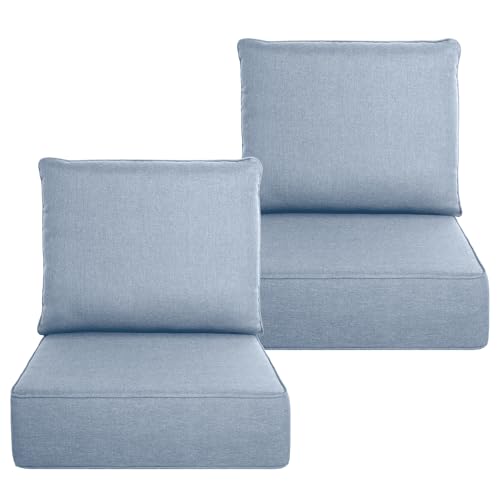
Perfect Fit for Any Outdoor Space - Includes 2 seat cushions (22"x24"x6") and 2 back cushions (21"x24"x6"). Designed to suit most patio furniture styles and a wide variety of outdoor furniture, such as chair, couch, bench, loveseat and swing, etc. Note: Our outdoor cushions arrive vacuum-packed and take 48 hours to fully expand for optimal comfort
Cost-Effectiveness and Value Proposition
Budget-conscious outdoor furniture shoppers’ll find olefin’s pricing structure particularly attractive compared to premium alternatives. Basic olefin fabric costs $4-$10 per yard, while premium variants range from $12-$20—substantially less than Sunbrella or teak wood options.
Your affordability advantages extend beyond initial purchase price. Complete furniture sets with olefin frames and cushions demand noticeably lower investments than high-end outdoor lines. The efficient production process requires fewer resources, directly reducing manufacturing costs you ultimately bear.
However, budget considerations demand long-term analysis. Olefin may require replacement sooner than Sunbrella in harsh climates, particularly high-sun or rainy regions. For periodic replacement cycles or moderate usage in sheltered areas, olefin delivers excellent value. Your replacement frequency ultimately determines whether its lower upfront cost justifies shorter lifespan expectations.
Ideal Uses and Best Practices for Olefin Furniture
Since you’re selecting outdoor furniture for specific environments and usage patterns, understanding where olefin performs most efficiently proves essential for maximizing your investment.
Olefin excels in humid, rainy, and sun-exposed climates where its quick-drying properties prevent moisture accumulation and mold growth. You’ll find it ideal for casual-use settings like patio chairs and lounge cushions rather than high-traffic commercial spaces. For peak longevity, maintain regular cleaning with mild soap and water, periodically brush the fabric, and consider protective covers during harsh weather.
You can enhance olefin’s inherent UV resistance with protective sprays. Its fabric versatility accommodates diverse outdoor aesthetics through extensive color and pattern options. However, avoid prolonged heat exposure, as intense temperatures degrade the fibers. This strategic approach guarantees your outdoor furniture maintains durability while preserving comfort and visual appeal across seasons.