Is Shellac Good for Outdoor Furniture? Pros and Cons
You shouldn’t apply shellac to outdoor furniture because it can’t withstand moisture, UV exposure, or temperature swings that degrade finishes quickly. It develops cloudiness within weeks and fails after just four hours of water contact. You’ll need constant reapplication since foot traffic and weather accelerate wear considerably. Solution-dyed polyester and exterior urethane offer superior alternatives with extended lifespans and minimal maintenance. Uncover why these options outperform shellac’s limitations greatly.
What Is Shellac and Where Does It Come From?
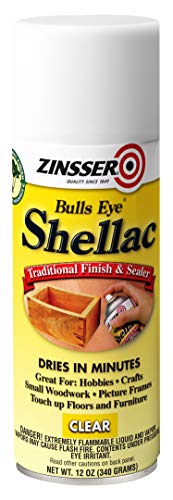
Shellac’s journey begins with the female lac bug (Coccus lacca or Laccifer lacca), which secretes a natural resin onto tree branches and twigs throughout Southeast Asia—primarily in India, Thailand, and Myanmar. You’ll find that understanding shellac origins requires knowing that roughly 17,000 to 90,000 insects are needed to produce just one pound of this material.
The resin properties make shellac particularly valuable. It’s composed of aleuritic acid, jalaric acid, and shellolic acid, along with natural waxes and hydroxyaliphatic acids. When you harvest stick lac—twigs coated with resin and insects—processors wash and purify it using solvents. You can then obtain shellac as dry amber-colored flakes or dissolve it in alcohol for liquid applications. India dominates production, yielding 18,000 metric tons annually.
Durability Issues for Outdoor Environments
While shellac offers aesthetic appeal and ease of application, it simply doesn’t perform well in outdoor settings due to fundamental limitations in its chemical composition. Durability testing consistently reveals shellac’s vulnerability to moisture, heat, and UV exposure—all prevalent in outdoor environments. You’ll notice white rings forming from wet items and cloudiness from humidity within weeks of exposure. The finish softens under direct sunlight and temperature fluctuations, causing surface marking and potential melting. Longevity factors decline rapidly outdoors; you’ll need frequent reapplication due to accelerated wear from foot traffic and furniture movement. Unlike modern patio furniture constructed with water-resistant materials, shellac lacks the protective properties needed for outdoor durability. Cracking and alligatoring develop unpredictably as aged shellac loses adhesion. These limitations make shellac unsuitable for any outdoor furniture expecting regular use or weather exposure. For outdoor projects like deck furniture, material procurement decisions should prioritize finishes with real-time monitoring of durability performance to ensure long-term value and minimize costly refinishing expenses.

Perfect for refinishing and protecting exterior wood such as picnic tables, chairs, swing sets and more

Use for a variety of indoor and outdoor project surfaces including wood, metal, plaster, masonry or unglazed ceramic

Proven Type I Waterproof Performance: Passes ANSI/HPVA Type I water-resistance standards, making it ideal for outdoor woodworking, cutting boards, furniture, and projects exposed to weather conditions.
Weather Resistance and UV Protection
Three critical vulnerabilities expose shellac’s inadequacy for outdoor furniture: it lacks UV absorbers, can’t withstand moisture infiltration, and degrades rapidly under temperature fluctuations.
You’ll notice fading as the primary UV exposure impact when shellac finishes face direct sunlight. Unlike exterior-grade urethane and varnish formulations, shellac contains no chemical additives for sun damage resistance. You’ll need frequent recoating intervals as UV radiation breaks down your finish.
Weather durability factors compound these problems. Moisture penetrates shellac quickly, causing softening and dissolution. Thermal cycling between day and night temperatures stresses molecular bonds, compromising protective properties. Coastal environments accelerate deterioration through salt spray exposure. You’ll also find that alkaline rainwater and airborne pollutants attack shellac surfaces differently than controlled indoor conditions, making outdoor performance consistently unreliable. For structural outdoor applications, pressure-treated lumber offers superior moisture resistance compared to unprotected wood substrates. In contrast, powder-coated aluminum and marine-grade polymers provide durable, weather-resistant alternatives that withstand moisture, UV fading, and corrosion for year-round outdoor use.

PROTECTIVE CLEAR FINISH – Minwax Helmsman Spar Urethane is specially formulated as a protective varnish for wood for interior and exterior projects. It contains special UV blockers that reduce the sun’s graying and fading effects.

Protects indoor wood surfaces such as furniture, windows, cabinets, trim and more

3X‑THICK ONE‑COAT PROTECTION: Formulated to be three times thicker than Varathane Ultimate Water‑Based Spar Urethane, allowing excellent durability and project completion up to three times faster in just one coat
Water Damage and Moisture Vulnerability
Because moisture directly contacts outdoor furniture surfaces, you’ll find that shellac’s water vulnerability becomes your primary concern in humid and rainy climates. Shellac can withstand water exposure for only about four hours before damage occurs. Prolonged contact causes cloudiness, white stains, and potential finish dissolution. Water absorption through the coating creates uneven surface expansion and contraction, leading to cracking if interior wood remains unsealed. The moisture impact accelerates when alkaline substances activate during rain exposure, degrading shellac rapidly. Multiple coats improve water resistance through increased film thickness, yet they don’t match specialized outdoor finishes. Urethane, exterior varnish, and epoxy formulations provide superior moisture barriers that shellac simply cannot achieve for long-term outdoor protection.

Ideal for use on exterior wood surfaces above the water line, including trim, railings and wood furniture

PROTECTIVE CLEAR FINISH – Minwax Helmsman Spar Urethane is specially formulated as a protective varnish for wood for interior and exterior projects. It contains special UV blockers that reduce the sun’s graying and fading effects.

Apply to outdoor wood projects
Heat and Chemical Sensitivity
Beyond moisture damage, shellac’s vulnerability to heat and chemical exposure presents equally serious problems for outdoor furniture. You’ll find that shellac lacks adequate heat resistance when exposed to direct sunlight or hot beverages, causing crazing and surface deterioration even with protective top coats. Temperature fluctuations accelerate this breakdown through expansion and contraction cycles.
Regarding chemical durability, shellac resists cooled water and alcohol but fails rapidly when these liquids are heated. Outdoor contaminants like tree sap and bird droppings further compromise the finish. Combined heat and chemical exposure creates compounded degradation. You should consider polyurethane alternatives instead, which provide superior heat resistance, complete wood sealing, and better performance under temperature extremes. These finishes require less frequent reapplication than shellac in exterior environments.
Maintenance Requirements for Outdoor Use
The maintenance demands for shellac on outdoor furniture far exceed what most homeowners can realistically sustain. You’ll face aggressive reapplication frequency requirements that dwarf other outdoor finish options. While oil-based sealants need recoating every 1-2 years and water-based solutions every 6-12 months, shellac demands even more intensive cycles due to rapid environmental degradation. The maintenance burden escalates dramatically once the finish fails entirely—you’re not performing simple touch-ups but requiring complete refinishing. Environmental variables like humidity fluctuations, temperature swings, and UV exposure make consistent shellac upkeep practically unmanageable outdoors. You’ll invest substantial time and resources repeatedly restoring your furniture’s protection rather than enjoying it, making shellac an impractical choice for outdoor applications where durability matters.
Blocks odors in wood, plaster, drywall, and masonry

CLEAR WATERPROOFING WOOD SEALER: Olympic WaterGuard clear sealer waterproofs and protects exterior wood and masonry without changing the surface's natural look.

Better Alternatives for Outdoor Furniture
Given shellac’s impracticality for outdoor furniture, you’ll find superior alternatives that require minimal maintenance while delivering genuine durability. High-density polyethylene (HDPE) plastic and Polywood recycled composite resist UV damage, moisture, and mold without refinishing cycles. Teak wood naturally resists water infiltration through its inherent oil content, weathering gracefully without deterioration. Powder-coated aluminum frames outperform shellac in salt-water environments while remaining lightweight and rust-resistant. For cushioning, olefin outdoor fabric provides waterproof protection through weaving rather than chemical treatments. Like PVC-coated polyester fabrics, these materials balance breathability with moisture resistance to prevent mold and mildew buildup. Solution-dyed polyester offers enhanced UV resistance compared to regular polyester, making it another practical option for outdoor cushions and upholstery.
These eco-friendly materials preserve furniture aesthetics while eliminating shellac’s peeling and yellowing issues. You’ll appreciate their fade-resistant properties and extended lifespans that exceed shellac-treated alternatives by decades. Each option balances environmental sustainability with practical performance, offering you reliable outdoor solutions without the maintenance burden shellac demands.

【DURABLE MATERIAL】This side tables are made of recycled plastic HDPE material that is more weather resistant than other poly lumber table.HDPE is an eco-friendly solution to wood.Weatherproof, heavy-duty construction withstands a range of environmental stressors,Weatherproof, heavy-duty construction withstands a range of environmental stressors

Flexible Modular Design: This patio conversation set features a modular design, with each seating unit being independent. You can freely rearrange and configure the seats to suit your needs and personal style. Whether you want a compact straight layout, or prefer a more personalized L-shaped or U-shaped arrangement, the modular design offers ultimate flexibility and creative freedom for your space

Imitation Wood Texture: Imitation wood grain texture makes the table and chairs look very similar to natural wood, offering the warmth and elegance of solid wood with simple maintenance and enhanced durability. The matching color design scheme brings a unique style to your outdoor space and makes it a true highlight.