Espalier Fruit Trees: Perfect for Walls, Hedges & Pergolas
You’ll maximize your garden’s productivity by training fruit trees against walls, hedges, and pergolas through strategic pruning and branch positioning. This intensive method redirects energy into fruit-bearing structures while creating stunning living sculptures. South-facing walls provide thermal mass, extending your growing season and elevating your USDA zone. You’ll gain easier harvesting access, improved air circulation, and reliable annual yields. The technique requires consistent maintenance—three annual pruning sessions and monthly monitoring—but the space-efficient results prove worthwhile for serious gardeners seeking thorough strategies.
Space-Saving Design for Small Gardens
Espalier fruit trees transform constrained urban environments by enabling you to cultivate productive orchards within narrow spaces where conventional planting proves impractical. Through vertical gardening techniques, you’ll fit multiple fruit-bearing plants into compact cultivation areas—patios, balconies, and narrow backyards—that traditionally couldn’t accommodate full-sized trees.
You’ll train branches to grow flat against support structures, maximizing your available space without consuming ground area. This method allows you to establish productive gardens along fencelines, garage walls, and between outdoor living zones.
Your compact cultivation approach simplifies maintenance considerably. The horizontal growth pattern provides enhanced accessibility for harvesting and pruning, while improved air circulation around plants reduces pest management complications. You’ll accomplish more with less space through this methodical training system.


Versatile Support: Our Dragon Fruit Trellis is expertly designed for dragon fruit plants, as well as other climbing plants and decorative trees, providing sturdy vertical support to elevate your garden’s potential.

【ERSATILE MOUNTING】: Designed for wall mounting on concrete, stucco, brick, masonry, siding, facade panels, or wood/vinyl fences. (Hollow walls require specialized expansion anchors). Ideal for outdoor climbing plants such as star jasmine, clematis, climbing roses, bougainvillea, grapevines, passion fruit, espalier fruit trees, and more
Maximizing Fruit Production Through Intensive Pruning
While the space-saving architecture of espalier systems provides the framework for productive cultivation, you’ll reveal maximum fruit yields through strategic, intensive pruning that redirects the tree’s energy into fruit-bearing structures rather than excessive vegetative growth. Selective branch cutting diverts resources toward lateral fruit spurs instead of vigorous vertical development. Heading cuts on the main stem stimulate strong side-shoots that become productive horizontal branches. You’ll maintain your desired form by removing unnecessary growth throughout the season. Summer pruning suppresses overall development, while dormant-season pruning encourages additional growth. Time your main pruning annually in late winter or early spring. For stone fruits, prioritize spring and summer pruning. This methodical approach transforms your espalier into a highly productive system yielding consistent harvests.

CLEAN CUTS FOR LIVE GROWTH: Bypass blade design is ideal for pruning delicate flower stems and green growth, helping reduce crushing and plant damage while cutting stems and small branches up to 5/8” in diameter

LONG-LASTING SHARPNESS: Japanese SK5 bypass blade with titanium coating is tested through 5,000 cuts to maintain a sharp edge and deliver clean, consistent cuts on live stems and branches

DUAL CUTTING POWER: VERSATILE PRUNING COMBO --- With both Pruning Shears and Pruning Snip, this combo delivers unmatched versatility. Whether you're delicately trimming flowers and shrubs, tackling thicker tree branches, or tending to your vegetable and fruit garden, our combo pack excels in all areas. They're also perfect for landscaping projects and maintaining the health and appearance of indoor plants. With this pack, you have a versatile tool that simplifies your gardening tasks.
Aesthetic Appeal and Living Sculpture Potential
Beyond their role as productive food sources, trained fruit trees become living sculptures that transform your garden’s visual character through deliberate manipulation of form and structure. You create visual interest by arranging branches into geometric patterns—cordons, fans, or lattices—that serve as striking focal points year-round. This artistic expression combines horticultural technique with creative vision, particularly when bare winter branches reveal intricate architectural forms. You’re fundamentally converting functional plants into three-dimensional art installations that enhance your landscape’s sophistication. The structured growth patterns you cultivate add order and elegance to patios, walls, and pergolas, transforming ordinary spaces into curated outdoor galleries. Your espalier work demonstrates mastery of both horticultural skill and aesthetic design principles, elevating these fruit trees beyond mere productivity into celebrated garden features.
Microclimate Benefits and Extended Growing Seasons
When you train fruit trees against south-facing walls, you’re harnessing thermal mass properties that substantially extend your growing season and expand the geographic range of cultivable varieties. Brick and stone masonry absorb solar radiation during daylight hours, then release it gradually at night, preventing frost damage and maintaining consistently warmer conditions. This microclimate optimization effectively elevates your growing zone by a full USDA classification in cold climates.
You’ll successfully cultivate Mediterranean fruits—peaches, apricots, and tender varieties—in temperate regions like Northern France and England where they’d otherwise be unviable. The radiant heat from masonry surfaces accelerates sugar accumulation and flavor development during ripening. Additionally, wall structures shield blossoms from late spring frosts, ensuring more reliable annual harvests through critical vulnerable periods.
Regular Maintenance and Management Practices
Success with espalier fruit trees hinges on disciplined, year-round management that sustains the trained form and maximizes productivity. You’ll execute three critical pruning sessions annually: winter dormancy, early summer, and late summer. Summer pruning techniques involve clipping lateral branches to five leaves, then reducing side-shoots to two or three leaves in late summer while lowering selected shoots to horizontal wires. Monthly maintenance removes stray growth perpendicular to your established plane.
Branch support requires soft, non-abrasive materials—horticultural ties, twine, or padded wires—inspected every few months to prevent girdling. Bamboo canes attached to wire supports hold shoots straight during training. You’ll remove ties once your desired form solidifies, though continued monitoring prevents damage as branches thicken. Consistent watering, balanced fertilization, and immediate removal of dead wood complete your management protocol.
Best Species for Espalier Training
Selecting the right species is fundamental to your espalier success, as different trees respond distinctly to training and produce fruit with varying reliability on formal structures. Apple trees rank foremost—spur-bearing varieties like ‘Gala’ and ‘Topaz’ fruit prolifically along trained branches. Pear trees excel on north-facing walls, tolerating challenging ideal climates while yielding late summer crops. Crab apples offer ornamental appeal with minimal maintenance demands. Stone fruits require meticulous pruning but reward you with dwarf cultivars like ‘Avalon Pride’ peaches and ‘Morello’ cherries. Quinces demand sunny, sheltered positions due to heavy fruit. Your espalier techniques must align with each species’ growth habits, branch flexibility, and fruiting characteristics for best results.

Fragrant Flowers: Bloom blossoms that provide precious nectar for pollinators like bees, creating your own romantic orchard with heavy fruit and rich flavor

Grow Your Own Famous Honey Crisp Apples - Cultivate the world's most popular apple variety right in your backyard! Experience the perfect sweet-tart crunch and explosive juiciness that made Honey Crisp apples a global sensation - fresh from your own tree.

4 kinds of the most popular fruits, individually packaged, 50pcs Lemon seeds 50pcs Cherry seeds 50pcs Orange seeds 50pcs Apple seeds Fresh seeds, all fruit seeds are packed in tear and moisture resistant zipper sealed bags for your long term storage.
Challenges and Initial Investment Considerations
While espalier training transforms fruit trees into living art, you’ll need to commit substantial time, resources, and expertise to achieve success. Your cost analysis reveals significant expenses: pre-trained specimens range from $29.99 to $395, while materials—galvanized steel, copper wire, and eyebolts—escalate with design complexity. Installation complexities demand professional help for wall-mounted systems, potentially requiring structural assessment and reinforcement. You’ll invest labor hours preparing sites and installing supports, with regional costs varying considerably. Beyond initial setup, you’re committing to regular pruning every two to three weeks during growing season, with training lasting several years before achieving your desired form. Maintenance demands ongoing attention to pest management, irrigation adjustments, and limb training throughout the tree’s life.

Package Contents - 20pcs crosshead hubs(for 5/64'' or 2mm cable), 5/64" x 98.43ft wire rope, 20 plastic expansion anchors, 20pcs washers, 80 PVC end caps, a small bundle of plant ties, 1 masonry drill bit, 1 Allen key, 1 all-purpose spanner, 1 instruction manual, trellis system calculator included. We offer a lifetime after-sales guarantee

Complete Package for Convenience: the wire trellis kit Includes 61m trellis wire and 20 eye screws (diameter 2/10 inches); This package ensures you have all necessary components right at your fingertips, making set up a breeze and eliminating the need for additional purchases

Package Contents - 30 crosshead hubs(for 5/64'' or 2mm cable), 1 wire cutter, 150ft x 5/64" wire rope, 30 plastic expansion anchors, 30pcs washers, 120 PVC end caps, a small bundle of plant ties, 1 drill bit, 1 Allen key, 1 all-purpose spanner, 1 instruction manual, trellis system calculator included. We offer a lifetime after-sales guarantee.
Harvesting and Long-Term Productivity
After you’ve invested in initial training and maintenance, the espalier structure begins delivering tangible returns through simplified harvesting and sustained productivity. You’ll access fruit directly from the ground without ladders, using hand-picking or pruners to minimize damage to tender-skinned varieties. Your harvesting techniques improve notably—you can shake branches over tarps to efficiently collect ripe fruit.
The two-dimensional form concentrates energy into lateral spurs, enabling earlier fruiting than standard trees. You’ll achieve heavier yields per square foot through intensive pruning that redirects resources strategically. With consistent annual pruning, your espaliered trees remain productive for over 150 years. Multiple cultivars grown simultaneously enhance cross-pollination and diversity. Regular maintenance keeps canopies uncluttered, improving fruit accessibility and visibility during harvest while maintaining long-term productivity.
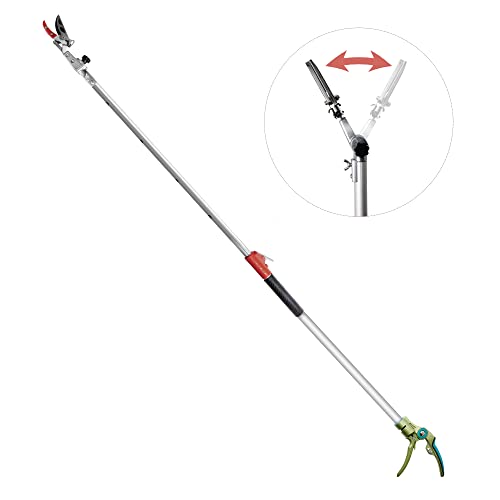
[Helpful Garden Tool] GARTOL brings to you a lightweight and extendable pruning tool to reach out to the least approachable arenas of your garden. You can conveniently get across other plants to remove the fastgrowing brambles and sting nettles without getting scratched or hurt. For gardening lovers, the telescopic pruner cutter head can can be rotated which resolves mobility issues and gives you the pleasure of trimming your garden without bending down or using a ladder to climb and cut them.

· ULTRA-SHARP SK5 STAINLESS STEEL - Engineered with premium SK5 stainless steel, these heavy duty pruning shears deliver razor-sharp precision and maximum hardness. The rust-resistant blades are designed to stay sharp longer, effortlessly resisting corrosion and sap buildup for smooth, friction-free garden shears performance year after year.
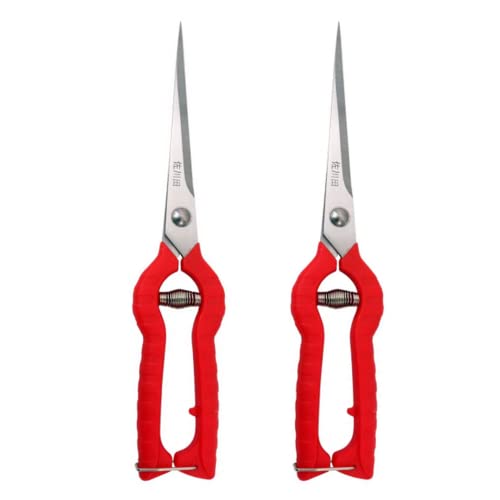
Total length : 245 mm blade length : 96 mm handle length : 122 mm closed handle width : 45 mm