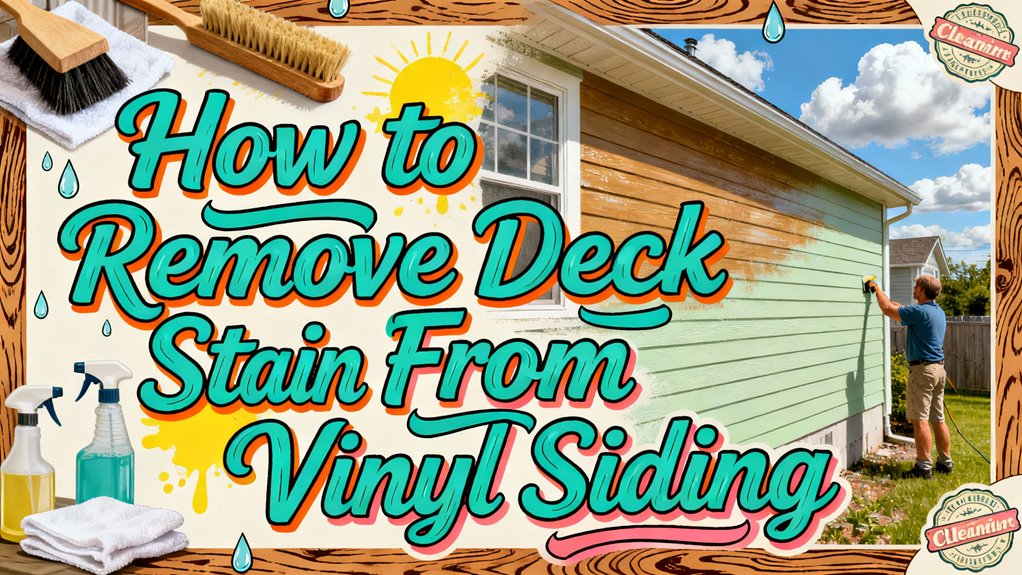
How to Remove Deck Stain From Vinyl Siding
You’ll remove deck stain from vinyl siding by acting fast on fresh stains with water and mild soap. For stubborn marks, try a vinegar-water solution or eco-friendly degreasers applied bottom-to-top. Magic erasers work well on acrylic stains when lightly moistened. Test any solution on hidden areas first to prevent damage. Aged stains often need professional cleaning to preserve your siding’s finish. The right approach depends on your stain’s age and type—details ahead.
Identify the Type and Age of Your Deck Stain
Before you’ll need to identify what type of stain you’re dealing with and how long it’s been sitting on your vinyl siding.
For stain identification, examine the stain’s appearance closely. Transparent stains leave subtle darkening without film buildup. Semi-transparent stains appear tinted and translucent. Semi-solid stains create an opaque colored layer, while solid stains form thick, paint-like coatings. Note whether the finish is glossy or matte, indicating film-forming resins.
Stain age considerably affects removal difficulty. Fresh stains under 24 hours old respond well to gentle cleaning solutions. Stains aged 1–7 days require stronger solvents or mechanical scrubbing. Older stains bond tightly to vinyl and prove more challenging. Sun exposure and weathering accelerate bonding, making removal progressively harder.
Test a small area with acetone or mild solvent to observe the stain’s reaction, confirming your identification before proceeding with full removal.
Assess Your Vinyl Siding Condition Before Cleaning
Evaluating your vinyl siding’s condition before attempting stain removal is critical—you’ll want to identify existing damage that cleaning solutions or mechanical action could exacerbate. Begin your siding inspection by examining seams, joints, and caulking for gaps or deterioration. Look for cracks, warping, or panel displacement that indicates compromised structural integrity. Check fasteners to ascertain panels remain securely attached.
During structural evaluation, assess whether sections need replacement rather than cleaning. Inspect nearby vegetation, gutters, and drainage systems that could trap moisture or debris. Like the importance of selecting quality hardwoods for outdoor furniture, choosing appropriate cleaning methods protects your vinyl investment from long-term damage. Consider using gentle laundry detergent or specialized cleaners that won’t strip or damage the vinyl surface. Test your chosen cleaning solution on an inconspicuous area first. Avoid pressure washing seams directly or using harsh chemicals that strip vinyl. Maintain proper distance and pressure settings throughout the process to prevent additional damage.
Immediately Remove Wet Deck Stain
Once you’ve identified the stain and confirmed your siding’s structural soundness, swift action becomes your best defense against permanent damage. You’ll want to rinse the affected area immediately with your garden hose, using an adjustable nozzle to control water pressure. This initial rinse prevents the stain from setting deeper into the vinyl surface.
Avoid scrubbing or applying harsh chemicals at this stage. Instead, let the water do the initial work. For stain prevention and ideal cleaning frequency, address fresh stains within hours of occurrence. Similar to how protective wood shields are used when removing deck boards to prevent damage to adjacent surfaces, you should protect surrounding areas when cleaning vinyl siding. If the stain persists after rinsing, prepare a mild cleaning solution using warm water and dish soap. Apply this gently with a soft-bristle brush, then rinse thoroughly. Working quickly maximizes your chances of complete removal before the stain becomes permanent.

7 ADJUSTABLE WATERING PATTERNS: Each carefully selected pattern has an unique purpose,and each spray pattern will meet all of your watering needs. To change patterns simply twist the nozzle.Turn the spray nozzle dial to choose appropriate pattern easily with a faucet on the handle.

Rugged metal construction provides years of heavy use
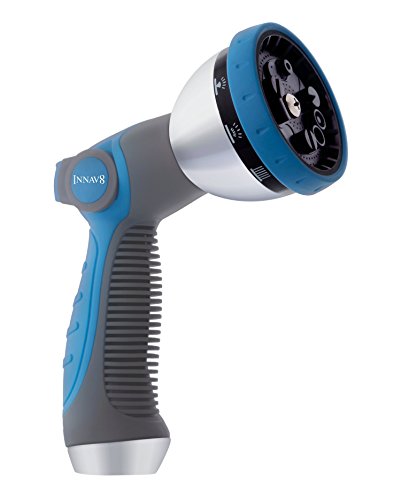
THUMB CONTROL DESIGN: This nozzle was designed to operate effortlessly simply by pushing the switch up with your thumb to turn it on and control the water flow. Stop overtaxing those fingers by squeezing trigger handles, this nozzle will have zero strain on your fingers and will prevent Arthritis pain.
Clean Fresh Stains With Mild Soap and Water
Prepare a cleaning solution by mixing warm water with mild dish soap in a bucket, then apply it to fresh deck stains with a soft cloth or sponge. Use gentle circular motions to lift the stain without scratching the vinyl surface. Keep the area moist by reapplying the solution as needed throughout the cleaning process.
These cleaning techniques work best on water-based stains caught within hours of occurrence. Rinse thoroughly with clean water from a garden hose set to low pressure to remove all soap residue.
Important safety precautions include testing the solution on an inconspicuous area first and avoiding abrasive tools like steel wool. Never use hot water, as it warps vinyl siding. Wear protective gloves to minimize skin contact with the cleaning solution.
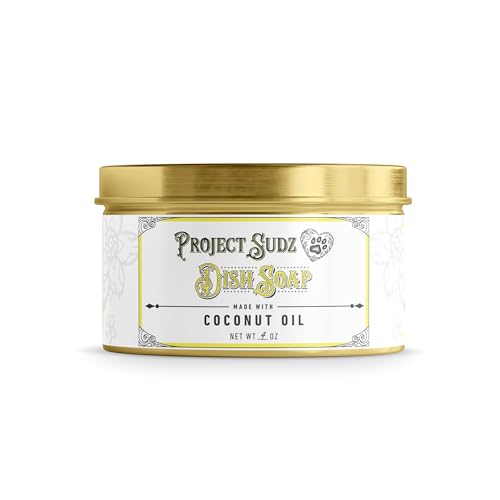
POWERFUL EVERYDAY DISH CLEANING – Concentrated solid dish soap helps lift food residue, grease and everyday grime from dishes, glassware, pots, pans and kitchen utensils

EASY TO USE: Simply attach to your outdoor water hose & turn on to clean & restore. Light scrubbing will really improve your results.

Apply Vinegar and Water for Light Stains
For light deck stains on vinyl siding, a vinegar and water solution offers an effective, non-abrasive cleaning method. Mix 30% white vinegar with 70% water, adjusting quantities based on your stained area’s size.
Apply the solution using a soft cloth or spray bottle, working from bottom to top to prevent streaking. Let it sit for 15 to 30 minutes—vinegar benefits include breaking down stain compounds without damaging vinyl surfaces.
For stubborn marks, soak a paper towel in vinegar and place it directly over the stain for several hours. Use a soft-bristle brush with light pressure, scrubbing along the siding grain.
Rinse thoroughly from top to bottom with clean water, removing all vinegar residue. These cleaning techniques guarantee streak-free results while protecting your siding’s integrity.
Use Specialized Eco-Friendly Degreasers
When vinegar and water don’t fully eliminate deck stain, eco-friendly degreasers provide a more powerful yet safer alternative. You’ll find biodegradable formulations like Simple Green OxySolve utilize peroxide technology to break down organic stains without bleach or harsh chemicals. These eco friendly alternatives activate upon water contact, releasing oxygen molecules that penetrate stained areas effectively.
Apply the concentrate at recommended ratios—typically 1-measure cleaner to 20-measures water. Wet your vinyl siding thoroughly and allow 5-10 minutes soak time for plant-based ingredients to work. You can use soft-bristle brushes safely with these formulations since they won’t damage your PVC material like aggressive scrubbing would.
For particularly stubborn stains, consider mixing borax with mild dish soap as an additional pre-treatment option before applying your eco-friendly degreaser. Biodegradable degreasers prevent environmental harm to landscaping and water systems while eliminating chemical residue accumulation. Their non-toxic composition reduces health risks for you and surrounding inhabitants during application.
Try Water-Based Paint Removers for Stubborn Stains
Water-based paint removers tackle stubborn deck stain that eco-friendly degreasers can’t fully eliminate, offering a safer alternative to harsh chemical strippers. You’ll benefit from non-toxic active ingredients like N-methylpyrrolidone that break down paint bonds without fume exposure.
Apply gel-formula products to vertical vinyl surfaces, allowing 30 minutes to 24 hours dwell time before gentle scraping. You’ll find water-based benefits particularly effective on latex and acrylic paints, though oil-based stains require extended application periods.
The environmental impact advantage proves significant—you’ll reduce groundwater contamination and atmospheric VOC emissions compared to traditional methylene chloride strippers. Disposal involves simple warm water rinsing, eliminating complicated cleanup procedures. Like outdoor wicker furniture maintenance, proper air circulation and drying prevents mold and mildew growth on treated surfaces.
Test inconspicuous areas first, ensuring vinyl compatibility and preventing discoloration or warping before full application. For outdoor surfaces requiring long-term protection after stain removal, consider applying polyurethane clear coats to maintain durability and weather resistance.
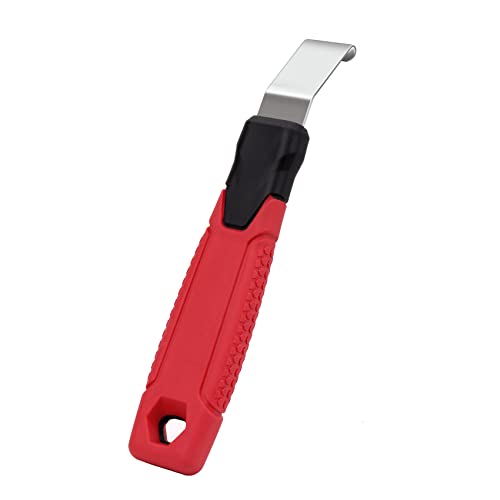
【Works Wonders 】The siding removal tool can get in the top and bottom edges of the vinyl siding pieces,the curved tip securely grips the lip of the vinyl siding, helping it to quickly be removed.Make housing repair work easier and safer.

SPRAY PAINT REMOVAL MADE EASY: Lift Off’s Spray Paint and Graffiti Remover features a patented, water-based formula that easily and safely removes spray paint, semi-gloss, high-gloss, acrylic, enamel paints, and more from both hard and soft surfaces.

SPRAY PAINT REMOVAL MADE EASY: Lift Off’s Spray Paint and Graffiti Remover features a patented, water-based formula that easily and safely removes spray paint, semi-gloss, high-gloss, acrylic, enamel paints, and more from both hard and soft surfaces.
Employ Magic Erasers and Natural Oils for Acrylic Stains
Because magic erasers excel at removing semi-transparent acrylic deck stains without harsh chemicals, they’re an ideal next step for vinyl siding restoration. Start by lightly moistening your magic eraser to prevent surface scratching. Apply eucalyptus oil benefits by spraying it directly onto stained areas first—this softens the stain and reduces adherence. Using gentle circular motions, work the eraser across the stain while avoiding heavy pressure that dulls the finish. Magic erasers techniques prove most effective when combined with this natural oil approach, offering superior results compared to vinegar or mild soap solutions.
Rinse thoroughly with water to remove loosened particles and oil residue. Test your method on a hidden area first to verify no adverse effects on your siding’s appearance.

5X CLEANING POWER VS SPRAYS* – Unlike some sprays, Magic Eraser can remove layers of built-up dirt and grime 5X faster.

5X CLEANING POWER VS SPRAYS* – Unlike some sprays, Magic Eraser can remove layers of built-up dirt and grime 5X faster.

5X CLEANING POWER VS SPRAYS* – Unlike some sprays, Magic Eraser can remove layers of built-up dirt and grime 5X faster.
Know When to Call Professional Cleaning Services
While DIY methods work well for fresh, light stains, there’s a practical limit to what household cleaning can accomplish. Recognizing limitations saves you time and money. After multiple applications of mild soap, vinyl-safe cleaners, and mineral spirits produce no results, you’ve reached that threshold. Professional intervention becomes cost-effective when you’ve invested significant effort without acceptable stain removal.
Understanding costs requires considering several factors. Aged stains that’ve cured and bonded to vinyl demand specialized solutions and expertise you likely lack. Pressure washer damage risks compound problems—excessive settings gouge and crack vinyl permanently. Professional cleaners possess equipment knowledge and chemical formulations designed specifically for set stains on vinyl surfaces. They apply techniques that preserve your siding’s finish while removing stubborn staining effectively, ultimately protecting your investment.