How to Apply Teak Oil to Outdoor Furniture: A Guide
You’ll start by cleaning your teak furniture thoroughly with mild soap and white spirit, then sand with 120-grit followed by 220-grit sandpaper. Apply teak oil using lint-free cloths in figure-eight patterns, working along the grain. Let it soak for 15–30 minutes, then wipe away excess oil completely. Allow 4–6 hours between coats and apply three total coats for best protection. Reapply every 6–12 months to maintain that rich finish and weatherproofing you’re after.
Preparing Your Teak Furniture for Oil Application
Before you apply teak oil, you’ll need to thoroughly prepare the wood’s surface to guarantee ideal absorption and a uniform finish. Start with proper cleaning techniques: wash your furniture with teak cleaner or mild soap to remove dirt and debris, then wipe with white spirit and allow complete drying.
Next, employ effective sanding methods to strip oxidation and weathering. Begin with 120-grit sandpaper to remove the faded layer, then progress to 220-grit for smoothing. Sand along the grain direction to maintain wood integrity. Remove any existing paint or varnish by sanding back to bare wood, and wipe with acetone to eliminate surface oils.
Finally, inspect for rot, damage, or biological growth that could compromise the finish. Allow all cleaning solutions to fully evaporate before proceeding. For weathered furniture with stubborn buildup, consider using 80 to 220 grit sandpapers in succession to effectively restore the wood’s natural appearance. Using gentle methods like soft-bristle brushes during cleaning will help prevent unnecessary damage to the wood surface.

Assortment Pack: This sanding sponge set includes 24 pieces with grits 80/120/180/240/320/400/500-600/800-1000/1200-1500/2000/2500/3000,each of 2, covering coarse material removal (80 grit) to ultra-fine polishing (3000 grit). Perfect for wood furniture refinishing, auto bodywork, and delicate surface prep—all in one convenient kit, each measuring 3.93 x 2.75 x 0.19 inches

Hand Sanding Block Set:This Sanding Block Set includes 16 sanding blocks in assorted shapes and 40pcs sandpaper sheets.The sanding block each 3.8 inches long, made from a soft, durable foam PU material. The sandpaper sheet have 8 different grits(60grit/80grit/120grit/18grit/240grit/320grit/600grit/400grit)and each grit 5pcs.The pad's hook & loop enable quick and secure sandpaper attachment and removal for optimal sanding disc life.

All in One Set: Package comes with 22 sheets of sandpaper from 120 to 20000 grits, 3 finger cots. You do not need to buy any other tools any more. Wear the finger cots to protect your fingers, and then use sandpaper for your polishing jobs.
Essential Tools and Materials You’ll Need
Once you’ve prepped your furniture’s surface, gathering the right tools and materials guarantees you’ll apply the oil efficiently and achieve professional results.
For application tools, you’ll want lint-free cloths or foam brushes for controlled spreading across large areas. Small artist brushes work well for joints and crevices. Regarding surface preparation, keep 150-grit sandpaper on hand for light sanding between coats, plus tack cloths for final dust removal.
You’ll need quality teak oil formulated from linseed oil, tung oil, and mineral spirits. Stock mineral spirits for tool cleaning and spill management. Protect yourself with nitrile gloves, protective eyewear, and a paper face mask. Verify your workspace is well-ventilated. Finally, lay down tarps to shield surrounding surfaces from potential stains or drips. Consider using low-VOC formulations to minimize environmental impact and improve safety in your outdoor workspace. Applying sealers or oils typically every six months will help preserve your furniture’s color and protect against weather damage.

Provides interior or exterior one-step protection for dense woods such as teak, rosewood and mahogany

ENHANCES THE BEAUTY OF THE WOOD: Teak Oil restores the beauty of grey, old and weathered teak furniture to give a golden-brown natural finish.

🌱 UNLEASH THE BEAUTY OF YOUR OUTDOOR WOOD WITH TEAK OIL: Our premium wood finish and sealer is specially formulated for outdoor furniture, providing waterproof protection and enhancing the natural color and structure of teak, mahogany, pine, beech, oak, and other wood types. Preserve and beautify your outdoor wood with confidence.
Step-by-Step Application Technique
Properly applying teak oil requires meticulous attention to surface preparation and technique to maximize penetration and achieve a uniform, protective finish. You’ll employ a lint-free cloth or foam brush for even application methods, working the oil into wood using a figure-eight pattern before finishing along grain direction. This approach enhances both penetration and uniformity across your furniture’s surface.
Pay particular attention to joints, end grains, undersides, and horizontal surfaces where water exposure is highest. Allow the oil to soak for 15–30 minutes, adjusting timing based on wood density to guarantee proper absorption techniques. Subsequently, you’ll wipe away excess oil thoroughly using a clean cloth, preventing sticky residue. To ensure optimal results, maintain a wet edge while working on small sections at a time, similar to professional staining techniques. This methodical process establishes the foundation for durable, aesthetically pleasing results on your outdoor teak furniture.

REUSABLE OR DISPOSABLE: Unlike many other foam brushes, our high quality materials can be cleaned and reused if desired.
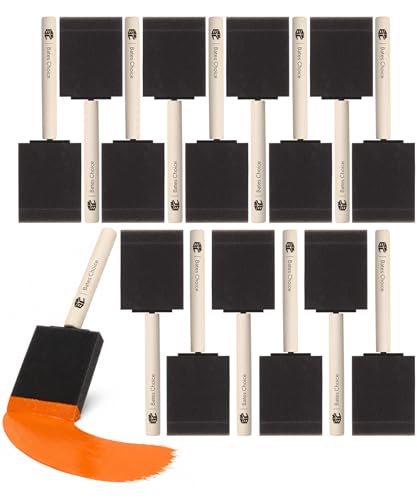
Bates foam brushes 16 pieces with 2 inch brush size

Package content: Includes 4 x foam sponge brushes in various sizes (1inch, 2inch, 3inch, 4inch) to tackle any project, from intricate detailing to large surface coverage.
Drying Time and Multiple Coats
After you’ve wiped away the excess oil, you’ll need to manage drying time strategically to build up protective layers on your furniture. You should allow four to six hours between successive coats, though some manufacturers recommend eight to twelve hours for ideal adhesion. Drying conditions—including temperature and humidity—significantly affect your timeline.
Between coat intervals, you’ll enhance adhesion by lightly scuff-sanding with a Scotch-Brite pad. For a three-coat application with six-hour intervals, you’ll complete the initial sealing in eighteen to twenty-four hours. If you extend coat intervals to eight hours, plan for minimum thirty-two hours total.
You’ll achieve better results by placing your furniture outdoors during drying. Monitor environmental conditions carefully, as they directly impact your project’s success and final protective quality.

Perforated for quick and easy tearing, reducing waste

LASTING PERFORMANCE: Ultra fine finishing action outperforms steel wool for cleaning, blending, prepping and finishing on metal, wood, plastics and composites

Includes one Scotch-Brite 7447 PRO pad (Very Fine grade, maroon) and one 7448 PRO pad (Ultra Fine grade, gray). Get two levels of abrasive power in one set for versatile cleaning, blending, and finishing tasks.
Maintaining Your Oiled Teak Between Applications
Because teak oil doesn’t create a plastic-like surface finish, you’ll need to actively preserve the wood’s condition during the intervals between applications. Implement consistent cleaning techniques using mild water and soft brushes to remove dirt without stripping natural oils. Address oily stains promptly with mild detergent to prevent buildup and discoloration. Establish an oiling frequency of every 6-12 months based on exposure levels, increasing applications for ground-contact areas. Between maintenance sessions, protect surfaces with coasters and felt pads, minimizing scratches and water damage. Store furniture indoors or cover it appropriately to reduce UV and moisture impact. Regularly inspect for surface dryness, graying, or discoloration indicating reapplication necessity. Monitor wood grain brightness and surface blooming to assess finish integrity.
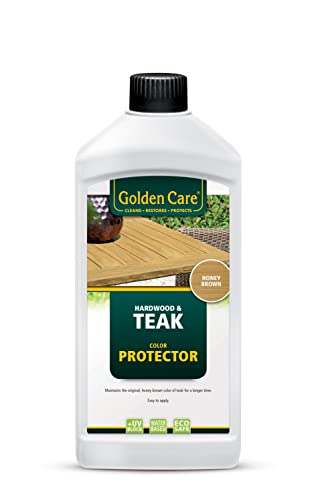
RESTORE AND PRESERVE THAT HONEY-BROWN COLOR — Honey Brown Protector is specially formulated to maintain the rich, natural color of teak, keeping your furniture looking as beautiful as the day you bought it.

DEEP PENETRATING PROTECTION: AquaTeak Premium Teak Oil is an ultra-refined penetrating oil that absorbs deep into wood grain, not just the surface, to form a powerful barrier against drying, weathering, and sun damage. This teak oil for indoor & outdoor furniture provides lasting protection that lasts 4 to 6 times longer than standard teak oils, keeping your furniture looking rich, healthy, and beautiful all season long.

ENHANCE YOUR TEAK: Our Premium Teak Oil is specifically formulated to seal, protect, rejuvenate and enhance the natural beauty of teak wood, ensuring your outdoor furniture maintains its stunning appearance. Enhances and protects teak and fine wood furniture, marine teak, decks and more!
Key Tips for Long-Lasting Results
To achieve long-lasting results with teak oil, you’ll need to master several interconnected techniques that work together—starting with thorough surface preparation and extending through careful application and post-treatment care. Follow these best practices: allow full curing of at least eight hours before exposing furniture to moisture, ensuring the oil bonds effectively with the wood. Schedule reapplication every six to twelve months based on exposure levels and wear patterns. Store your oiled teak with breathable, water-resistant covers during off-seasons to prevent moisture and dirt accumulation. These oil benefits—deep penetration, UV protection, and waterproofing—require consistent maintenance to preserve the golden-brown hue and protect against drying and cracking. While teak offers superior weather resistance compared to other woods, even teak requires regular sealing and refinishing to maintain optimal protection and appearance. Avoid using teak oils outdoors, as outdoor oil application can promote mildew and create uneven color on your furniture. Adhering to this disciplined approach maximizes protection and extends your furniture’s lifespan considerably.