Is Birch Wood a Good Choice for Outdoor Furniture?
You’ll find that birch wood isn’t ideal for outdoor furniture. It absorbs 15-20% more water than denser hardwoods, reaching problematic moisture levels above 14% in humid environments. Without annual sealing with marine-grade varnish, untreated birch deteriorates within 2-5 years due to rot fungi thriving in moisture-rich conditions. While birch offers aesthetic appeal and lower initial costs, naturally weather-resistant species like teak or cedar provide superior longevity with minimal maintenance. Understanding the specific factors affecting birch’s outdoor performance reveals why alternatives prove more economical long-term.
Moisture Vulnerability and Water Absorption
Because birch wood’s relatively high porosity allows it to absorb moisture more readily than many other hardwoods, it’s particularly vulnerable in outdoor furniture applications. You’ll find that untreated birch can absorb 15-20% more water by weight than denser hardwoods under similar conditions. The wood’s large pores create uneven moisture absorption, causing swelling and warping that compromises structural integrity.
Your moisture management strategy should prioritize edge sealing, as the wood’s edges absorb water markedly faster than its face. In humid environments, birch reaches equilibrium moisture content above 14%—considered high for dimensional stability. Unlike untreated wood which may only last 2-5 years outdoors, pressure-treated alternatives can extend outdoor furniture lifespan significantly with proper moisture protection. Understanding these absorption techniques helps you implement effective protective measures. Similar to how proper board spacing ensures deck stability and longevity, maintaining consistent moisture protection throughout your furniture prevents structural degradation. Without proper treatment, prolonged moisture exposure causes birch wood to lose stability, making it unsuitable for outdoor use without intervention.

Sun-protective PE Rattan: This patio loveseat with ottoman features high-quality sun-protective PE rattan that ensures long-lasting durability. Moreover, the hand-woven design adds an elegant touch.
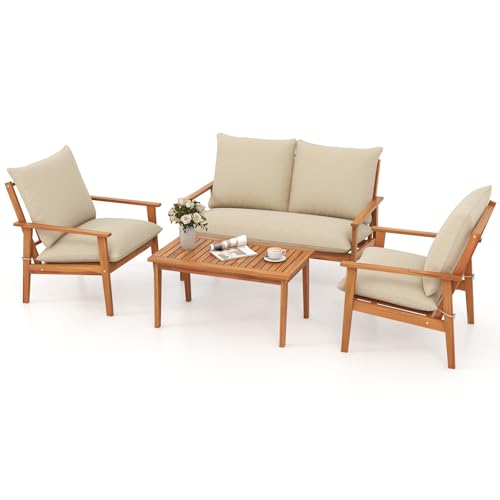
Premium Acacia Wood: Crafted from high-quality acacia wood, this patio furniture set not only ensures stable and reliable support but also boasts long-lasting durability. Its beautiful wood grain finish adds a touch of nature-inspired elegance to your outdoor space.

Premium Acacia Wood: Constructed from high-quality acacia wood, this bench is renowned for high stability and extended service life. Moreover, the wood frame is also splinter-free and natural for more elegance.
Rot and Decay Susceptibility in Outdoor Environments
When you expose birch wood to outdoor conditions, you’re introducing it to an environment where decay fungi thrive—and birch, unlike naturally resistant species such as teak or cedar, offers little biological defense. Rot fungi require three elements: moisture, oxygen, and a food source. Birch’s lack of natural decay inhibitors makes it exceptionally vulnerable. Environmental impact accelerates this process markedly. High humidity, frequent rainfall, and temperature fluctuations create ideal conditions for fungal colonization. UV radiation degrades surface fibers, weakening protective finishes. Birch’s end grain readily absorbs water, promoting rapid rot onset if left unsealed. Without treatment and maintenance, untreated birch outdoor furniture typically deteriorates within a few years, making it unsuitable for permanent outdoor applications.

Repels moisture as it enhances wood's natural beauty. Protect your outdoor furniture from mother nature and protect your investment.

LONG-LASTING PROTECTION - Outperforms teak oils and sealers under harsh tropical sun and salt conditions; a reliable choice for all your fine woods

MARINE-GRADE TEAK SEALER beautifies wood & repels water without making surfaces slippery; use this natural danish oil finish instead of teak oil to protect the teak on boat decks, trim, cockpit, swim platform, handrails, cabinetry, grab rails & more
Essential Maintenance Requirements for Longevity
Given birch’s vulnerability to decay fungi and environmental degradation, protecting your outdoor furniture requires an extensive maintenance strategy that addresses moisture infiltration, UV damage, and microbial colonization. You’ll need to implement two critical approaches: protective coatings and cleaning protocols. Apply high-quality outdoor sealers or low-VOC waterproofing treatments annually, reapplying whenever water droplets cease beading on surfaces. For optimal protection against both moisture and sun damage, consider using a marine-grade spar varnish or similar UV-protective topcoat in combination with a penetrating wood sealer. Establish regular cleaning protocols using mild soapy solutions and soft brushes to remove contaminants that degrade finishes. Promptly address mold or mildew with specialized cleaners, then rinse thoroughly and ascertain complete dryness before resealing. Position furniture under covered areas with proper ventilation to minimize moisture accumulation. During off-season periods, store cushions indoors and use breathable covers to protect the furniture while allowing moisture to escape. Conduct routine inspections for fungal growth or moisture damage, enabling early intervention and maximizing furniture lifespan.

Ideal for use on exterior wood surfaces above the water line, including trim, railings and wood furniture

PROTECTIVE CLEAR FINISH – Minwax Helmsman Spar Urethane is specially formulated as a protective varnish for wood for interior and exterior projects. It contains special UV blockers that reduce the sun’s graying and fading effects.
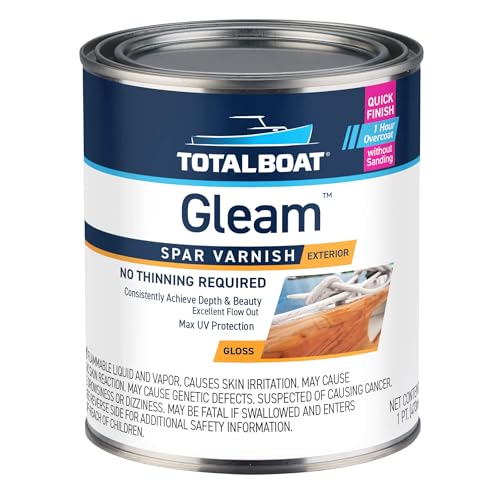
CLASSIC MARINE VARNISH contains premium tung oil, phenolic resins and UV blockers for a beautiful transparent amber finish on all types of interior and exterior wood on boats, strip canoes, kayaks, outdoor wooden bar tops, garage doors, furniture and more
Suitability Assessment for Outdoor Applications
While birch wood’s aesthetic appeal and workability make it attractive for furniture projects, its fundamental material properties render it poorly suited for outdoor applications without extensive intervention. You’ll encounter significant durability concerns when exposing untreated birch to moisture, UV radiation, and pests. The wood absorbs water readily, causing swelling, warping, and delamination—particularly in plywood edges. UV rays degrade both the material and its finish, while insects penetrate unprotected surfaces easily. Achieving acceptable outdoor longevity demands consistent sealing and treatment applications, creating substantial environmental impact through repeated chemical applications. Just as precise cutting techniques ensure a flawless fit in deck construction, careful attention to wood selection and preparation is essential for outdoor furniture durability. In contrast, cedar’s natural resistance to insects allows it to withstand outdoor exposure far more effectively than birch without requiring comparable intervention. Cedar lasts 10-15 years with proper care; teak persists 50+ years naturally. For outdoor furniture, you’re better served selecting inherently weather-resistant species rather than committing to birch’s demanding maintenance protocols.

Prevents further drying and fading of wood finishes due to sun exposure, temperature variations, and moisture both indoors and outdoors

Perfect for refinishing and protecting exterior wood such as picnic tables, chairs, swing sets and more

How Birch Compares to Other Outdoor Wood Options
Birch’s limitations as an outdoor material become starkly apparent when you compare it directly to species specifically adapted for exterior environments. While birch advantages include affordability and workability, competing woods substantially outperform it outdoors. Cedar, redwood, and teak all contain natural oils providing superior rot and decay resistance—qualities birch lacks. Oak surpasses birch in density and Janka hardness, reducing warping risks in humid conditions. Larch and Douglas fir demonstrate greater moisture resistance and splitting resistance. Teak’s exceptional durability allows it to last 30 to 75+ years with minimal maintenance, far exceeding birch’s performance timeline. Like mahogany, teak also benefits from a dense grain structure that provides superior protection against moisture penetration. Cost considerations favor birch initially, but you’ll invest more in maintenance and eventual replacement. Premium options like teak last decades untreated, whereas birch demands frequent upkeep. For genuine outdoor durability, you’re choosing between paying more upfront for superior woods or accepting birch’s short lifespan and ongoing maintenance expenses.

【Premium Acacia Wood Construction】Crafted from high-grade acacia wood, this set combines durability with exotic beauty. Naturally resistant to outdoor elements, acacia maintains its rich, sleek appearance without darkening over time. Its sturdy hardwood frame ensures long-lasting resilience against wear and tear, making it a timeless investment for your patio or garden.

ACACIA WOOD: Made with acacia wood that brings a sleek and exotic look to your space, this durable hardwood naturally withstands outdoor elements and will not darken over time. Acacia wood is perfect as a solid, heavy frame that resists wear and tear.

DURABLE WOOD:This bistro set is made of real Acacia wood with a natural finish. This chat set is solid, strong and durable.This table chair set is Crafted from solid, weather-resistant natural acacia wood for beauty and long-lasting durability.Acacia wood is strong and durable.No splinter, rust, crack, chip or peel.Chat Set Bistro Set Table Chair Set.
Physical Properties and Performance Characteristics
Understanding why birch underperforms outdoors requires examining its physical properties and performance characteristics in detail. You’ll find birch has moderate density at 650 kg/m³ and strength suitable for indoor furniture, but its Janka hardness of 1,260 lbf falls below teak and oak. The wood’s light grain appearance and fine, even texture make it aesthetically appealing, though susceptible to sunlight discoloration.
Dimensionally, birch performs reasonably indoors with a 0.38% volumetric shrinkage coefficient. However, you should know it expands and contracts more than maple with humidity changes—tangential shrinkage reaches 0.31% per 1% humidity fluctuation. This instability, combined with poor moisture resistance and vulnerability to rot without treatment, greatly compromises its outdoor viability. You’d need constant maintenance and protective coatings.