Is Acacia Wood Good for Outdoor Furniture? Pros & Cons
You’ll find acacia wood offers solid mid-range durability for outdoor furniture, scoring 1,100 on the Janka hardness scale with natural rot and pest resistance. Its moderate water resistance and attractive golden-brown hue make it aesthetically appealing, yet it demands frequent maintenance—monthly cleaning, seasonal oil treatments, and annual sealant application. While considerably cheaper than teak, acacia’s susceptibility to moisture warping and UV fading requires strategic placement. Understanding how acacia stacks against alternative materials will help you determine if it’s the right investment for your specific outdoor setting.
Durability and Hardness of Acacia Wood
When you’re selecting outdoor furniture, acacia wood‘s combination of density and natural resilience makes it a compelling choice. Acacia wood characteristics include exceptional hardness comparable to marble, scoring around 1,100 on the Janka hardness scale. You’ll find it naturally resistant to rot, decay, and insect damage thanks to its inherent oils.
However, acacia’s hardness falls below teak’s 2,330 rating, meaning you should expect moderate susceptibility to wear over extended periods. The acacia furniture lifespan extends considerably—often many years—when you maintain it properly through regular sealing and cleaning. You’ll notice visible wear without consistent maintenance, particularly in humid environments where trapped moisture can accelerate deterioration. Like other quality outdoor woods, acacia can be treated with protective oils or saturators to enhance its weather resistance and maintain its appearance. Despite requiring more frequent protection than teak, acacia’s structural integrity remains solid under normal outdoor conditions, making it a practical option for most climates.

DURABLE WOOD:This bistro set is made of real Acacia wood with a natural finish. This chat set is solid, strong and durable.This table chair set is Crafted from solid,...
Weather and Water Resistance Capabilities
While acacia wood’s structural hardness provides a solid foundation for outdoor furniture, its performance against moisture and environmental exposure depends heavily on how well you protect its surface. Acacia offers moderate water resistance and natural UV protection, yet it can’t match teak’s inherent durability. Rain exposure causes concern because excessive moisture leads to warping, swelling, or rot without proper barriers. You’ll find that acacia’s natural oils provide rot and fungal resistance, but continuous dampness still demands maintenance. High temperatures dry the wood and cause cracking if you neglect protective treatments. Applying sealants and regular resealing greatly enhance UV protection and weather resistance. Unlike polypropylene’s low-maintenance non-porous surface, acacia requires consistent upkeep to prevent water absorption and related deterioration. Strategic placement in shaded areas and covering furniture during heavy rain extends your acacia furniture’s lifespan considerably. For optimal preservation, store acacia furniture in a cool, dry place during off-season periods to prevent moisture accumulation and deterioration.

🌱 UNLEASH THE BEAUTY OF YOUR OUTDOOR WOOD WITH TEAK OIL: Our premium wood finish and sealer is specially formulated for outdoor furniture, providing waterproof protection and enhancing the natural color and structure of teak, mahogany, pine, beech, oak, and other wood types. Preserve and beautify your outdoor wood with confidence.

ENHANCES THE BEAUTY OF THE WOOD: Teak Oil restores the beauty of grey, old and weathered teak furniture to give a golden-brown natural finish.
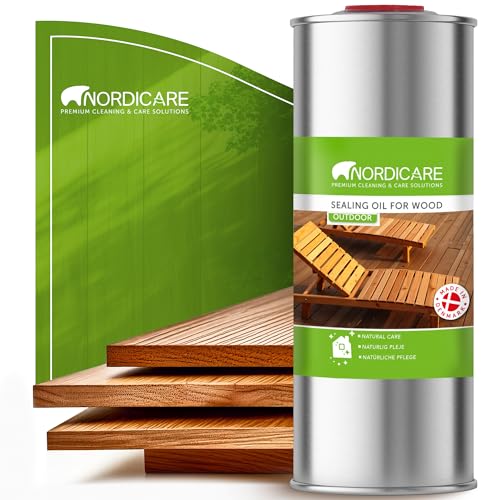
🌱 UNLEASH THE BEAUTY OF YOUR OUTDOOR WOOD WITH TEAK OIL: Our premium wood finish and sealer is specially formulated for outdoor furniture, providing waterproof protection and enhancing the natural color and structure of teak, mahogany, pine, beech, oak, and other wood types. Preserve and beautify your outdoor wood with confidence.
Natural Protection Against Insects and Pests
Because acacia wood contains natural oils that act as powerful insect repellents, it’ll provide you with built-in protection against termites and other wood-damaging pests. The dense grain structure combined with these oils creates a protective barrier that discourages wood-boring insects from infesting your furniture.
You’ll also benefit from acacia’s naturally antimicrobial properties, which resist fungal growth and microbial decay in humid outdoor environments. This pest resistance capability eliminates the need for extensive chemical treatments compared to softer wood varieties.
When you maintain your acacia furniture with regular sealing, you’ll reinforce its natural insect deterrent properties for centuries. The combination of proper kiln-drying and weather-resistant sealant guarantees ideal long-term protection, making acacia an optimal choice for areas prone to pest damage.
Maintenance Requirements and Care Schedule
To preserve acacia wood’s natural protective qualities and extend your furniture’s lifespan, you’ll need to establish a consistent maintenance routine that addresses cleaning, oiling, sealing, and regular inspections. Clean monthly using soft, damp cloths and mild dish soap with warm water—avoid abrasive materials and harsh chemicals containing silicone or ammonia. For oiling frequency, apply linseed or tung oil every few months to maintain moisture and prevent drying. Apply protective sealants annually before harsh weather seasons, supplemented by yearly waxing. Inspect furniture regularly for cracks, splits, and fading; address minor damages promptly through light sanding. Store cushions separately and cover furniture during extended periods to prevent moisture buildup and UV damage. Since acacia wood benefits from weather-resistant treatments, consider supplementing your maintenance with protective coatings designed to shield against environmental challenges. When covering furniture with tarps, ensure proper ventilation by leaving gaps or propping the tarp to prevent moisture accumulation underneath. These cleaning techniques and preventative measures guarantee long-term durability and appearance.

SUPERIOR BLEND OF LINSEED OIL & BEESWAX: Tried and True wood finish is a superior blend of linseed oil and beeswax. This time-tested combination of oil and wax provides a warm soft appearance and adds protection against water, liquids and daily use.

Old English Lemon Oil helps protect wood surfaces

Easy to Use - Tung oil is a natural oil recognized by craftsmen to offer the ultimate hand-rubbed finish for all fine woods; just wipe on and allow the oil to cure at room temperature
Cost Comparison With Other Hardwoods
When you’re evaluating outdoor furniture investments, acacia wood’s pricing structure positions it as a compelling mid-range hardwood option that balances affordability with durability. You’ll find acacia wood pricing ranges from $500–$1,500 per cubic meter, positioning it between budget-friendly softwoods like cedar and premium exotic hardwoods. In hardwood comparisons, acacia costs considerably less than teak—approximately $40 per board foot cheaper—while exceeding standard domestic options like maple and oak. You’ll pay $800–$2,500 for acacia patio sets versus $3,000–$10,000 for equivalent teak furniture. This pricing advantage reflects acacia’s rapid growth and abundant supply in Southeast Asia and Africa. While eucalyptus wood commands a higher price than acacia due to its greater hardness and durability, acacia remains the more budget-conscious choice for homeowners prioritizing cost-effectiveness. Unlike premium options like Ipe wood that can last up to 75 years with proper care, acacia offers a more affordable entry point into quality outdoor furniture. You’re fundamentally investing in a 15–20 year lifespan at a fraction of teak’s premium cost.

Wet-Area Ready, No Sealing Required: Pre-finished with cured linseed oil — a natural plant-based wood finish — these tiles install straight from the box — no sealant, no prep, no waiting. Raised base channels water underneath for patios, balconies, pool surrounds, and shower floors
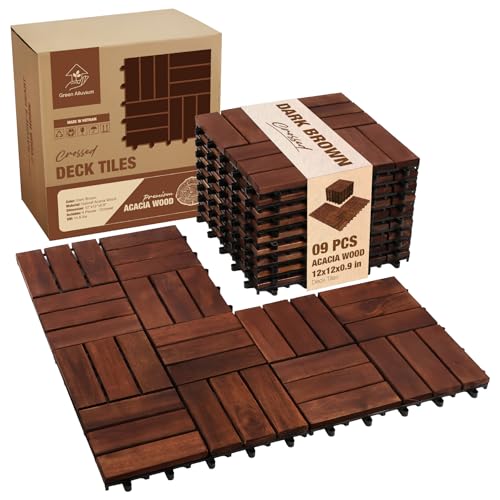
Wet-Area Ready, No Sealing Required: Pre-finished with cured linseed oil — a natural plant-based wood finish — these tiles install straight from the box — no sealant, no prep, no waiting. Raised base channels water underneath for patios, balconies, pool surrounds, and shower floors

Wet-Area Ready, No Sealing Required: Pre-finished with cured linseed oil — a natural plant-based wood finish — these tiles install straight from the box — no sealant, no prep, no waiting. Raised base channels water underneath for patios, balconies, pool surrounds, and shower floors
Long-Term Value and Investment Considerations
While acacia wood’s attractive pricing makes it an accessible entry point into quality outdoor furniture, your long-term investment return depends heavily on understanding how durability, maintenance demands, and resale value interact.
You’ll find that acacia’s 15-20 year lifespan is considerably shorter than teak’s 50+ years, directly impacting investment longevity. Your commitment to regular oiling and sealing every few months is essential—neglecting maintenance accelerates degradation and reduces overall worth. When evaluating resale opportunities, recognize that acacia furniture typically commands lower prices than comparable teak pieces due to higher maintenance requirements and shorter durability expectations. Well-maintained pieces retain reasonable value in budget-to-mid-range segments, but visible wear greatly diminishes marketability. Ultimately, acacia represents a solid investment only when you’re prepared for consistent upkeep.
Sustainability and Environmental Benefits
Because acacia trees mature in just 5–10 years compared to teak’s 25–50 year growth cycle, you’re investing in a rapidly renewable resource that considerably reduces pressure on old-growth forests. You’ll benefit from significant carbon benefits, as acacia plantations sequester 10–15 tons of carbon per hectare annually, directly supporting climate mitigation efforts. The reforestation impact proves substantial: acacia’s adaptability to degraded soils accelerates ecological restoration while providing economic incentives for local communities. You’re also choosing wood harvested from responsibly managed plantations rather than wild forests, with many suppliers holding FSC or SVLK certifications ensuring traceability. Minimal chemical inputs and extensive root systems reduce erosion and environmental disruption. Your acacia furniture purchase actively supports sustainable forestry practices that restore biodiversity and combat deforestation.
Pros of Choosing Acacia for Outdoor Furniture
After understanding acacia’s impressive sustainability credentials, you’ll reveal that choosing this hardwood for outdoor furniture delivers substantial practical advantages. Acacia’s dense structure withstands heavy wear and frequent use, resisting scratches better than softer woods while maintaining structural integrity for decades. Its natural oils provide moderate moisture resistance, preventing warping and cracking in varied climates without constant maintenance.
You’ll appreciate acacia’s aesthetic appeal and design versatility—its rich brown and golden hues complement diverse outdoor styles. The wood develops an attractive silver-gray patina when left untreated, aging gracefully without refinishing demands.
Pest and rot resistance inherent to acacia eliminates the need for chemical treatments. Low-maintenance requirements mean occasional cleaning and mineral oil application sustain both durability and appearance, making acacia ideal for busy households prioritizing longevity and minimal upkeep. While acacia offers solid durability, materials like resin provide UV stabilization and water resistance that require even less maintenance and can last for decades with minimal care.

- Natural Wood - Outdoor dining set is made of whole solid Acacia wood, which provides better load bearing and appearance than traditional synthetic wood. Beside, the surface has been lightly polished to make it feel smoother.

【Premium Acacia Wood】Crafted from high-quality acacia wood, our outdoor conversation set boasts a sleek, exotic appearance, enhancing your outdoor space. This durable hardwood naturally withstands the elements, ensuring longevity without darkening. For any issues, visit Merax.com or email csr@merax.com.

【Acacia Wood 4 Pieces Conversation Sets】Experience the unparalleled durability and exotic beauty of our 4 piece outdoor furniture set, expertly crafted from high-grade acacia wood. This resilient material is naturally resistant to outdoor elements, ensuring that your furniture remains stunning and robust without darkening over time
Cons of Acacia Wood Outdoor Furniture
Despite acacia’s durability advantages, the wood does have notable limitations that can undermine its outdoor performance. You’ll face significant maintenance demands that exceed teak’s requirements. Acacia’s susceptibility to moisture causes warping, swelling, and rot without proper sealing. Direct sunlight fades the wood and creates cracks, while temperature fluctuations compromise structural integrity. You must make seasonal adjustments, rotating furniture and applying protective oils frequently to prevent deterioration. The wood’s lower Janka hardness score of 1,100—compared to teak’s 2,330—means accelerated wear in harsh conditions. Acacia aesthetics degrade quickly through discoloration and grain irregularities. Additionally, its density makes repairs difficult and costly. You’ll need expert craftsmanship during construction and finishing. For outdoor countertops or high-traffic areas, acacia proves impractical due to these inherent vulnerabilities.