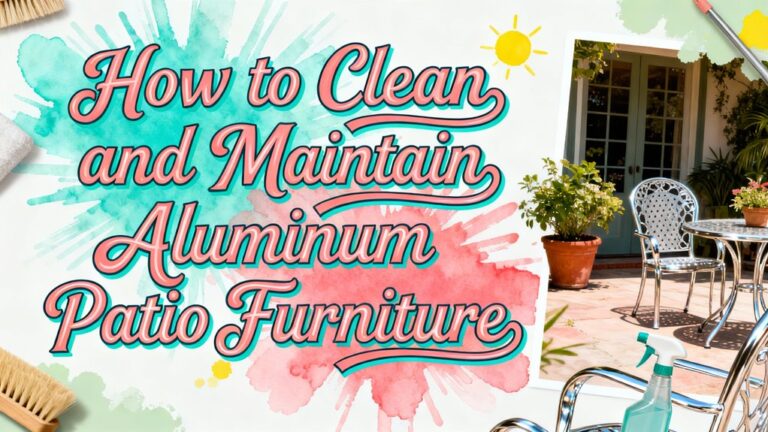
How to Clean Pollen Off Outdoor Furniture Effectively
You’ll start with gentle physical methods like soft-bristled brushing and controlled water pressure spray to avoid airborne pollen. Apply mild dish soap with warm water or a vinegar solution using a soft cloth for stubborn deposits. For pressure washing, stay below 1,500 PSI and keep the nozzle moving. Wear an allergen-rated mask during cleaning, and always dry furniture completely before covering. Uncover how specific materials and seasonal strategies further enhance your cleaning effectiveness.
Methods for Removing Pollen From Outdoor Furniture
When you’re dealing with fresh pollen accumulation on outdoor furniture, you’ll want to start with gentle physical methods that prevent particles from becoming airborne and resettling elsewhere. Use a garden hose to spray pollen off surfaces with controlled water pressure. Shake cushions and pillows outdoors to dislodge loose pollen dust before washing. Apply a soft-bristled brush to fabric and delicate surfaces, avoiding dry sweeping that disperses particles.
For deeper pollen removal, employ pressure washing at ≤1,500 PSI on patio furniture and decks. Never sweep dry pollen on hard surfaces; instead, use wet methods exclusively. Machine wash removable cushion covers for thorough cleaning. These outdoor care techniques address both surface and embedded pollen effectively, ensuring thorough results without damaging your furniture.

MULTIFUNCTIONAL CLEANING BRUSH: High-quality soft household cleaning brush bristles can easily clean dirty parts of clothes, such as collars and cuffs without damaging the fabrics, and can also be used to clean stains on tiles and countertops, making home cleaning easy.

The hand broom cleaning brush is made of dense and thick soft bristles. The bristles are not easy to fall off, not easy to deform, durable and soft in texture.
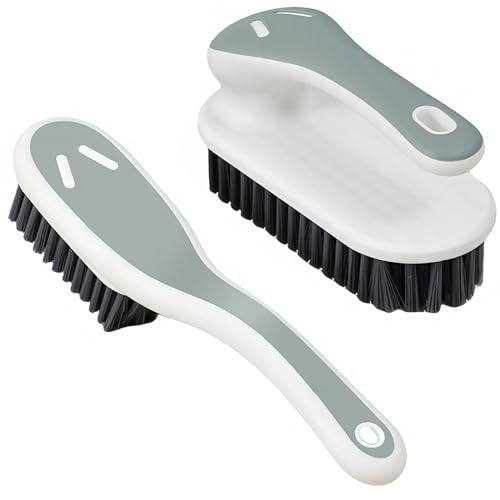
MULTIFUNCTIONAL CLEANING BRUSH: High-quality soft household cleaning brush bristles can easily clean dirty parts of clothes, such as collars and cuffs without damaging the fabrics, and can also be used to clean stains on tiles and countertops, making home cleaning easy.
Cleaning Solutions and Techniques
Once you’ve removed the loose pollen through physical methods, you’ll need to apply targeted cleaning solutions and techniques that address stubborn deposits and prevent damage to your furniture’s material.
Homemade solutions prove highly effective for most surfaces. Mix warm water with mild dish soap, or combine white vinegar and water for a gentler approach. You can also use a 1:1 rubbing alcohol and water solution for stubborn deposits.
For pressure washing, keep PSI below 1,500 and maintain constant nozzle movement to prevent surface damage. Alternatively, use a garden hose with a pressurizing nozzle attachment for delicate materials like composite decking or cushions. For metal components like balusters, use wiping techniques to remove cleaning solution immediately to prevent corrosion and maintain clean metal finishes.
Apply your chosen solution with a soft cloth or sponge, using gentle scrubbing motions. This prevents material degradation while effectively lifting pollen residue without causing corrosion or discoloration. After cleaning, ensure your furniture is completely dry before covering it with a waterproof tarp to prevent moisture buildup and mold formation.
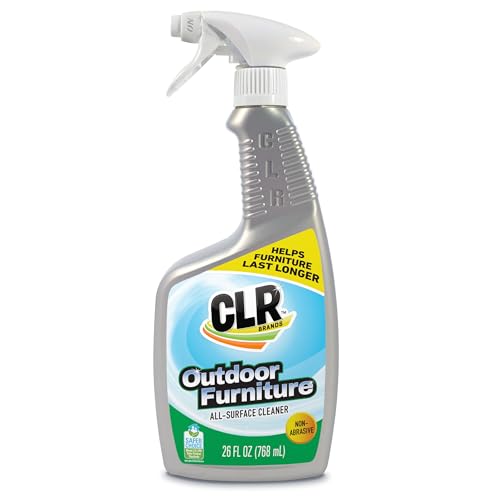
HUNDREDS OF USES: Tackle the whole yard with this powerful outdoor furniture cleaner. Formulated for use on patio, lawn and deck furniture, it is an effective and versatile product for outdoor furniture - from upholstery to plastic play sets.

POWERFUL CLEANING ACTION: Formula that loosens and dissolves greasy, grimy messes on contact ensuring easy removal with minimal effort
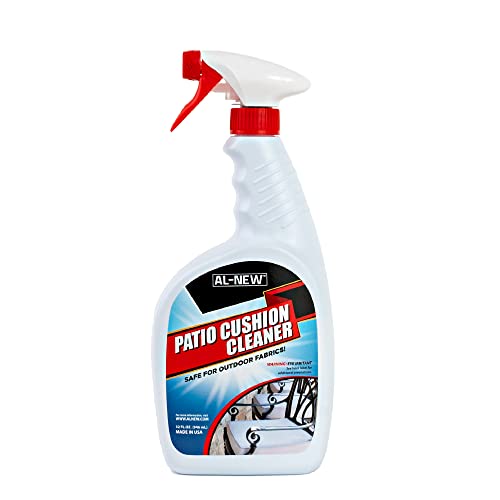
Best Way to Clean Outdoor Patio Cushions, Fabric Cushions, Patio Furniture Covers, Sunshades & Sail Cloth, Fabric Awnings, Umbrellas & More!
Preventive Measures and Furniture Protection
While cleaning solutions effectively address existing pollen accumulation, you’ll find that prevention strategies ultimately prove more efficient and cost-effective for maintaining your outdoor furniture. Selecting pollen resistant materials like metal, plastic, and HDPE markedly reduces pollen retention. These non-porous, smooth-surfaced options won’t trap particles the way fabrics or wicker do.
Protective covers represent your second line of defense. Choose snug-fitting, water-resistant covers that prevent pollen from entering underneath. High-quality covers treated with anti-pollen coatings offer enhanced protection and require regular cleaning themselves. Protective covers also shield your furniture against UV rays, dirt, and other environmental contaminants year-round. When removing paint or debris buildup from metal furniture, consider using fine-grade steel wool or mechanical tools to avoid damaging the protective coating.
Strategic placement also matters greatly. Position your furniture away from trees and shrubs, avoiding wind paths that carry pollen. Sheltered locations like covered patios minimize exposure significantly.
Combine these preventive approaches with your regular maintenance schedule to dramatically reduce cleaning frequency and extend your furniture’s lifespan.

TRIPLE WATERPROOF PROTECTION: Vailge outdoor sofa cover is built with heavy-duty 600D Oxford fabric with a water-resistant coating and taped interior seams. Prevents water leakage through stitching during heavy rain, protecting your patio sofa from moisture.
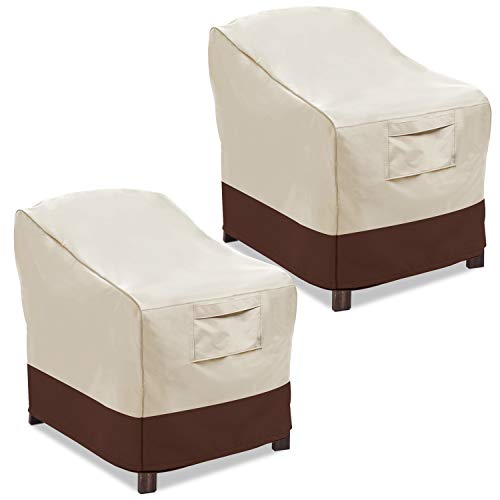
TRIPLE WATERPROOF PROTECTION: Vailge outdoor chair covers waterproof are built with heavy-duty 600D Oxford fabric with a water-resistant coating and taped interior seams. Prevents water leakage through stitching during heavy rain, protecting your patio chair from moisture.

PATIO CHAIR COVER: Our durable cover fits most standard stackable patio chairs, high-back chairs, and bar stools up to 27" L x 27" W x 49" H. It does not entirely cover the chair's legs or wheels.
Handling Specific Materials and Stains
Your furniture’s material composition directly determines which cleaning method‘ll work best and how aggressively you can treat surfaces without causing damage. Wood and aluminum require rubbing alcohol mixed 1:1 with water, while HDPE lumber responds well to equal parts white vinegar and water. Hard surfaces like metal and plastic need garden hose rinsing followed by soapy water scrubbing. Cushion fabrics benefit from vacuuming first, then machine washing or hand scrubbing with mild detergent. Fabric umbrellas and sunshades require vacuuming, warm soapy water washing, and complete air drying. For wood furniture, applying an outdoor sealant after cleaning provides additional protection against pollen accumulation and environmental damage. Perform seasonal maintenance such as reapplying protective sealants to keep your furniture resilient against ongoing pollen exposure and weather damage. Consider applying pollen resistant finishes and fabric treatments to vulnerable pieces. Enzyme cleaners break down stubborn pollen particles on delicate materials, offering targeted stain removal without abrasive scrubbing.

Quickly removes stains caused by mold and mildew on contact without heavy scrubbing; EASY TO USE - spray, wait until the stain disappears, then rinse

INDUSTRY'S MOST POWERFUL OIL STAIN LIFTING FORMULA: Chomp! Pull It Out uses a deep penetrating formula to lift stains from porous flooring surfaces like concrete and brick. It is effective on oil or petroleum-based stains (transmission fluid, brake fluid, etc. ) commonly found on concrete and paver driveways, garage floors, parking lots, and drive-through lanes.

POWERFUL CONCENTRATED FORMULA: Effectively removes mold, mildew, algae, leaf stains, bird droppings, tree sap, grease, oil, and some food or drink stains from awnings, tents, boat covers, cushions, carpets, vinyl, plastic, and fiberglass without damaging fabrics or colors.
Tools and Equipment for Effective Cleaning
Having the right tools makes pollen removal considerably easier and more efficient. You’ll want to invest in multiple vacuum types depending on your needs: standard outdoor vacuums with HVAC filters, shop vacs for heavy-duty work, and handheld models for spot cleaning. HEPA filters minimize pollen redistribution into the air.
Regarding brush materials, soft bristles protect delicate surfaces while effectively removing pollen, whereas stiff, dense bristles handle bulk removal on hard surfaces like decks. You should also gather microfiber mops, squeegees, and spray bottles for extensive cleaning.
For water application, garden hoses with adjustable sprayers provide controlled pressure. Soft cloths and sponges apply solutions precisely, while clean towels manage drying. Waterproof tarps protect surfaces during the cleaning and drying process, ensuring thorough, efficient pollen elimination. When dealing with stubborn pollen buildup, consider pre-treating affected areas with a diluted vinegar solution to break down embedded particles before applying water pressure.

💪【Perfect Compatibility】These stick vacuum cleaner replacement filters are compatible with VICEASE TY-A27O-03/TY-A27P-01, SUXIANGVAC USA27G/ A27G/A27P, VOKENE A27/A27B, OIRFND A27/A27V/A27U, TITIPOY A27R/A27D etc.

Replacement filter (4 pack) for the Amazon Basics 2-in-1 Corded Stick Vacuum Cleaner

【DURABLE FILTER】Made of ABS and non-woven fabric, these filters effectively capture 99.97% of particles as small as 0.3 microns, such as dust, dirt, sawdust, pollen, wood chips, fine powder. Pleated design increases capture area. making your breathing environment cleaner
Health and Safety Considerations
Beyond selecting appropriate cleaning equipment, you’ll need to understand the health implications of pollen exposure and implement protective measures during furniture maintenance. Pollen allergies trigger sneezing, runny nose, and itchy eyes, while individuals with asthma face potential attacks. For respiratory safety, wear an allergen-rated mask or respirator during cleaning. Avoid sweeping dry pollen, which becomes airborne and increases inhalation risk. Instead, use a garden hose or pressure washer to rinse surfaces effectively. Wear gloves to prevent skin contact with pollen and contaminated materials. Clean during low pollen times, such as early morning or after rain, to minimize exposure. Finally, wash your hands and change clothes afterward to prevent tracking pollen indoors, where it compromises air quality and worsens symptoms.
Best Practices for Seasonal Pollen Management
Three primary strategies—timing protection around peak pollen seasons, implementing protective covers, and establishing routine cleaning schedules—form the foundation of effective seasonal pollen management. You’ll want to monitor local pollen forecasts starting in February through late May to anticipate peak exposure periods. Deploy high-quality covers on furniture when it’s not actively in use, greatly reducing pollen settlement. For those with pollen allergies, this preventative approach minimizes outdoor cleaning demands and allergen exposure during maintenance.
Weekly outdoor cleaning prevents accumulation buildup. Use soft-bristled brushes combined with mild dish soap or white vinegar solutions for effective removal without material damage. Metal and synthetic resin furniture simplifies maintenance due to their non-porous surfaces. For stubborn buildup on outdoor surfaces, consider using specialized furniture cleaners designed to handle tough residue without damaging your furniture materials. Consider selecting solution-dyed acrylic or other pre-treated waterproof fabrics that naturally resist pollen accumulation better than untreated materials. By combining these practices, you’ll maintain cleaner furniture while considerably reducing the allergen burden throughout pollen season.
Maintaining Your Outdoor Furniture Year-Round
While seasonal pollen management provides immediate relief during high-allergen months, you’ll find that year-round maintenance practices protect your outdoor furniture’s longevity and performance across all conditions. Establish a consistent cleaning routine using mild soap and water monthly to prevent pollen accumulation and stubborn stains. For removable cushion covers, consider machine washing with gentle detergent to maintain their cleanliness and extend their durability. Implement material-specific care: apply protective sealants to wooden pieces, inspect metal furniture for rust, and vacuum wicker crevices regularly. Store cushions in dry, ventilated containers during off-season periods, and use breathable covers when furniture isn’t in use. For umbrellas and gazebos, consider folding umbrellas when unused and removing gazebo roofs during severe weather to preserve these structures. Rotate your furniture placement to guarantee even wear exposure. Regular inspections catch early damage, preventing costly repairs. These systematic approaches to outdoor maintenance extend furniture lifespan considerably while maintaining aesthetic appeal and structural integrity.