Can You Build a Pergola With Untreated Wood?
You can build a pergola with untreated wood, but you’ll face significant maintenance demands. Untreated wood deteriorates within 5-10 years without protection due to moisture, UV exposure, and pest damage. You’ll need biannual deep cleaning, quarterly inspections, and sealant applications every 12-18 months to extend lifespan. While initial costs are lower, maintenance expenses often exceed treated lumber within a decade. Selecting durable species like cedar or Douglas fir helps, though structural viability ultimately depends on your climate and commitment to upkeep.
Lifespan Expectations by Wood Type
When you’re choosing wood for a pergola, understanding how different species perform over time is essential to making an informed decision. Western Red Cedar and Douglas Fir both offer 25-50 year lifespans with proper maintenance, though cedar excels in humid environments while Douglas Fir suits heavy-snow regions. Redwood provides 15-20 years of durability, positioning itself between mid-range and premium options. Pressure-Treated Pine, however, lasts only 10-15 years despite lower initial costs, ultimately requiring more frequent interventions. Untreated wood delivers the poorest wood longevity—merely 5-10 years without protection. Your wood preservation strategy directly impacts lifespan. Applying breathable penetrating oil every 2-3 years substantially extends durability. Neglecting maintenance accelerates deterioration regardless of wood type, making treatment schedules critical to maximizing your pergola’s functional lifespan.
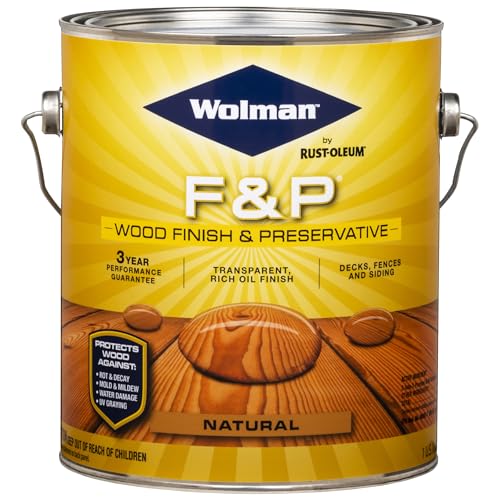
Brush or spray on all outdoor wood including wood decks, fencing, siding and cedar siding

Easy to Use - Tung oil is a natural oil recognized by craftsmen to offer the ultimate hand-rubbed finish for all fine woods; just wipe on and allow the oil to cure at room temperature
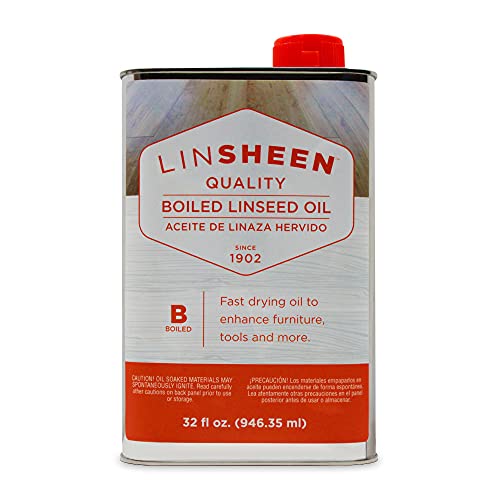
CLEAR WOOD FINISH - Boiled Linseed wood refinishing oil absorbs into the wood's grain, enhancing the natural color and the texture of the grain
Environmental Factors Affecting Durability
Because untreated wood lacks protective barriers, it’s vulnerable to multiple environmental forces that compromise its structural integrity. You’ll face significant moisture impact as rain and humidity cause swelling, warping, and rot that weakens load-bearing capacity. UV exposure breaks down cellular structures, causing fading, cracking, and brittleness that accelerates deterioration, particularly in hot climates. Temperature fluctuations create expansion-contraction cycles that stress joints and connections, leading to splitting and loosening over time. Untreated wood’s high moisture absorption makes it particularly susceptible to deterioration when exposed to constant outdoor moisture and humidity.
Pest protection becomes critical, as untreated wood invites termites and wood-boring insects that tunnel through materials undetected until substantial damage occurs. Weather extremes—heavy rain, strong winds, and snow loads—stress untreated components beyond their capacity, causing warping, cracking, and potential failure. Your pergola’s durability heavily depends on regional climate conditions and environmental exposure patterns.
Maintenance Requirements and Costs
Since untreated wood demands vigilant upkeep to counteract environmental degradation, you’ll need to establish an extensive maintenance schedule that addresses cleaning, sealing, inspection, and pest prevention. Your maintenance frequency should include annual inspections for rot and insect damage, biannual deep cleaning, and quarterly debris removal. You must apply sealant or stain every 1–2 years to protect against moisture and UV damage. When cleaning your pergola, avoid pressure washers as they can damage the wood fibers, and instead use mild detergent and soft brushes to gently remove dirt and debris. For best results, air-dry thoroughly after cleaning to prevent moisture retention and wood degradation. The cost implications are substantial: neglecting regular maintenance escalates expenses considerably, potentially necessitating complete restoration or replacement. Conversely, consistent cleaning and sealing every 1–2 years prevents costly repairs. You should budget for professional inspections when severe damage emerges. Ultimately, investing in proactive maintenance schedules minimizes long-term financial burden and extends your pergola’s structural integrity remarkably.

CLEAR WATERPROOFING WOOD SEALER: Olympic WaterGuard clear sealer waterproofs and protects exterior wood and masonry without changing the surface's natural look.

MARINE SEALANT: Our liquid formula creates a UV-stable coating for protection against the elements, saltwater spray, and water damage. Marine is a protector for outdoor furniture, thermally modified wood, and boat docks. Marine is safe for use over open water and is non-hazardous to aquatic life. ** This product is NOT intended for hardwoods such as ipe, mahogany and teak. NOT intended for wood submerged under water or on wooden boats **
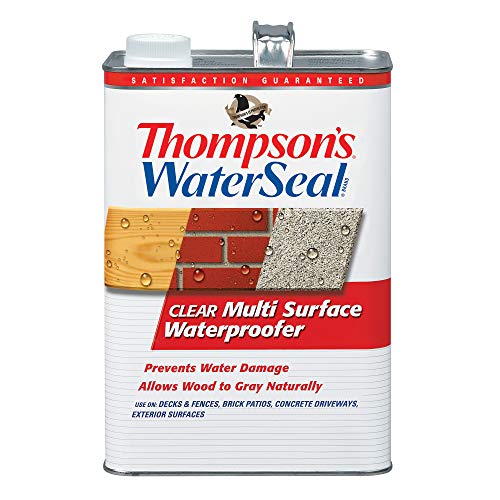
WATERPROOFING STAIN – Bring out the beauty of your outdoors with Thompson’s WaterSeal Clear Multi-Purpose Waterproof Stain. Proven to waterproof concrete, brick, exterior wood and other exterior surfaces.
Installation and Protection Strategies
Proper installation serves as the foundation for your untreated wood pergola‘s longevity and structural integrity. You’ll want to employ installation methods that prioritize drainage and stability, such as setting posts in concrete footings below the frost line with a 4-inch gravel base. For existing structures, bolt-down brackets with stainless steel hardware provide reliable anchoring techniques.
When using post brackets on concrete, drill ½” masonry holes and insert anchor bolts with washers and nuts, allowing posts to sit flat. Secure posts with 2½” stainless steel screws—typically 12 per post. When fastening wood components, consider techniques that allow for future adjustments or maintenance, similar to removing fastened boards if repairs become necessary.
Before assembly, apply water-repellent preservatives to cut ends and joints. Use flashing where wood meets masonry, and guarantee all hardware resists corrosion. Position beams to maximize air circulation, minimizing moisture retention and rot risk. For any stains that develop on nearby vinyl siding during construction, prompt and effective cleaning methods should be employed to preserve the appearance of your home’s exterior.

CHECK THE SIZE BEFORE PURCHASING – This 4x4 post base fits wood post dimensions including 3.6" x 3.6", 3.6" x 3.7", 3.6" x 3.8", 3.6" x 3.9", and 3.6" x 4". This 4x4 post base hides screws inside the post for a clean look. It eliminates exposed hardware that looks messy or snags on things, giving you a sturdy, straight installation that fits neatly into corners and tight spaces.

Sturdy Support: Each individual product measures 5.9x5.6x6.3 in/149x143x160 mm, with a quantity of 10 pieces. The inner dimensions of the column base are 5.5''x5.9''. Designed for use with 6x6 inch columns available in the market, these connectors provide secure and stable support without wobbling.
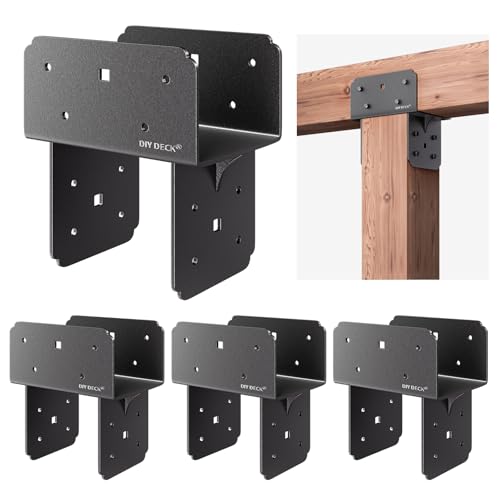
HIGH-QUALITY MATERIALS: Our heavy duty Post to beam bracket is made of stainless steel with a black powder coating, offering excellent rust and corrosion resistance, as well as durability. It supports your outdoor structures.
Structural Viability and Wood Selection
While solid installation methods protect your pergola’s foundation, the wood species you select and its structural capacity will ultimately determine how well your structure withstands environmental pressures. Cedar and redwood possess superior wood properties—natural oils provide inherent decay resistance—compared to pressure-treated pine, which warps considerably as it dries. You’ll need to evaluate each species’ ability to maintain joint stability under temperature and moisture fluctuations. Like cypress, cedar naturally resists decay through natural oils and resin content, making it an excellent choice for outdoor structures exposed to the elements.
Your choice directly impacts longevity. Premium Douglas Fir or Western Red Cedar can last 25-50 years with proper care, whereas pressure-treated pine typically fails within 10-15 years. However, cedar requires regular maintenance including sealing and staining every 1-2 years to prevent color fading and preserve its natural resistance properties. Untreated wood experiences compromised structural integrity when rot, termites, or weathering create soft spots and loose joints. Select species offering adequate wood properties, apply protective treatments immediately, and monitor joints regularly to guarantee safety and durability throughout your pergola’s lifespan.

PENETRATING OIL-BASED WOOD STAIN – Advanced conditioning oils penetrate deep into wood fibers while drying oils lock in protection, helping prevent cracking, peeling, and premature wood deterioration.
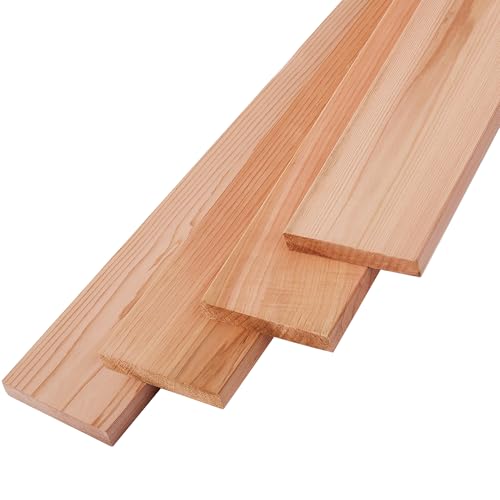
【PREMIUM CLEAR GRADE — VIRTUALLY KNOT-FREE】 Hand-selected for the most demanding projects. Our Western Red Cedar is true "Clear Grade" — virtually 100% free of knots, splits, and surface blemishes — delivering the clean, straight-grain aesthetic that defines high-end outdoor craftsmanship. Western Red Cedar has been North America's premier outdoor building material for over 100 years, specified by architects for premium decks, saunas, and coastal installations. This is the grade your local hardware store simply doesn't stock.

𝟏𝟎𝟎% 𝐍𝐚𝐭𝐮𝐫𝐚𝐥 𝐂𝐞𝐝𝐚𝐫 𝐖𝐨𝐨𝐝 𝐂𝐨𝐧𝐬𝐭𝐫𝐮𝐜𝐭𝐢𝐨𝐧: Crafted from premium cedar wood, this pergola delivers exceptional strength and natural resistance to decay, rot, and insect damage. Cedar's natural oils protect against moisture and weathering, ensuring lasting beauty with minimal maintenance. The rich wood grain and warm tones add timeless character to any patio, garden, or deck.
Comparison to Alternative Materials
When you’re deciding between untreated wood and other pergola materials, you’re fundamentally weighing initial affordability against long-term durability and maintenance demands. Untreated wood costs substantially less upfront but deteriorates rapidly without chemical protection against rot, decay, and insect damage. Pressure-treated alternatives extend lifespan considerably through protective treatments, though they demand periodic restaining. Metal pergolas—galvanized steel or aluminum—provide superior weather resistance and remain maintenance-free, eliminating recurring expenses. Cast aluminum in particular offers rust resistance that allows it to endure exposure to rain, humidity, and coastal environments without deteriorating. While cedar offers natural insect repellent properties superior to untreated softwoods, it still requires more protection than metal options. Over 10-20 years, total cost of ownership favors metal despite higher initial investment. However, untreated wood remains carbon-negative and renewable, making it environmentally advantageous if you accept accelerated deterioration and frequent maintenance. Before selecting your material, verify that your chosen pergola design meets structural requirements established by your local building department to ensure long-term safety and stability.

Superior Quality Materials: This 4x4 pergola brackets feature a 90° right angle gusset plate design and weather-proof performance and a stable frame,so you do not have to worry about the attack and damage to storms and wind.

Diameter: 5/16" | Length: 1-1/4" | Head diameter: 0.703" | Nut diameter: 5/16"-18 | Nut wrench size: 1/2" | Washer outside diameter: 7/8"

Engineered for USA Climates – ORIGLE 4x4 post brackets feature heavy-duty, corrosion-resistant steel with a premium black powder coating, ideal for pergolas, deer stand brackets 4x4, and gazebo kits in high-wind or heavy snow regions.
Best Practices for Untreated Wood Pergolas
Despite untreated wood’s environmental advantages and lower initial cost, you’ll need to implement rigorous protective strategies to achieve acceptable structural longevity. Install your pergola on a concrete foundation rather than direct ground contact to minimize moisture absorption. Apply high-quality exterior sealers every 12-18 months and inspect for rot, warping, and insect damage quarterly. Use stainless steel fasteners exclusively to prevent corrosion and wood degradation. Consider strategically placing your structure in shaded areas to reduce UV exposure and moisture accumulation.
These preventative measures substantially increase long term costs, often exceeding treated lumber expenses within five to ten years. The additional labor, materials, and potential structural repairs make untreated wood pergolas economically impractical for most homeowners seeking durability without constant maintenance demands.