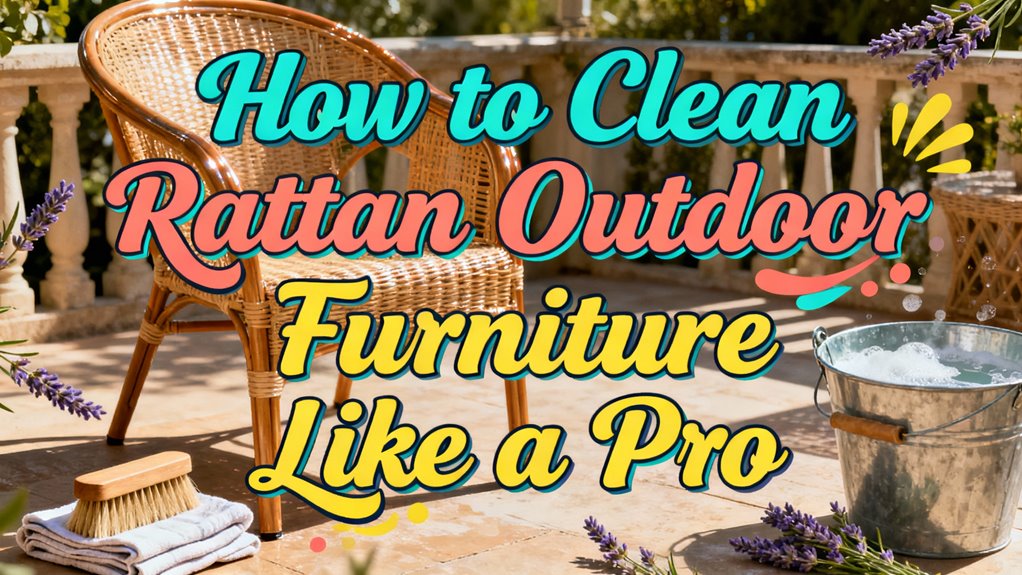
How to Clean Rattan Outdoor Furniture Like a Pro
You’ll start by vacuuming your rattan furniture with an upholstery brush attachment, working top to bottom to remove debris. Next, mix warm water with mild dish soap and lightly scrub with a soft-bristled brush, keeping moisture minimal. Rinse gently with a garden hose, then immediately dry with absorbent cloths. Finally, apply a protective sealant to guard against future damage. Follow these steps consistently, and you’ll find deeper maintenance techniques that’ll keep your furniture looking showroom-fresh for years.
Preparation and Initial Assessment
Before you pick up a single cleaning tool, you’ll want to thoroughly inspect your rattan furniture to identify any existing damage and assess its overall condition. Look for visible damage like cracks, splits, or broken fibers. Check for mold or mildew, especially black spots indicating fungal growth. Examine joints and legs for stability issues.
Next, remove all cushions, pillows, and decorative items to prevent water damage during cleaning. Set aside fabric components for separate cleaning.
Finally, choose your cleaning location carefully. Select an open, well-ventilated outdoor area with access to water. Avoid direct sunlight, which can cause rapid drying and cracking. Guarantee adequate airflow for thorough drying post-cleaning to prevent mold growth.
Dust and Debris Removal
Once you’ve assessed your furniture’s condition and removed cushions and decorative items, you’re ready to tackle dust and debris removal—the foundation of any effective cleaning routine. Start by vacuuming from the top down, using your upholstery brush attachment to reach deep into the weave. This technique prevents debris from resettling on cleaned areas below. Follow up with a soft-bristled brush, applying gentle strokes to dislodge trapped particles in tight crevices. For stubborn debris, use a toothbrush on intersection points. Wipe surfaces with a slightly damp microfiber cloth to capture loosened dust. Regular vacuum techniques and consistent dust prevention habits protect your rattan from deterioration. Weekly maintenance prevents excessive dirt accumulation, extending your furniture’s lifespan considerably.
Soapy Water Solution Creation and Application
Having removed loose dust and debris, you’re now ready to create a gentle cleaning solution tailored to rattan’s delicate nature. Mix warm water with 1/4 cup of mild dish soap per gallon—this ratio delivers soapy solution benefits without damaging fibers. Stir thoroughly until suds form.
For cleaning product alternatives, consider diluted vinegar or a tiny ammonia amount for stubborn grime, but only with proper ventilation. Dip a soft microfiber cloth or soft-bristled brush lightly into the mixture, then wring it out completely. Work from top to bottom, gently scrubbing visible dirt and using a soft toothbrush for crevices. Keep moisture minimal to prevent warping. Avoid hot water, which dries rattan fibers, and never soak the furniture. Consider applying protective sealants or finishes after cleaning to extend the life of your rattan furniture and shield it from outdoor elements. Regular maintenance with appropriate cleaning techniques helps protect rattan from the damaging effects of UV rays and moisture exposure.

CUTS GREASE WITHOUT COMPROMISE: This plant-based dish soap cuts through grease, oil, and dried-on food residue on dishes, pots, and pans. Rich lather, rinses clean — safe on crystal, glassware, and fine china.
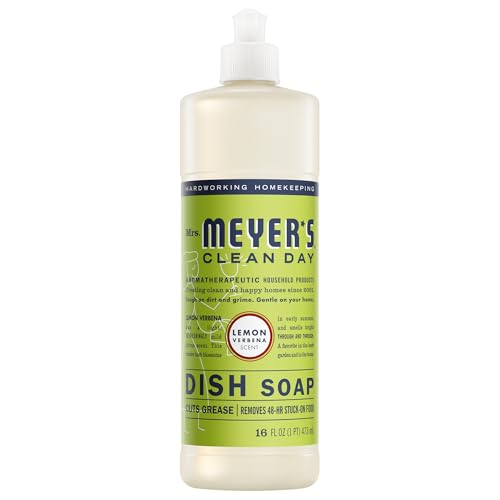
Our Dish Soap has thoughtfully chosen ingredients to make grease disappear

Tough On Grease, Gentle On Hands: This plant-based dishwashing liquid helps you care for your dishes, and the hands that wash them. With a formula created with people and the planet in mind, it tackles stubborn messes like cheesy residue, greasy food splatters, and chocolatey buildup
Gentle Scrubbing and Spot Treatment
With your soapy solution ready, you’re prepared to tackle visible dirt and stubborn stains through targeted scrubbing techniques. Use a soft-bristled brush or toothbrush to gently scrub between the weave and intricate crevices, applying light pressure to avoid weakening the fibers. For particularly resistant stains, apply a vinegar application by dipping your brush into equal parts water and white vinegar, then scrub the affected area. Allow the solution ten minutes to work before wiping away residue. For stubborn marks resistant to soap and vinegar, sprinkle baking soda onto a wet sponge and gently scrub without applying excessive force. To ensure your cleaning solution won’t damage the rattan, always test on a hidden area first to prevent discoloration. After completing your cleaning work, ensure proper air circulation to prevent mold and mildew from developing on your rattan furniture. This methodical approach targets problem areas while preserving your rattan’s structural integrity.

Flat Head Design for Thorough Bottom Cleaning:The flat brush head is designed to reach and scrub the bottom edges of cups and bottles more effectively. Compared to round brush heads, it cleans corners and base areas with better contact for more complete results

HEAVY-DUTY BRISTLES: Tackle even the most stuck-on food with the tough nylon bristles and built-in scraper, designed to safely scrape without damaging your cast iron cookware , saving you time and preserving the quality of your pans

Ergonomic Design: The peanut-shaped wood body of this hand scrub brush offers an ergonomic grip, ensuring comfortable use during extensive cleaning sessions. Ideal for those seeking a reliable bristle brush for cleaning various surfaces efficiently.
Rinsing and Excess Moisture Removal
After you’ve scrubbed away dirt and stains, proper rinsing becomes critical to prevent soap buildup and water damage. Use a garden hose with gentle spray for synthetic rattan, avoiding pressure washers that damage fibers. For natural rattan, minimize rinsing with just a slightly damp cloth instead. Thoroughly remove all soap residues and inspect crevices carefully using soft brushes.
Your rinse techniques directly impact drying success. Wipe down furniture immediately with a dry, absorbent microfiber cloth, blotting rather than rubbing delicate natural rattan. Place furniture in shaded, well-ventilated areas—direct sunlight causes warping. When moisture management is challenging, use fans or low-setting hair dryers to accelerate drying. Tilt furniture to drain trapped water from weaves, and use cotton swabs to reach hidden areas. Avoid sealing until completely dry to prevent moisture damage.
Drying and Protective Finishing
Once you’ve removed excess moisture from your rattan furniture, you’ll need to complete the drying process and then apply protective measures to preserve it for years to come. Place your furniture in a well-ventilated, shaded area—never in direct sunlight, which causes fading and brittleness. Allow complete air drying to prevent mold growth.
After drying, apply protective coatings designed specifically for rattan. UV-resistant sprays and varnishes shield against sun damage and preserve color. These protective coatings also repel water and extend furniture lifespan in harsh conditions. For optimal protection in humid environments, focus on applying sealants to seams where moisture can seep through and cause interior damage. Follow manufacturer guidelines for reapplication schedules to maintain effectiveness. For metal accents or frames on your rattan pieces, consider applying clear protective sprays to prevent rust and corrosion while maintaining the furniture’s original appearance.
Consider weatherproof furniture covers for additional protection when pieces aren’t in use. Occasionally apply boiled linseed oil or specialized furniture oil to prevent cracking. These drying techniques and protective coatings work together to maximize durability.

Protects against harmful UV light rays

Give your fine art projects the maximum inUV protection

Give your Fine art projects the maximum in UV protection
Maintenance Tips for Long-Lasting Results
Regular maintenance is what separates rattan furniture that lasts decades from pieces that deteriorate within years. You’ll want to implement preventive measures like applying protective coatings such as clear lacquer or furniture wax to enhance moisture resistance. These finishes shield your pieces from the elements and extend their lifespan considerably.
Furniture rotation is equally critical. By rotating placement seasonally, you’ll distribute sun and weather exposure evenly, preventing uneven fading and wear patterns. Conduct annual inspections for cracks, split fibers, or mold signs to catch damage early. Just as proper building code compliance is essential for structural installations, following manufacturer guidelines ensures your rattan furniture maintains its integrity. Promptly addressing mold or mildew will prevent further deterioration of your rattan pieces.
Store cushions indoors during heavy rain and cold spells since they’re showerproof, not waterproof. Use felt pads under legs to reduce structural stress. These consistent practices guarantee your rattan investment remains beautiful and functional for years to come.
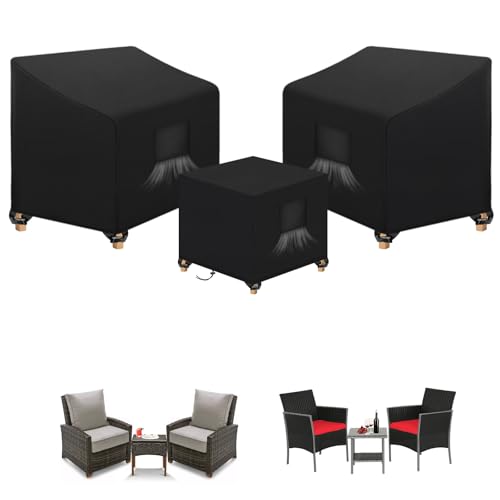
【COMPLETE OUTDOOR PATIO COVER SET】Patio cover set designed for 3 pieces patio bistro sets, include 2 chair covers and 1 coffee table cover,total 3-piece furniture cover set.

【Patio Furniture Covers 4 Piece Set】The large patio furniture covers fits 4 piece rattan wicker conversation set for Loveseat (SIZE: 56"L x 30"W x 30"H), 2pcs Armchairs (SIZE: 32"L x 30"W x 30"H) and Coffee Table (SIZE: 45"L x 25"W x 13"H). Please Check your furniture dimensions for proper fit before purchase.

【COMPLETE OUTDOOR PATIO COVER SET】: Outdoor patio cover set designed for 3 pieces patio bistro sets, include 2 chair covers and 1 coffee table cover,total 3-piece furniture cover set