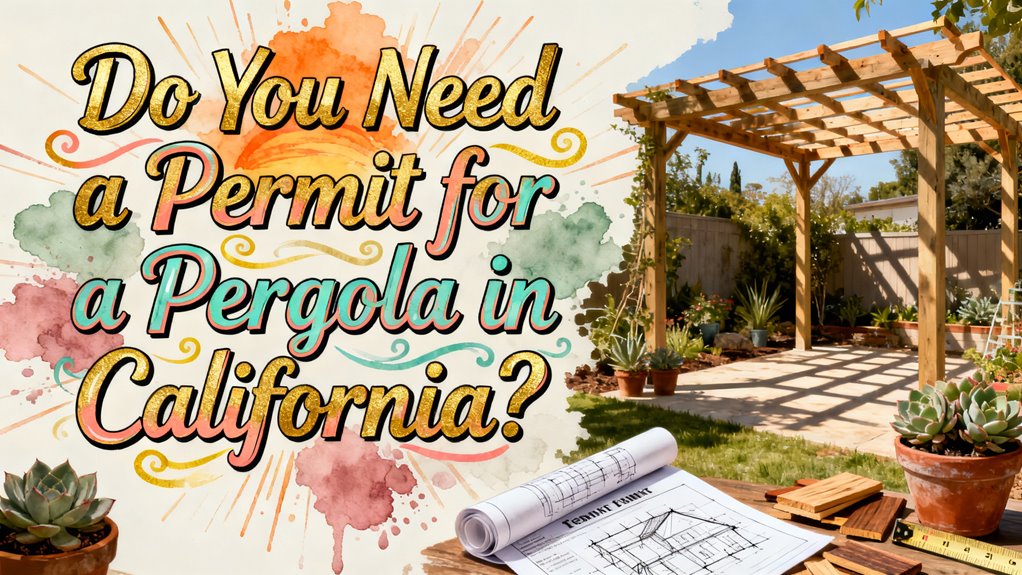
Do You Need a Permit for a Pergola in California?
You’ll need a building permit for most pergolas in California, though detached structures under 120 square feet may qualify for exemption depending on your jurisdiction. Permanently attached pergolas require permits regardless of size. Height restrictions typically cap exempt structures at 10-12 feet, and you’ll must comply with local setback and zoning requirements. The consequences of unpermitted construction can include substantial fines and forced demolition. Understanding your specific local regulations will determine whether you’re exempt or need to file an application.
General Permit Requirements Under California Building Code
California’s Building Code establishes the foundational requirements you’ll need to follow when obtaining a permit for your pergola. The CBC sets minimum standards for structural integrity, fire safety, and accessibility that apply to all outdoor structures, including pergolas. You must comply with these regulations to guarantee your project receives legal authorization and passes inspection.
The inspection process occurs at multiple construction stages to verify code compliance. Building inspectors examine foundations, framing, and final completion before granting approval. Different permit types may be necessary depending on your project scope. Electrical work requires a separate electrical permit, while plumbing or gas installations demand additional permits. You’ll obtain all related permits before construction begins to avoid fines or required modifications.
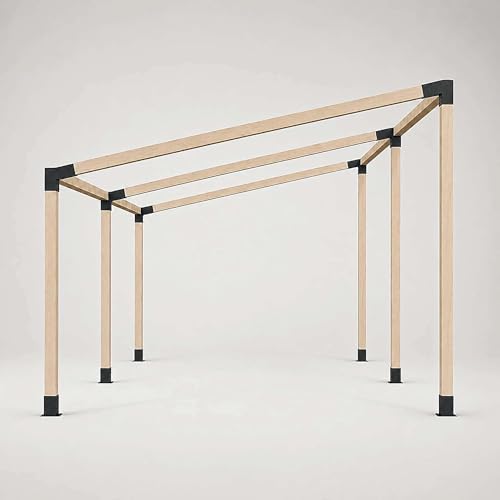
Premium 2.5mm Reinforced Steel Construction:Crafted from upgraded 2.5mm thick galvanized steel (thicker and stronger than standard 2mm market brackets), these pergola brackets deliver enhanced structural integrity and long-term durability. The extended 5.9-inch design provides greater support surface and improved weight distribution, ensuring a more stable and secure pergola structure for heavy-duty outdoor projects.

Upgrage 3-Way Right Corner Brackets: Our Grehitk pergola brackets are extended 3-Way right angle corner bracket. It has enhanced the stability of the pergola, even in inclement weather. The 4x4 pergola brackets post features weather-proof performance and a stable frame, so you do not have to worry about the attack and damage to storms and wind.

Premium 2.5mm Reinforced Steel Construction:Crafted from upgraded 2.5mm thick galvanized steel (thicker and stronger than standard 2mm market brackets), these pergola brackets deliver enhanced structural integrity and long-term durability. The extended 5.9-inch design provides greater support surface and improved weight distribution, ensuring a more stable and secure pergola structure for heavy-duty outdoor projects.
Size and Structural Considerations for Exemptions
Because you’ll want to avoid the permitting process altogether, understanding the size thresholds that trigger exemptions is critical to your planning. Most California jurisdictions exempt pergolas under 120 square feet in roof area, though some cities like San Diego allow up to 300 square feet for single-family residences. You must also observe height restrictions—standard exempt structures max out at 12 feet, with minimum beam clearance at 6 feet 8 inches above slab. Posts require proper foundation support: either 3.5-inch slabs, 12x12x12-inch spread footings, or piers elevated 1 inch above surfaces. Pressure-treated wood is mandatory for ground-contact posts. Like Florida, California’s local building codes may vary significantly between jurisdictions, so it’s essential to verify requirements specific to your area. Exceeding your jurisdiction’s specific size limitations or height restrictions requires a permit regardless of design, so verify local ordinances before construction begins.
Permanently Attached vs. Detached Pergola Structures
The distinction between a permanently attached and detached pergola fundamentally determines your permitting pathway and regulatory obligations. When you attach your pergola directly to a residential structure or permanently anchor it to the ground, you’ll trigger mandatory building permit requirements regardless of size. This classification necessitates structural engineering review and foundation inspection.
Conversely, detached freestanding pergolas under 120 square feet in most California jurisdictions qualify for exemption eligibility. Your pergola materials and design styles must still comply with building codes, but the detached configuration provides regulatory relief. However, permanent ground anchoring doesn’t automatically disqualify exemption status if your structure meets size thresholds, similar to how Victoria’s Building Regulations 2018 establish specific dimensional limits for permit-exempt structures.
The attachment methodology directly influences which permitting standards apply to your project, making this distinction critical for compliance. Additionally, failing to obtain required permits can create complications when selling your property in the future, so it’s essential to verify your local requirements before construction begins. Your local building department can provide specific guidance on whether your pergola design requires permitting in your area.

Superior Quality Materials: This 4x4 pergola brackets feature a 90° right angle gusset plate design and weather-proof performance and a stable frame,so you do not have to worry about the attack and damage to storms and wind.

【Upgraded 2mm Thick Reinforced Steel Structure】 Made of upgraded 2mm hot-dip galvanized steel, these brackets are thicker and stronger than standard 2mm ordinary brackets. The 5.6-inch extended design improves weight distribution and structural stress bearing, offering outstanding stability and high load-bearing performance. Built for heavy-duty outdoor pergola and gazebo use, they effectively prevent deformation and loosening for long-lasting structural safety.

Engineered for USA Climates - ORIGLE pergola brackets are crafted with heavy-duty, corrosion-resistant steel and a premium black powder coating to withstand harsh weather conditions. Designed to snugly fit 4x4 post brackets (actual inner dimension: 3.58"x3.58"), these brackets eliminate gaps and ensure a rock-solid hold for your pergola’s structural integrity. Ideal for pergola kit projects in gardens, patios, or backyard retreats.
Local Jurisdiction Variations Across California
While your pergola’s attachment method determines baseline permitting requirements, you’ll reveal that compliance obligations shift considerably depending on where you live within California. Local building codes and municipal requirements vary greatly across jurisdictions. Northern California consistently applies a 120-square-foot exemption threshold, while San Diego permits patio covers up to 300 square feet without permits. Los Angeles County enforces the 120-square-foot standard for detached accessory structures. Contra Costa County exempts non-habitable structures without solid roofs under 120 square feet, though Pleasant Hill requires Planning Division review regardless of size. You must verify your specific city or county’s thresholds before construction. Height restrictions, setback requirements, and zoning provisions further complicate compliance obligations. Contact your local building department to determine exact municipal requirements for your property.
Required Documentation and Application Materials
You’ll need to compile several categories of documentation before submitting your pergola permit application to your local building department. The application process requires a completed permit form with project details and owner information, along with site plans drawn to scale showing dimensions and property line relationships. You’ll also submit a materials list specifying construction components and finishes. For structures exceeding six feet, you’ll provide structural drawings and stamped California engineer documentation. Necessary forms include zoning compliance verification and property surveys confirming setback distances. If your pergola connects to your house, include attachment specifications and load-bearing calculations. Submit original copies with required duplicates, retaining your case number for inspection scheduling and fee documentation.

Electrical, Plumbing, and Utility Considerations
Beyond structural considerations, electrical, plumbing, and utility installations within or attached to your pergola trigger separate permitting requirements that you’ll need to address independently. Pergola wiring for lights, fans, or fixtures demands dedicated electrical permits distinct from building approvals. You’ll navigate separate permitting systems with potential same-day processing in certain jurisdictions, ensuring compliance with local electrical codes and safe outdoor installation practices.
Plumbing features like water fountains or outdoor kitchens require standalone plumbing permits addressing specific code compliance for water and gas systems. Gas piping installations necessitate gastight conduit per plumbing code and mandatory contact with local district offices for proper guidance. These utility considerations add substantial permitting layers beyond basic structural approval, requiring you to coordinate multiple applications and inspections before finalizing your pergola project.
HOA and Zoning Compliance Requirements
Two critical approval layers—homeowners association clearance and zoning compliance—must be navigated before your pergola construction commences. If you’re in an HOA community, you’ll submit your pergola design and specifications for architectural review. HOAs enforce homeowner guidelines regarding height, materials, color, and setback distances from property lines.
Simultaneously, you’ll secure zoning clearance through your local planning department. California jurisdictions require permits for pergolas attached to your home or exceeding local size thresholds. Permanent ground attachment triggers both building and planning permits. Detached structures under 120 square feet may bypass building permits but still need zoning approval. Similar to New Jersey regulations, pergolas under a certain size threshold may have lower permit requirements or zoning permits that cost significantly less than full construction permits.
Submit applications separately to each entity. Documentation timelines vary, so plan accordingly. Obtaining proper approvals prevents costly fines, mandatory removal, and complications during future property sales. Most California cities charge typical permit fees ranging from $60 to $150 depending on your pergola’s specifications and complexity.
Setbacks, Height, and Distance Restrictions
Once you’ve secured HOA and zoning clearance, your pergola design must comply with setback, height, and distance restrictions that vary considerably across California jurisdictions. Most areas require a minimum 5-foot setback from property lines for structures exceeding 7 feet tall, though some jurisdictions allow 3-foot setbacks if you use non-combustible materials like metal. Height limitations typically cap pergolas at 10 feet to qualify for permit exemptions, with stricter requirements above that threshold. You’ll measure height from finished grade level, maintaining a minimum beam height of 6 feet 8 inches over slab. Front yard placement generally remains prohibited except for open decorative features, while rear and side yards may require increased setbacks up to 10 feet in certain zoning districts. Additionally, your pergola structure must meet wind load requirements to ensure it can withstand severe weather conditions and remain stable over time. Proper surface preparation and material selection, including consideration of weather protection through appropriate finishes, will help preserve your pergola’s structural integrity over the years.
Consequences of Building Without Required Permits
Constructing a pergola without securing the proper permits exposes you to substantial financial, legal, and structural consequences that can far exceed the cost of obtaining permits upfront. You’ll face escalating daily fines that can reach nine times your construction’s value, accumulating until you resolve the violation. Building inspectors or neighbors can trigger stop work orders, halting all activity immediately and delaying your project indefinitely. Your financial repercussions extend beyond fines—you may encounter forced demolition, requiring you to dismantle the entire structure at significant personal expense. Legal liabilities include lawsuits from neighbors or local authorities resulting in costly damages and court-ordered removal. Additionally, unpermitted structures complicate property sales, as buyers uncover violations during inspections and lenders refuse financing approval without code compliance documentation. Permit costs typically range from $50 to $500 depending on your location, making them a relatively minor expense compared to potential penalties. Beyond these immediate consequences, an unpermitted pergola fails to deliver the customizable shade and protection that makes the investment worthwhile in the first place.
How to Submit Your Permit Application
Given the substantial penalties and complications that arise from unpermitted construction, you’ll want to pursue the proper authorization through your local building department. Your submission process begins by gathering thorough documentation: site plans showing property lines and setbacks, detailed construction plans with structural specifications, and completed application forms. You can submit applications online through government portals like IrvineReady! or Accela, or in person at your local building department office. Application tips include ensuring all plans comply with California Building Code, including engineering calculations for complex structures, and paying permit fees at submission. Online portals allow you to save progress before final submission. The building department reviews your application for completeness, then coordinates assessments across building, zoning, and engineering departments. Expect review timelines of several weeks before receiving approval or correction requests.