How to Paint Vinyl Straps on Patio Furniture
You’ll clean your vinyl straps with mild detergent, then sand lightly with 220-grit sandpaper to improve adhesion. Apply a vinyl-specific UV-resistant primer, followed by thin coats of flexible exterior-grade spray paint in multiple layers. Allow 24-48 hours curing time in a 60-80°F environment before use. Use soft cloths for maintenance and reapply UV-resistant sealant every 6-12 months. However, deeply damaged straps showing sagging, cracks, or persistent fading may warrant replacement instead of refinishing.
Preparing Vinyl Straps for Painting
Before you apply any paint, you’ll need to properly prepare your vinyl straps to guarantee ideal paint adhesion and longevity. Start by lightly sanding the surface with 220-grit sandpaper to promote paint bonding without damaging the vinyl’s UV protection. Remove all sanding dust with a clean, dry cloth, ensuring the strap is completely free of debris and loose fibers.
Avoid coarse sandpaper, bleach, and ammonia, as these strip UV inhibitors and weaken the material. These vinyl maintenance tips are essential for preserving your furniture’s durability. Don’t skip this preparation phase—improper surface preparation results in premature peeling and poor adhesion. When considering color matching techniques, inspect the original strap’s condition carefully to determine whether you’re restoring or transforming the look. Proper preparation sets the foundation for successful painting results.

Premium European High-Density Foam – Engineered with 85-density foam (significantly denser than standard 65-density), our robust sanding blocks deliver superior rebound resilience, minimal deformation, and exceptional longevity for heavy-duty hand sanding
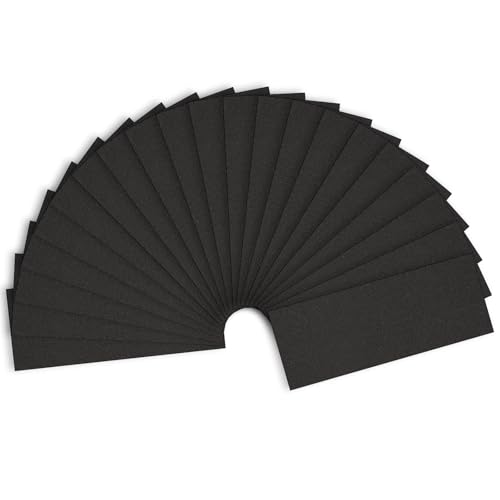
High-Precision Abrasive Paper: This Shineboc 9x3.6 inch sandpaper set comes with 21 sheets of 220 grit sandpaper, providing ample supply for demanding sanding tasks

220 Grit: Includes 8 sanding blocks, 220 grit (fine); our sanding sponge is reusable, washable, and suitable for all your sanding needs
Cleaning and Drying Your Straps
Three key steps—cleaning, rinsing, and drying—will prepare your vinyl straps for painting by removing dirt, grime, and residues that interfere with paint adhesion.
Start by using proper materials: a soft-bristled brush, sponge, or cloth with a mild detergent solution (¼ cup soap per gallon of warm water around 100°F). Clean one strap thoroughly, including undersides and crevices. Take safety precautions by avoiding bleach, ammonia, and harsh solvents that degrade vinyl.
Rinse extensively with a garden hose, making certain all soap residue disappears. Avoid high-pressure washing that damages the straps. Allow water to drain completely, then re-rinse any soap-heavy spots.
Finally, air-dry in direct sunlight before painting. Complete drying prevents moisture issues and guarantees ideal paint adhesion. Never towel-dry, as this leaves lint on the vinyl surface.

Clean and protect your vinyl collection — Our vinyl record brush quickly and easily cleans your records before every spin. Dual-row extra-soft carbon fiber bristles gently lift harmful dust and dirt from the vinyl surface. No vinyl cleaner liquids or gels required.
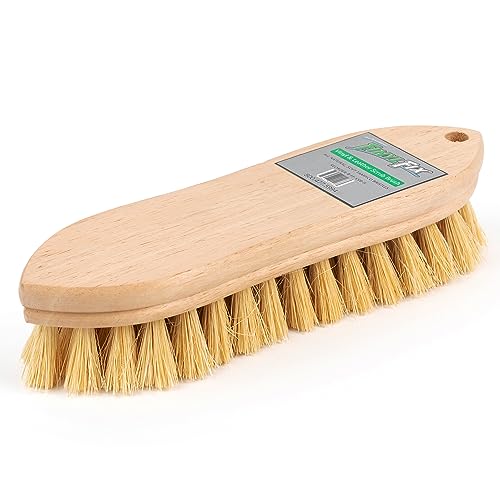
CLEANS DEEP - Vinyl & Leather Scrub Brush designed to clean deep. With a non-abrasive, all-natural Tampico fiber that will not scratch delicate surfaces. Varied bristle lengths get into textured materials for deep cleaning. Bring your vinyl or leather seats back to life!

Superior 2-in-1 Cleaning: This dual-action vinyl record cleaner brush uses carbon fibre bristles to remove stubborn dust and debris, while a soft velvet layer lifts away fine particles.
Sanding for Better Adhesion
Sanding your vinyl straps creates microscopic abrasions that dramatically improve paint adhesion by removing the glossy finish that naturally repels paint. You’ll want to select fine-grit sandpaper between 220 and 320 grit to avoid damaging the material. For curved surfaces, medium-grit sanding sponges conform effectively and provide uniform abrasion.
Apply light, even strokes across all paintable areas, focusing on eliminating shine rather than aggressive sanding. These sanding techniques preserve your straps’ structural integrity while preparing them for primer application. After completing your sanding materials work, wipe the straps thoroughly with a damp cloth or tack cloth to remove all dust particles. Let them dry completely before proceeding to the priming stage. Proper preparation through sanding is part of regular maintenance that extends your furniture’s lifespan and keeps it looking fresh.

Assorted Grit Sanding Blocks – This set includes 4 sponge sanding blocks (4 x 2.6 x 0.7 inches) in 120, 220, 320, and 400 grits, covering coarse to ultra-fine sanding needs. Color-coded for easy identification.

Assorted Grit Sanding Blocks – This set includes 8 sponge sanding blocks (4 x 2.6 x 0.7 inches) in per 2 pcs of 120, 220, 320, and 400 grits, covering coarse to ultra-fine sanding needs. Color-coded for easy identification.

High-Precision Abrasive Paper: This Shineboc sandpaper set comes with 21 sheets of 320 grit sandpaper, providing ample supply for demanding sanding tasks.
Choosing the Right Primer
Once you’ve removed the dust and allowed your straps to dry completely, selecting an appropriate primer becomes critical to your project’s success. You’ll want to prioritize vinyl-specific primers formulated to bond effectively with smooth, non-porous surfaces while maintaining flexibility. Look for primer brands that explicitly support vinyl or plastic applications and feature UV resistance and moisture protection.
Consider spray primers for even application on delicate strap surfaces, or adhesion promoters to enhance bonding strength. Verify your chosen primer dries quickly and remains compatible with your topcoat paint—typically acrylic or enamel products.
Avoid etching primers, which can compromise vinyl flexibility. Always check manufacturer labels confirming vinyl compatibility before purchasing any primer type or brand to guarantee ideal adhesion and long-lasting results.

Bonds topcoats to vinyl, plastic, fiberglass and more

Shellac‐base primer‐sealer

OPTIMAL ADHESION: Promotes maximum adhesion to plastic surfaces, eliminating the need for specialized pretreatments. Ensures strong, long-lasting bonding for automotive plastics, DIY projects, and more.
Applying Primer Correctly
Now that your vinyl straps are clean, dry, and lightly sanded, you’re ready to apply primer with precision. Select primer types specifically formulated for vinyl to guarantee ideal adhesion and durability. Use high-quality application tools like synthetic brushes or foam applicators for even coverage without streaking.
Apply thin, consistent coats using steady, directional strokes. Avoid thick layers that cause drips and prolong drying times. Allow each coat to dry completely per manufacturer instructions before recoating. If coverage appears patchy or uneven after the first application, apply additional thin coats rather than attempting to compensate with one heavy coat.
Maintain proper technique throughout to achieve professional results and establish a solid foundation for your topcoat paint.
Selecting Paint for Vinyl Straps
With your primer foundation properly cured, you’ll want to select a paint formulated specifically for vinyl’s unique demands. Prioritize flexible spray paints designed for vinyl straps—these prevent cracking while maintaining pliability. Standard brands like Rust-Oleum work but call for careful application to avoid hardening.
For paint selection, consider UV stability to resist fading and adhesion properties suited to vinyl’s smooth surface. Color matching proves essential; custom-formulated vinyl strap spray paints ensure accurate color integration with your furniture’s original finish.
Expect professional-grade flexible paints to cost $24–$30 per 12 oz can. While pricier than standard options, they’re vital to avoid finish failure. Verify compatibility with your spray application technique and confirm adequate drying times align with your furniture’s movement demands.

Bonds to vinyl, plastic and rubber

Ideal for vinyl surfaces including luggage, car and boat seats, dashboards, upholstery, furniture, sports equipment and more

Ideal for vinyl surfaces including luggage, car and boat seats, dashboards, upholstery, furniture, sports equipment and more
Testing Paint Before Full Application
Before committing to a full application, you’ll need to test your selected paint on a small, inconspicuous area of the vinyl straps to verify adhesion, flexibility, and durability.
Start with test patching methods that include both primed and non-primed sections. Apply multiple thin coats rather than one heavy coat to reduce dripping and cracking. Compare paint brands side by side, evaluating how each performs after drying. Assess the vinyl’s flexibility—painted straps shouldn’t become rigid or brittle.
Conduct stress tests by flexing painted samples to detect premature peeling or cracking. Check for colorfastness after UV and moisture exposure. Allow adequate drying time between coats. This controlled testing prevents costly mistakes and confirms whether your chosen paint will withstand outdoor weathering and regular use before proceeding with full application.
Painting Techniques and Best Practices
Achieving a professional, long-lasting finish on vinyl straps requires careful attention to surface preparation, product selection, and application methods. When spray painting, apply light, thin coats in multiple layers rather than one thick coat to maintain flexibility and guarantee even coverage. Direct your spray from different angles to fully coat irregular strap shapes. Allow each layer to dry completely before applying the next to prevent bubbling and cracking. Maintain consistent distance from the surface to avoid runs and drips. For paint durability, use flexible, exterior-grade spray paint with UV-resistant properties. Protect adjacent surfaces with masking tape. Work in well-ventilated areas and follow manufacturer drying times between coats for maximum adhesion and performance. Prior to painting, ensure proper surface preparation by cleaning and sanding the vinyl straps to create optimal paint adhesion and a smoother finish.
Curing and Post-Painting Care
Proper curing and maintenance are critical to ensuring your painted vinyl straps achieve their full durability and aesthetic potential. You’ll want to allow 24 to 48 hours for curing in a dry, well-ventilated curing environment with temperatures between 60°F and 80°F. Avoid direct sunlight and high humidity, as these conditions can cause bubbling or uneven drying. Don’t stack objects on straps until they’re fully cured, which may extend to 72 hours in cooler conditions.
Once cured, implement a painted maintenance routine using only soft, damp cloths and mild cleaners. You’ll protect the finish by applying a UV-resistant sealant and reapplying it every 6 to 12 months. Address chips promptly with touch-up paint, and store furniture indoors during harsh weather to preserve your investment.
When to Replace Instead of Paint
While painting vinyl straps can refresh your patio furniture’s appearance, you’ll need to recognize when structural damage makes replacement the only viable option. Watch for replacement signs including sagging, cracks, tears, or deep abrasions that painting can’t effectively conceal. Significant UV fading indicates your straps have lost protective qualities requiring replacement rather than cosmetic fixes.
Durability concerns demand attention when you notice warping, frequent breakage, or recurring damage after previous repairs. These symptoms signal that painting won’t restore elasticity or tensile strength critical for safe furniture support. New straps made with 100% virgin vinyl and UV inhibitors restore original durability and weather resistance that deteriorated vinyl cannot recover through paint alone. Unlike materials such as cast aluminum, which can last a decade or more with proper care, vinyl straps require replacement when their protective qualities deteriorate beyond cosmetic restoration. Proper board spacing and alignment during initial furniture construction also contributes to the longevity and structural integrity of your patio seating.
Assess your straps honestly: if structural integrity is compromised, replacement protects both your safety and long-term furniture investment.