Cleaning Outdoor Furniture With Borax: a Natural Solution
You can restore your outdoor furniture by mixing one tablespoon of borax per four cups of hot water with mild dish soap. Spray this solution onto mold, mildew, and stains, then scrub after five to ten minutes. Borax’s antimicrobial properties break down organic residues while offering an eco-friendly alternative to synthetic cleaners. Dry thoroughly to prevent recurrence. Uncover how tailored techniques tackle specific stain types and long-term protective strategies that’ll keep your furniture pristine.
What Is Borax and How It Works
Because borax’s chemical structure makes it naturally effective at breaking down organic residues, it’s become a trusted choice for outdoor furniture cleaning. You’re working with sodium tetraborate, a white crystalline mineral containing boron compounds that create alkaline solutions when dissolved in water.
These borax benefits stem from its dual action: the boron component exhibits antimicrobial and antifungal properties, while the alkaline nature penetrates grease, oils, and stubborn outdoor buildup. When you dissolve borax powder, it gradually releases cleaning agents without leaving visible residue on your furniture surfaces.
The cleaning effectiveness increases because borax reacts readily with acidic contaminants, breaking them down chemically. Its natural mineral origin provides you with an eco-friendly alternative to synthetic cleaners while maintaining powerful performance against biological growth and weathered grime.
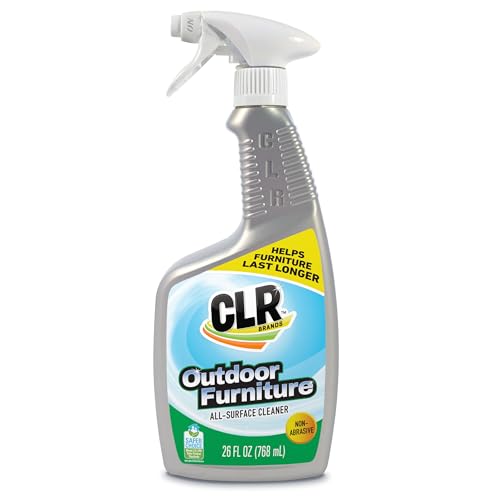
HUNDREDS OF USES: Tackle the whole yard with this powerful outdoor furniture cleaner. Formulated for use on patio, lawn and deck furniture, it is an effective and versatile product for outdoor furniture - from upholstery to plastic play sets.

OXY-POWERED OUTDOOR STAIN REMOVAL: This Outdoor Cleaner & Stain Remover delivers powerful spot cleaning with an oxy-powered formula. Designed to tackle tough outdoor stains caused by mold, mildew, algae, dirt, and grime, it helps refresh patios, decks, and outdoor living spaces
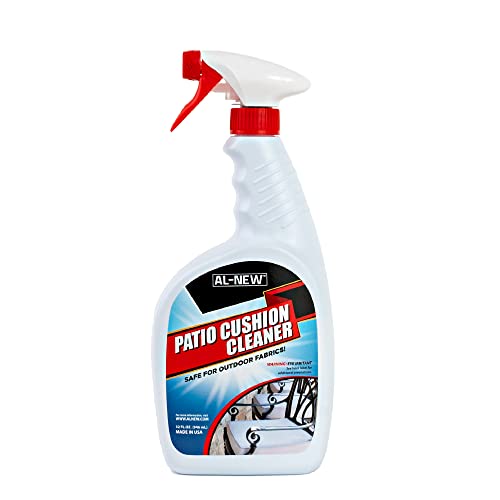
Best Way to Clean Outdoor Patio Cushions, Fabric Cushions, Patio Furniture Covers, Sunshades & Sail Cloth, Fabric Awnings, Umbrellas & More!
Preparation and Safety Measures
Success with borax-based outdoor furniture cleaning hinges on proper preparation and protective measures. You’ll want to wear gloves and a mask when handling dry borax powder to prevent skin irritation and inhalation risks. Verify adequate ventilation throughout your workspace setup by clearing debris and spraying surfaces with a hose beforehand.
Before treating cushions, conduct a thorough cushion assessment by checking manufacturer tags for machine-washability and inspecting fabric for pre-existing damage. Remove washable covers separately and document stubborn stains for targeted treatment.
Gather soft-bristled brushes, clean cloths, spray bottles, and a bucket for mixing solutions. Calculate correct borax-to-water ratios—typically one tablespoon per four cups—combining borax with mild dish soap. Store mixed solutions in clearly labeled containers away from food areas and direct sunlight for maximum effectiveness.
Standard Borax Cleaning Method for Mold and Mildew
Once you’ve prepared your workspace and gathered necessary supplies, you’re ready to tackle mold and mildew growth on outdoor furniture. Mix one cup of borax with a gallon of hot water, adding a few drops of mild dish soap to enhance cleaning power. Stir thoroughly until fully dissolved. Spray or apply this eco-friendly solution directly onto affected areas using a spray bottle or sponge. Allow it to penetrate for 5–10 minutes before scrubbing gently with a soft or hard-bristled brush using circular motions. The borax effectiveness lies in its mineral composition—sodium borate naturally inhibits mold and mildew growth. This eco-friendly solution leaves a protective residue that continues deterring future infestations, making it an ideal non-toxic alternative to harsh chemical cleaners for environmentally conscious homeowners. For optimal results, dry furniture thoroughly after cleaning to prevent mildew from returning.

POWERFUL CLEANING ACTION: Formula that loosens and dissolves greasy, grimy messes on contact ensuring easy removal with minimal effort

Convenient Packaging: Luonix Borax comes in a resealable 1 gallon bucket for easy storage and repeated use

EFFECTIVELY REMOVES MOLD & MILDEW STAINS – Designed to eliminate tough outdoor mold, mildew stains, dirt buildup and organic staining from patio cushions and outdoor furniture fabrics.
Spot Cleaning for Specific Stains
While the standard borax method effectively addresses widespread mold and mildew, targeted spot cleaning tackles specific stains that demand customized approaches.
You’ll achieve the best stain removal by tailoring your technique to the stain type. For oil-based stains from sunscreen, apply baking soda first to absorb oils, then scrub with your borax-detergent solution. Food and drink stains require immediate treatment—blot excess material and apply your borax mixture promptly for superior results.
Hard water and mineral deposits respond well when you combine borax with white vinegar, breaking down mineral accumulation without harsh chemicals. To protect your furniture’s longevity, avoid using harsh chemicals, abrasive cleaners, and scouring powder, as these can damage the plastic surface and cause discoloration. Throughout stain removal, prioritize fabric preservation by using soft brushes and testing solutions on hidden areas first. Always rinse thoroughly to eliminate residue, then air-dry completely in direct sunlight to prevent mildew recurrence and maintain structural integrity.

Pure Original Ingredients Borax is all-natural

Pure Original Ingredients Borax in a resealable bag
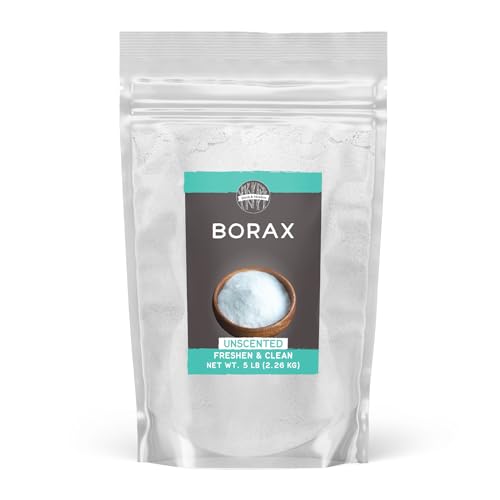
Birch & Meadow Borax
Maintenance and Prevention Post-Cleaning
After removing stains and addressing visible damage, your maintenance strategy determines whether your furniture investment withstands seasonal exposure and frequent use. You’ll establish routine inspections to catch wear, mold, or rust before they escalate into costly repairs. Implement preventive strategies by thoroughly drying cushions in direct sunlight and storing fabric coverings indoors during winter months. You should apply fabric protectants like Scotchgard on completely dry surfaces to create stain and water repellency barriers. For metal frames, treat rust-prone areas with rust-inhibiting primers and apply automotive wax biannually. Position furniture in partially shaded areas to limit UV damage and rotate cushion placement regularly. Consider using weather-resistant protective covers to shield your furniture against UV rays, dirt, pollen, rain, snow, and wind during extended periods of non-use. You’ll adapt your cleaning schedule seasonally based on local humidity and rainfall patterns, ensuring year-round protection. For routine maintenance between deep cleanings, use a leaf blower to remove debris and perform spot cleaning to keep your furniture looking fresh throughout the season.