
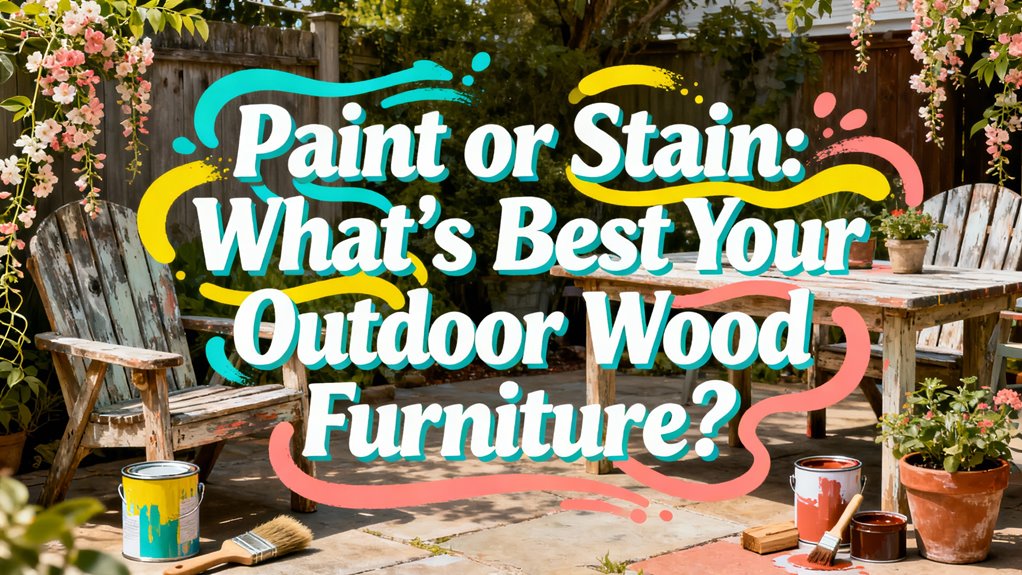
Paint or Stain: What’s Best for Your Outdoor Wood Furniture?
You’ll find paint offers superior durability—lasting 3–7 years outdoors—while stain requires reapplication every 1–3 years. Paint creates an opaque protective barrier against UV rays and moisture infiltration, though it’s costlier upfront ($50–$200 per gallon). Stain showcases wood’s natural grain at lower initial cost ($20–$150 per gallon) but demands frequent maintenance. Your choice depends on whether you prioritize longevity or aesthetics, though several critical factors deserve deeper exploration.
The Visual Difference: How Paint and Stain Transform Wood
When you’re deciding between paint and stain for outdoor wood furniture, you’re basically choosing between two fundamentally different finishes that affect how the wood appears and functions. Paint creates a solid, opaque layer that completely obscures the wood’s natural characteristics, hiding grain, knots, and imperfections beneath a uniform surface. This approach prioritizes visual aesthetics through color customization, offering thousands of vibrant options to match your design scheme.
Stain takes the opposite approach, penetrating the wood to showcase its inherent beauty. Grain enhancement becomes the focal point, allowing natural texture and patterns to remain visible while deepening the wood’s organic tones. You’ll preserve the original character of your furniture while achieving a classic, rustic aesthetic. Stain offers the added benefit of not creating a slippery surface, making it practical for furniture in high-traffic areas. Your choice ultimately depends on whether you want to conceal or celebrate your wood’s natural qualities. Paint offers superior protection against environmental damage, with oil-based paint providing exceptional durability by forming a tough surface that resists moisture, mildew, and chipping over time.
Durability Comparison: Which Finish Lasts Longer
Because paint creates a thick, solid protective barrier across the wood’s surface, it’ll typically outlast stain in outdoor environments. This sealed layer provides superior long-term protection by effectively blocking moisture infiltration—a primary cause of wood deterioration. Paint shields against UV rays, scratches, and general wear more thoroughly than stain.
Stain, conversely, penetrates wood rather than coating it, offering less weather resistance over time. You’ll notice stain fading and requiring reapplication every 1-3 years, while paint maintains durability for 3-7 years before needing touch-ups. To ensure stain lasts as long as possible, applying thin, multiple coats rather than one heavy application prevents pooling and peeling on the wood surface.
For maximum longevity, choose paint. Its robust barrier guarantees your outdoor furniture withstands seasonal temperature fluctuations, humidity, and precipitation. However, paint does eventually chip and crack, requiring periodic maintenance to sustain its protective qualities and aesthetic appeal. Unlike polyurethane finishes, paint offers better UV ray protection for extended outdoor durability.

Perfect for refinishing and protecting exterior wood such as picnic tables, chairs, swing sets and more

Perfect for refinishing and protecting exterior wood such as picnic tables, chairs, swing sets and more

Ready to use, pre-mixed door and trim paint offers a fresh new look on interior or exterior metal, wood and fiberglass
Understanding Protection Levels for Outdoor Conditions
While paint’s superior durability gives you a longer window before reapplication, understanding how different finishes protect against specific outdoor threats helps you select the right product for your climate and furniture’s exposure level.
Your weather resistance strategies depend on local conditions. Sunny climates demand water-based sealants with UV inhibitors to prevent fading and wood fiber breakdown. Rainy or humid regions require oil-based sealants that resist moisture infiltration and swelling. Cold climates benefit from oil-based formulations’ freeze-thaw cycle resistance.
Finish lifespan expectations vary greatly. Epoxy-based sealers with exterior varnish topcoats deliver dual protection—moisture barriers plus UV defense—extending overall longevity. Oil-based penetrating finishes like teak oil maintain natural aesthetics while resisting water damage on durable wood species. For cedar furniture specifically, semi-transparent stains with UV filters provide effective mold and mildew control while preserving the wood’s natural appearance. Consider how slat orientation and spacing principles apply to furniture design, as strategic positioning of your outdoor pieces relative to sun exposure can further reduce UV damage and extend finish longevity.
Matching your finish system to environmental stressors maximizes protection and minimizes maintenance frequency.

MARINE SEALANT: Our liquid formula creates a UV-stable coating for protection against the elements, saltwater spray, and water damage. Marine is a protector for outdoor furniture, thermally modified wood, and boat docks. Marine is safe for use over open water and is non-hazardous to aquatic life. ** This product is NOT intended for hardwoods such as ipe, mahogany and teak. NOT intended for wood submerged under water or on wooden boats **

Highly Effective Waterproofing and Anti-Leakage: Clear waterproof sealant is a water-based coating, waterproof coating cures to form a dense waterproof membrane that effectively insulates against air, water and moisture. The waterproof coating becomes more stable over time

WATER-BASED WOOD FINISH: Our sealant provides top-notch protection against wear and tear in high traffic areas. It's odorless and suitable for use on wood siding, log homes, swing sets, outdoor furniture, wooden deck and fence, and more
Maintenance Schedules: What You Need to Know
Three critical cleaning intervals—weekly, seasonal, and annual—form the foundation of effective outdoor wood furniture maintenance. Your cleaning regimen should begin with weekly attention during active use seasons, removing dirt, pollen, and debris with mild soap and water using soft brushes or cloths. This prevents surface damage while maintaining appearance.
Seasonal tasks require thorough rinsing and complete air drying to eliminate moisture retention and mildew formation. You’ll find that light damp-cloth cleaning between deep sessions reduces buildup considerably. For optimal results, consider using deck cleaners specifically formulated to remove stubborn residues and prevent mildew growth.
Annual maintenance involves inspecting your furniture’s finish—whether paint or stain—for deterioration or protective coating failure. For wooden structures spanning larger areas, similar attention to engineered lumber options can help assess structural integrity alongside finish quality. Address any damage promptly to prevent wood degradation. By adhering to this structured maintenance schedule, you’ll extend your outdoor wood furniture’s lifespan and preserve its aesthetic appeal effectively.
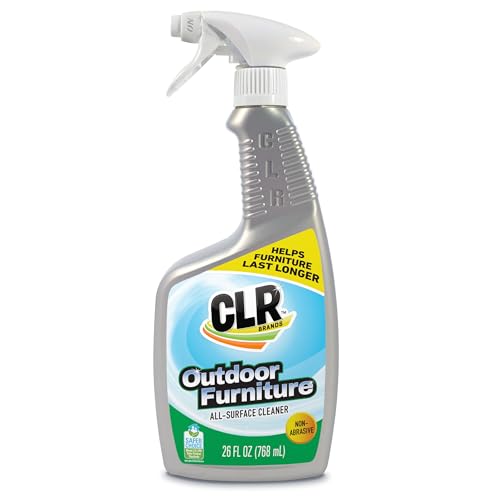
HUNDREDS OF USES: Tackle the whole yard with this powerful outdoor furniture cleaner. Formulated for use on patio, lawn and deck furniture, it is an effective and versatile product for outdoor furniture - from upholstery to plastic play sets.
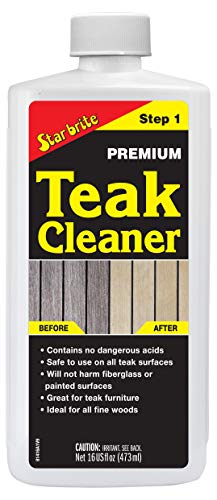
REVITALIZE YOUR TEAK - STAR BRITE Premium Teak Cleaner effortlessly restores the original charm of weathered and gray teak furniture or boat decks without the need for sanding or pressure cleaning

REMOVE TOUGH STAINS: Home Armor Outdoor Cleaner+ powers away dirt, grime, algae, mold and mildew stains. No scrubbing required.
Application Process: Ease and Preparation Requirements
Success in finishing outdoor wood furniture depends entirely on thorough preparation before you apply paint or stain. You’ll start by cleaning the wood with soap and water, removing dirt, mold, and mildew. Next, sand the surface with coarse then fine-grit sandpaper to create texture uniformity for even absorption and adhesion. For painting, apply an oil-based primer on bare wood before your finish coat. When applying stain, use a staining brush along the grain, maintaining a wet edge for seamless coverage. To prevent lap marks and ensure uniform color, apply stain in manageable sections and consider back-brushing for blended transitions. For spray application, maintain 50% overlap on each pass to achieve consistent coverage across the furniture surface. For paint, apply two coats using brushes or sprayers, allowing drying time between applications. These preparation tips and application techniques guarantee durability and a professional finish on your outdoor furniture.

Ideal for use on interior/exterior surfaces including wood, plastic, plaster, metal, masonry and unglazed ceramic

Ideal for use on interior/exterior surfaces including wood, plastic, plaster, metal, masonry and unglazed ceramic

Weather and corrosion resistant coating protects exterior/interior surfaces like wood, metal, concrete, masonry and more
Cost Considerations: Initial Investment and Long-Term Value
Because you’re investing in outdoor furniture protection, understanding the financial implications of paint versus stain requires examining both immediate expenses and long-term maintenance commitments. Stain presents lower initial costs, ranging from $20–$150 per gallon compared to paint’s $50–$200, plus primer expenses. However, stain demands reapplication every 2–8 years, accumulating long term expenses considerably. Paint requires higher upfront investment and extensive surface preparation but lasts 10–12 years before major refinishing. While paint incurs chipping repairs, stain resists peeling but fades faster. Proper surface preparation through pressure washing and sanding ensures the foundation for either finish choice and can significantly impact how well your protective coating adheres and performs over time. Consider your timeline: stain suits short-term projects, while paint’s durability justifies its initial costs over extended ownership periods. Calculate your specific maintenance frequency to determine true long-term value.

Ideal for use on all interior wood projects: furniture, cabinets, doors, trim and paneling

Use on railings, furniture, trim, boats (above the waterline)
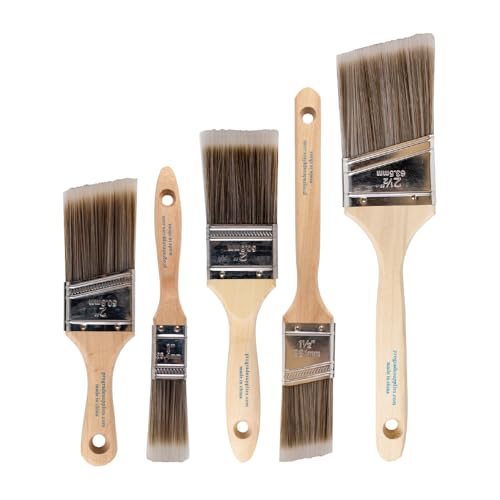
COMPLETE 5-PIECE BRUSH SET FOR EVERY PAINTING TASK — Includes 1 Inch Flat, 1.5 Inch Angle, 2 Inch Flat, 2 Inch Angle Stubby, and 2.5 Inch Angle brush giving you every size professional painters use daily. Get all 5 for less than the price of a single brush from hardware store brands — professional grade performance at a fraction of the cost. Perfect for walls, trim, cabinets, doors, furniture, and detailed cutting-in work on any project.
Environmental Impact: Making an Eco-Conscious Choice
As you weigh paint versus stain for your outdoor furniture, the environmental consequences of your choice extend far beyond the finished product. Stain penetrates wood fibers, minimizing surface flaking and preventing synthetic residues from contaminating soil and waterways. Paint, conversely, forms a surface film prone to chipping, depositing petrochemical derivatives into the environment. Consider eco-friendly alternatives like water-based formulations and plant-based oil stains, which substantially reduce VOC emissions and ecological footprint. Stains demand fewer raw materials during production, requiring less energy than paint manufacturing. Additionally, stain’s breathable nature prevents moisture trapping, reducing maintenance cycles and cumulative environmental burden. For outdoor furniture specifically, tung oil finishes provide superior durability and water resistance while maintaining eco-friendly, non-toxic qualities that align with sustainable wood protection. Solid color stains offer a middle ground, combining the environmental benefits of traditional stains with paint-like appearance for those seeking both aesthetic and ecological advantages. By selecting sustainable options with low-VOC or zero-VOC certifications, you’ll minimize both immediate air quality impacts and long-term ecological degradation while protecting your furniture’s integrity.
Wood Type Compatibility: Matching Finish to Material
Selecting the right finish for your outdoor wood furniture depends critically on the wood species you’re working with, since different woods absorb and respond to stains and paints in distinct ways. Softwoods like cedar and pine are porous, so you’ll want water-based stains with a pre-stain conditioner to prevent blotchy absorption. Cedar’s natural resistance to insects and rot makes it a popular choice, though its relatively soft composition requires careful consideration when selecting protective finishes. Hardwoods such as teak and mahogany have denser wood properties that accept oil-based stains more evenly, offering superior penetration and protection. Your finish varieties should align with these characteristics: water-based options for breathability on softwoods, oil-based for hardwoods’ durability. Paint works universally across both wood types when properly primed. Teak and similar species contain natural oils, potentially requiring minimal finishing. Mahogany, while not quite as weather-resistant as teak, still performs exceptionally well outdoors when treated with proper finishing and maintenance. Match your finish selection to wood properties for ideal longevity and performance.
Making Your Decision: Factors to Consider for Your Furniture
Now that you’ve matched your wood type to an appropriate finish, you’ll need to weigh several practical factors to determine whether paint or stain better suits your specific furniture and circumstances. Consider your aesthetic preferences and personal style first. If you want vibrant color coverage that hides wood grain and imperfections, paint delivers a polished look. Prefer showcasing natural wood beauty? Stain enhances grain patterns while developing character over time.
Next, evaluate maintenance commitment. Paint requires occasional touch-ups but lasts longer between major refinishing. Stain demands less frequent attention but needs reapplication as it fades, especially under intense sun exposure. For maximum protection, applying three coats of polyurethane creates a robust barrier that shields your furniture from harsh outdoor conditions. Similar to how climbing plants need regular pruning and maintenance to thrive, your outdoor furniture’s finish requires consistent care to remain protective and attractive.
Finally, assess your timeline and budget. Staining involves quicker application with minimal prep work, while painting requires thorough preparation, primer coating, and multiple applications.


