Cedar vs. Redwood: Which Wood Is Best for Outdoor Furniture?
You’ll find redwood outperforms cedar for demanding outdoor furniture applications. Its superior density (450 kg/m³ versus cedar’s 380–410 kg/m³) and higher Janka hardness rating (450 lbf versus 350 lbf) deliver better load-bearing capacity and resistance to warping. Redwood’s increased tannin content provides enhanced rot and decay resistance, extending outdoor lifespan to 20–30 years compared to cedar’s 15–25 years. While cedar offers affordability and rustic aesthetics, redwood’s durability justifies its premium cost. Understanding each wood’s specific strengths will help you determine which suits your project best.
Strength and Density Comparison
When you’re selecting between cedar and redwood for outdoor furniture, understanding their fundamental structural properties is essential. Redwood’s density of approximately 450 kg/m³ markedly exceeds cedar’s 380–410 kg/m³, directly affecting their performance capabilities. This density differential translates to superior load bearing capacity in redwood, making it the stronger choice for heavy-duty applications. Redwood’s Janka hardness rating of 450 lbf outpaces cedar’s 350 lbf, providing greater resistance to denting and wear. You’ll find redwood’s strength-to-weight ratio particularly valuable for demanding furniture designs requiring robust structural integrity. While cedar remains adequate for moderate-load applications, its softer composition makes it more susceptible to warping under stress. For furniture demanding exceptional durability and reliable structural support, redwood delivers measurably superior performance.
Natural Durability and Weather Resistance
Because natural durability and weather resistance directly determine how long your outdoor furniture will serve you reliably, understanding how cedar and redwood compare in these critical areas is essential.
Redwood outperforms cedar due to its higher oil and tannin content, delivering superior natural resistance to rot and decay. Its denser structure absorbs less moisture, protecting against water damage in harsh weather conditions. Cedar’s lightweight composition and lower density allow greater moisture penetration over time, requiring more frequent maintenance. Cedar’s relatively soft composition with a Janka hardness rating of only 350 makes it more susceptible to surface damage than redwood in high-traffic areas.
Both woods develop an attractive silvery-gray patina when left untreated. However, redwood maintains structural integrity longer in humid or coastal climates, typically lasting 20–30 years outdoors compared to cedar’s 15–25 years. While both possess natural resistance to insects and decay, redwood’s higher oil concentration provides extended long-term protection, making it the more durable choice for demanding environments. Redwood’s natural tannins and stability guard against warping, cracking, and decay even under variable weather exposure.
Visual Appeal and Aesthetic Qualities
Aesthetics play a pivotal role in selecting outdoor furniture, and cedar and redwood offer distinctly different visual experiences. Cedar presents lighter yellowish-brown to reddish-pink hues with subtle streaks, providing greater color contrast and design versatility for custom finishes. Its fine, uniform grain and soft texture suit rustic aesthetics exceptionally well.
Redwood delivers deep, consistent reddish-brown tones with straight grain patterns that create a refined, polished appearance. Its denser composition and cleaner grain—fewer knots mean less visual disruption—facilitate luxurious finishes.
Both woods weather to silver-gray patina under sunlight, though redwood retains its original warmth longer. Cedar’s lighter base accepts stain and paint readily, enhancing design flexibility. Redwood’s rich density holds finishes cleanly without splintering. Your choice depends on whether you prioritize versatile customization or inherent luxury aesthetic.
How to Work With Each Wood Type
While cedar and redwood share similar outdoor durability, their workability characteristics differ markedly, affecting how you’ll approach cutting, fastening, and finishing your furniture projects.
Cedar’s lightweight nature facilitates superior tool handling with standard woodworking equipment. Its low density and fine, straight grain enable smooth, precise cutting techniques that minimize splintering. However, pre-drill all screw holes to prevent splitting, and clean tools frequently since cedar’s natural oils cause blade gumming.
Redwood demands sharper blades and slower feed rates due to its coarser grain structure. While moderately dense, it still requires pre-drilling for fasteners. Both woods benefit from corrosion-resistant fasteners—cedar’s acids and redwood’s tannic acid corrode standard metal. Apply moderate clamping pressure when gluing to avoid crushing soft fibers. Sand thoroughly before finishing to guarantee proper adhesion and protect against moisture damage. Once your furniture is complete, protect it with spar urethane, which forms a flexible, UV-resistant barrier that lasts 3–5 years with proper maintenance. For outdoor furniture requiring exceptional longevity, teak wood’s natural oil content provides superior weathering resistance compared to cedar and redwood alternatives.
Maintenance Requirements and Care
Once your cedar or redwood furniture’s initial construction is complete, the woods’ natural durability doesn’t eliminate your maintenance responsibilities—instead, it shapes them. You’ll find redwood requires less frequent intervention due to its higher tannin content and denser grain structure, while cedar demands more consistent upkeep.
For cleaning techniques, you’ll apply mild soap and water routinely, then address mold with diluted bleach solutions when needed. Oxalic acid-based cleaners restore color by removing stains effectively. Promptly drying around metal fasteners prevents rust and extends the life of your furniture’s hardware.
Your sealing options differ between woods: redwood needs less frequent applications, while cedar benefits from more regular sealant reapplication. Both woods require annual inspections and periodic finishing to combat weathering, UV exposure, and moisture damage. Proper drying after cleaning prevents trapped moisture that encourages degradation. When applying stain to refresh your furniture’s appearance, use proper application tools like brushes or rollers to ensure even coverage and maintain the protective qualities of your chosen wood. Additionally, applying a semi-transparent stain with UV inhibitor every two years helps preserve the original appearance and protects against sun damage.

Dynaflex Ultra is powered by Weather Max Technology for long-lasting, all weather protection, making it the perfect exterior sealant for windows, door, siding and trim

All-in-one protection and color – Combines premium wood stain and durable sealant for easy application, offering a rich palette of colors while shielding against UV rays, moisture, and weathering

WATER-BASED POLYURETHANE WOOD FINISH: Our sealant provides top-notch protection against wear and tear in high traffic areas. It's odorless and suitable for use on wood siding, log homes, swing sets, outdoor furniture, wooden deck and fence, and more
Pricing and Where to Source Materials
Because redwood commands approximately 15% higher prices than cedar for equivalent board sizes—a 2x6x16-foot redwood decking board costs around $36 compared to less than $31 for cedar—your material budget will greatly influence which wood you’ll select for outdoor furniture projects. Cedar’s broader global availability makes it your most economical choice, particularly for larger undertakings. Your sourcing options depend on geography: redwood availability concentrates on the US West Coast, while cedar distributes more widely. When developing pricing strategies, consider grade selection—redwood offers approximately 30 grades versus cedar’s 10, affecting cost variability considerably. Premium redwood grades command higher prices due to superior aesthetics and density. Like cypress, cedar’s natural resistance to decay provides additional value considerations beyond initial material costs. For enhanced durability beyond wood selection alone, protective coatings like marine spar varnish can significantly extend the lifespan of your outdoor furniture investment. Local lumberyards and specialty timber suppliers provide competitive pricing based on regional availability and demand dynamics.
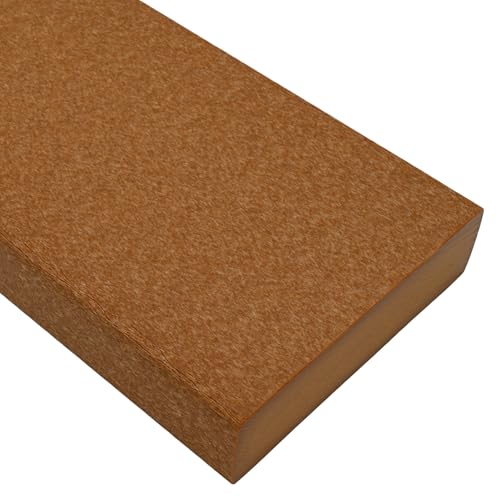
NOTICE: The 1×4 profile is 0.75" thick and 3.5" wide. The length includes a ±0.125" tolerance.

PENETRATING OIL-BASED WOOD STAIN – Advanced conditioning oils penetrate deep into wood fibers while drying oils lock in protection, helping prevent cracking, peeling, and premature wood deterioration.
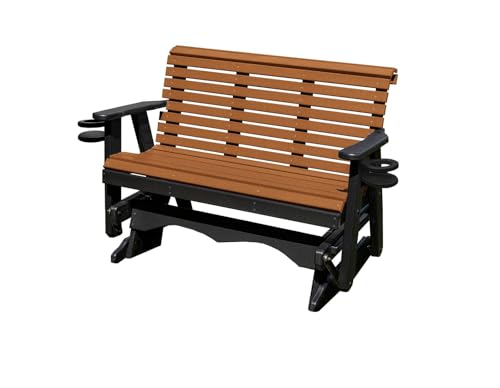
1000 LB CAPACITY — BUILT LIKE A TANK - Engineered to support up to 1000 lbs with reinforced anti-sag metal plates and structural bracing. Zero wobble. Zero flex. Designed for real family use, not decorative display. CUPHOLDERS included.
Rot, Decay, and Insect Protection
When you’re selecting wood for outdoor furniture, understanding how each species resists biological and environmental threats becomes critical to your project’s longevity. Redwood’s superior tannin levels and dense grain structure make it exceptionally resistant to rot and fungal decay in humid environments. Cedar offers strong decay resistance through its natural oils, though its lower tannin concentration places it slightly behind redwood.
For insect resistance, both woods excel naturally. Redwood’s higher oil content deters termites and wood-boring pests more effectively over time, while cedar’s aromatic oils provide solid protection that may diminish with prolonged moisture exposure. You’ll find redwood maintains its protective properties longer in consistently wet conditions, making it the more reliable choice for demanding outdoor applications where durability matters most. However, for maximum longevity in harsh outdoor environments, pressure-treated wood offers chemical preservation that can extend furniture lifespan to 15-30 years or beyond. For those seeking even greater durability with minimal maintenance requirements, resin furniture provides exceptional resilience against weather, rot, and fading while requiring only soap and water for cleaning.
Longevity and Expected Lifespan
Both western red cedar and redwood can deliver 30 years of outdoor service, though their durability trajectories differ meaningfully based on maintenance commitment and environmental conditions. Redwood’s higher density and natural preservatives edge it slightly ahead in longevity factors, typically requiring less frequent intervention. Cedar demands more vigilant upkeep—sealing every 8–12 months—to maintain its expected lifespan. Without protection, untreated cedar shows weathering within days in harsh climates, while redwood’s structural integrity persists longer. Your expected lifespan depends critically on climate exposure, wood grade, and installation quality. Heartwood content matters substantially; ground contact and moisture retention accelerate decay regardless of wood type. Investing in routine maintenance and physical protection—shade, covers, proper drainage—significantly extends either wood’s functional life outdoors. Proper spacing and level alignment of outdoor structures, similar to the precision required in deck construction, also contribute to long-term durability and weather resistance. Conducting routine inspections and repairs helps identify early signs of damage and prevents minor issues from becoming costly structural problems that compromise your furniture’s longevity.
Ideal Projects for Each Wood
While cedar and redwood share similar outdoor applications, their distinct properties make each better suited to specific furniture projects. Cedar excels for lightweight, portable pieces like folding tables and Adirondack chairs, where its moderate strength and workability shine. You’ll find cedar ideal for rustic designs emphasizing natural finishes and weathering aesthetics.
Redwood outperforms cedar in heavy-use furniture requiring dimensional stability, such as outdoor coffee tables and garden benches. Its superior grain pattern and smooth finishing satisfy higher-end outdoor design considerations. For projects demanding exceptional longevity and weather resistance, Siberian larch offers an excellent sustainable alternative that can last 10–50 years or more with proper maintenance. Unlike rubberwood, which experiences moisture absorption issues that cause warping and deterioration outdoors, these hardwoods are naturally suited for external environments. When selecting between these woods, prioritize your best furniture types based on intended use: choose cedar for casual, lightweight solutions and redwood for durable, elegant seating that withstands frequent use and formal garden settings.

100% Genuine Cedar Wood: This small round side table is crafted of sustainably harvested solid cedar wood known for its natural resistance to the elements. Foldable design for portability

Authentic Original Design: This is the real table designed specifically for fish and game cleaning tasks
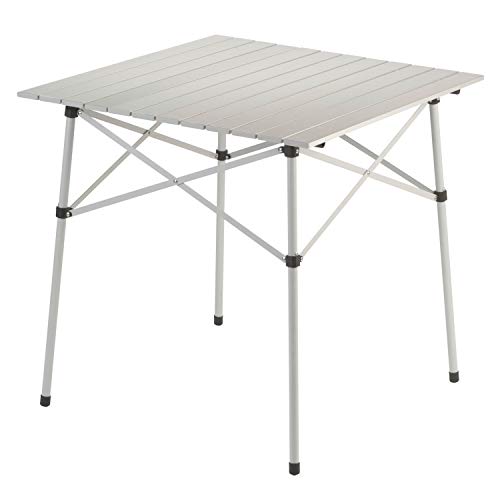
Sturdy slat top is aluminum and rolls up for compact storage
Making Your Final Selection
Your choice between cedar and redwood ultimately depends on balancing three critical factors: budget constraints, maintenance capacity, and the furniture’s intended lifespan. If you’re cost-conscious, cedar’s affordability makes it ideal for large-scale projects despite requiring more frequent maintenance. Conversely, redwood’s superior durability—with a 23% greater hardness rating and 20–30 year lifespan—justifies its higher initial investment through reduced upkeep.
Consider sustainability factors when evaluating wood alternatives; both species offer natural decay resistance, though redwood’s higher oil content minimizes chemical treatment needs. For high-traffic furniture experiencing regular use, redwood’s density prevents dents and warping better than cedar’s softer composition.
Ultimately, prioritize longevity if you want minimal maintenance, or select cedar if upfront costs outweigh long-term value considerations for your specific application.

Modern and Ergonomic Design: The design of our patio furniture set is simple, stylish and Ergonomic. It is perfect to decorate your your yard, poolside, balcony, patio and indoor area. Provide great comfort for you while you are enjoying your leisure time

Durable and Long-Lasting: This metal patio furniture set is constructed from steel, offering a stable structure with excellent strength. This small patio furniture set frame features an external rust-proof coating that provides water resistance and corrosion protection, ensuring a long service life

Simple & Practical: Closed armrest and leg design makes the chair simple but modern and no need to worry about the rattan falling off when they are used after a long time.