How to Make DIY Cushion Covers for Patio Furniture
You’ll craft professional outdoor cushion covers by selecting solution-dyed fabrics like Sunbrella for superior UV protection, gathering essential tools including a quality sewing machine and UV-bonded thread, then measuring your cushions seam-to-seam with precision. Master basic stitching techniques—backstitches for durability, slipstitches for invisible hems—while cutting fabric with a rotary blade for clean edges. Apply weatherproof sealants and UV protectants annually to extend your covers’ lifespan beyond two years. The techniques that elevate your project from functional to furniture-quality await.
Choosing the Right Fabric
Before you cut and sew, you’ll want to understand how different outdoor fabrics perform. Solution-dyed acrylics like Sunbrella deliver superior fade and mildew resistance, making them ideal for sun-exposed cushions. Olefin offers comparable durability with eco-friendly credentials—it’s recyclable and bleach-cleanable. Both fabrics resist water and stains effectively.
For fabric characteristics, consider your climate and furniture placement. Woven polyester and olefin provide 1000–1500 light hours of UV protection, while solution-dyed acrylics extend protection to 2+ years. Vinyl-coated polyester works best for high-traffic sling chairs.
If sustainability matters, prioritize eco-friendly options: olefin and solution-dyed acrylics are recyclable and often GREENGUARD® certified. Avoid cotton and linen for permanent outdoor installations—they’re less durable and demand frequent maintenance. Choose your fabric based on durability needs and environmental values.

✅❮❮PRODUCT INFO❯❯ Content: 100% Solution Dyed Acrylic | Width: 54" Wide | Stretch: None | Weight: 1/2lb per yard | Water Repellant / Breathable fabric | UV Protected: YES | Water Resistant: YES

Durable Material: This fabric is solution dyed acrylic, making it highly resistant to fading and weathering. breathable solution-dyed acrylic that is UV water resistant and does not noticeably shrink or stretch. Both sides of this awning fabric are the same meaning that either side can be exposed to the outside
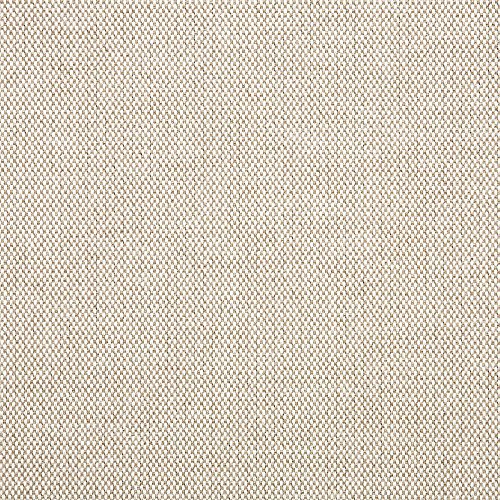
100% Solution Dyed Acrylic
Essential Tools and Supplies
Once you’ve selected your fabric, gathering the right tools and supplies will determine whether your cushion covers turn out polished or amateur. You’ll need a reliable sewing machine with a zipper foot attachment for professional seams and UV-bonded polyester thread (1,350+ yards) that withstands outdoor conditions. Invest in quality fabric scissors or 10-inch stainless steel shears for precise cutting. A measuring tape, clear acrylic ruler, and cutting mat guarantee accuracy. For sewing safety, keep pins organized and needles properly secured. Stock 24-inch zippers matching your cushion width for removable covers. Prepare outdoor cushion foam—handsaw works best for cutting—and waterproofing spray for finishing. Proper fabric storage prevents wrinkles and damage before assembly begins.

🎈Simple and practical design, easy to operate;

✅ PROFESSIONAL ZIPPER INSERTION: Sew zippers with precision by stitching close to zipper teeth for clean, secure finishes. Perfect for dresses, skirts, cushions, and other sewing projects requiring accurate zipper placement.
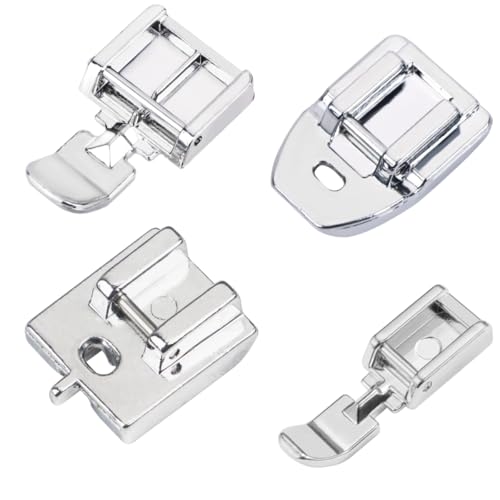
4 Essential Zipper Feet: Complete set includes wide zipper foot, narrow zipper foot, invisible zipper foot, and concealed zipper foot to handle every zipper sewing need
Taking Accurate Measurements
Precision measurements form the foundation of well-fitting cushion covers, so you’ll want to approach this step methodically rather than eyeballing dimensions. Use a rigid tape measure stretched taut across your seat, recording width between armrests and depth from front edge to backrest. Measure at three points—front, center, and rear—using the widest measurement for accuracy.
For back cushions, measure from top of backrest to where it meets the seat, then subtract your cushion thickness to prevent overhang. Account for various cushion shapes by noting highest and lowest points during measurement.
Apply the seam-to-seam protocol for existing cushions: lay covers flat and measure from seam to seam rather than edge to edge. Add one inch to both dimensions for a snug, comfortable fit with slight coverage. These measurement tips guarantee professional results regardless of cushion shapes or furniture style.
Cutting Your Fabric Pieces
With your measurements locked in, you’re ready to transform fabric into precision-cut pieces that’ll form the foundation of your cushion covers. Start by laying your waterproof, UV-resistant fabric on a large, flat surface and iron it thoroughly—this guarantees smooth, wrinkle-free material for accurate cutting techniques. Use a fabric cutting mat and rotary blade to maximize precision while cutting your top and bottom panels, adding one inch total to original measurements for seam allowances. Round corner edges with fabric scissors for professional polish. For side panels, calculate length by totaling all four cushion sides plus one inch; height equals filling depth plus one inch. Cut all pieces simultaneously before sewing to secure consistency across your project. If your patio furniture will be permanently installed, ensure your cushion covers are securely fastened using load-bearing attachment points similar to those used in structural installations.

Self-healing cutting mat, protect your working table surface, the mat surface was soft PVC, don't hurt the cutter blade, Blades are much more durable.You can use this mat as a desktop protector or DIY cutting board at your room, home, school or office

SELF-HEALING DESIGN: Made of 5-layer PVC material, Unique self healing properties protects your craft knives, straight cutting blades, rotary cutter and work surface. Re-seals after every cut.

Country Of Origin: Japan
Mastering Basic Sewing Techniques
Now that you’ve got your fabric pieces cut to perfection, it’s time to master the stitching techniques that’ll hold everything together with both strength and finesse. Start with the backstitch for durable seams that mimic machine stitching—it’s essential for cushion covers exposed to outdoor elements. For invisible hems, employ the slipstitch along folded edges for a polished aesthetic. When using your sewing machine, practice maintaining straight lines by keeping fabric taut and removing pins just before stitching. Always backstitch at seam beginnings and endings to prevent unraveling. Different fabric types demand specific approaches: lightweight fabrics benefit from delicate tension, while heavy outdoor materials require reinforced stitching. Iron seams open post-sewing to eliminate bulk and achieve professional results. To protect your finished cushion covers from the elements, avoid using harsh chemicals or abrasive cleaners that can damage the fabric during maintenance. Once your cushion covers are complete, remember that protective sealants and finishes will help extend their lifespan and keep them looking fresh when exposed to outdoor conditions.

【Strong Adhesion】After investigating the viscosity of various canvas repair tapes / outdoor gear patches, the glue we use is almost the best on the market. We have increased the volume of glue by 20% compared to traditional products. Canvas outdoor gear repair patch is a real sense of strong self-adhesive, stick more firmly, not easy to fall off, repair more natural. At the same time can be removed without residue

【Strong Adhesion】After investigating the viscosity of various canvas repair tapes / outdoor gear patches, the glue we use is almost the best on the market. We have increased the volume of glue by 20% compared to traditional products. Canvas outdoor gear repair patch is a real sense of strong self-adhesive, stick more firmly, not easy to fall off, repair more natural. At the same time can be removed without residue

COMPLETE KIT: Includes 50 sets(150pcs) 15mm marine grade snap fasteners, equipped with 3 heavy-duty setting tools, perfect for installation and repair projects
Assembling Your Cushion Cover
Your fabric pieces transform into a functional, fitted cover through strategic assembly that prioritizes both structural integrity and visual polish. Begin by placing your cover back on the cushion while it’s inside-out, then pin at front corners where the cushion edge stops to mark precise seam lines. This corner construction creates dimensional depth matching your cushion thickness and prevents wrinkles in the finished cover.
Next, pin side seams before removing from the cushion to guarantee proper seam alignment during sewing. Use your machine’s zipper foot attachment and maintain a 1/4-inch seam allowance as you stitch, keeping covers snug for a smooth appearance on your furniture. These structural seams provide the integrity your cover needs for lasting durability and professional-quality results. For best performance, ensure your cushion covers are machine washable so they can be easily cleaned and maintained throughout the season. Additionally, consider applying fabric sealants to protect vulnerable areas like seams and zippers from moisture seepage that can damage cushion interiors.
Applying Waterproofing and Finishing Touches
Once you’ve completed your seams and fitted your cover perfectly, protecting it from the elements becomes essential for extending its outdoor lifespan. You’ll find multiple waterproofing options available, each offering distinct advantages based on your needs and budget.
For sealant application, clean your covers thoroughly with mild soap and warm water, then dry completely. Apply spray treatments six to eight inches from the fabric surface using even strokes, avoiding saturation. Pay particular attention to seams, zippers, and piping—these vulnerable areas require careful coverage.
Allow treated covers to cure for at least 24 hours before use. Consider adding water-resistant liners or wrapping foam inserts in plastic to create additional moisture barriers. Test water beading after drying; reapply if absorption occurs. Seasonally refresh your waterproofing treatment to maintain peak protection against weather exposure. Just as protective covers shield against UV rays, dirt, pollen, rain, snow, and wind, your DIY cushion covers will benefit from consistent seasonal maintenance and reapplication of weatherproof sealants.

WATER REPELLENT SPRAY: One Scotchgard Outdoor Sun & Water Shield Fabric Spray, 10.5 oz can, that repels water and protects against the sun's UVA/UVB rays
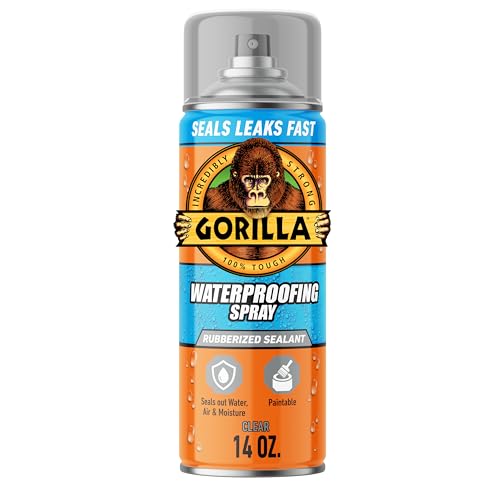
Seals out water, air, and moisture: Gorilla waterproof sealant provides a flexible rubberized coating that seals out water, air, and moisture to stop and prevent leaks
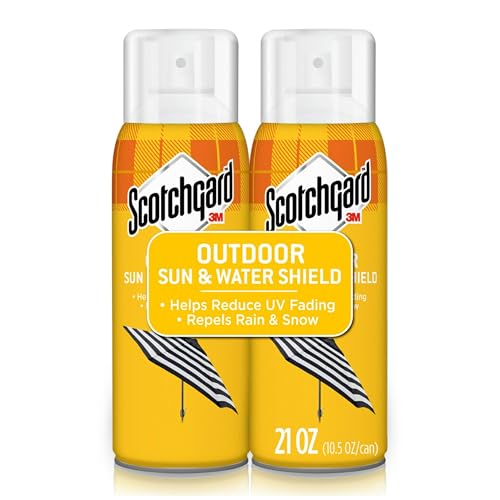
Strong fabric protection repels water based spills for easier cleanup
Maintaining Your Outdoor Covers
Because weathering and UV exposure continuously challenge outdoor fabrics, establishing a consistent maintenance routine becomes your best defense against premature deterioration. Your cleaning schedule should address seasonal buildup and immediate spill response, adjusted for local climate conditions and usage intensity.
Implement protective measures by storing covers indoors during winter and harsh weather. Elevate cushions post-rain to facilitate drainage and prevent moisture accumulation that breeds mold and mildew. Ensure proper ventilation around stored furniture to prevent moisture buildup underneath protective coverings. Consider using quick-drying cushion foams designed specifically for outdoor applications to minimize moisture retention.
Apply UV protectant sprays annually—products like 303 Aerospace Protectant greatly enhance sun resistance. Inspect zippers regularly and lubricate them with silicone-based products to maintain smooth operation and cover integrity.
Always reference manufacturer guidelines for fabric-specific care requirements. These practices preserve warranty coverage while extending your covers’ lifespan and aesthetic appeal.