The Top of a Pergola: Understanding the Lattice Roof
You’re investing in engineered precision when you choose a lattice roof pergola. The crisscrossed slat patterns aren’t merely aesthetic—they’re calculated to control light penetration, manage heat distribution, and resist structural warping. Triple-ply headers prevent sagging while notched intersections and engineered brackets provide stability against weather conditions. Material selection—whether wood, vinyl, aluminum, or polycarbonate—directly impacts durability and maintenance demands. Your design flexibility spans configurations from rectangular to arched styles with customizable aesthetics. Understanding these structural and functional components reveals why proper installation and seasonal maintenance determine your pergola’s long-term performance.
What Makes a Lattice Roof Pergola Unique
When you’re designing an outdoor structure, a lattice roof pergola stands apart through its engineered open-roof system that combines visual functionality with structural precision. The crisscrossed slat patterns create distinctive lattice roof aesthetics while serving practical purposes—allowing customizable light and shade control through adjustable orientations.
You’ll appreciate the unique structural benefits these pergolas deliver. Engineered connection brackets and notched intersections actively resist warping, maintaining integrity over time. Triple ply headers prevent sagging, ensuring your structure remains straight and stable. Arched rafters with scalloped ends add architectural sophistication beyond typical designs. Proper construction requires precise miter and compound angles at connection points to ensure seamless joints throughout the framework.
Whether you choose pressure-treated pine or durable aluminum construction, you’re investing in a structure that adapts to your specific outdoor space. For wood options, naturally durable woods like cedar and redwood offer superior resistance to weathering compared to untreated softwoods. Available in attached, standalone, or cantilevered configurations, lattice roof pergolas deliver both aesthetic appeal and dependable performance.

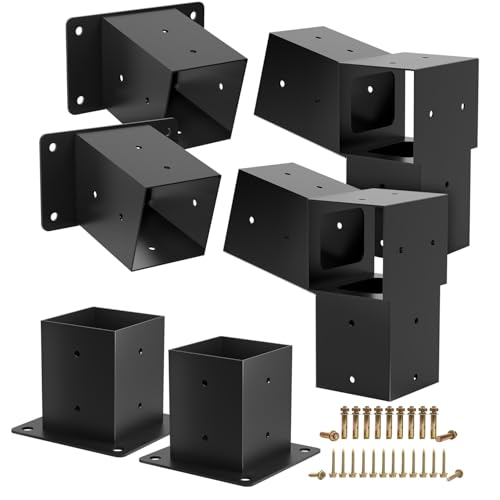
Upgrage 3-Way Right Corner Brackets: Our Grehitk pergola brackets are extended 3-Way right angle corner bracket. It has enhanced the stability of the pergola, even in inclement weather. The 4x4 pergola brackets post features weather-proof performance and a stable frame, so you do not have to worry about the attack and damage to storms and wind.

Premium 2.5mm Reinforced Steel Construction:Crafted from upgraded 2.5mm thick galvanized steel (thicker and stronger than standard 2mm market brackets), these pergola brackets deliver enhanced structural integrity and long-term durability. The extended 5.9-inch design provides greater support surface and improved weight distribution, ensuring a more stable and secure pergola structure for heavy-duty outdoor projects.
Premium 2.5mm Reinforced Steel Construction:Crafted from upgraded 2.5mm thick galvanized steel (thicker and stronger than standard 2mm market brackets), these pergola brackets deliver enhanced structural integrity and long-term durability. The extended 5.9-inch design provides greater support surface and improved weight distribution, ensuring a more stable and secure pergola structure for heavy-duty outdoor projects.
Shade and Sun Protection Benefits
Beyond the structural sophistication that defines lattice roof pergolas, their engineered open-roof systems deliver substantial shade and sun protection benefits that enhance outdoor comfort year-round. You’ll experience dynamic shade patterns created by slat spacing and angles that filter sunlight while maintaining airflow. The dappled coverage reduces glare and heat, making your patio noticeably cooler on hot days. UV-resistant materials provide meaningful sun safety, protecting your skin from harmful rays while preserving natural light benefits. You’ll also shield outdoor furniture from fading and reduce indoor cooling costs through lower heat absorption into adjacent structures. Adjustable louvers let you control exposure throughout the day, aligning slat orientation with specific sun angles. To maintain the appearance and durability of wood pergolas exposed to the elements, consider applying oil-based stain every few years to preserve protection and enhance the wood’s natural color. This balanced approach delivers comfort without complete darkness, enabling year-round outdoor entertaining with customizable protection, allowing you to extend your living spaces across all seasons while maintaining flexibility in your outdoor design.
Material Options and Durability
Since you’re selecting a lattice roof material, you’ll need to balance aesthetics, maintenance requirements, and long-term durability against your climate and budget. Your material comparison reveals distinct trade-offs. Wood lattice provides classic appeal but demands regular sealing and succumbs to warping in humid climates. Vinyl offers low-maintenance durability and moisture resistance, though it can become brittle in extreme cold. Aluminum combines lightweight construction with superior corrosion resistance, ideal for coastal areas. For enhanced weather protection, polycarbonate panels withstand heavy snow and rain while transmitting natural light. Steel and aluminum roofing deliver exceptional longevity—15–30 years—though steel requires additional structural support. Your design considerations should prioritize your local climate, maintenance capacity, and desired aesthetic to determine the best material selection. For pergolas with longer spans, stronger posts and beams such as 6×6 lumber or doubled beams may be necessary to support heavier roofing materials effectively. Proper installation techniques, including securing posts in concrete and ensuring level foundations, will maximize the durability of your chosen roofing material.

Decorative screen panels can enhance both indoor and outdoor spaces, creating the perfect accent or focal point


Decorative screen panels can enhance both indoor and outdoor spaces, creating the perfect accent or focal point
Customization and Design Flexibility
Once you’ve selected your material, you’ll reveal that pergola roofs offer extensive design possibilities that extend far beyond basic structural choices. You can choose from rectangular, square, arched, or gabled configurations based on your design inspirations and functional requirements. Your layout adaptability includes options like louvered roofs for adjustable shade control or retractable systems for variable coverage. You’ll customize aesthetic elements through color palettes, integrated lighting, and decorative screens. Consider motorized systems for remote operation or pitched designs for improved water management. You can incorporate climbing plants, add gutter systems, or integrate audio-visual components. Materials like polycarbonate and aluminum provide both durability and aesthetic appeal while offering superior weather resistance compared to traditional options. Ensure that your design choices comply with local building codes to maintain structural integrity and safety. These customization features allow you to align your pergola’s design with your home’s architecture while maintaining structural integrity and functional performance.
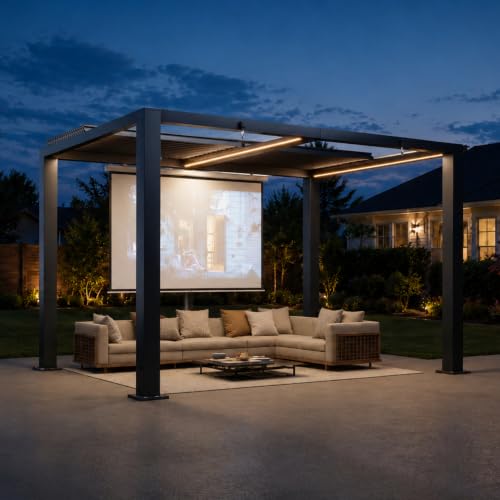
[Heavy-Duty Frame & Hidden Drainage] - Built with a reinforced aluminum and galvanized steel frame featuring a 5.75" center beam and 3.94" x 3.94" heavy-duty posts for enhanced stability and durability, this pergola is designed to withstand winds up to 90 MPH when properly anchored. Engineered to resist rust, corrosion, and outdoor elements, it features a hidden gutter system. Backed by a 2-year warranty for added peace of mind

[One-Touch Electric Control] – Effortlessly adjust shade coverage with a remote-controlled motorized system. Extend or retract smoothly for perfect sun protection anytime.

[Heavy-Duty Frame & Hidden Drainage] - Built with a reinforced aluminum and galvanized steel frame featuring a 5.75" center beam and 3.94" x 3.94" heavy-duty posts for enhanced stability and durability, this pergola is designed to withstand winds up to 90 MPH when properly anchored. Engineered to resist rust, corrosion, and outdoor elements, it features a hidden gutter system. Backed by a 2-year warranty for added peace of mind
Installation and Structural Options
As you move from design planning to actual construction, you’ll need to understand how a lattice roof pergola comes together through a series of precise attachment methods and structural components.
Lattice roof installation requires attaching rafters to support beams with screws or bolts, then securing lattice panels to both beams and rafter sides at consistent 2-to-3-foot intervals. You’ll align each piece carefully to maintain uniform patterns across the roof surface.
For structural reinforcement methods, you’ll use rafter hangers connecting rafters to beams, bolts with washers fastening support beams to posts, and knee braces reinforcing critical joints. Ledger boards anchor your pergola to the house wall using lag screws or bolts along level chalk lines. When attaching to brick versus wood siding, consider that brick may require alternative methods due to its fragility compared to wood surfaces. Ensuring posts are set in concrete footings will provide the necessary stability and support for your entire pergola structure against weather conditions.
Pre-drilled holes streamline assembly accuracy while fascia boards provide finished edges with rough sides facing outward.
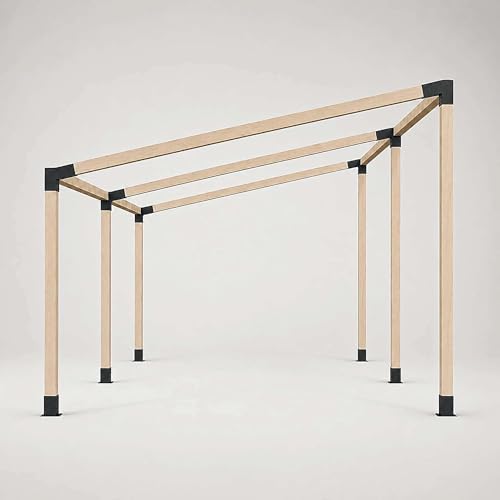
「WIDE APPLICABILITY」Pergola bracket kit is suitable for sloped types of pergola. Convenient for building balconies, carports, barns, greenhouses, outdoor terraces, etc. According to your needs to meet different places and uses.

Fits 3.5x3.5 Inch Wood Posts: This 4x4 pergola kit is ideal for building a pitched-roof pergola and fits actual wood sizes of 3.5 x 3.5 inches (92 x 92 mm), compatible with both softwood and hardwood
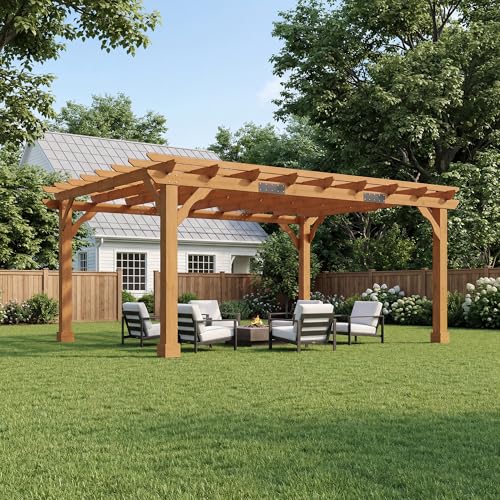
Wooden Pergola Design: Crafted from solid cedar wood, this wooden pergola features a warm red-brown finish that adds natural charm to patios, gardens or poolside spaces
Maintenance and Longevity Features
With your lattice roof pergola properly constructed and secured, protecting that investment through strategic maintenance guarantees your structure performs reliably for decades. Your pergola care routine depends entirely on material selection. Aluminum structures demand minimal upkeep—occasional cleaning with mild soap preserves both functionality and lattice aesthetics while resisting rust for 20-30+ years. Wood requires annual staining and sealing, deteriorating rapidly without treatment. For wood pergolas, proper surface preparation including pressure washing and sanding ensures the stain adheres evenly and provides lasting protection. Vinyl needs periodic cleaning to prevent mildew but can fade under intense sun exposure, lasting 10-20 years. Steel demands rigorous rust prevention in humid climates, offering only 5-15 years lifespan. For cushioned seating areas on your pergola, you should apply UV rays and direct sunlight during the drying process to help eliminate mold spores and prevent future growth. Regardless of material, you’ll inspect connections, tighten bolts, and check gutters seasonally. Professional installation assures your lattice roof integrates properly with local weather demands, maximizing structural integrity and longevity.
Choosing the Right Lattice Pergola for Your Space
How do you select a lattice pergola that balances your aesthetic preferences with functional requirements? Start by evaluating your outdoor aesthetics and architectural style. If you favor contemporary design, choose aluminum with clean lattice patterns and neutral tones. For traditional settings, opt for Western Red Cedar with intricate designs and cream finishes. Examine your space’s dimensions to determine whether you need custom sizing, attached or freestanding configurations. Consider functional elements: vertical or angled slats control shade differently, while integrated LED lighting and retractable canopies enhance usability. Material selection matters—wood offers warmth, vinyl provides durability, and metal delivers modern appeal. Match your pergola to existing landscape features and climbing plant options. Before finalizing your pergola choice, budget for building permit fees which typically range from $60 to $150 depending on your local requirements. Pergolas can also support eco-friendly features like solar panels, adding sustainability to your outdoor investment. This systematic approach guarantees your lattice pergola meets both aesthetic and practical needs.

Seamless Integration: The Mirador Deco Wall Panorama seamlessly fits the Mirador 111 Series pergolas and gazebos. Its horizontal grid design provides an elegant, cohesive look while enhancing your outdoor space with style and functionality.

🎉🎉 Discover Domi's Latest Louvered Pergola Series!- Based on our classic design, we've optimized the structure for a fresh backyard experience. With competitive pricing, it's time to elevate your outdoor space affordably.

Aluminum Louvered Roof: Engineered with thick, reinforced aluminum louvers, this louvered pergola is built to handle winters and protect your outdoor space. It supports snow loads up to 8.2 psf, helping prevent sagging and costly seasonal damage. The louvers rotate from 0° to 85° to adjust shade and airflow.