
How to Clean Your Deck Before Staining: A Complete Guide
You’ll need to clear debris, inspect for damage, and apply an appropriate cleaner—oxygen bleach for eco-friendly results or chlorine bleach for mold removal. Let the cleaner dwell for 5–15 minutes, then scrub along the wood grain with a stiff brush. Apply wood brightener to restore the natural appearance, then rinse thoroughly. Sand progressively with coarse, medium, and fine grits to open wood pores. Verify the deck dries completely—ideally 2–3 days—before staining. Following these steps prepares your surface for ideal sealant adhesion and lasting protection.
Initial Deck Preparation and Assessment
Before you can properly stain your deck, you’ll need to clear the surface completely and assess its current condition. Start by removing all furniture, planters, and decorations, then sweep away leaves, twigs, and debris with a stiff-bristle broom.
Next, conduct a thorough inspection for deck damage. Check wood boards for cracks, splits, and warping, and look for rot or soft spots indicating fungal growth. Examine fasteners for rust or looseness, and identify any lifting boards. Note areas with peeling paint or failed stain.
This seasonal maintenance step reveals structural issues requiring attention before staining. Replace severely damaged boards, secure loose fasteners, and fill small cracks with exterior-grade wood filler. Sand splintered edges for safety. For mildewed or discolored spots, you may want to apply light sanding to ensure even staining results. Use deck cleaners or pressure washing to remove stubborn mildew and old stain residues that can interfere with new stain adhesion. Addressing these problems now prevents future staining failure and extends your deck’s longevity.
Choosing the Right Cleaning Agents
Once you’ve addressed structural issues and cleared debris, selecting the appropriate cleaning agent becomes your next priority. You’ll find several options that balance cleaning effectiveness with your specific needs.
Oxygen bleach cleaners offer eco-friendly options using sodium percarbonate to break down organic stains without damaging wood’s cellular structure. They’re ideal if you’re concerned about nearby plants and vegetation.
Chlorine bleach cleaners deliver powerful mold and mildew removal but risk wood damage with repeated use. You’ll need protective measures for surrounding plants.
For stubborn stains, acid-based cleaners tackle rust and tannin discoloration effectively, though they require careful handling and thorough neutralization. For patio furniture with vinyl straps, avoid harsh chemical cleaners that can degrade materials, and consider alternative fastening methods if you need to restrap furniture after cleaning.
Consider biodegradable, non-toxic formulations if environmental impact matters to you. These gentle options work well on all decking materials while protecting your landscape.
After selecting your cleaning agent and completing the cleaning process, thorough deck sanding is essential to ensure your deck stain applies evenly and achieves a professional finish.

Oxygen-Powered Stain Removal:Break down tough stains like wine, coffee, grass, sweat, and blood with our powerful sodium percarbonate formula. Acts as a laundry booster that helps whiten whites, brighten colors, and lift deep-set stains with the natural power of oxygen.

Cleans Cleans decks, Fences and other outdoor structures such as pergolas, gazebos and carports

Professional concentrate cleans decks, siding, driveways, and patios - perfect for homeowners preparing for BBQs, real estate agents staging homes, or contractors finishing jobs.
Applying Cleaner and Letting It Work
To maximize your cleaner’s effectiveness, you’ll want to start by lightly wetting the deck surface with water, which enhances absorption and helps the cleaning agent spread evenly across the wood. Apply the cleaner generously using a pump sprayer, garden sprayer, mop, or stiff brush, working from the base of vertical surfaces upward. Make sure you dissolve any powder crystals in a bucket first to prevent sprayer clogging.
For dwell timing, allow the cleaner to sit for 5 to 15 minutes on most products. Maintain a wet surface throughout this period by misting or reapplying as needed—don’t let it dry prematurely. In sunny conditions, work in small sections or shade the area. Thoroughly cleaning your deck at this stage helps remove dirt, mildew, and old coatings that could otherwise prevent proper stain adhesion. Proper preparation ensures the cleaner can effectively open the wood grain for optimal results. Avoid leaving the deck overnight; proceed to scrubbing while the surface remains damp for ideal results.
Using a Wood Brightener for Restoration
After you’ve completed your cleaning and scrubbing, you’ll apply a wood brightener—a liquid or powdered concentrate that neutralizes alkaline cleaners and restores your deck’s natural appearance. Wood brightener benefits include opening wood pores for better stain penetration, removing tannin and rust stains, and restoring weathered wood to a lighter tone.
For application techniques, pre-wet dried sections with a garden hose, then apply the solution liberally using a brush or pump sprayer. Allow 3-5 minutes dwell time. Always add brightener last when mixing with water to minimize foaming.
Rinse thoroughly for 15-30 minutes using a garden hose or pressure washer to remove all residual solution. Complete rinsing guarantees proper pH balance and ideal surface preparation. Allow the deck to dry completely before proceeding to staining, as solid stain application requires a fully dry surface for optimal adhesion and finish quality. For best results, ensure moderate temperature conditions are present during and after staining to promote proper curing.
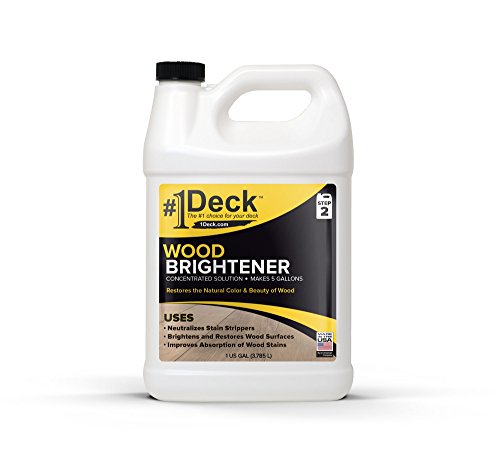
Restores wood's natural color and beauty
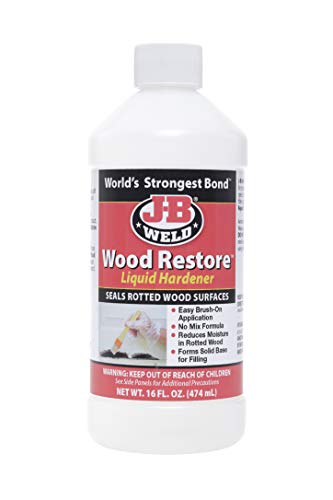
JB WOOD RESTORE LIQUID HARDENER: Is a quick drying liquid for sealing and reinforcing decayed or rotted wood; for reducing moisture in decaying or rotted wood surfaces, prior to putty filling.

Brightens and conditions exterior siding, fences and decks
Scrubbing and Removing Stubborn Stains
When you’re ready to tackle surface debris and discoloration, you’ll want to use a stiff-bristled brush designed specifically for wood decks—anything harsher, like wire brushes, can gouge the wood and compromise stain adhesion. Apply your cleaning solution liberally and let it dwell for 5–20 minutes before scrubbing, which loosens tough stains effectively. Your scrubbing techniques should follow the wood grain to prevent surface damage and enhance cleaning efficiency. For stubborn stains like algae or mold, use sodium percarbonate-based cleaners and repeat applications if necessary. Allow the deck to dry fully before staining to ensure the cleaning solution doesn’t interfere with stain absorption and adhesion. After scrubbing, rinse thoroughly to remove residues that interfere with stain absorption. Proper surface preparation through thorough cleaning is essential for proper adhesion of the new finish. If stains persist after drying, light sanding with 120–150 grit sandpaper removes surface discoloration and exposes fresh wood fibers, improving stain adhesion.
Rinsing Your Deck Thoroughly
Thorough rinsing is critical after you’ve scrubbed your deck, as it removes all residual cleaning agents, dirt, mildew, and algae that’d otherwise inhibit stain adhesion and create an uneven finish. Begin rinsing immediately after your cleaner’s recommended dwell time, typically 5 to 20 minutes.
For rinse techniques, use a garden hose with a spray nozzle or a pressure washer at low pressure (under 500 psi), working in overlapping passes along the wood grain. Avoid stopping mid-board to prevent cleaning lines.
Regarding rinse timings, multiple passes may be necessary if residue remains visible. Allow water to flow freely off the deck without pooling. After rinsing, let your deck dry completely—generally 24 hours—before staining to prevent moisture trapping. This thorough drying period is essential because trapped moisture can compromise stain penetration and adhesion. Proper drying ensures the smooth, clean wood surface is ready for optimal stain penetration and adhesion.
Drying and Inspecting for Readiness
Now that you’ve rinsed away all cleaning residue, your deck’s readiness depends entirely on proper drying and careful inspection.
Allow 2-3 full sunny days for thorough drying before staining. Use drying techniques suited to your climate: warm, sunny weather (70-85°F) accelerates drying to 1-4 hours, while cooler temperatures (50-60°F) extend timelines to 8-12 hours or longer. High humidity and recent rain noticeably delay readiness.
Employ moisture measurement tools to verify deck preparedness. Use a moisture meter to target ≤15% moisture content, spot-checking multiple areas including shaded zones where moisture lingers unevenly. Visually inspect the surface for complete dryness, eliminating leaves, debris, and any visible dampness.
Check for mildew, peeling coats, or surface damage requiring repair. For weathered wood with significant peeling, consider sanding or power washing to remove old stain before proceeding with new applications. Most deck stain brands recommend avoiding application within 12-24 hours of rain to ensure optimal stain performance and adhesion. Confirm a dry weather forecast for 48 hours post-staining to guarantee proper curing.
Sanding and Final Surface Preparation
Sanding transforms your deck’s surface by removing raised wood fibers, opening pores for deeper stain penetration, and eliminating old finishes that’d otherwise prevent proper adhesion. Your grit selection strategy matters greatly: start with coarse grit (40-60) for heavy buildup, progress to medium grit (80-100) for smoothing, and finish with fine grit (120-150) for ideal absorption. Always sand with the grain to avoid visible cross-grain scratches. For sanding techniques, use belt sanders for bulk work and orbital sanders for detail areas, maintaining consistent pressure to prevent gouging. After sanding, thoroughly remove all dust with a vacuum or blower. Let your deck weather 3-5 days before staining, allowing wood fibers to relax and pores to fully reopen for maximum stain performance. If you prefer to preserve your deck’s natural appearance, consider using a clear sealer instead of stain to protect against moisture and UV damage without altering the wood’s color. Proper dust removal is critical because any remaining particles can interfere with back-brushing the stain into the wood grain during application.

Belt Sander Paper PRO:Sanding belts are crafted with selected premium open coat aluminum oxide grain, feature excellent abrasion resistance, anti-static and anti-clogging. No such "A lot of fall out of the grits and fiber" occurred in normal use

Multiple Grit Options: Includes 8 pcs 3x21 sanding belts, providing 4 different grits: 80, 120, 150 and 240 grit, 2 belts each, suitable for various sanding needs from coarse shaping to fine polishing
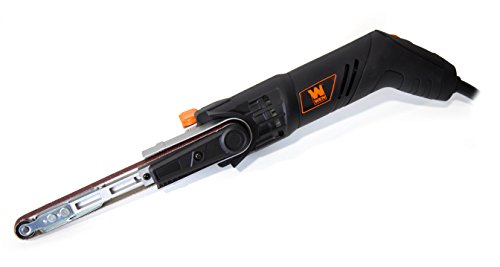
Variable speed dial powers the belt anywhere from 1080 to 1800 feet per minute
Tools, Equipment, and Environmental Safety
Before you start cleaning your deck, you’ll need to assemble the right tools and establish proper safety measures to protect both yourself and your property. Gather a broom, soft-bristled brush, bucket, safety glasses, and work gloves as essential items. For equipment maintenance, inspect your pressure washer before use and follow manufacturer guidelines for operation. Keep bystanders away from your work area during equipment operation. Protect surrounding plants by preventing cleaning solutions from contacting vegetation. Remove construction dust immediately, as it causes surface damage. Never cut metal objects on your deck surface, and store chemical products away from children. Just as with painting vinyl straps, proper surface preparation is critical before applying stains to ensure better adhesion and durability. Using a rust-inhibiting primer on any metal components of your deck will provide additional protection against corrosion and weathering. Establish a regular cleaning frequency to maintain your deck’s condition before staining applications.

COMFORT IN UNCOMFORTABLE CONDITIONS- The Shoreman Bib delivers maximum comfort to those who work long hours in wet environments. Grundens’ durable adjustable suspender straps are engineered to reduce fatigue on the wearer.

ULTRALIGHT 2LB BODY & BRUSHLESS PULSE POWER: Weighing just 1.98 lbs (0.9 kg), this portable power washer is built with durable engineering materials for easy one-handed operation. Equipped with a high-efficiency brushless motor and Pulse Tech, it provides steady output without fatigue during prolonged use. Compact yet heavy-duty, this pressure washer portable bare tool easily handles high walls, tight patio corners, and overhead vehicle rinsing with unmatched comfort and agility.

Safe, Powerful Formula: Designed to safely clean composite decks, our cleaner is non-hazardous with only a minimal amount of bleach. It cleans without discoloring or damaging your deck, ensuring lasting results without the harsh chemicals.