The Ultimate Guide to Cleaning Your Plastic Patio Furniture
You’ll start by vacuuming dust from woven strands using a brush attachment, then wash with mild dish soap and lukewarm water on soft cloths. Rinse thoroughly at low pressure and towel-dry with microfiber cloths before sun-drying for natural disinfection. For stubborn stains, you’ll apply baking soda paste or white vinegar solutions. Don’t skip UV-protective coatings and seasonal inspections every three to four months. The complete systematic approach reveals how you’ll maintain structural integrity while preventing mold, mildew, and fading.
Regular Dust and Debris Removal
To keep your plastic patio furniture looking fresh and extending its lifespan, you’ll want to establish a regular maintenance routine that prevents dirt and grime from accumulating on surfaces. Start by using a vacuum equipped with a brush attachment to extract dust and debris lodged between woven strands. For hard-to-reach areas, employ a soft handheld brush, working methodically from top to bottom so debris naturally falls away. This systematic approach to debris removal prevents the material from appearing dull and protects against potential damage from buildup. Before applying any wet cleaning solutions, confirm you’ve completely removed loose particles. Regular dust accumulation diminishes aesthetic appeal, so consistent dry cleaning prevents the need for intensive deep cleaning later and helps you identify emerging issues like mold or brittleness early.
Basic Washing Techniques
Once you’ve removed loose dust and debris, you’re ready to proceed with basic washing that’ll restore your plastic patio furniture’s appearance without causing damage. Prepare a gentle cleaning solution by mixing mild dishwashing liquid with lukewarm water. Apply this solution using soft sponges, cloths, or soft-bristle brushes—your primary cleaning tools for avoiding surface scratches. Gently scrub the entire surface, focusing on visibly soiled areas without applying excessive pressure. Rinse thoroughly with your garden hose at low to moderate pressure, avoiding pressure washers that damage plastic. These washing techniques protect your furniture’s integrity while effectively removing grime. For stubborn stains that resist basic washing, a paste made from baking soda and water can be applied gently to break down tough buildup. Air-dry completely in sunlight or use clean towels, ensuring no moisture remains to prevent mold or mildew formation.
Rinsing and Drying Methods
After you’ve finished scrubbing, rinsing becomes your next critical step in restoring your plastic patio furniture to pristine condition. You’ll want to employ a garden hose at moderate pressure, which effectively eliminates soap residue without degrading plastic surfaces. Multiple rinse cycles guarantee complete removal of cleaning solution, particularly for heavily soiled furniture. Following rinsing techniques, implement drying best practices by towel-drying with microfiber cloths to absorb excess water and accelerate evaporation. Position your furniture in direct sunlight for a minimum of two hours, as UV rays naturally disinfect and brighten surfaces while killing bacteria and mold spores. If dampness persists after sun exposure, continue air drying indoors in well-ventilated spaces. Never store furniture until you’ve confirmed complete dryness, preventing mold and mildew growth caused by moisture accumulation.
Stubborn Stain Removal Solutions
Even after thorough scrubbing and rinsing, your plastic patio furniture may retain stubborn stains that demand specialized treatment. You’ll find eco-friendly solutions effective for most situations: white distilled vinegar mixed with water eliminates stains without damaging plastic, while baking soda paste lifts yellowing caused by sun exposure. For tougher stains, oxygen bleach safely restores appearance without harsh damage.
You can employ mechanical techniques using Magic Eraser sponges to remove hard-to-clean marks, or apply mild bleach solutions—one part bleach to four parts water—for persistent discoloration. Immediate cleaning prevents permanent penetration into plastic pores, serving as your primary stain prevention strategy. For outdoor furniture cushions, specialized cleaners can also address stubborn stains when added to your cleaning solutions.
After treatment, you must thoroughly rinse all chemical residues and allow complete air drying. For heavily stained plastic surfaces, chemical strippers may be necessary to restore the original finish. Applying automotive paste wax afterward protects surfaces and reduces future staining susceptibility.

Quickly removes stains caused by mold and mildew on contact without heavy scrubbing; EASY TO USE - spray, wait until the stain disappears, then rinse

OXY-POWERED OUTDOOR STAIN REMOVAL: This Outdoor Cleaner & Stain Remover delivers powerful spot cleaning with an oxy-powered formula. Designed to tackle tough outdoor stains caused by mold, mildew, algae, dirt, and grime, it helps refresh patios, decks, and outdoor living spaces

Wet & Forget Ready To Use Outdoor Cleaner comes with a high-capacity trigger sprayer for quick application to smaller surfaces; removes green and black stains caused by moss, mold, mildew, and algae, no scrubbing, no rinsing, no pressure washing, just wet it and forget it on multiple surfaces including, porch steps, headstones, fountains, planters, concrete, canvas, and upholstery
Chemical Treatments for Mildew and Discoloration
While surface stains respond well to mechanical scrubbing and abrasive treatments, mildew and discoloration require chemical intervention to effectively eliminate the underlying biological growth and prevent recurrence. You’ll find several effective options: white vinegar (50/50 solution), mild dish soap, bleach (10:1 ratio), or commercial removers like Star brite. When implementing chemical safety precautions, never mix bleach with ammonia—this produces toxic chloramine gas. Apply your chosen treatment via spray and soak method, allowing 10-20 minutes dwell time before gentle scrubbing with soft-bristle brushes. For mildew resistance strategies, thoroughly rinse all residues and dry completely in direct sunlight. Consider non-toxic alternatives like Iosso Mold & Mildew Stain Remover for sensitive areas. Maintain effectiveness by wiping moisture promptly after rain and applying fabric protectant sprays to cushioned surfaces.
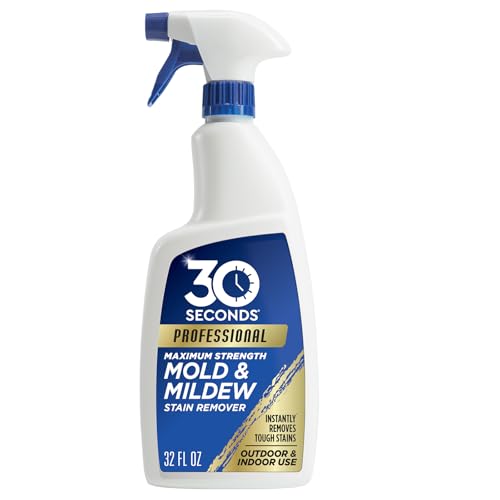
BRIGHTER RESULTS INSTANTLY: Noticeably brightens indoor and outdoor surfaces, removing black mold and mildew stains as you watch, with no scrubbing or pressure washing required for fast, visible results
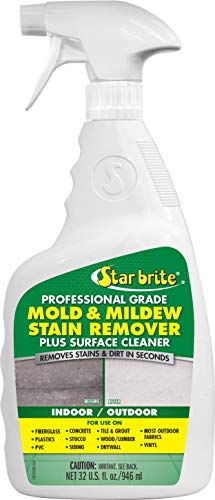
Quickly removes mold, mildew, moss and algae stains on contact without heavy scrubbing; EASY TO USE - spray, wait until the stain disappears, then rinse

REMOVES STAINS FROM ORGANIC GROWTH: The 30 SECONDS Outdoor Cleaner rapidly cleans stains from algae, mold, mildew, moss, dirt and grime on outdoor surfaces, with no scrubbing and no pressure washing
Protective Coatings and Wax Applications
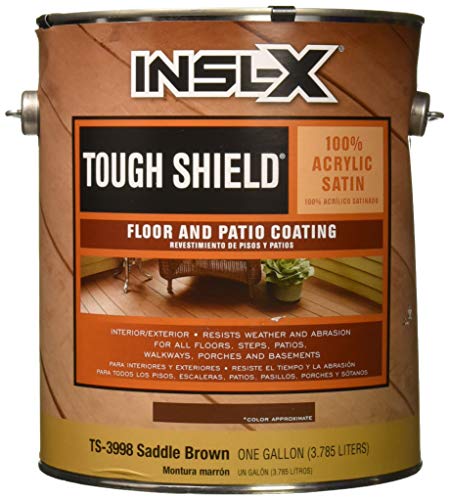
Once you’ve eliminated mildew and surface discoloration, applying a protective coating becomes the next critical step in preserving your plastic patio furniture. You’ll find several types of coatings available, including UV-protectant clear coats and acrylate polymer-based formulas that penetrate plastic surfaces to restore color vibrancy without yellowing.
For application techniques, spraying provides the most even coverage on complex furniture shapes. Before coating, thoroughly clean your furniture with mild detergent to maximize adhesion and effectiveness. Avoid applying coatings over existing clear coats or treated plastics, which can cause adverse reactions.
Select non-yellowing, flexible formulas that withstand heavy weathering. While single applications offer long-lasting protection, combining coatings with protective covers optimizes durability. Higher-quality products like Protecticoat and Everbrite Coating deliver superior longevity, though they require greater initial investment.

UV-Defense Anti-Yellowing: Formulated with advanced photo-stable polymers that resist yellowing, darkening, or discoloring under prolonged, direct sunlight exposure.

European Style Multi-Function 3 In 1 Direct-To-Metal Primer
Seasonal Maintenance Schedule
After you’ve applied protective coatings to shield your furniture from UV damage and environmental wear, you’ll need to establish a consistent maintenance rhythm throughout the year. Your spring preparation involves removing cushions and cleaning plastic surfaces with mild dish soap and warm water on cloudy days. Flip furniture to access undersides where build-up accumulates, then inspect for cracks or hardware wear requiring repairs.
During summer, perform weekly light cleaning and rotate pieces to prevent uneven fading. Fall maintenance demands rinsing debris and applying rust-resistant treatments to metal components before winter arrives. If you notice mildew developing on plastic surfaces, apply a 50/50 vinegar solution to effectively eliminate spores and prevent further spread. Store furniture indoors or in covered, dry spaces during winter months, ensuring complete drying beforehand to prevent mold growth. Consider using weather-resistant protective covers designed for your specific furniture pieces to provide an additional shield during seasonal transitions. This systematic approach extends your furniture’s lifespan considerably.
Cushion and Fabric Care
Because cushion covers and fabric accumulate the most dirt, mold, and UV damage on your outdoor furniture, they’ll demand the most attention in your maintenance routine. You’ll maximize cushion longevity by removing covers before washing whenever possible. Check fabric care tags first—most outdoor fabric types like olefin and acrylic tolerate machine washing on gentle cycles with cool water. For stubborn stains, you’ll use a concentrated detergent solution with circular scrubbing motions. Rinsing thoroughly with your garden hose until soap residue disappears completely prevents damage from chemical buildup. You can also apply vinegar-water solutions or OxiClean for brightening. Air dry cushions fully in direct sunlight—this prevents mold while killing existing spores. To further protect against mold and mildew growth, ensure proper air circulation when storing your cushions during off-seasons. Never store damp cushions, as moisture promotes degradation and mildew growth.
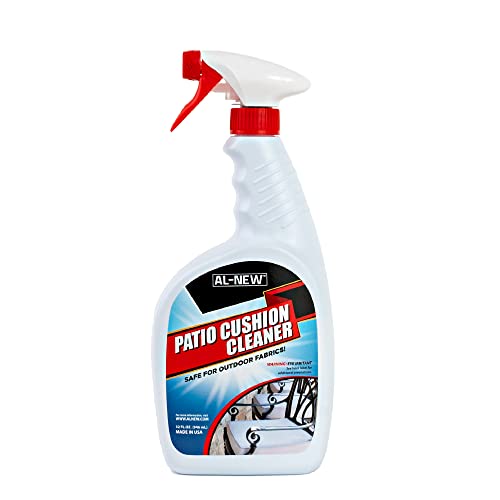
Best Way to Clean Outdoor Patio Cushions, Fabric Cushions, Patio Furniture Covers, Sunshades & Sail Cloth, Fabric Awnings, Umbrellas & More!

Specialized Formula for Outdoor Fabrics - Advanced formula designed for high-use outdoor surfaces, making this patio cushion cleaner, outdoor fabric cleaner, and outdoor furniture cleaner ideal for maintaining cushions and fabrics exposed to sun, moisture, and frequent use. Helps support regular care of outdoor materials without relying on harsh cleaning methods
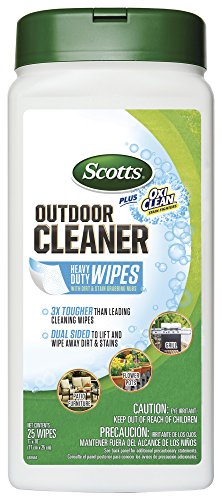
25% larger than leading cleaning wipes
UV Protection and Fading Prevention
Just as UV rays damage your skin, they’ll degrade plastic furniture through photodegradation—a process where solar radiation breaks down polymer chains and causes discoloration and brittleness. You’ll find that HDPE and PVDF materials offer inherent UV resistance, bonding effectively with UV inhibitors during manufacturing for longevity enhancement. However, most plastics require additional protective additives like carbon black or titanium dioxide to block harmful rays effectively.
You can implement multiple protective strategies. Apply UV-resistant covers or coatings specifically formulated for your furniture material, reapplying periodically to maintain effectiveness. Position furniture under trees, pergolas, or shade structures to minimize direct sun exposure. Consider UV protectant sprays like 303® Patio Furniture Protectant for supplemental defense. Quality weatherproof materials like marine-grade polymers can significantly extend your furniture’s lifespan when combined with these protective measures. Verify your warranty before applying any products to avoid coverage issues.

WATER REPELLENT SPRAY: One Scotchgard Outdoor Sun & Water Shield Fabric Spray, 10.5 oz can, that repels water and protects against the sun's UVA/UVB rays
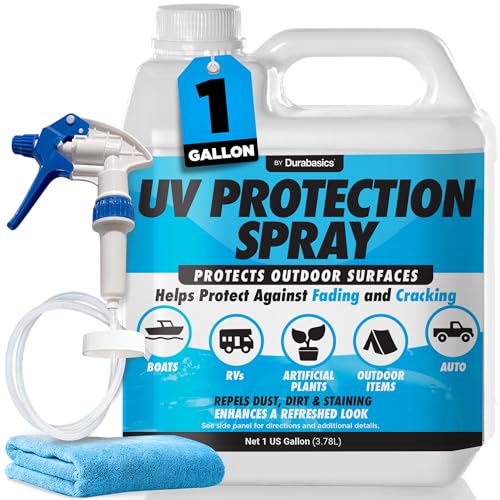
HELPS REDUCE FADING & CRACKING – This UV protectant spray helps protect vinyl, rubber, and plastic from sun exposure. Great for RV roof protectant use, outdoor fabric, artificial plants and other outdoor surfaces.
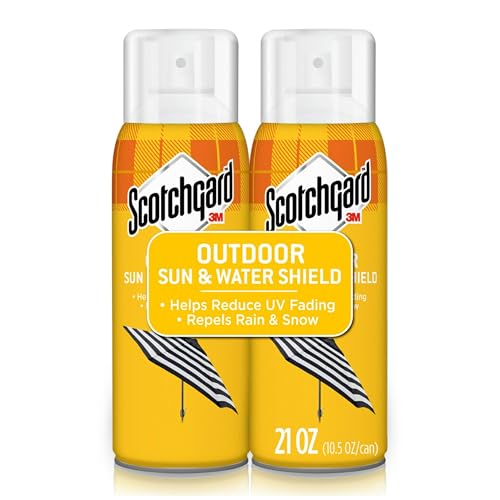
Strong fabric protection repels water based spills for easier cleanup
Inspection and Early Problem Detection
While UV protection and preventative coatings extend your furniture’s lifespan, routine inspections form the critical foundation of long-term maintenance. You’ll want to conduct damage assessments at least twice yearly, or every 3–4 months for high-traffic pieces.
During your inspection tips, systematically examine hardware for looseness and corrosion, tightening fasteners without overtightening. Scrutinize the plastic frame for cracks, warping, and brittleness—particularly around load-bearing areas. Check undersides and crevices for mold, mildew, and debris accumulation, which indicate moisture problems.
Test structural stability by applying pressure and observing for wobbling or joint separation. Document any discoloration, peeling surfaces, or sharp edges requiring immediate attention. This methodical approach catches minor issues before they escalate into costly repairs, ensuring your furniture remains safe and functional.