Best Oil for Acacia Wood Outdoor Furniture Protection
You’ll protect your acacia wood outdoor furniture most effectively with pure tung oil, which penetrates deeply and cures into a durable, water-resistant layer. Boiled linseed oil offers faster drying for restoration projects, while teak-based sealers provide superior waterproofing for extreme conditions. Apply oil along the grain every three to six months, adjusting for harsh climates. Allow five to ten minutes of soaking, then buff away excess for an even finish. Understanding each oil’s distinct protective properties will help you select the ideal solution for your specific furniture needs.
Recommended Oils for Acacia Wood Protection
You’ll find that pure tung oil stands as the premier choice for protecting acacia wood, as it penetrates deeply into the wood fibers and cures into a solid, flexible protective layer that resists moisture, oil, alcohol, and daily wear. Boiled linseed oil offers an alternative oil type, delivering fast-drying properties ideal for furniture restoration while subtly darkening grain to enhance natural beauty. For outdoor applications, teak oil-based sealers provide specialized formulations that deliver waterproof protection and weather resistance. You can also maintain existing wood finishes using linseed or olive oil every few months, preventing desiccation and preserving appearance. Each oil type serves distinct purposes—tung oil for durability, linseed oil for restoration, and teak-based sealers for thorough outdoor protection. Like PVC-coated polyester fabrics, quality wood sealers offer UV ray resistance to protect against sun damage and weathering in outdoor environments. However, it’s important to note that teak wood naturally outperforms acacia in outdoor settings due to its high natural oil content and superior resistance to moisture and rot, potentially eliminating the need for frequent oil applications.
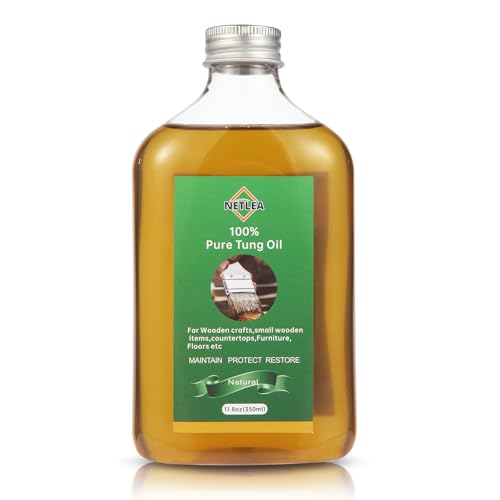
IDEAL FOR SMALL WOODWORKING & CRAFTS: Our 350ml bottle of 100% pure tung oil is the perfect size for woodworkers, carvers, and DIY enthusiasts. It's specially packaged for finishing small projects like wooden models, jewelry boxes, carving crafts, and custom ornaments without the waste of a large can.

[FOOD GRADE PURE TUNG OIL & NO ADDITIVE] OLASIR 100% pure tung oil is extracted from the seeds of high-quality tung seed crops in East Asia. It is environmentally friendly, non-toxic, and food grade tung oil, emitting the aroma of natural tung oil. Can be safely used in wooden chopping boards, wooden tableware, and other areas that come into contact with food.Important Safety Note:While safe for food-contact surfaces, this oil is not intended for ingestion. Avoid direct consumption and keep out of reach of children.

Easy to Use - Tung oil is a natural oil recognized by craftsmen to offer the ultimate hand-rubbed finish for all fine woods; just wipe on and allow the oil to cure at room temperature
Moisture and UV Protection Benefits
While selecting the right oil establishes a solid foundation for acacia wood protection, understanding how moisture and UV exposure threaten your investment reveals why that foundation matters.
Moisture control prevents swelling, warping, and cracking that compromise furniture joints and structural integrity. Without adequate protection, prolonged water exposure accelerates rot and decay despite acacia’s natural oils. UV safeguarding combats color fading and surface cracks caused by photodegradation. Like eucalyptus wood, acacia benefits from the high natural oil content that provides inherent weather resistance.
You’ll experience significant longevity improvements by applying oils containing UV inhibitors. These formulations shield wood from simultaneous moisture and solar damage, which accelerate deterioration when combined. Regular reapplication every one to two years maintains this protective barrier, keeping your outdoor furniture structurally sound and aesthetically preserved through harsh environmental conditions. Similar to deck staining maintenance, proper drying times and weather conditions are essential for ensuring the oil penetrates effectively and creates a durable protective coating.
Application Process and Technique
Proper preparation transforms the oiling process from a casual task into a controlled, effective maintenance routine. You’ll need appropriate application tools—lint-free cloths, sponges, or natural bristle brushes—to distribute oil evenly across wood surfaces.
Start by applying oil along the grain direction, guaranteeing full coverage with generous amounts. The oil’s consistency matters; you’re aiming for thorough penetration without oversaturation. Allow the oil to soak for 5-10 minutes, then wipe away excess with a clean cloth.
Buff the surface to eliminate stickiness and achieve an even finish. If your wood absorbs oil rapidly, apply additional coats following the same technique. Unlike polyurethane finishes that trap moisture and restrict wood movement, oils allow acacia wood to expand and contract naturally with temperature and humidity changes. For best results, plan to reapply oils every season to maintain protection and prevent moisture buildup that can compromise the furniture’s integrity. This methodical approach prevents uneven absorption and provides ideal protection for your acacia furniture.

🌱 UNLEASH THE BEAUTY OF YOUR OUTDOOR WOOD WITH TEAK OIL: Our premium wood finish and sealer is specially formulated for outdoor furniture, providing waterproof protection and enhancing the natural color and structure of teak, mahogany, pine, beech, oak, and other wood types. Preserve and beautify your outdoor wood with confidence.

Primarily designed for CUTTING BOARDS, this scrub brush can also be employed as a general-purpose brush. It is ideal for applying food safe mineral oil and wax on wood surfaces, including bamboo wood cutting boards, ensuring their longevity and fresh look
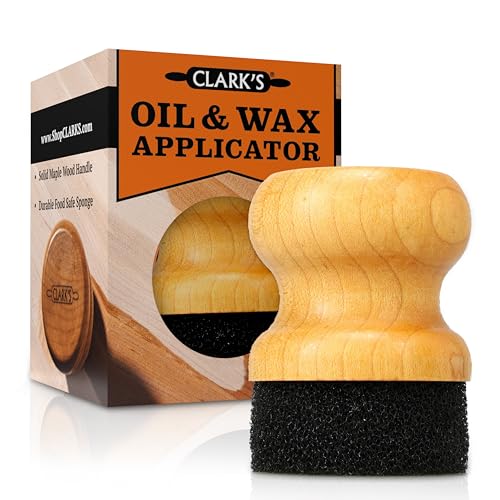
REDESIGNED - to fit your hand even more comfortably. ERGONOMIC HANDLE is specifically contoured to the shape of your hand, making product application a breeze! The new design helps to reduce hand fatigue and decrease application time.
Maintenance Frequency and Schedule
Maintaining acacia wood’s appearance and durability requires establishing a consistent oiling schedule that adapts to your climate and furniture’s exposure conditions. You’ll typically need to oil your furniture every 3–6 months, though harsh climates demand oiling every 2–3 months. Plan your inspection intervals at 1–2 months to catch wear and repair tips before damage worsens. Apply oil twice yearly during spring and autumn, with spring applications providing UV protection and autumn treatments guarding against winter moisture. Monthly cleaning removes debris, while deep cleaning occurs twice yearly. Address minor scratches through light sanding before oiling. Check monthly for mold when furniture’s covered. Tighten hardware during inspections and store pieces indoors during extreme weather. Like larch wood, acacia wood benefits from protective oils that help prevent the natural weathering that occurs when wood is exposed to outdoor elements. Quality weatherproofing combined with proper maintenance schedules allows acacia wood furniture to remain functional and attractive through all seasons, similar to how UV-stable materials resist fading and deterioration.

ENHANCES THE BEAUTY OF THE WOOD: Teak Oil restores the beauty of grey, old and weathered teak furniture to give a golden-brown natural finish.

Prevents further drying and fading of wood finishes due to sun exposure, temperature variations, and moisture both indoors and outdoors
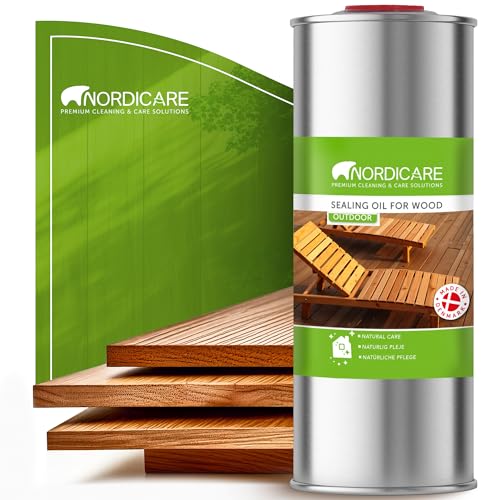
🌱 UNLEASH THE BEAUTY OF YOUR OUTDOOR WOOD WITH TEAK OIL: Our premium wood finish and sealer is specially formulated for outdoor furniture, providing waterproof protection and enhancing the natural color and structure of teak, mahogany, pine, beech, oak, and other wood types. Preserve and beautify your outdoor wood with confidence.
Pre-Treatment Preparation Steps
Before you apply oil to your acacia wood furniture, you’ll need to prepare the surface through several critical steps that guarantee maximum absorption and finish quality. Start with thorough surface cleaning using a soft, damp cloth and mild soap to remove dust and debris without scratching the wood. Once dry, employ sanding techniques using fine-grit sandpaper (220 grit) to smooth imperfections and enhance oil penetration. Always sand with the grain to avoid surface irregularities. Remove all sanding dust with a clean, dry cloth before proceeding. Inspect for cracks, warping, or splinters, addressing these issues with appropriate wood fillers compatible with outdoor use. Ascertain the wood’s completely dry before moving forward to oil application, ideally allowing 24 hours air-drying time.

Product specifications: You will get 12 sanding blocks sized 10 x 6.5 x 2.5 cm (3.94 x 2.56 x 0.98 inches), including 60, 80, 100, 120, 180, and 220 grit sanding sponges, suitable for each stage of sanding

【ASSORTED GRIT SANDING BLOCKS】 8 sand blocks, 4 sizes from coarse to ultra-fine sand, 60/80/120/220 grit, 2 blocks for each grit. There are four different colors, grey (corresponding to grit size - 220), blue (120), green (80), and orange (60), with different numbers of grains for different colors.

Assortment Pack: This sanding sponge set includes 24 pieces with grits 80/120/180/240/320/400/500-600/800-1000/1200-1500/2000/2500/3000,each of 2, covering coarse material removal (80 grit) to ultra-fine polishing (3000 grit). Perfect for wood furniture refinishing, auto bodywork, and delicate surface prep—all in one convenient kit, each measuring 3.93 x 2.75 x 0.19 inches
Comparative Advantages of Acacia Over Other Woods
When you’re selecting wood for outdoor furniture, acacia’s exceptional density and strength distinguish it from conventional alternatives like oak, teak, and walnut. You’ll find acacia benefits extend beyond durability—it offers superior weather resistance with inherent UV protection and antimicrobial properties that prevent rot and insect damage more effectively than oak. Unlike teak’s premium pricing, acacia delivers comparable longevity at mid-range costs, making wood comparisons economically favorable. You’ll appreciate acacia’s minimal warping and shrinkage, outperforming walnut in humidity-prone environments. The wood’s natural oils provide fire-resistant qualities derived from its Australian origins. When you invest in acacia furniture, you’re choosing a sustainable, quickly-renewable resource that maintains structural integrity while reducing environmental impact compared to slower-growing hardwood alternatives. Proper maintenance of acacia furniture requires attention to local building codes and manufacturer guidelines to ensure long-term performance in outdoor settings.
Seasonal Care Recommendations for Outdoor Furniture
How you approach seasonal maintenance directly impacts your acacia furniture’s lifespan and appearance. Begin with spring seasonal cleaning, using mild soap and water to remove winter grime and pollen. During furniture inspection, check for loose screws, rust, and finish degradation, tightening hardware as needed. For stubborn pollen accumulation, consider using a white vinegar solution as an eco-friendly cleaning alternative that effectively removes residue without damaging wood surfaces.
Summer demands frequent cleaning to eliminate dust, sweat, and chlorine residues. Reapply UV protectant sprays every 3–4 months on wood surfaces. Keep cushions dry and well-ventilated to prevent mold. While acacia wood requires more frequent sealing and protection compared to premium hardwoods, consistent summer maintenance helps extend its typical lifespan of 15-20 years.
In autumn, perform thorough seasonal cleaning and inspection before applying a final oil coat. This locks in moisture resistance before colder temperatures arrive. Store cushions indoors in dry, ventilated spaces. Winter storage protects your investment from harsh precipitation and temperature fluctuations, preserving acacia’s integrity year-round.

GOOD HOUSEKEEPING SEAL: This product was evaluated by the Good Housekeeping institute and after rigorous testing by their expert scientists and engineers, has been granted the prestigious Good Housekeeping seal. Evaluation of the product includes reviewing product effectiveness, as well as packaging and marketing claims.
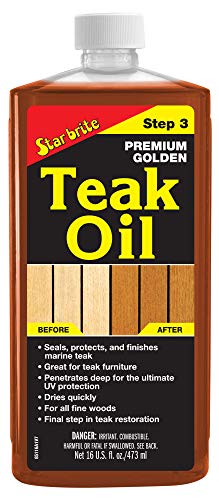
ULTIMATE WOOD PROTECTION: STAR BRITE Teak Oil provides superior protection for teak and other fine woods - Suitable for teak furniture, marine teak, decks and teak shower benches
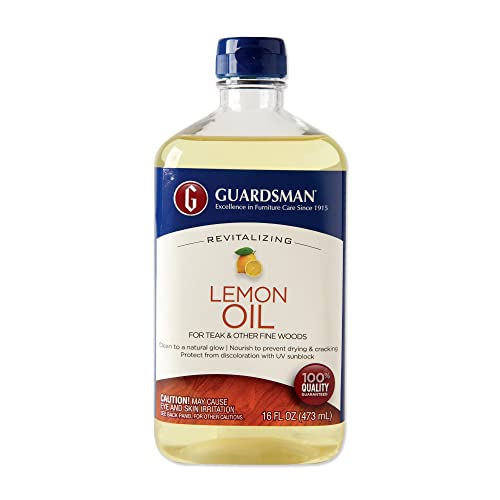
Indoor and outdoor furniture cleaner protects, restores, and gently cleans away built-up surface grime and residue; use on your teak outdoor furniture and other fine wood furniture to prevent drying, warping, splitting, as well as fading and discoloration
Long-Term Durability and Weather Resistance
Because acacia wood naturally resists moisture better than most hardwoods, you’ll need to select an oil that complements—rather than duplicates—its inherent properties. Deep-penetrating formulas like tung oil work exceptionally well, saturating wood fibers while preventing the expansion and contraction cycles triggered by humidity fluctuations. This oil absorption reduces structural stress and cracking over time.
You should prioritize oils that cure into solid protective barriers within the wood rather than surface coatings. This approach prevents peeling in humid climates and guards against fungal damage. Applying 2-3 coats with adequate drying intervals establishes ideal long-term protection. Annual spring maintenance combined with twice-yearly treatment cycles preserves your furniture’s durability against seasonal weather variations, extending its functional lifespan considerably.