Oil Stain Vs Water-Based Stain: Which Is Best for Your Deck?
Oil-based stains penetrate deeper and last 2–5 years without peeling, requiring minimal maintenance and recoating. Water-based stains dry faster in 4 hours, allowing quick reapplication, but they’re prone to brittleness and demand frequent touch-ups. You’ll enjoy richer color with oil-based options, though you’ll tolerate stronger fumes and environmental concerns. Water-based stains offer eco-friendly advantages with low VOCs and easy cleanup. Your decision hinges on prioritizing longevity versus convenience and sustainability—the complete comparison below reveals critical factors you shouldn’t overlook.
Penetration and Durability
When you’re choosing between oil-based and water-based stains, understanding how each penetrates wood and holds up over time is essential to making the right decision.
Oil-based stains offer superior penetration depth, with smaller molecules that saturate wood fibers and create a protective moisture barrier beneath the surface. This deep penetration translates to exceptional durability differences—oil stains resist peeling and fade gradually rather than flaking away. Oil-based stains typically endure 2 to 5 years, making them a longer-lasting option for demanding outdoor environments.
Water-based stains, conversely, form a protective film on the wood surface without deeply penetrating. While they provide better UV resistance and color retention, they’re more susceptible to surface wear and peeling if applied incorrectly.
For long-term deck protection in harsh climates, oil-based stains deliver enhanced water repellency and lasting performance. However, water-based options excel in appearance longevity and require less frequent maintenance when environmental conditions remain moderate. Unlike paint, which typically requires reapplication every five to ten years, stains need more frequent touch-ups to maintain their protective barrier and aesthetic appeal.

NO LAPS, RUNS OR STREAKS: Goof Proof formula with no back brushing required; ideal for exterior wood projects
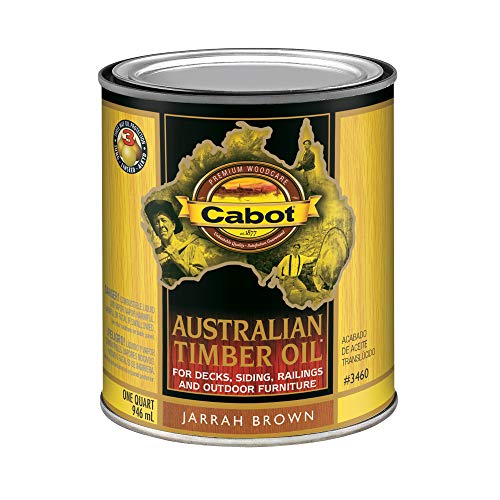
WOOD PROTECTOR – Cabot Australian Timber Oil Wood Stain provides 3-way oil protection for superior penetration. The unique blend of oils is an advanced-technology treatment designed to protect wood surfaces from extreme weather exposure like never before.

NO LAPS, RUNS OR STREAKS: Goof Proof formula with no back brushing required; ideal for exterior wood projects
Drying Time and Application
While penetration depth and long-term durability establish the foundation for choosing between oil and water-based stains, the practical realities of drying time and application technique often determine whether your project succeeds or stalls. Water-based stains dry within 4 hours, enabling rapid recoating and faster project completion. However, they demand careful application techniques and multiple coats to prevent peeling. Oil-based stains require 24–48 hours drying time, allowing brush strokes to blend seamlessly for an even finish. Their thin consistency facilitates one-coat application and easier touch-ups under varying drying conditions. Yet oil-based stains emit stronger fumes, necessitating superior ventilation. Water-based alternatives clean easily with soap and water, reducing maintenance burdens while offering lower VOC levels for safer, more environmentally responsible application techniques. For hard-to-reach areas between deck boards, specialized multi-tool attachments allow you to work stain evenly into the crevices. For optimal results, maintain temperatures between 50-90°F and humidity below 70% during the drying process to ensure proper curing.

READY-TO-USE DECK STAIN & SEALER: Olympic WaterGuard woodland cedar semi-transparent wood stain and sealant combines color and waterproofing in one water-based, ready-mix coat.

Water-based wood stain creates rich, even color in 1 coat on most surfaces

SEMI TRANSPARENT EXTERIOR WOOD STAIN: Our outdoor wood stain and sealer allows the natural wood grain to show through, highlighting the beauty of your decks, fences and sidings and preserving its natural look.
Maintenance and Recoating
Because oil-based stains penetrate wood more deeply than their water-based counterparts, they’ll demand far less frequent recoating over your deck’s lifetime. The maintenance frequency for oil-based finishes involves simple cleaning and brightening every several years before recoating, whereas water-based stains require more aggressive intervention.
The recoating process differs considerably between the two. Oil-based stains rarely need sanding since they adhere well to existing finishes, allowing you to apply single coats and perform touch-ups efficiently. Water-based stains, however, demand complete surface sanding and removal of peeling layers to guarantee proper adhesion and uniform appearance. You’ll typically need multiple coats with water-based products, markedly increasing labor and material costs during maintenance cycles. Proper preparation through thorough cleaning and sanding before recoating ensures the new stain bonds effectively to your deck surface. Additionally, incorporating mildew-resistant stains into your maintenance strategy provides long-term protection against moisture damage and extends the overall lifespan of your deck finish.
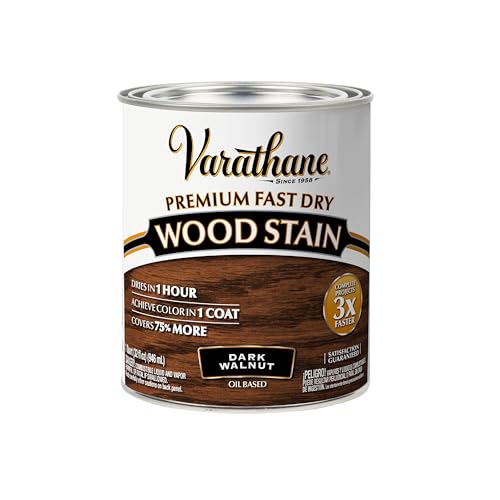
Ideal for use on all interior wood projects: furniture, cabinets, doors, trim and paneling
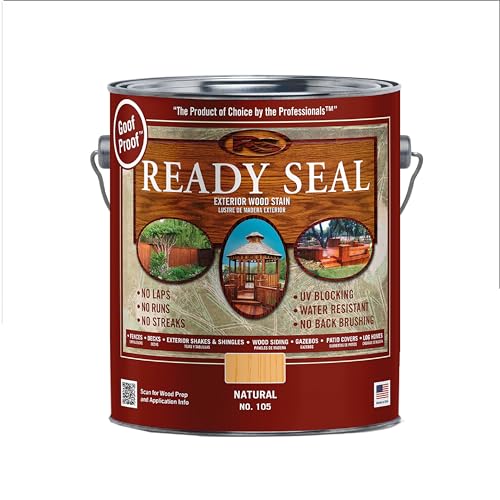
NO LAPS, RUNS OR STREAKS: Goof Proof formula with no back brushing required; ideal for exterior wood projects

WOOD PROTECTOR – Cabot Australian Timber Oil Wood Stain provides 3-way oil protection for superior penetration. The unique blend of oils is an advanced-technology treatment designed to protect wood surfaces from extreme weather exposure like never before.
Environmental Impact and Safety
As you weigh your deck staining options, the environmental and health implications deserve serious consideration. Oil-based stains release significant VOC emissions and contain harmful chemicals like formaldehyde and benzene that contaminate soil and waterways. Their non-biodegradable composition persists indefinitely in ecosystems, threatening wildlife and groundwater quality.
Water-based stains offer eco-friendly alternatives with zero or low VOC content, eliminating dangerous chemical exposure for your family and pets. Their inorganic formulation prevents mold growth while featuring plant-based oils and natural mineral pigments. Unlike oil-based products, water-based stains do not create a slippery surface, making them safer for high-traffic deck areas. Proper surface preparation, including thorough cleaning and sanding, ensures better adhesion and durability of water-based stain finishes.
Regarding waste management, water-based products prove superior—they’re simpler to clean up and dispose of responsibly. Their reduced environmental footprint throughout production and disposal makes them the practical choice for environmentally conscious homeowners prioritizing both deck protection and planetary health.
Appearance and Finish
Now that you’ve evaluated the environmental trade-offs, you’ll want to contemplate how each stain type performs visually and holds up to weathering.
Oil-based stains deliver superior finish uniformity through slower drying times that allow seamless blending of brush strokes. You’ll appreciate how they penetrate deeply, creating a durable layer with a rich, warm glow that enhances wood grain visibility. Water-based stains dry faster—approximately two hours versus 12-48 hours—which demands quicker application but risks uneven finishes and lap marks if you’re not careful. For best results with water-based stains, maintain consistent spray pressure and work in manageable sections to ensure even coverage.
Water-based options offer superior color mixing capabilities for custom shades and retain color vibrancy longer through enhanced UV resistance. However, they tend toward film-like surfaces and require careful application to prevent patchiness. Oil-based stains gradually fade while developing character, maintaining finish integrity without peeling over extended periods. Both stain types work best in humid or rainy climates where they can properly cure and provide lasting protection to your deck.

NO LAPS, RUNS OR STREAKS: Goof Proof formula with no back brushing required; ideal for exterior wood projects

Oil-based natural wood finish and formulated to protect and preserve the natural beauty of exterior hardwood decks
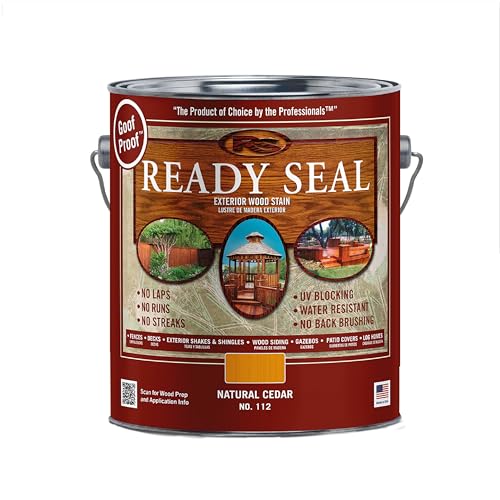
NO LAPS, RUNS OR STREAKS: Goof Proof formula with no back brushing required; ideal for exterior wood projects
Susceptibility to Peeling and Wear
When you’re selecting between oil-based and water-based stains, durability against peeling and wear becomes a critical differentiator. Your peeling comparison reveals a stark contrast: oil-based stains penetrate deeply into wood fibers, creating a flexible bond that resists flaking. Water-based stains, conversely, form surface films that peel more readily, especially under environmental stress.
Regarding wear resistance, oil-based stains maintain integrity through foot traffic and seasonal fluctuations without chipping or cracking. Water-based stains become brittle under heavy use, requiring frequent touch-ups. Their wear and tear becomes visibly apparent faster.
Recoating presents another practical consideration. You’ll find oil-based stains need minimal preparation before reapplication, while water-based stains demand extensive sanding and stripping. This difference translates directly into maintenance effort and long-term costs, making oil-based stains the more durable choice for high-traffic deck environments.

SUPERIOR WEATHER PROTECTION — TWP 101 Pro-Series provides broad-spectrum weather protection that resists water absorption, helping prevent warping, cracking, splitting, and...