Weather Conditions to Consider When Buying Outdoor Furniture
You’ll match your outdoor furniture materials to specific weather threats: coastal salt air demands marine-grade aluminum and teak, while humid regions require powder-coated frames and solution-dyed fabrics. Freeze-thaw cycles necessitate synthetic materials that won’t crack under temperature swings. Consider rainfall patterns, UV exposure intensity, and wind forces in your area. Selecting weather-resistant materials reduces maintenance demands greatly. The specific strategies for protecting your investment vary considerably by climate zone.
Humidity and Coastal Climate Protection
When you’re furnishing an outdoor space in a humid or coastal climate, you’ll need materials that actively resist moisture, salt air, and mold growth. Select teak, eucalyptus, or cedar—hardwoods containing natural oils that protect against rot and pests. Pair these with powder-coated aluminum frames and marine-grade hardware to prevent corrosion.
For cushions and upholstery, choose solution-dyed acrylic or Sunbrella fabrics that offer superior mildew resistance and UV protection. Quick-dry foam cushions prevent water retention, reducing mold buildup considerably. Incorporate breathability options through removable covers and breathable, water-resistant fabrics that allow condensation to evaporate rather than trap moisture.
All-weather wicker and HDPE components provide additional waterproof, salt-resistant alternatives. Resin furniture offers exceptional resilience in coastal environments, with its non-porous surface preventing water absorption and mold growth while resisting salt air corrosion. Just as secure fastening is critical for structural integrity in deck railing systems, proper anchoring of outdoor furniture prevents shifting and ensures stability in harsh coastal conditions. Regular cleaning, weatherproof sealants, and proper storage during wet months extend your furniture’s lifespan in challenging coastal environments.
Heavy Rainfall and Water Damage Prevention
Because heavy rainfall poses a considerable threat to outdoor furniture’s structural integrity, you’ll need to understand how water infiltration compromises even well-built pieces. Water penetrates protective coatings and accumulates in vulnerable nooks, freezing inside frames during winter and causing severe damage.
You’ll protect your investment through strategic layering. Apply penetrating semi-transparent stains with mildewcide agents to seal wood thoroughly. Select breathable, vented waterproof covers that prevent moisture buildup while allowing air circulation—proper fit eliminates gaps where water penetrates. Modern patio furniture constructed with water-resistant materials like aluminum, teak, and synthetic resin offers enhanced protection against moisture damage. Most protective coatings require 12-24 hours before rain exposure to properly cure and provide optimal water resistance.
Implement effective drainage techniques by positioning furniture on elevated surfaces with angles that facilitate gravity-driven runoff rather than pooling. Never store pieces upside-down, as this traps water inside frames. Store cushions separately in watertight containers. These practical measures considerably reduce water damage risk during heavy rainfall seasons.

【Kipiea Outdoor Furniture Covers】 Would you like to protect your precious patio furniture from the elements with a high-quality cover? Kipiea patio furniture covers feature a double-layer PU waterproof coating on higher-density 420D fabric and quality waterproof tape at the seams to ensure the cover withstands up to 200,000 PA of water pressure and keeps your furniture dry even after years of use

Fits 6 stackable patio chairs 25.5"L x 33.5"D x 45"H

All-Weather Outdoor Chair Protection: Perfect for patio, dining, and lounge chairs on decks, porches, balconies, and backyards. Shields furniture from rain, dirt, dust, and sun exposure while keeping seating ready for use.
Intense Sun Exposure and UV Damage
While rainfall threatens your furniture’s structural integrity through water infiltration, intense sun exposure poses an equally serious but distinctly different threat: ultraviolet radiation systematically breaks down the molecular bonds in wood, plastic, fabric, and metal coatings, accelerating deterioration you’ll notice as fading, bleaching, cracking, and loss of mechanical strength. You’ll combat this damage through strategic sun protection and UV stability measures. Apply UV-resistant sealants to wood every 2-3 years, utilize high-quality furniture covers during peak seasons, and position pieces under awnings or natural shade. For plastic furniture, select items containing UV stabilizers. Rotate furniture regularly to distribute exposure evenly. These proactive steps preserve both aesthetics and structural durability, ultimately reducing maintenance frequency and extending your furniture’s service life considerably.

【Enzeno Patio Furniture Set Covers】-- Is your expensive furniture damaged by rain, sun exposure, dust ? The new Outdoor table covers has been tested to withstand 10,000pa of water pressure and can stay dry for 1800 hours when water is accumulated. The interior is coated with an environmentally friendly silver-coated coating that absorbs UV and other visible light to prevent furniture aging.

General to fit rectangular/oval patio table with 6-8 standard chairs size up to 111"(L)x74"(W). Measure your patio furniture dimensions before buying, and include chair clearance in your measurements.
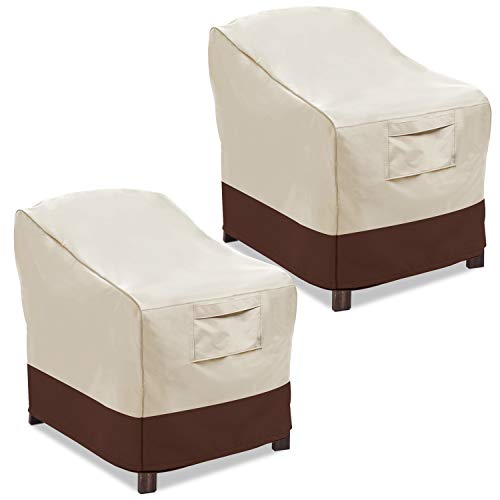
TRIPLE WATERPROOF PROTECTION: Vailge outdoor chair covers waterproof are built with heavy-duty 600D Oxford fabric with a water-resistant coating and taped interior seams. Prevents water leakage through stitching during heavy rain, protecting your patio chair from moisture.
Strong Winds and Structural Stability
Strong winds pose a distinct structural challenge that demands careful consideration of both material composition and design engineering. You’ll want to select aluminum, steel, or hardwood furniture that resists displacement during high-wind events. The International Code Council requires structures to withstand minimum wind loads of 90 mph, though aluminum pergolas often exceed 180 km/h ratings.
Design matters greatly—you should prioritize low-profile shapes with aerodynamic features that deflect wind effectively. Stability testing evaluates how furniture performs under lateral forces and uneven surfaces, ensuring it won’t topple. Just as proper surface preparation is essential before applying outdoor finishes, ensuring a level and well-prepared foundation will significantly enhance furniture stability.
You can enhance stability by anchoring furniture securely to the ground or adding weight through sandbags and water-filled bases. Strategic placement near windbreaks further improves performance. Similar to how protective pieces of wood are used when removing secured deck boards, protective measures should be applied during installation to avoid damage to surrounding structures. Verify manufacturer certifications meeting ASTM E330 standards before purchasing outdoor pieces.
General to fit rectangular/oval patio table with 4-6 standard chairs size up to 88"(L)x62"(W). Measure your patio furniture dimensions before buying, and include chair clearance in your measurements.
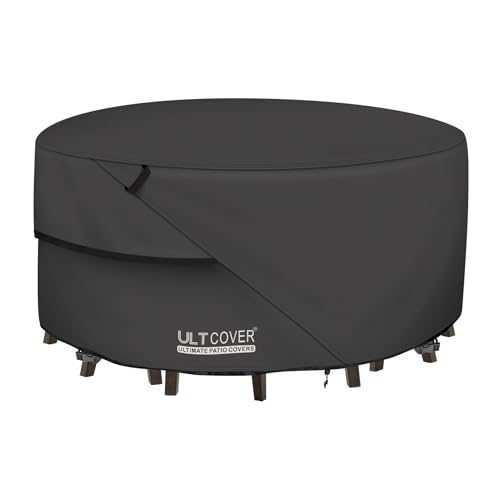
General to fit round patio table set size up to 108” Diameter. Please be remind the include distance that chair backs jut out from the table while measuring.
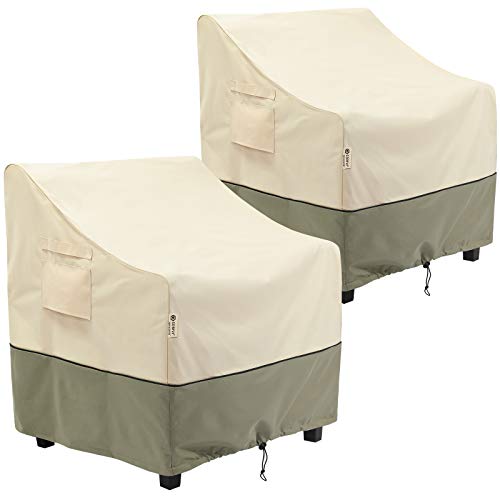
DECENT SIZE - 2 pack patio chair covers perfect fit the outdoor chairs size up to 32"W x 37"D x36"H. Please measure your chair dimensions before purchasing (Advice for Size Choosing: If the width and depth of your chair is 1 inch or more smaller than this size, please choose it.)
Freeze-Thaw Cycles and Cold Weather
As temperatures drop below freezing, water trapped within wood’s cellular structure expands and contracts with each temperature fluctuation, creating a destructive cycle that you can’t ignore. This freeze-thaw impact weakens wood fibers, causing visible cracks, warping, and splintering across your furniture surfaces.
You’ll notice nails and screws gradually pop out as materials shift during temperature swings. Untreated wood sustains greater damage than pressure-treated varieties, though both remain vulnerable. Composite materials like Trex and TimberTech resist water absorption remarkably better than natural wood. Similar to deck construction, ensuring proper flashing installation protects outdoor structures from water intrusion during freeze-thaw cycles.
For effective winter preservation, apply protective sealants before cold weather arrives to create moisture-resistant barriers. Deep-penetrating waterproof sealants are particularly effective at repelling moisture and preventing the swelling and warping that accelerates freeze-thaw damage. You should also remove snow and ice regularly, store wrought iron indoors to prevent rust, and keep removable cushions protected in sheds. These preventive measures extend your furniture’s lifespan considerably.
Salt Air and Corrosion Resistance
Coastal environments introduce a different challenge that compounds winter weathering: salt air accelerates corrosion at rates you’ll find alarming if you’ve underestimated its destructive power. Salt exposure effects on untreated metals are severe—rust forms rapidly on steel and wrought iron without protective coatings.
Your corrosion prevention strategies should prioritize materials engineered for marine conditions. HDPE poly lumber resists saltwater inherently, requiring only soap and water maintenance. Powder-coated aluminum frames provide enhanced protection against salt damage and UV rays. Alternatively, teak’s natural oils offer exceptional water resistance rooted in historical shipbuilding applications. Teak wood can withstand coastal environments for 30 to 75+ years with minimal maintenance due to its high natural oil content and silica composition that create a protective barrier against salt air damage.
Avoid low-quality metals and untreated lumber in coastal climates. They’ll deteriorate quickly, forcing costly replacements. Like wooden decks exposed to harsh conditions, proper surface preparation and protective coatings are essential to prevent peeling and uneven finishes that compromise material integrity. Investing in marine-grade materials or synthetic resin furniture eliminates seasonal maintenance while ensuring decades of durability against salt air corrosion.
Material Selection for Your Climate Zone
Because climate fundamentally shapes how outdoor furniture weathers and performs, you’ll need to align your material choices with your specific environmental conditions rather than relying on universal recommendations. Your climate zone directly determines material durability and climate resilience. In hot, dry regions, cast aluminum and light-color metals reflect heat effectively, while HDPE plastic and synthetic wicker resist heat absorption. Humid environments demand aluminum’s corrosion resistance and teak’s natural oils for moisture protection. Temperate zones accommodate wood, metal, and wicker with minimal maintenance. Cold climates require synthetic materials that withstand freeze-thaw cycles and teak’s natural stability. Rainy areas benefit from aluminum’s powder-coated finishes and synthetic resin wicker’s water repellency. For outdoor wood furniture, pressure-treated wood offers superior durability compared to untreated alternatives, lasting 15-30 years or longer with proper maintenance. Larch wood, particularly Siberian larch, provides natural weather resistance and can last 10-50 years or more with proper care, making it an excellent sustainable alternative for climate-conscious homeowners. Matching materials to your climate zone guarantees longevity and reduces maintenance demands.

Superior Look + Feel – Revive your outdoor furniture in quality and style with our deep seating cushion set from Honeycomb. With durable olefin fabric and supportive foam filling you are guaranteed long-lasting softness and comfort.
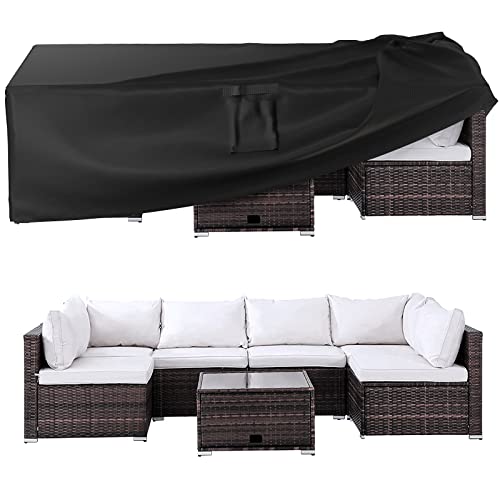
HEAVY-DUTY 600D FABRIC & WATERPROOF PROTECTION – Made with durable 600D fabric featuring a PU coating and waterproof seam-sealing tape, this patio furniture cover is designed to resist tearing, UV exposure, rain, snow, dust, leaves, and scratches. Reliable year-round protection helps keep your outdoor furniture clean and protected through changing weather conditions.

PATIO CHAIR COVER: Our durable cover fits most standard stackable patio chairs, high-back chairs, and bar stools up to 27" L x 27" W x 49" H. It does not entirely cover the chair's legs or wheels.
Year-Round Maintenance and Care Strategies
Maintaining your outdoor furniture’s longevity requires consistent attention throughout the year, with maintenance tasks varying by season and material type. Establish monthly cleaning routines using gentle soap and warm water to prevent dirt accumulation, then rinse and dry thoroughly to avoid mildew.
Spring demands inspection for rust, mildew, and wear; tighten fasteners and apply touch-up sealant. Summer requires checking for sun damage and ensuring furniture dries after rainfall. Autumn involves removing debris and evaluating structural integrity. Winter calls for storage or protective covering. Securing protective covers with tie-down straps prevents them from blowing away during windy conditions.
Implement year-round protective measures: apply UV protectants biannually, use waterproof covers, and store cushions in ventilated bins. Selecting weather-resistant materials like UV-stable HDPE lumber, marine-grade polymers, and powder-coated aluminum significantly reduces maintenance demands and allows furniture to withstand extreme conditions. Address issues promptly—remove rust with wire brushes, clean mildew with vinegar solutions, and replace damaged components immediately to prevent further deterioration and extend furniture longevity.