How to Install Blocking for Secure Deck Railings
You’ll install blocking directly beneath each railing post to distribute the 200-pound force your railing must withstand evenly across the deck frame. Space blocking every 4 to 6 feet at corners and shifts, using eight-inch structural screws for rim joists and five-inch screws for side joists. Mark centerlines, stagger fasteners in an X-pattern, and verify posts are plumb before final fastening. This approach guarantees code compliance while maintaining structural integrity throughout your installation.
Understanding the Purpose of Blocking
Before you install deck railings, you’ll need to understand blocking—the framing members that reinforce your deck structure between joists and beams. Blocking serves multiple critical functions in deck construction, particularly for railing post support.
Blocking distributes force evenly across your entire deck frame rather than concentrating stress on individual joists. This even force distribution prevents weak points where railing posts attach to the deck structure. Additionally, blocking keeps your joists square during installation and as wood naturally dries and shifts over time, maintaining deck stability. Proper blocking installation also ensures your railing meets local building codes that establish safety requirements for railing strength and stability. Structural screws can be used to attach blocking and posts securely, helping to withstand the required loads that railings must support.
Selecting the Right Blocking Materials
Now that you understand how blocking reinforces your deck structure, you’ll want to select materials that match your climate, maintenance preferences, and budget.
Evaluate material characteristics across five primary options. Pressure-treated wood offers cost-effectiveness but requires regular maintenance and may warp in harsh climates. Composite blocking resists moisture and demands minimal upkeep, though it costs more initially. Aluminum systems provide durability and quick installation with lightweight profiles suitable for modern designs. PVC delivers superior aesthetics and performance with fire-rated options available, commanding the highest price point. For cedar deck applications, 316 stainless steel fasteners should be used to prevent tannin staining and ensure long-lasting connections.
A cost comparison reveals hybrid approaches balance affordability with durability by combining pressure-treated wood framing with metal balusters. When choosing pressure-treated wood, consider that it can last 15-30 years with proper maintenance, making it a worthwhile investment despite initial concerns about upkeep requirements. Your final selection depends on weighing long-term maintenance obligations against upfront material expenses and your local climate conditions.


Self-Drilling Point: Together, coarse screw threads and a self-drilling point design eliminate the need for a pilot hole
Planning Blocking Placement and Spacing
Since proper blocking placement directly impacts your railing system’s structural integrity and code compliance, you’ll need to establish precise locations and spacing before installation begins. Position blocking directly beneath each railing post, aligning the center of the blocking with the post’s center for even load distribution. Install blocking at all corners, shifts, and intervals every 4 to 6 feet along the railing run.
Maintain spacing guidelines of no more than 6 inches between blocking elements within each row. Use a chalk line to guarantee symmetrical alignment across the frame, and double-check measurements before installation. For longer spans, add intermediate blocking to reduce lateral movement and increase rigidity. Just as galvanized hardware ensures durability in outdoor furniture construction, use corrosion-resistant fasteners for your blocking to maintain long-term structural performance.
Follow manufacturer specifications for blocking configurations specific to your railing type and deck design. Blocking must be sized appropriately to help your railing system withstand the 200-pound force requirement mandated by building codes. Consistent spacing prevents weak points and maintains compliance with building codes and best practices.

Heavy-Duty Galvanized Steel — Built for Secure Level Connections: Made from strong galvanized steel with a protective black coating, these level railing brackets provide dependable support at key connection points while helping resist rust and corrosion outdoors. The durable finish stands up to rain, humidity, and seasonal weather and coordinates cleanly with Guwezoy railing panels, posts, gates, and accessories for a consistent, finished look.

Package Content: The package includes 10 elegant black fence post caps, and 20 matching screws. These wood posts caps provide sufficient quantity to meet the needs of multiple railing posts, and add a neat, beautiful look to your overall railing structure, bringing both practicality and decorative effect.

HIGH QUALITY MATERIALS: Made of high-quality metal combined with the electrostatic painting process will make the product sturdier and more durable. In addition, it is not susceptible to corrosion or peeling in bad weather conditions, so there is no need to worry about the weather.
Preparing Your Deck for Installation
A thorough structural assessment is your foundation for safe railing installation. You’ll need to conduct a detailed deck inspection, examining joists and rim joists for rot, warping, or insect damage that could compromise blocking installation. Replace any deteriorated framing components before proceeding. Common joist sizes like 2×8, 2×10, or 2×12 lumber should be evaluated during this inspection to ensure they meet your deck’s span and load requirements.
Next, establish workspace organization by gathering all necessary tools: circular saw, drill, exterior-grade screws, wood preservatives, and measuring instruments. Clear your work area of debris and obstructions to guarantee safe, efficient operation.
Prepare blocking materials simultaneously by cutting pressure-treated pieces to exact dimensions. Apply wood preservative to all cut ends for enhanced durability. Have clamps and scrap boards ready to secure blocking during fastening, and predrill holes in both blocking and joists to prevent splitting during installation. Maintaining proper board spacing throughout your blocking layout will ensure optimal structural performance and longevity of your railing system.

Self-Drilling Point: Together, coarse screw threads and a self-drilling point design eliminate the need for a pilot hole
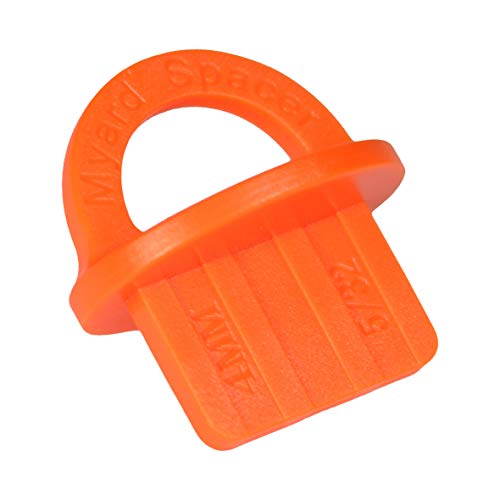
【5/32'' Deck Spacer & 20-Pack】This listing: Orange, 5/32-inch deck spacers. Quantity: 20-pack per box. Ideal for long spans decking.▼Color & Size Options: Red: 1/8" (3.2mm) spacing, Orange: 5/32" (4mm), Yellow: 13/64" (5.2mm), Green: 1/4" (6.4mm), Blue: 5/16" (8mm) or MIX Pack (4 pcs of each size).

Optimized for Outdoor Assembly: Our treated wood plank pressure treated pine are engineered as wood boards lumber treated to endure heavy use in decks, patios, or steps
Executing Proper Fastening Techniques
Once you’ve prepared your blocking materials and verified structural integrity, you’re ready to execute the fastening techniques that’ll transform your prep work into a code-compliant railing system. Your fastener types depend on installation method: use eight-inch SDWS Timber screws through front rim joists into blocking, five-inch screws for side joists, and three-inch exterior wood screws joining blocks together. Achieve alignment precision by marking centerlines on 4×4 blocking and transferring them to rim joists. Predrill all holes to prevent splitting and guarantee accurate fastener positioning. Stagger screws vertically to avoid collision, positioning four fasteners in an X-pattern for even load distribution. Assure fastener heads remain flush with the outside edge, then remove temporary supports only after permanent installation completes. For outdoor installations exposed to the elements, consider applying gentle laundry detergent or protective sealants to fastener areas to prevent corrosion and maintain long-term structural integrity.

137PCS 3-INCH DECK SCREWS: The 2-pound package includes approximately 137 pieces of #10 x 3-inch deck screws and one matching T25 star drive bit. A practical exterior wood screw set for decks, fences, framing and general outdoor construction projects.

SUPERIOR ANTI-RUST COATING: Tan coated exterior wood screws 3 inch through 1500 hours salt spray test against erosion and rust. These deck screws for exterior can be exposed to the sun, humidity, rain and snow condition for a long time

SUPERIOR ANTI-RUST COATING: Tan coated exterior wood screws 1-1/2 inch through 1000 hours salt spray test against erosion and rust. These deck screws for exterior can be exposed to the sun, humidity, rain and snow condition for a long time
Meeting Building Code Requirements
Your properly fastened railing system must now comply with local and national building codes that govern height, load capacity, and structural specifications. You’ll need to verify that your rail height meets minimum requirements—typically 36 inches for residential decks exceeding 30 inches above grade, though California and Washington mandate 42 inches. Check whether your jurisdiction enforces stricter standards by contacting local building authorities before finalizing installation. Your railings must withstand a concentrated 200-pound load applied in any direction at any point along the top. Ascertain all materials meet appropriate pressure-treated specifications and that baluster spacing prevents small children from becoming trapped, with balusters spaced no more than 8 inches apart. These requirements are established by the International Residential Code to minimize the risk of accidental falls and injuries. Document your compliance with building code standards for inspection approval.
Following Installation Best Practices
Several critical steps confirm your railing installation achieves structural integrity and code compliance. You’ll avoid common installation mistakes by verifying posts are plumb before final fastening, which prevents misalignment that compromises railing strength. Use appropriate fastener lengths that penetrate blocking and joists deeply for secure connections.
You’ll improve deck durability by using pressure-treated lumber throughout blocking installation and applying construction adhesive alongside mechanical fasteners. Remove temporary supports only after fasteners are fully set. Verify blocking remains firmly fastened without gaps or looseness during installation.
Follow manufacturer hardware specifications precisely to confirm system integrity and warranty compliance. Incorporate blocking in high-wind or heavy-use areas to enhance railing rigidity further. Ensure your railing system can withstand a 200-pound force in any direction to meet Indiana Code load requirements and prevent structural failure.

Self-Drilling Point: Together, coarse screw threads and a self-drilling point design eliminate the need for a pilot hole

Self-Drilling Point: Together, coarse screw threads and a self-drilling point design eliminate the need for a pilot hole

Self-Drilling Point: Together, coarse screw threads and a self-drilling point design eliminate the need for a pilot hole