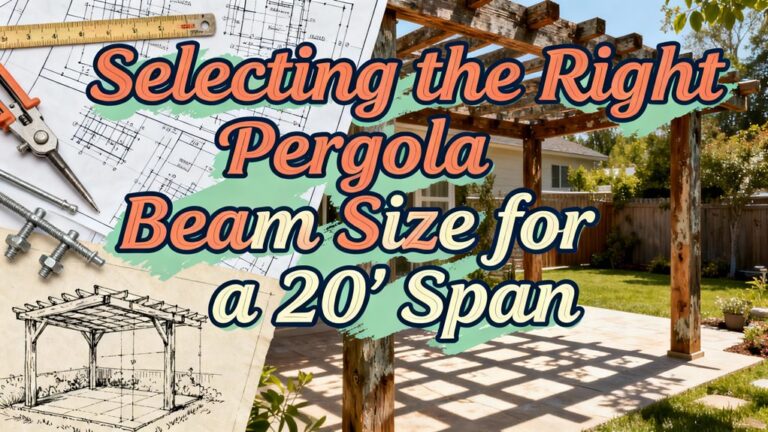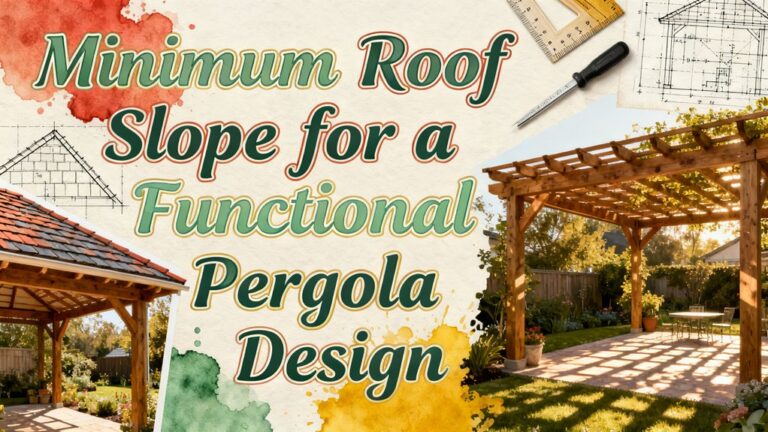
The Purpose of a Roofless Pergola in Outdoor Living
You’ll enhance your outdoor space with a roofless pergola that organizes zones while preserving sightlines and natural airflow. Its open lattice framework anchors your landscape design, complements modern and rustic aesthetics, and supports climbing vegetation that attracts wildlife. The structure provides flexible sunlight control without blocking views, adapts seasonally through customizable panels and lighting, and requires minimal maintenance. You’re gaining both visual refinement and practical functionality that transforms how you experience outdoor living throughout the year.
Aesthetic Enhancement and Visual Appeal
A roofless pergola establishes an immediate visual centerpiece in your outdoor space, transforming an ordinary garden into an architecturally defined environment. The open lattice design creates visual focalization that draws the eye and anchors your landscape composition.
You’ll appreciate how the slatted beam structure delivers outdoor elegance through its light, airy aesthetic. The framework complements both modern minimalist and rustic architectural styles, adapting seamlessly to your design preferences. Western red cedar construction maintains its warm, natural tones while aging beautifully across decades, and applying superior durability finishes like tung oil helps preserve these warm tones over time.
You can enhance visual appeal further by adjusting rafter spacing for personalized shadow patterns, installing fabric covers, or stringing ambient lighting. The pergola functions as an elegant backdrop for climbing plants—roses, ivy, and wisteria—that soften its lines. Strategic placement defines your garden zones while blocking unsightly views, maximizing your property’s visual composition. Adding retractable canopies or adjustable shade features allows you to extend usability throughout different seasons and weather conditions.
Natural Ventilation and Air Circulation
While a roofless pergola‘s open lattice structure creates visual appeal, its greatest functional advantage lies in facilitating unrestricted airflow throughout your outdoor space. The pergola’s design eliminates barriers that trap air, enabling natural wind patterns to penetrate continuously. You benefit from superior airflow dynamics as hot air rises freely through the open framework without becoming trapped overhead. This passive temperature control creates self-regulating cooling cycles where warm air escapes and cooler ambient air circulates beneath. Your outdoor areas remain comfortable during extended use without mechanical cooling systems. The constant fresh air exchange prevents moisture accumulation, eliminates stagnant pockets, and reduces odor concentration. By positioning your pergola to capture prevailing breezes, you maximize cross-ventilation, creating an ideal microclimate for year-round outdoor living.
Flexible Sunlight and Plant Growth Support
Beyond the climate control benefits of natural airflow, roofless pergolas deliver equally significant advantages through their dynamic interaction with sunlight and support for plant growth. You can manipulate sunlight modulation by adjusting beam spacing and orientation—wider gaps increase penetration, while narrow beams create denser shade. This flexibility supports ideal plant health by allowing you to tailor light exposure throughout seasons. Climbing vines and ivy thrive on pergola structures, maturing foliage enhancing shade coverage by up to 50% while improving air quality and biodiversity. You’ll find that plants require minimal maintenance once established, and integrated green roofs support wildflowers or sedum. Combined with dappled shade that reduces UV exposure and surface temperatures, you create a comfortable microclimate while fostering ecological benefits. Selecting weather-resistant materials like teak wood or powder-coated aluminum ensures your pergola structure remains durable through various climate conditions. For pergolas constructed from birch wood, applying high-quality sealers and protective stains will help maintain the structure’s integrity when exposed to moisture and weather conditions over time.

Superior Quality Materials: This 4x4 pergola brackets feature a 90° right angle gusset plate design and weather-proof performance and a stable frame,so you do not have to worry about the attack and damage to storms and wind.

Engineered for USA Climates - ORIGLE pergola brackets are crafted with heavy-duty, corrosion-resistant steel and a premium black powder coating to withstand harsh weather conditions. Designed to snugly fit 4x4 post brackets (actual inner dimension: 3.58"x3.58"), these brackets eliminate gaps and ensure a rock-solid hold for your pergola’s structural integrity. Ideal for pergola kit projects in gardens, patios, or backyard retreats.

Upgrage 3-Way Right Corner Brackets: Our Grehitk pergola brackets are extended 3-Way right angle corner bracket. It has enhanced the stability of the pergola, even in inclement weather. The 4x4 pergola brackets post features weather-proof performance and a stable frame, so you do not have to worry about the attack and damage to storms and wind.
Space Definition and Functional Organization
Roofless pergolas excel at organizing outdoor spaces through structural definition without the visual obstruction of solid walls. You can leverage support columns to establish activity zoning across your outdoor environment while maintaining unobstructed sightlines. The open framework enables flexible furniture arrangement, allowing you to anchor multiple functional areas simultaneously—entertaining zones, lounging sections, and poolside retreats within a single structure.
You’ll find that colorful rugs and built-in seating elements reinforce spatial boundaries, creating distinct gathering spots. The pergola’s vertical framework provides anchor points for your furniture groupings, establishing conversation nooks and designated activity areas. This structural approach mimics interior room organization while preserving the openness you desire. You can easily reconfigure layouts seasonally, adapting your space to changing needs without permanent barriers. String lights hung using outdoor-rated Command hooks or other secure fastening methods can further enhance the ambiance and visual definition of each functional zone.
The roofless design allows you to support climbing plants that create natural canopies while maintaining the openness of your outdoor living area. This combination of structural definition and natural elements transforms your backyard into an inviting, multi-use space that adapts to your lifestyle needs.

Comfortable Textile Material: The back and seat of the chair are made of textile materials with many meshes. It is one of the selected materials for outdoor furniture. This quality material is very breathable and you will enjoy it even in the summer. When it’s dirty, just wipe it with a wet or dry cloth.

Modern and Ergonomic Design: The design of our patio furniture set is simple, stylish and Ergonomic. It is perfect to decorate your your yard, poolside, balcony, patio and indoor area. Provide great comfort for you while you are enjoying your leisure time

Low Maintenance and Cost Efficiency
After establishing your outdoor space’s functional layout, you’ll want to contemplate how minimal upkeep and smart material choices protect your investment. Steel and aluminum pergolas with powder-coated finishes deliver exceptional material longevity without the recurring expenses wood demands. Your cleaning techniques remain straightforward: twice-yearly maintenance using mild soap, soft-bristled brushes, and low-pressure washing at 1,500-2,000 PSI preserves protective coatings effectively. Regular debris removal with leaf blowers and flexible brushes prevents moisture pooling and structural damage. Annual inspections catch minor issues before escalation, while tightening fasteners during routine checks maintains structural integrity. When paint damage does occur on metal components, chemical paint strippers specifically formulated for metal can safely restore the surface. Metal construction eliminates costly staining, sealing, and refinishing cycles. The powder coating forms a tough protective layer that prevents oxidation, fading, chipping, and scratches, ensuring your pergola withstands diverse weather conditions. You’ll avoid expensive chemical treatments and professional service calls, reducing long-term labor costs substantially. This straightforward maintenance approach maximizes durability while minimizing financial burden throughout ownership.

Material Of 4x4 Post Base: Made of Solid Steel, Black Powder Coated, Rustproof and Strong.

Heavy Duty Steel & Rustproof – 2mm thick solid steel with black powder coated finish. Resists rust, rain, and UV. Built for long-term outdoor use.

【DIY 30 Degree Pegola Brackets】This is a free combination of matching bracket. It can be used for both home and business. Different brackets can be combined into different scenes, use your imagination, DIY a bright scene!
Connection to Natural Environment
How does an open-air structure fundamentally alter your relationship with the surrounding landscape? A roofless pergola eliminates barriers between you and nature, enabling genuine nature immersion through unobstructed sunlight, fresh air, and direct weather exposure. You experience seasonal changes authentically—from summer warmth to autumn breezes—while maintaining visual and sensory connection to the sky.
The structure simultaneously functions as a wildlife habitat. Climbing plants and vines flourish through the lattice framework, improving air quality while creating shelter for pollinators and insects. This open design permits free movement of fauna, fostering ecosystem health. Native plant integration promotes ecological balance, transforming your outdoor space into a biodiverse sanctuary that supports local species. Climbing vines like wisteria and clematis add lush greenery while attracting beneficial wildlife to your garden. Unlike covered pergolas, a roofless design allows natural rainfall to nourish plantings directly, supporting a thriving garden ecosystem.
You’re not merely occupying an outdoor area; you’re actively participating in a living ecosystem.
Creating Dynamic Outdoor Living Experiences
A pergola’s open framework transforms your outdoor space from a static setting into an adaptable environment that responds to your evolving needs throughout the day. You can seamlessly shift between diverse outdoor activities by leveraging flexible furniture arrangements and modular elements. Retractable features enable real-time adjustments to sunlight exposure, accommodating both daytime relaxation and evening entertainment. Fire pits nestled beneath pergola structures create dynamic experiences for socializing, while cozy seating areas support quiet reflection. String lights and smart lighting systems enhance ambiance as activities shift from dining to casual gathering. Your pergola-defined zones adapt throughout seasons, supporting family-friendly daytime functions that transform into sophisticated entertainment spaces at night. When planning your pergola, selecting appropriate post and beam sizes ensures your structure can safely support these diverse uses and environmental conditions. Customizable features like climbing plants and curtains allow you to personalize your pergola while maintaining the flexibility to adjust your outdoor environment based on weather and preference. This versatility guarantees your outdoor environment remains functionally responsive to your lifestyle.
Architectural Integration and Design Flexibility
When you’re designing a roofless pergola, you’ll find that its open structure offers remarkable architectural versatility that complements rather than competes with your home’s existing design. The absence of solid roofing preserves your home’s roofline aesthetics while allowing you to select materials—wood, metal, or composite—that coordinate seamlessly with your exterior finishes. You can adjust spacing and orientation to highlight specific architectural features without creating visual obstruction. This design versatility enables you to position your pergola based on sun exposure needs while maintaining neighborhood aesthetics. The open-rafter construction achieves structural cohesion with your landscape, adapting to property constraints and irregular lots. When selecting composite materials for your pergola, consider options with UV ray resistance to ensure long-term durability and aesthetic appeal in sunny climates. Whether you choose independent or attached positioning, you’ll gain customization options that evolve with your changing outdoor living requirements. Proper ground post installation ensures that your roofless pergola remains structurally sound and safely anchored to your property.
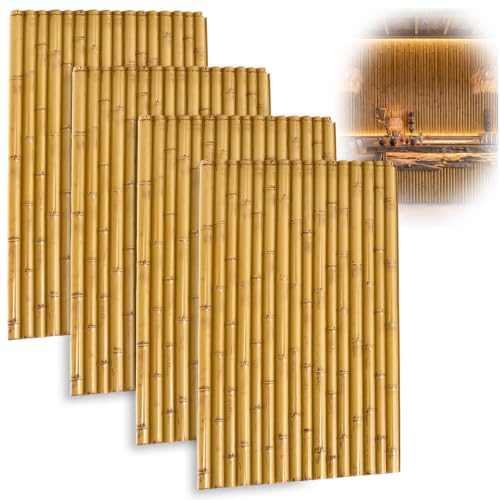
Materials: crafted from high density polyethylene (HDPE), these 4 pack artificial bamboo wall panels deliver good durability and weather resistance; These bamboo panels are waterproof, moisture resistant, and easy to clean; Unlike natural bamboo wall coverings, they resist cracking, splinters, and stains, ensuring long lasting durability for both indoor wall paneling and covered outdoor applications

1.【Shading and Permeable】: Made from Robust Shading Material, It Ensures Long-lasting Outdoor Shades for Patio Performance. The Mesh Tarp for Patio Allows the Circulation of Air and Light, Ensuring Good Ventilation and Temperature Control. Its Eesign Allows Rainwater to Pass Through and Prevents Water Accumulation. 90% Sun Shade Cloth, Pergola Shade Cover Canopy with Grommets, Mesh Tarp Sun Screens for Patio, Outdoor, Garden, Backyard.

Materials: crafted from high-density polyethylene (HDPE), these 2 pack artificial bamboo wall panels deliver good durability and weather resistance; These bamboo panels are waterproof, moisture resistant, and easy to clean; Unlike natural bamboo wall coverings, they resist cracking, splinters, and stains, ensuring long lasting durability for both indoor wall paneling and covered outdoor applications
Year-Round Functionality and Seasonal Benefits
Because roofless pergolas accommodate adjustable systems and design modifications, you’ll maximize outdoor utility across all seasons without sacrificing the structure’s defining open-air character. Your seasonal adaptability comes through motorized louvers, retractable panels, and sensor-driven controls that respond to temperature, wind, and precipitation shifts. During summer, you’ll retract panels for full sunlight exposure; in winter, insulated coverings and infrared heating extend usability into colder months. Weatherproof features—including sealed gaps, weather-resistant fabrics, and high-performance aluminum construction—protect against rain and snow year-round. Spring and fall changes benefit from customizable panel positioning and LED lighting that adapts to fluctuating conditions. Proper structural installation using exterior-grade fastening techniques ensures your pergola withstands seasonal stress and maintains long-term durability, similar to how deck posts must meet minimum depth requirements for stability. This versatile approach transforms your pergola into a dynamic outdoor space that functions reliably regardless of season.

[Heavy-Duty Frame & Hidden Drainage] - Built with a reinforced aluminum and galvanized steel frame featuring a 5.75" center beam and 3.94" x 3.94" heavy-duty posts for enhanced stability and durability, this pergola is designed to withstand winds up to 90 MPH when properly anchored. Engineered to resist rust, corrosion, and outdoor elements, it features a hidden gutter system. Backed by a 2-year warranty for added peace of mind
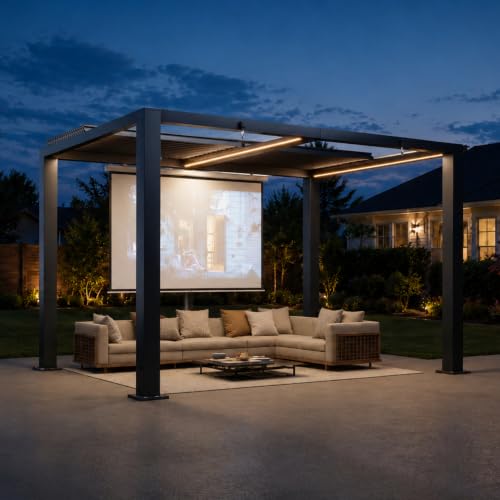
[Heavy-Duty Frame & Hidden Drainage] - Built with a reinforced aluminum and galvanized steel frame featuring a 5.75" center beam and 3.94" x 3.94" heavy-duty posts for enhanced stability and durability, this pergola is designed to withstand winds up to 90 MPH when properly anchored. Engineered to resist rust, corrosion, and outdoor elements, it features a hidden gutter system. Backed by a 2-year warranty for added peace of mind
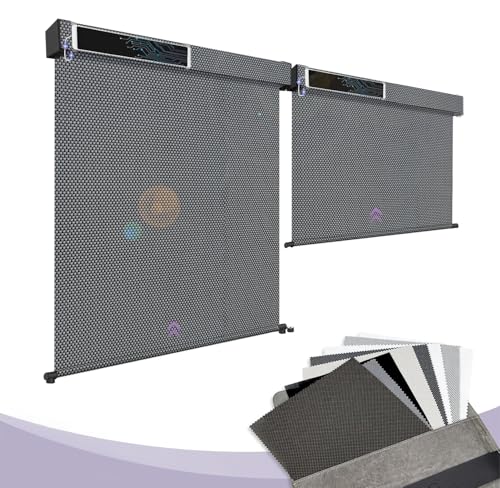
Packaging Contents: Purchase this link to receive all available fabrics for the corresponding type of blinds, packaged in dupont paper pacakge measuring 10.3x6.3 inches. Swatches ensure your chosen blind color and material match your decor, helping you make informed decisions.