How to Cover a Pergola With a Tarp for Protection
To cover your pergola with a tarp, you’ll first measure your structure’s width and length, then add overhang allowances of 1.5 feet per side plus 6-12 inches for slack. Select a material suited to your climate—vinyl tarps for heavy rainfall, mesh for hot areas, or canvas for moderate climates. Secure corners with heavy-duty rope or ratchet pulleys using a crisscross pattern for even tension. Position the tarp with a 5-10 degree slope to prevent water pooling, and install gutters to direct runoff away. Semi-annual inspections and proper cleaning guarantee your investment withstands seasonal challenges.
Understanding Tarp Materials and Their Benefits
Before you select a tarp for your pergola, you’ll need to understand the distinct characteristics of each material type, since they’ll directly impact your shelter’s durability, maintenance requirements, and cost-effectiveness.
Polyethylene tarps offer affordability and UV resistance, ideal for temporary coverage. Vinyl tarps provide superior weather protection and abrasion resistance for demanding conditions, though they’re not breathable. Canvas tarps deliver breathability and natural aesthetics while resisting tearing, making them excellent for long-term installations where tarp longevity insights matter most.
Mesh tarps prioritize lightweight flexibility and ventilation over maximum protection. Nylon and polyester tarps excel in high-stress environments, offering exceptional strength and color retention.
When evaluating tarp color selection, lighter shades reflect heat and UV rays better, extending material lifespan. Consider your pergola’s exposure level and intended use duration when choosing materials that balance protection with practicality.

【FINISHED SIZE】RAINDEWAY blue/silver tarp is 5.5mil thick . The size is actual size that can be used , if you choose RAINDEWAY tarps you will receive a full size tarp

16MIL ULTRA THICK & HEAVY DUTY: Experience ultimate durability with 16MIL thickness and 15x17 high-density weave. Crafted from premium HDPE material, this heavy duty tarpaulin ensures no breakage and can service for years.

𝐂𝐋𝐄𝐀𝐑 𝐓𝐀𝐑𝐏: Ansgery clear plastic sheeting is made of woven and double coated polyethylene 3 layer material,high-quality material enhancement tear-resistant and against uv radiation,effectively extends the service life of the greenhouse tarps
Measuring Your Pergola for Proper Coverage
To secure proper tarp coverage, you’ll need to take precise measurements of your pergola’s dimensions, accounting for every structural element that’ll affect how the tarp drapes and protects.
Start by measuring your pergola’s width and length. Standard pergolas range from 8 to 24 feet wide and extend 8 to 40 feet long. Next, measure beam and rafter lengths from end to end, then add overhang allowances—typically 1.5 feet per side for freestanding structures, totaling 3 feet additional coverage.
Record your pergola’s height from ground to the top of beams, usually between 7 and 10 feet. Verify your structure’s square using the 3-4-5 method: measure 3 feet on one side, 4 feet adjacent, and confirm a 5-foot diagonal. These measurements guarantee you’re adjusting dimensions accurately for complete, snug tarp coverage. Before installing a tarp, consult your local building codes to ensure compliance with any regulations regarding permanent or semi-permanent coverings. If your pergola is attached to your home, ensure your measurements account for any gutters or fascia boards that may affect tarp placement and securing points.
Calculating the Right Tarp Size
Once you’ve recorded your pergola’s dimensions, you’ll convert those measurements into the actual tarp size you need to purchase. Apply the formulas: final width equals pergola width plus double the drape measurement plus extra inches; final length equals pergola length plus double the drape measurement plus extra inches. Add 6 to 12 inches for slack and installation considerations, accounting for manufacturing variations. For peaked roofs, incorporate additional width based on your canopy style—typically two feet for standard configurations. Remember that grommet placement occurs one inch from the tarp edge, so your tarp sizing calculations must accommodate fastening points. Pre-made tarps should exceed your current dimensions by one to two feet for ideal coverage and stress relief during wind conditions. If your pergola is constructed from materials like larch wood, proper ground clearance between your pergola structure and the ground will help prevent moisture damage and warping of underlying materials.
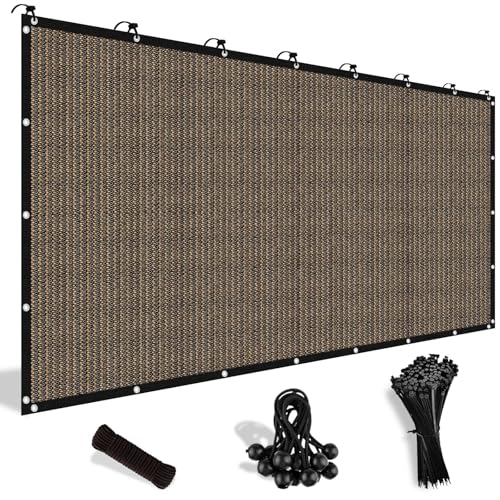
90% Sun Block: Shade&Beyond shade cloth with grommets provides 90% UV protection and resists UV fading. With excellent shading and heat insulation, you can get a shady retreat and keep your belongings away from the sun's harsh effects. By lowering the temperature under its shelter, these sunshades for patio always allow you to enjoy a cool and refreshing outdoor experience, making them ideal for patios, gardens, and more
90% Sun Block: Shade&Beyond shade cloth with grommets provides 90% UV protection and resists UV fading. With excellent shading and heat insulation, you can get a shady retreat and keep your belongings away from the sun's harsh effects. By lowering the temperature under its shelter, these sunshades for patio always allow you to enjoy a cool and refreshing outdoor experience, making them ideal for patios, gardens, and more

Durable & Heavy-Duty Material: Crafted from 200GSM high-density polyethylene (HDPE) with reinforced binding and grommets, this sun shade cloth offers exceptional durability for outdoor use. Its permeable design allows rainwater to pass through easily, preventing water accumulation and sagging. Resistant to tearing and mild weather, it provides reliable sun shade and light wind protection season after season
Selecting the Best Tarp Type for Your Needs
Since your pergola’s exposure to weather, climate, and maintenance demands will vary based on location and use, you’ll need to evaluate tarp materials against these specific conditions. For heavy rainfall areas, PVC or vinyl-coated polyester tarps deliver superior waterproofing and tensile strength. If you’re in a hot climate prioritizing ventilation, mesh tarps allow air circulation while providing shade. Consider tarp weight considerations carefully—heavier vinyl and PVC options resist tearing and UV damage better than lightweight polyethylene, though they’re costlier. Tarp color options matter too; black poly tarps offer enhanced UV resistance. Canvas tarps suit moderate climates where breathability prevents moisture buildup and mildew growth, similar to how preventing mold and mildew is essential for outdoor cushions in humid environments. For long-term pergola protection, applying UV-protective topcoats like marine-grade spar varnish to any exposed wood components will extend the life of your structure beyond what tarp coverage alone can achieve. Ultimately, match the material’s durability and waterproofing capabilities to your climate’s demands and your pergola’s usage patterns.
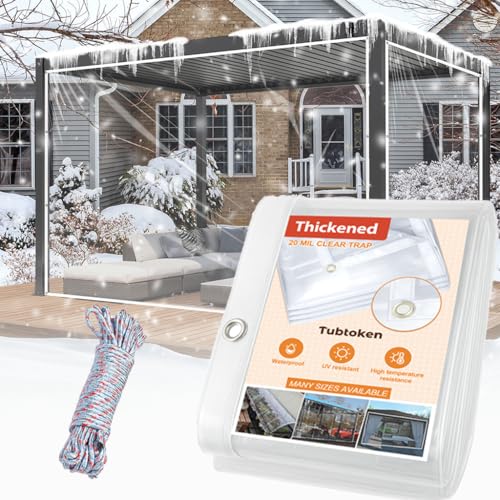
💪 Built to Last with 20mil Thickness - Say goodbye to frequent tears and creases with our upgraded 20mil waterproof outdoor clear tarp curtain! As professional PVC tarp manufacturers, we've addressed common issues by strengthening our fabric, ensuring it lasts longer than 6-10mil thick standard options. Experience durability that stands the test of time, with at least 95% of our fabrics tear-free even at creases.
💪 Built to Last with 20mil Thickness - Say goodbye to frequent tears and creases with our upgraded 20mil waterproof outdoor clear tarp curtain! As professional PVC tarp manufacturers, we've addressed common issues by strengthening our fabric, ensuring it lasts longer than 6-10mil thick standard options. Experience durability that stands the test of time, with at least 95% of our fabrics tear-free even at creases.
💪 Built to Last with 20mil Thickness - Say goodbye to frequent tears and creases with our upgraded 20mil waterproof outdoor clear tarp curtain! As professional PVC tarp manufacturers, we've addressed common issues by strengthening our fabric, ensuring it lasts longer than 6-10mil thick standard options. Experience durability that stands the test of time, with at least 95% of our fabrics tear-free even at creases.
Preparing Your Pergola for Installation
Before you install your tarp, you’ll need to ascertain your pergola’s foundation and structure are properly prepared to handle the added weight and weather loads. Start with thorough site preparation by clearing vegetation, rocks, and debris from the installation zone. Level the ground to establish a stable, even base.
For foundation installation, dig holes 28-48 inches deep according to local frost line requirements, making them approximately 8×8 inches wide. Add 4-6 inches of gravel for drainage, then set posts plumb using a level. Brace posts with 2x4s before filling with concrete. Before proceeding with construction, verify that you have obtained the appropriate zoning permit for your pergola installation.
Verify all beam and rafter connections are tight and secure with structural screws. Inspect the pergola’s slope to ascertain proper water drainage, positioning two sides slightly lower than center to prevent pooling beneath your tarp. Ensure your tarp material can withstand UV rays and weather exposure to maintain its integrity throughout the seasons.
Attaching the Tarp Using Eyelets and Fasteners
Securing your tarp properly requires selecting the right fastening method based on your pergola’s structure and the environmental conditions you’ll face. Begin with eyelet installation by specifying grommet alignment when ordering your tarp. Position eyelets approximately 6 inches from attachment points for ideal tension distribution.
Choose fastener types according to your pergola material. For wooden structures, use wood screws with large washers that exceed the grommet’s outer diameter. Metal pergolas work well with bungee cords looped around beams or twist lock fasteners. Consider eye lag screws for flexible attachment options.
Maintain even tension across all sides to maximize rain and wind resistance. If your pergola is made from bamboo, ensure fasteners don’t compromise the water-resistant finishes that protect the material from moisture damage. For pergolas with wicker furniture underneath, synthetic wicker offers superior mold and moisture resistance compared to natural alternatives. Inspect fasteners regularly, adjusting as needed to prevent sagging and guarantee long-term durability.

Self-cutting grommets: Designed for hassle-free installation, these plastic grommets cut their own hole as you install, saving time and effort on canvas, nylon, or plastic materials

HEAVY‑DUTY TRANSPARENT PVC MATERIAL Constructed from durable transparent PVC plastic, offered in 14mil and 20mil thickness. High light transmission preserves unobstructed views, delivering stable performance for long‑term outdoor application.
HEAVY‑DUTY TRANSPARENT PVC MATERIAL Constructed from durable transparent PVC plastic, offered in 14mil and 20mil thickness. High light transmission preserves unobstructed views, delivering stable performance for long‑term outdoor application.
Creating Proper Water Drainage
Now that you’ve secured your tarp with proper fasteners, you’ll need to address how water moves across and off your pergola to prevent pooling and structural damage. Position your tarp so that two sides sit lower than the center, allowing water runoff to flow efficiently toward designated points. Install a center support bar over large areas to relieve pressure and direct water in opposite directions. For effective drainage solutions, create a 5-10 degree slope that prevents water accumulation. Unlike more permanent roofing options such as polycarbonate roofs, tarps require especially careful drainage management to prevent water damage. Ensure your pergola’s structural integrity by properly securing posts to the deck framing with heavy-duty lag bolts before installation. Channel runoff away from your pergola’s base using gutters or downspouts, then direct it toward permeable surfaces like gravel beds or French drains. This thorough approach protects your structure while maintaining functionality throughout heavy rainfall events.
Achieving a Tight and Secure Fit
Once you’ve established proper water drainage, the next critical step is securing your tarp with enough tension to prevent flapping, sagging, and wind damage. You’ll want to attach corners first using heavy-duty rope, ratchet pulleys, or bungee cords for maximum tension. Install reinforced grommets and D-rings at each corner to create stable anchor points. For ideal tension distribution, employ a crisscross pattern with ropes to spread stress evenly across the surface. Increase tie-down points strategically to reduce exposed tarp area and minimize wind lift for effective flap prevention. Tighten all securing points incrementally, checking for sagging sections. Elastic cords absorb gusts while reducing noise and movement, ensuring your pergola remains protected and secure throughout varying weather conditions.
Using Reinforcement and Additional Accessories
To maximize your tarp’s longevity and weather resistance, you’ll need to strategically reinforce its structure with quality materials and complementary accessories. Begin by folding edges 1 to 2 inches and securing them with heavy-duty fabric tape or stitching. Insert webbing or rope inside the fold to create a stress-distributing hem that resists tearing under tension. Next, install durable grommet installation using rust-resistant brass inserts at regular intervals around the perimeter. These reinforced attachment points prevent failure during wind loads. For thorough tarp reinforcement techniques, consider adding nylon webbing along edges for flexible strength. Combine these measures with quality bungee cords and eye bolts for optimal pergola coverage. Proper reinforcement greatly extends your tarp’s functional lifespan and protective capabilities.

Unparalleled Strength: Our tape boasts a unique adhesive blend, ensuring a firm grip on tarps, vinyl, & plastics—withstanding wind, rain, & UV rays.


Ergonomically Designed and experience ease:The grommet tool kit has user-friendly design not only reduces effort but also enhances your productivity. It's the perfect companion for handmade enthusiasts looking to indulge in the joy of crafting with added convenience.
Maintaining Your Tarp for Long-Term Protection
Because quality tarps can last up to 10 years when properly maintained, establishing a consistent care routine will greatly extend your pergola’s protection and your investment’s value. Inspect your tarp twice yearly for thinning, tears, or loose stitching. Check sandow elasticity and replace if filaments become visible.
For cleaning techniques, use warm, soapy water with a non-abrasive brush, avoiding bleach and pressure washers that damage material. Rinse thoroughly with clear water afterward.
Ensure tarp longevity by fully extending tarps to dry after rain or cleaning before folding or storing. Never store damp tarps, as moisture promotes mold growth. Keep tarps in cool, dry locations away from direct sunlight using breathable storage bags.
During storms, retract tarps to prevent wind or snow damage. Remove debris promptly to prevent punctures and maintain best durability.