Essential Safety Tips for Repairing Your Deck Railing
You’ll need to inspect for loose fasteners, rot, and structural damage before making repairs. Verify your railing meets local codes—typically 36–42 inches high with balusters spaced no more than 4 inches apart. Test connections with lateral pressure and confirm posts are securely anchored with galvanized bolts. Perform load testing using a 200-pound point load on the top rail. Replace corroded hardware immediately and reapply protective sealants every 1–3 years. The extensive guide ahead covers each step systematically.
Inspection and Assessment Fundamentals
Before you repair your deck railing, you’ll need to conduct a thorough inspection to identify existing damage and safety hazards. Start by examining the deck design and structural components systematically from top to bottom, checking for splintering wood, rust, loose fasteners, and cracked balusters. Probe wooden posts and rails with a screwdriver to detect soft spots indicating rot or decay. Test connection points by applying lateral pressure—railings must withstand approximately 200 pounds of force without excessive movement. Ensure your deck railing meets building codes by verifying that baluster spacing complies with safety standards to prevent hazards. For decks elevated over 30 inches, confirm that your guardrail meets the minimum height requirements established by local building codes. Establish an inspection frequency based on your climate and deck usage; decks in wet environments require more frequent assessments. Professional inspectors can identify root causes of loose railings in 30 minutes to several hours, depending on deck complexity and condition severity.

Package Includes: you will receive T-type top bracket 4, cross dovetail screw long nail 24, short nail 8, PVC screw hole plug 24
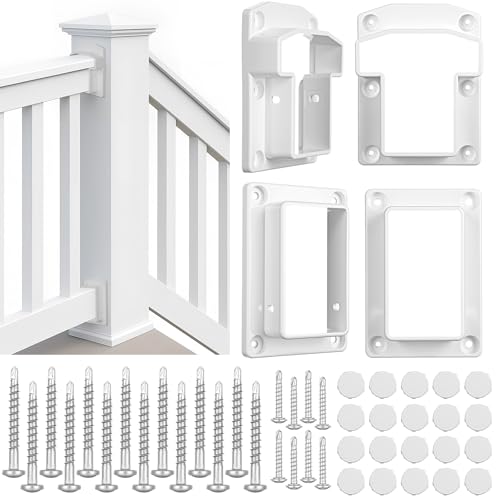
Product Package: this vinyl fence rail bracket kit includes 2 T shaped rail brackets, 2 rail brackets, 20 10 x 1-1/2″ round head screws, 20 PVC screw hole plugs, and 8 self drilling screws

Multi-Angled and Wide-Adjustment: This cable railing kit works for 1/8" wire rope in multi-angled stairways as well as horizontal sections. The multi-angle feature and adjustable closed-body enables the turnbuckle to rotate from 0-180 degrees and adjust freely from the max length of 10.1 inch to the min length of 6.8 inch
Understanding Railing Height and Spacing Requirements
Understanding your local railing height and spacing requirements is critical to ensuring your deck repairs meet safety standards and pass inspection. For residential decks exceeding 30 inches, you’ll need a minimum 36-inch railing height per IRC standards, though California and Washington require 42 inches. Measure this height vertically from the adjacent walking surface.
Your spacing requirements demand that vertical balusters prevent a 4-inch sphere from passing through—this protects children from entrapment hazards. You must apply this rule throughout your railing, including corners and changes. Additionally, triangular openings between the bottom railing and steps require 6-inch sphere testing to ensure compliance. In New Jersey, balusters must be spaced no more than 8 inches apart to meet local safety standards.
Before you begin repairs, verify your local codes, as jurisdictions frequently exceed IRC minimums. Requirements vary greatly between residential and commercial properties, so check with your building authority to confirm exact specifications for your project.
Identifying Loose Fasteners and Hardware Issues
Loose fasteners and deteriorated hardware represent one of the most common—and most dangerous—causes of railing failure. You’ll want to conduct thorough fastener inspection seasonally, paying special attention to where rails connect to posts and where posts anchor to your deck frame.
Look for missing screws, bolts, or brackets nearby, and check for rust or corrosion that weakens metal fasteners. Gently shake or push on your railing to detect any wobbling or movement. All railings must be capable of withstanding a force of at least 200 pounds applied within 2 inches of the top edge in any direction.
When tightening fasteners, you should work snugly without overtightening, which can damage materials. If loosening persists, prioritize hardware replacement immediately. Replace rusted fasteners with galvanized or stainless steel options, and apply rust-preventative coatings to extend their lifespan. According to the International Residential Code, proper fastening is essential to maintain the structural integrity required for railings on decks exceeding 30 inches in height. This proactive approach prevents catastrophic failure and maintains your railing’s structural integrity.

Durable Outdoor Finish — Designed for Long-Term Use: Crafted for outdoor railing applications with a textured matte black finish designed to resist everyday wear and maintain a clean appearance across deck, porch, and stair railing systems.

Heavy-Duty Galvanized Steel — Built for Secure Level Connections: Made from strong galvanized steel with a protective black coating, these level railing brackets provide dependable support at key connection points while helping resist rust and corrosion outdoors. The durable finish stands up to rain, humidity, and seasonal weather and coordinates cleanly with Guwezoy railing panels, posts, gates, and accessories for a consistent, finished look.

What You Get: it comes with 30 sets of heavy duty carriage bolt kit, includes 30 pcs 1/2" x 6" carriage bolts, 30 pcs flat washers and 30 pcs hex nuts, sufficient quantity to meet your daily appliacation and replacement needs
Evaluating Structural Integrity and Anchoring
While fastener security prevents immediate failure points, the underlying structural foundation determines your railing’s long-term reliability and safety. You’ll need to conduct thorough foundation inspection to identify settling, shifting, or damage that compromises your deck’s stability.
Examine concrete footings for cracks or gaps that weaken structural integrity. Check for soil erosion around the foundation base, which signals potential settling issues requiring immediate attention. Verify that support posts are securely anchored and properly elevated to prevent moisture exposure and wood deterioration. Ensuring good ventilation under the deck prevents moisture damage and warping that can compromise structural integrity over time.
Assess post stability by evaluating load distribution capacity and examining metal connectors for corrosion or deterioration. Verify all connection points between beams, joists, and posts are properly installed and secure. Improper post installation severely impacts your entire deck’s structural integrity, so address any concerns before they escalate into safety hazards. After cleaning and repairs, apply appropriate stain or paint to protect the wood and enhance the deck’s longevity.

Material Of 4x4 Post Base: Made of Solid Steel, Black Powder Coated, Rustproof and Strong.

Material Of 4x4 Post Base: Made of Solid Steel, Black Powder Coated, Rustproof and Strong.

Premium Quality & Rust Protection: Our 4x4 post base is made from high - quality steel with advanced rust - resistant processes. The black baked enamel finish ensures long - lasting rust protection and adds elegance. It's a reliable choice for your 4x4 post anchor needs.
Selecting Weather-Resistant Materials for Longevity
After you’ve verified your deck’s structural foundation, selecting weather-resistant materials becomes your next critical decision for long-term railing safety and performance. Aluminum advantages include superior strength-to-weight ratios and natural corrosion resistance through self-renewing oxide layers. Powder-coated aluminum railings withstand coastal salt spray and extreme temperatures without regular re-coating, lasting 20+ years with minimal maintenance. Composite alternatives offer comparable durability, extending 25+ years with reduced upkeep requirements. Both materials resist rot, warping, and fading while requiring only soap-and-water cleaning. Avoid moisture-absorbent woods like rubberwood, which deteriorate quickly when exposed to outdoor elements and are prone to warping and swelling from moisture absorption. Consider protective finishes like PVDF or CeraShield coatings for enhanced weather protection and aesthetic appeal. Proper installation with appropriate fasteners ensures your railing system maintains structural integrity and safety performance over decades. Your material choice directly impacts repair frequency, safety longevity, and overall deck railing performance across varying climate conditions.

ENHANCED DECK & PORCH SAFETY: This aluminum porch railing kit features an ergonomic “breadloaf” top rail that provides a secure, comfortable grip. Ideal for families, seniors, and children, this is a premium choice for balconies, patios, and outdoor railings.

ENHANCED DECK & PORCH SAFETY: This aluminum porch railing kit features an ergonomic “breadloaf” top rail that provides a secure, comfortable grip. Ideal for families, seniors, and children, this is a premium choice for balconies, patios, and outdoor railings.
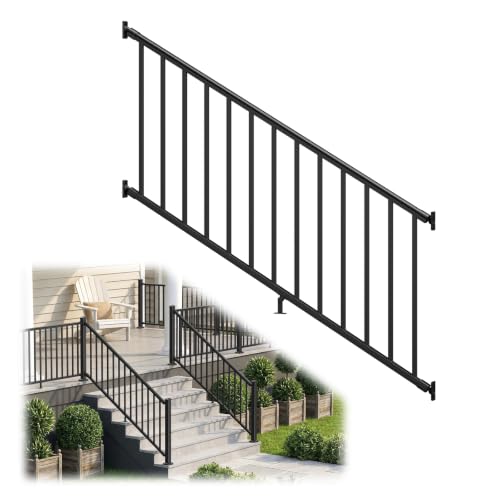
[Versatile Application for Any Setup] Designed for decks, porches, balconies, and stairs – this stair railing kit offers maximum flexibility. Use it with wood posts or pair it with BLIKA posts (sold separately: B0GGBB4S58) to create a custom layout. Perfect for retrofit stair railing existing posts projects. The adjustable brackets (28–40°) work on both flat surfaces and stairs, making it an ideal adjustable stair railing kit for stair railing for aluminum rail system or stair railing for wooden stairs.
Recognizing When to Call a Professional
Even with the best maintenance practices, you’ll encounter deck railing issues that exceed DIY capabilities and demand professional intervention. When to hire a contractor versus attempting repairs yourself depends on several critical factors.
You should contact a professional if you notice structural damage like cracked posts, rot affecting the ledger board, or sagging components. Severe rust corrosion at connection points also necessitates expert assessment. Additionally, building code compliance presents complex jurisdictional requirements that professionals navigate confidently. In Connecticut, deck railings must comply with specific requirements including 36-inch minimum heights for guardrails on decks elevated more than 30 inches above grade.
Contractor versus DIY distinctions become clear when dual attachment systems, metal bracket replacements, or specialized fastening methods are involved. For metal components, applying oil-based enamel spray paint can help prevent corrosion and maintain the structural integrity of your railings. Your railings must meet specific height standards (36-42 inches), lateral force resistance (200 pounds), and baluster spacing (4-inch maximum gaps). Professional installation assures your deck meets local codes and inspection requirements while maintaining structural integrity and safety.
Proper Post Anchoring Techniques
Your deck’s structural integrity depends entirely on how well you anchor the railing posts, and this process begins with a thorough assessment of what’s already there. You’ll need to inspect your deck’s joists and beams for rot or weakness before attaching new posts.
Use 1/2-inch hot-dipped galvanized bolts with broad bearing surface washers for superior holding power and proper load distribution. Position posts at marked locations aligned with structural supports, confirming vertical plumb before securing fasteners. Drill 9/16-inch pilot holes straight and square to prevent wood splitting and guide bolt insertion accurately.
Tighten bolts firmly without overtightening, which crushes wood fibers and reduces connection strength. Verify post alignment by applying pressure—posts shouldn’t move after securing. Proper blocking installation between joists creates a solid attachment point that ensures your railing structure complies with building codes and withstands load requirements. Following joist spacing requirements of 16 inches on center for standard applications provides the necessary structural support for your railing system. This foundation guarantees your railing safely supports intended loads.

【FIT NOMINAL 6X6 WOOD POSTS】 Designed for nominal 6x6 wood posts (actual 5.5" x 5.5" on market), it provides a snug, gap-free fit and can be easily installed on existing concrete or wood decks

PRECISE 3/8" x 8" SIZE FOR STRUCTURAL USE 3/8 inch diameter and 8 inch length designed for heavy-duty wood-to-wood connections where deep embedment and strong holding power are required.

Material: low carbon steel, hot dip al-zn finish
Building Code Compliance Standards
While you’ve properly anchored your posts, you’ll now need to guarantee your railing meets the applicable building codes that govern deck safety. Start with IRC baseline requirements: 36-inch minimum guardrail height for residential decks over 30 inches above grade. However, code variations exist—California and Washington mandate 42 inches for residential applications, while commercial decks follow IBC standards requiring 42-inch minimums.
Perform compliance checks on spacing regulations. Balusters can’t exceed 4-inch spacing, and no opening should permit a 4-inch sphere passage. Posts require spacing no greater than 8 feet apart for structural integrity. Michigan decks must comply with the 2015 Michigan Residential Code, which incorporates the International Residential Code for residential construction standards. In addition to height and spacing requirements, your railing must be structurally sound to support specified loads, typically a minimum of 40 pounds per square foot live load in Florida.
Always verify your local jurisdiction’s adopted codes before proceeding. Building departments sometimes impose stricter requirements than state standards. Contact your local authority having jurisdiction to confirm exact specifications for your project.
Load Capacity Testing and Safety Verification
A railing’s structural integrity hinges on its ability to withstand prescribed loads without excessive deflection or failure. You’ll need to verify that your repaired railing meets code requirements through load testing.
Apply a concentrated 200-pound point load at the top rail’s mid-span and near post connections using calibrated spring scales or a pull apparatus. Measure deflection carefully—it shouldn’t exceed allowable limits based on your post spacing. Safety factors of at least 2.5 above design loads protect against unexpected stresses. Your railing system must be tested and certified to comply with the International Residential Code or International Building Code adopted in South Carolina.
Before load testing, inspect for loose fasteners, wood degradation, or compromise signs. Just as thorough inspection is essential when cleaning outdoor furniture to prevent damage, examining your railing for structural weaknesses before testing ensures accurate results. After repairs, retest to confirm restored capacity. For railings using non-standard materials or deviating from code specifications, consult an engineer to validate your load testing results and ascertain compliance.
Maintenance Strategies to Prevent Future Damage
Since load testing confirms your railing’s restored capacity, you’ll want to establish a proactive maintenance routine that prevents the deterioration requiring such repairs in the first place. Implement preventive maintenance by conducting seasonal inspections twice yearly, focusing on structural integrity and hardware conditions. Clean your railings bi-weekly with mild detergent, then inspect for rust, corrosion, and loose fasteners. Reapply protective sealants every 1-3 years, selecting products matched to your specific decking materials—composite, wood, or metal require different treatments. Consider using breathable covers when railings are not in use during extended periods to shield them from environmental exposure. Tighten all bolts and connectors regularly to maintain stability. Remove debris and moisture accumulation around post bases, where rot initiates. Ensure your balusters or openings meet the 4-inch sphere spacing requirement to maintain safety compliance and protect against falling hazards. Winter demands prompt snow and ice removal; avoid salt-based products on metal components. This disciplined approach extends railing lifespan considerably while ensuring continued safety compliance.