How to Remove Deck Boards Without Causing Damage
To remove deck boards safely, you’ll need a crowbar, hammer, drill, and safety gear including gloves, glasses, and dust masks. Start by inspecting boards for protruding nails and loose screws, then drive fasteners flush. Remove screws with an electric drill in reverse, working systematically from the deck’s edges toward the house. Avoid applying excessive force; loosen fasteners first. Clear debris and assess for hazards like electrical lines. Protect exposed framing with self-adhesive joist tape and wood preservative. A structured approach prevents costly structural damage and guarantees your project’s success.
Essential Tools for Safe Board Removal
Before you’ll need the right tools to minimize damage and work efficiently. Your tool selection should include a crowbar or pry bar for gently lifting boards, a hammer for tapping and nail removal, and a drill with screwdriver bits for screw extraction. A reciprocating saw handles stubborn fasteners that resist manual removal. For safety measures, wear safety gloves to protect against splinters and sharp edges, safety glasses to shield your eyes from debris, and a dust mask when dust or old paint particles are present. Knee pads reduce strain during extended kneeling tasks, helping you maintain control and prevent accidental damage to boards and joists. A cat’s paw is particularly effective for removing ring shank nails that are designed to resist extraction. Hearing protection becomes essential when operating power tools. Special care is advised with systems such as Tiger Claw or Cortex fasteners, where precise removal preserves the integrity of adjacent boards and waterproof seals.
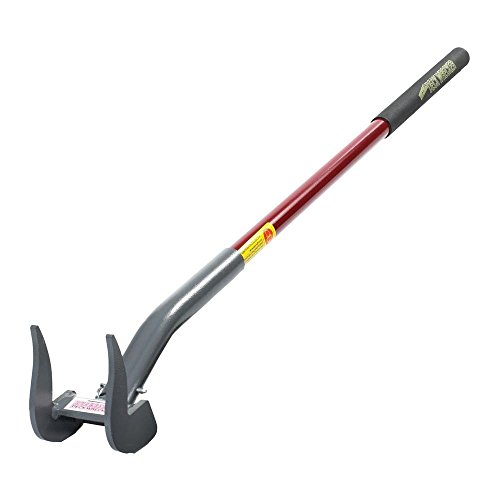
WORK SMARTER, NOT HARDER: Introducing the Duckbill Deck Wrecker – the ultimate tool designed for effortless and efficient deck board removal. Say goodbye to a sore back and...
Step-by-Step Removal Techniques
Now that you’ve gathered your tools and safety equipment, you’re ready to begin the actual removal process. Start with thorough board inspection, checking for protruding nails and loose screws before tackling removal timing. Drive nails flush and tighten screws to create a safer working environment.
Remove fasteners systematically—use an electric screwdriver in reverse for screws and a hammer claw for nails, protecting the board surface with a wood block underneath. Work one fastener at a time to maintain control and prevent damage to adjacent boards. Before beginning removal, assess your deck for potential hazards including electrical lines and pest nests that could pose safety risks during the demolition process.
Begin removal from the deck’s outside edges, progressing toward the house to maintain structural stability. Insert your pry bar between boards and joists, applying steady pressure to lift incrementally. For stubborn fasteners, employ a reciprocating saw to cut through them efficiently. Since untreated wood decks deteriorate over time, removing damaged boards before they compromise the structural integrity of surrounding boards is essential.

Up to 10x faster than hand removal

VERSATILE USE – Powerful 7 Amp motor provides enough power to complete a range of cuts on different materials, including wood, metal, and plastic.

Protecting Your Deck Framing
Once you’ve removed the old deck boards, you’ll want to focus on protecting the framing beneath—the structural foundation that supports your entire deck. Apply self-adhesive joist tape to all exposed joists, beams, and rim joists to establish moisture resistance. Use butyl-based tape for superior durability and seal. Verify you clean and dry surfaces first, then press tape firmly while overlapping edges to eliminate gaps.
Don’t neglect end grains and cut ends—treat these vulnerable areas with wood preservative. Consider liquid roll-on coatings for complex framing shapes that tape can’t adequately cover. Before applying any protective coatings, thoroughly inspect for damage such as rot, soft spots, or discoloration that may indicate structural compromise. Proper surface preparation ensures optimal adhesion of protective coatings to your framing.
Maintain framing integrity by inspecting for rot or corrosion signs. Address any damaged flashing immediately. Proper moisture protection now prevents costly structural repairs later and extends your deck’s lifespan considerably.
Navigating Tight and Confined Spaces
While protecting your framing establishes the deck’s structural foundation, you’ll encounter practical challenges when removing boards in tight spaces—under railings, between fixed structures, or in narrow gaps where standard tools won’t fit. Start by removing adjacent boards to improve board access and create entry points for your tools. Use specialized equipment like deck wrecks, reciprocating saws, or flat bars with gentle hammer bumps to work methodically. When boards butt against fixed structures, employ saber saws or plunge routers to cut edges rather than forcing them. Sequence your removal strategically, tackling boards that block access first. Cut railing sections into smaller pieces and detach non-structural elements like balusters to expand maneuverability. Just as proper secure fastening is essential for pergola roof installation, ensuring all remaining deck components are tightly secured after board removal prevents future structural issues. For outdoor structures that will be furnished with seating, consider applying UV-resistant protective finishes to newly exposed wood surfaces to prevent weather damage and extend the life of your deck. This systematic approach maintains deck integrity while safely managing confined areas.
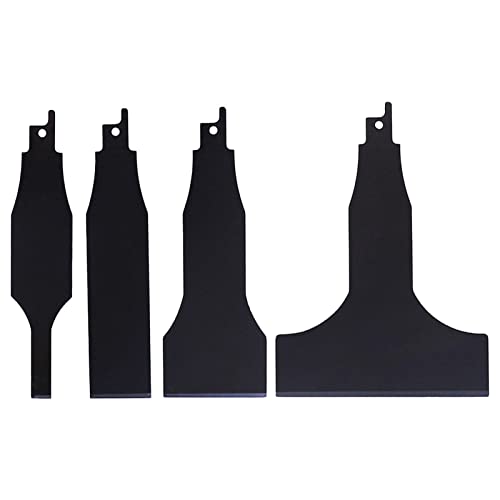
【4PCS IN 1 SET】Applicable to most brands of saber saws, it can replace manual scraper, improve work efficiency and reduce manual pressure.


UP TO 50% LONGER LIFE*: Patented tooth forms optimize chip removal for efficient cutting and long life. *Average performance of DEWALT reciprocating saw blade range vs. prior generation DEWALT blades
Removing Composite and Alternative Decking Materials
Composite decking presents distinct removal challenges that differ fundamentally from traditional wood boards—you’ll encounter hidden fasteners, specialized attachment systems, and materials sensitive to damage during extraction. Identify composite fasteners first: surface screws at board edges, cortex plugs covering hidden screws, or groove-and-clip systems. Use impact drivers with correct bit sizes to avoid stripping stainless steel fasteners. For difficult screws, consider accessing fasteners from underneath or tapping gently while turning.
When removing decking materials, employ slim pry bars with level edges to lift boards gradually without gouging. Remove edge boards first to reduce tension between planks. Inspect boards beforehand for existing damage. Store fasteners carefully if you’re planning reinstallation. Consistent fastener spacing across joists, typically with joist spacing not exceeding 16 inches, ensures you can systematically locate and remove all attachment points during disassembly. After removal, seal exposed joists and fastener holes promptly to prevent moisture infiltration and structural damage. Proper fastener placement using two screws per joist during the original installation helps determine removal strategies and ensures you account for all attachment points.

Set includes: (3) non-marring, double-ended pry tools and (1) plastic storage tray

Powerful Demolition Made Easy – The GreenTek Hardwood Floor Remover is built to save you time and effort. Demo bar strong design removes entire hardwood planks, deck boards, and pallets in one smooth motion, making demolition faster and easier.

Quick Teardown: This lever-style pallet buster uses a curved pointed tip to slip into board gaps for fast removal. You save time and effort while helping reduce board breakage for better reuse
Accelerating Removal While Preventing Damage
Now that you’ve addressed the fastening systems specific to composite materials, you’ll want to focus on execution speed without compromising your deck frame or remaining boards. Employ efficient fastener techniques by working systematically from outer edges inward, removing fasteners completely before prying boards. Use reciprocating saws to cut stubborn fasteners flush with boards, reducing manual force requirements. Apply safe prying methods by loosening boards incrementally at each joist rather than forcing entire boards simultaneously. Position flat bars with wood blocks underneath to distribute pressure evenly and prevent gouging. Work methodically—one board at a time—maintaining controlled, steady pressure throughout removal. Once boards are removed, consider applying clear deck sealers to protect any exposed wood surfaces on your frame from moisture and UV damage. This balanced approach accelerates your progress while protecting underlying framing and adjacent boards from unnecessary damage. Taking time to work systematically and maintain weather-proof protection on your workspace will help preserve tool longevity and ensure a safer removal process.

【EFFICIENT OPEERATION】The alternating tooth design with optimum angles to reduce cutting friction and heat, which can ensure the sharpness of the pruning saw blades.

【Product Content 】5 Pack 9-inch 5TPI pruning reciprocating saw blades, 0.06 inch thick for added stability. Resistant to bending and stored in a convenient case for easy access.
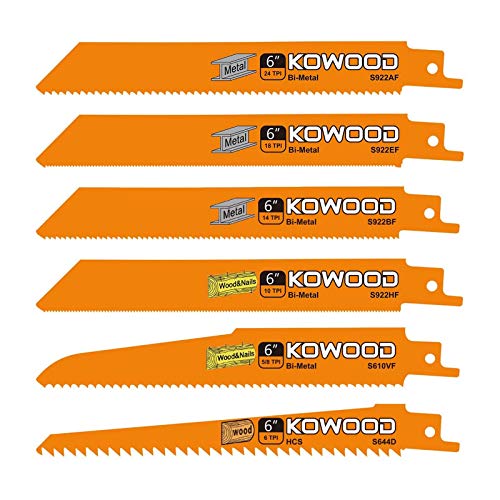
UP TO 33% LONGER LIFE* KOWOOD reciprocating saw blades are made of high-quality HCS and Bi-Metal. Compared with others carbon steel blades, Bi-Metal blades have more advantage on cutting edge toughness and blade flexibility.
Common Mistakes to Avoid During Board Removal
Even with the best preparation, common mistakes during board removal can quickly escalate damage to your deck frame and materials. Your most critical removal errors stem from skipping board inspection before you start. You’ll risk unexpected breakage if you don’t assess rot, corrosion, or adhesive fastening beforehand.
Avoid applying excessive force without loosening fasteners first—this causes wood fibers to tear and boards to split. Don’t pull fasteners sequentially from one side only; you’ll warp the board. Instead, loosen all fasteners systematically before prying. If your deck uses hidden fastening systems, you’ll need to carefully locate and access concealed clips or screws before attempting removal.
Use proper leverage with longer pry bars rather than short ones, which reduce control. For stripped or damaged screw heads that won’t turn, consider drilling out the head with a metal bit slightly wider than the shaft to shear it off. Never handle unsupported boards without assistance, and clear debris and protruding nails beforehand. These precautions prevent material damage and personal injury.