How to Build a Deck With Trex Composite Boards
You’ll start by installing pressure-treated lumber joists spaced 16 inches on-center, then select Trex Select boards in your preferred color. Install them using either hidden Trex Hideaway® fasteners or surface-mount composite screws, maintaining 1/8″ to 1/4″ gaps for expansion. Align fasteners with joist centers, using two screws per joist penetrating at least one inch deep. Finish with picture framing, fascia boards, or end coating for a polished appearance. The specific techniques for each step will guide your project’s success.
Preparing the Deck Frame and Joists
Before you lay a single composite board, you’ve got to get your deck frame right—and that starts with selecting and installing proper joists. Choose code-approved, pressure-treated lumber that’s straight and level to prevent surface unevenness. Maintain consistent joist spacing at 16 inches on center, which provides adequate support for Trex boards while complying with manufacturer specifications. Common joist sizes for deck framing include 2×6, 2×8, 2×10, and 2×12, with the specific size depending on your local building codes and span requirements.
Install blocking between joists every 3 to 4 feet, particularly where picture frame boards attach. This block installation prevents flexing and guarantees border boards remain stable. Space your blocking consistently and flush with joist tops so everything installs level. Following manufacturer-specific guidelines ensures your frame meets all requirements for optimal composite board performance.
Assemble your frame with galvanized fasteners, use corner brackets for strong connections, and verify everything is square before proceeding. Proper frame preparation eliminates problems down the line.
Selecting and Preparing Deck Boards
With your frame properly installed and verified square, you’re ready to select the composite boards that’ll form your deck’s surface. Trex Select offers an excellent mid-range value, balancing affordability with performance through its non-scalloped, scratch-resistant construction.
You’ll find deck board types in standard lengths of 12′, 16′, and 20′, all measuring 5.5 inches wide and 0.82 inches thick. This thickness makes them lighter and easier to handle during installation. Choose between square-edge profiles for face-screwed applications or grooved-edge boards for hidden fastener systems, which provide a seamless, polished look without visible screws while reducing the risk of board splitting. The hidden fastener clips secure the boards in place within the grooves to maintain uniform spacing across your deck.
For color options, Select provides five versatile choices: Malted Barley, Millstone, Pebble Grey, Saddle, and Whiskey Barrel. Select Saddle delivers a sunny medium brown with authentic wood-grain patterns. All colors feature fade resistance and low-maintenance properties, ensuring your deck maintains its appearance for years.
Installing Hidden Fasteners
Now that you’ve selected your grooved-edge Trex boards, you’ll install them using the hidden fastener system, which conceals all hardware for a seamless, finished appearance. Begin by positioning Trex Hideaway® fasteners into the grooved edge of each installed board, aligning the screw hole with the joist center for ideal support. Insert screws but leave them partially tightened, allowing minor adjustments. The fasteners automatically create consistent 1/4-inch gaps between boards—critical for expansion. Press boards down firmly using a rubber mallet if necessary to seat them properly. These hidden fasteners feature a reverse rake tip that removes board material as it bores to prevent splitting and splitting, ensuring a clean installation without pre-drilling. Follow Trex product specifications regarding fastener placement and spacing throughout hidden fastener installation. Once correctly aligned and seated, fully tighten all screws. Side-groove fasteners offer an excellent alternative when hidden fastener systems cannot be used on certain board profiles. This method guarantees professional results while maintaining structural integrity and aesthetic appeal.

Efficient Design: This deck hidden fastener tool compatible with Trex hidden fasteners, Installing the hidden fasteners have become more convenient and efficient. A must have and value for money tool that simplifies the installation process and greatly improves deck installation efficiency, installing decks like a pro

Trex Universal Clip 500 SQFT
Surface-Mount Fastening Process
Unlike the hidden fastener system that conceals hardware within grooved edges, surface-mount fastening requires you to attach screws directly to the board’s surface. Your fastener selection is critical—you must use only Trex-approved composite deck screws that are color-matched to your decking. These screws feature double threads and cutter heads for self-drilling installation.
For installation techniques, use a power drill or impact driver with a T15 or T20 drive bit. Position two screws per joist, centered for sufficient support, and maintain at least 1 inch from board ends to prevent splitting. To ensure a secure hold, the screw should penetrate at least 1 inch into the joist below. Partially tighten screws during initial placement, allowing board alignment adjustments. Once adjacent boards are positioned correctly, fully tighten all fasteners flush with the surface to eliminate tripping hazards. Consistent fastener spacing across all joists will help maintain the structural integrity and appearance of your composite deck.

BUILT FOR COMPOSITE DECKING: These composite deck screws fasten composite and wood decking securely, with a dual-thread design that pulls boards tight and eliminates the plastic fiber mushrooming common with composite boards.

Designed for Composite Materials: Specially formulated composite decking screws are excellently designed and specifically engineered for composite/PVC and wood decking applications, ensuring optimal performance for home renovation and general household use in both indoor and outdoor projects
Designed for Composite Materials: Specially formulated composite decking screws are excellently designed and specifically engineered for composite/PVC and wood decking applications, ensuring optimal performance for home renovation and general household use in both indoor and outdoor projects
Finishing and Quality Control
The final touches you apply to your deck determine whether it looks professionally installed or hastily assembled. You’ll choose from three finishing methods: picture framing, fascia boards, or end coating. Picture framing uses border boards to conceal cut ends and reinforce edges, ideal for stairs and large decks. Fascia boards provide a sleek, finished appearance while protecting exposed ends. End coating works best for minor exposed areas, though it offers limited durability.
For quality control, trim all factory cuts at least 5mm for smooth, squared edges. Use chalk lines to guarantee straight alignment. Pre-drill fastener holes and space them every 12 inches, selecting color-matched fasteners that sit flush. Test your saw blade depth before cutting to avoid damaging framing. Proper board spacing gaps during installation allow for natural expansion and contraction while ensuring adequate drainage and airflow. For composite decks, maintain 1/8″ to 1/4″ gaps using spacers to ensure proper water drainage and structural integrity. Regular inspections during installation assure proper spacing and professional results.

Universal Sizes: 1/16", 1/8", 3/16", and 1/4". These deck board spacers provide precise spacing control for your decking project, eliminating manual measurement errors and ensuring consistent spaces between boards
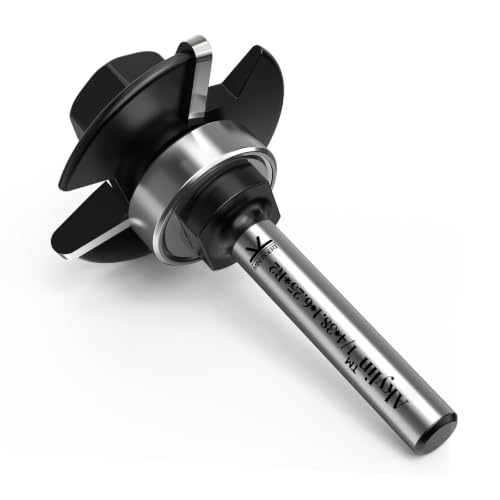
1. Full Compatibility with Trex Decking Series –Fits all Trex mainstream decking lines,for transcend,enhance,and select deck boards series.Carves grooves on unslotted composite deck boards -for Trex, for TimberTech, for Fiberon etc.install hidden fasteners,perfect for square-edge boards, solving the installation limitation of plain deck planks for full-series outdoor flooring,ideal for deck picture-frame edging and stair treads.

Easy to install:Use some glue for plastic in a hot location, please! The decking boards end caps can be easily attached to the end of the deck using adhesives or other fastening methods, making installation quick, easy and convenient.