
How Many Cans of Spray Paint for Patio Furniture?
You’ll need approximately 5–8 spray cans to fully paint a complete patio set. The exact quantity depends on your furniture’s total surface area, existing finish condition, and whether you’re applying primer beforehand. Smooth finishes require less primer than rusty metal. Plan for 2–3 thin coats with 1–2 hours drying time between applications. Budget extra cans for touch-ups and future maintenance to extend your paint’s lifespan to 2–5 years. Understanding the specific factors influencing your project will help you optimize materials and achieve professional results.
Assessing Your Furniture’s Paint Requirements
Before you spray paint patio furniture, you’ll need to calculate your paint requirements based on three critical factors: the furniture’s total surface area, the coverage rate of your chosen spray paint, and the material’s condition.
Start by measuring your furniture dimensions—length, width, height, and leg thickness. Don’t overlook frame components and joints, as these markedly increase your total paintable area. A single chair demands far less paint than a sectional sofa or dining set.
Next, assess your surface types. Smooth existing finishes require minimal primer, while rusty or oxidized metal demands additional coverage due to increased surface texture. Wire-brushed areas absorb more paint than polished surfaces. Using a rust-inhibiting primer designed for metal surfaces will help protect your furniture from corrosion and ensure better paint adhesion.
Finally, determine whether you’re applying primer alone or combining primer with topcoat applications, as each layer demands separate calculations based on standard coverage rates. For indoor furniture being repurposed for outdoor use, applying exterior paint or sealant to every surface ensures maximum protection against the elements.

Ideal for use on interior/exterior surfaces including wood, plastic, plaster, metal, masonry and unglazed ceramic

FURNITURE PROTECTANT AND SPRAY: Furniture protectant creates a protective barrier on contact with simple spraying action; Removes light dust, dirt, salt spray, and grime

Weather and corrosion resistant coating protects exterior/interior surfaces such as wood, metal, concrete and masonry
Preparing Your Patio Furniture for Spray Painting
Proper surface preparation‘ll make or break your spray paint project, so you’ll want to dedicate time to cleaning, sanding, and priming before you apply your topcoat. Start with effective cleaning methods: remove dirt, debris, and mold using a damp cloth and mild detergent, then apply a degreaser to eliminate oils that prevent adhesion. For furniture with stubborn buildup, consider using a soft sponge or cloth with a bucket of warm soapy water for gentle yet thorough cleaning. After rinsing and drying completely, employ sanding techniques using 100-220 grit sandpaper to scuff surfaces until smooth but not shiny. Remove all sanding dust with a tack cloth. For bare metal or rust, apply rust-inhibitive primer in thin, even coats, allowing full drying between applications. Protect surrounding areas with drop cloths and painter’s tape. Elevate furniture on supports to access all surfaces without contact. Aluminum furniture’s resistance to rust and corrosion makes it an excellent candidate for spray painting, as the properly prepared surface will accept paint adhesion more readily than materials prone to oxidation.
Mastering Spray Painting Techniques for Best Results
Once you’ve prepped your furniture with a clean, sanded, and primed surface, you’re ready to execute the spray painting itself—and that’s where technique truly determines your results. Apply 2 to 3 thin coats rather than one thick coat, waiting 1 to 2 hours between applications. Hold your spray can perpendicular to the surface, maintaining consistent 12-inch distance while using overlapping, even strokes. Start with hard-to-reach areas before tackling larger flat surfaces. For airless sprayers, adjust spray tips to handle both expansive surfaces and intricate details. Keep the can warmed for ideal paint flow. Following proper sanding techniques before painting ensures that your spray application adheres smoothly and creates a professional finish on your pallet wood furniture. After application, seal your painted furniture with a clear outdoor sealant to protect against peeling, cracking, and environmental damage for long-lasting results. Combine spray coating techniques with minor brush touch-ups on edges you’ve missed, ensuring professional, consistent coverage throughout.
Understanding Primer and Protective Coating Needs
Since modern spray paints frequently combine primer and paint into single formulations, you’ll need to evaluate whether your specific project requires a separate primer application. Bare metal or heavy rust demands dedicated primer selection to establish proper adhesion and rust resistance. If your furniture has existing paint in decent condition, you can skip primer entirely.
For maximum coating durability, choose oil-based alkyd formulas or alkyd DTM paints, which offer superior rust and scratch resistance. Apply light, multiple coats at 8 to 12 inches away using side-to-side motions with slight overlap. Allow 1 to 2 hours drying between coats. Just as deck restaining requires working with the wood grain for optimal results, applying spray paint with consistent directional motions ensures even coverage and professional appearance. UV-resistant protective coatings prevent color fading and extend your furniture’s lifespan markedly. While spray paint provides a quick finish option, selecting weather-resistant materials like marine-grade polymers or powder-coated aluminum from the start eliminates the need for frequent repainting and ensures superior long-term durability. These specifications guarantee professional results and long-lasting outdoor performance.

Get ultimate hiding power indoors and out with Zinsser Cover Stain Primer

Ideal for use on all interior projects including moldings, wood furniture, trim, cabinets, doors and paneling
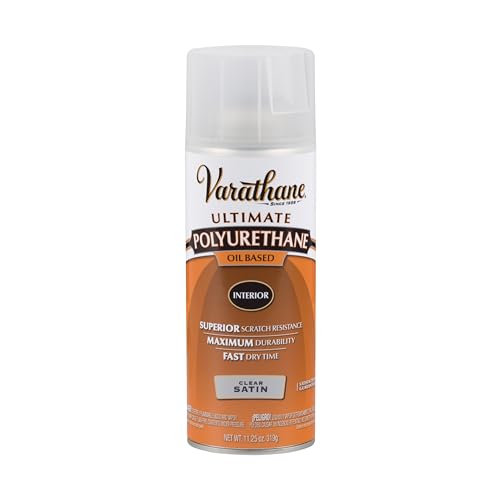
Protects interior wood surfaces such as furniture, cabinets, trim and doors
Key Factors That Determine Paint Quantity
Now that you’ve selected the right primer and protective coating, you’ll need to calculate how many cans you’ll actually need for your specific project. Several critical factors influence your paint quantity requirements.
Surface area directly impacts consumption—larger furniture pieces and full patio sets demand considerably more paint than small accent chairs. Your material type matters too; wicker and textured surfaces absorb more paint than smooth metal frames.
Paint finish selection affects coverage rates. Satin finishes and Ultra Cover 2X formulations provide superior coverage compared to standard options. Weather conditions determine drying efficiency and potential reapplication needs due to moisture interference. Consider whether you’re using oil-based or latex paint, as each has different drying times and coverage characteristics that affect your overall project timeline.
Finally, assess your surface condition carefully. Heavily soiled furniture, peeling paint, or chalky residue requires additional prep work and possibly extra coats. Dark-colored pieces typically need fewer coats than light colors for complete coverage. Similar to how proper surface preparation is essential for composite deck installation, preparing your patio furniture thoroughly before painting ensures better paint adhesion and more professional results.

Ideal for use on interior/exterior surfaces including wood, plastic, plaster, metal, masonry and unglazed ceramic

Weather and corrosion resistant coating protects exterior/interior surfaces like wood, metal, concrete, masonry and more

Ideal for use on interior/exterior surfaces including wood, plastic, plaster, metal, masonry and unglazed ceramic
Budgeting Time and Costs for Your Project
Before you pick up a spray can, you’ll want to calculate both the time and money your patio furniture project requires. A complete cost analysis reveals DIY spray painting costs $30–$240 for materials, while professional services run $200–$500 per piece. Time management is equally critical: expect 1–2 hours for prep work, 30–60 minutes for spray painting, and 24–48 hours for full curing. A complete patio set demands 5–8 spray cans and one day of active work. Budget extra cans for touch-ups at $15–$30 per kit. Investing in proper preparation extends your paint’s lifespan to 2–5 years, ultimately reducing long-term expenses and preventing premature repainting.


