The Best Way to Paint Deck Railings: A DIY Guide
You’ll start by thoroughly cleaning your railings with a damp cloth and soft brush to remove debris and grime. Next, select outdoor-rated paint—acrylic for wood or Rust-Oleum for metal—paired with a high-bonding primer for excellent adhesion. Apply thin, even coats using angled brushes, working from bottom to top while following wood grain. Paint during ideal conditions between 50–85°F, avoiding rain for 12–24 hours. Allow 4–6 hours between coats and wait 48 hours before use. The complete techniques ahead reveal how to achieve professional results.
Preparation and Surface Cleaning
You’ll want to start by clearing your work area completely—remove furniture, plants, decorations, and any deck accessories near the railing to guarantee unobstructed access. Lay down drop cloths for surface protection against paint splatters.
Next, sweep away loose dirt and debris with a broom, then wipe the railing with a damp cloth. Rinse thoroughly using a garden hose on low pressure to avoid material damage. For stubborn grime, apply a soft-bristled brush with gentle scrubbing motions.
Mix mild cleaning solutions or specialized deck cleaner with warm water. Scrub stained areas and let the solution sit several minutes on tough spots. Use a stiff-bristled brush if necessary for wood railings. Consider using oxygenated cleaners as an alternative for breaking down stubborn stains and mildew without harsh chemicals. To prevent mildew from returning after cleaning, ensure you dry the railing thoroughly before proceeding with any repairs or painting.
Rinse completely with clean water to eliminate all soap residue. Wipe down with a clean, damp cloth and allow full drying before proceeding to repairs and painting.
Choosing the Right Paint and Primer
Selecting the right paint and primer is critical to achieving a long-lasting, weather-resistant finish on your deck railings. You’ll find several paint types suited for different materials: acrylic paints excel on wood with superior durability, while oil-based options offer stronger adhesion but require extended drying times. For metal railings, consider Rust-Oleum Protective Enamel or direct-to-metal acrylics that prevent rust and eliminate primer requirements.
Primer benefits shouldn’t be overlooked. High-bonding acrylic primers enhance paint adhesion and provide moisture protection on wood surfaces. Oil-based primers pair ideally with oil-based paints for maximum durability. Paint-and-primer-in-one products streamline application on metal while delivering rust prevention. Applying primer to all railing surfaces—including ends—ensures thorough protection and extends paint longevity greatly. Choose satin or semi-gloss finishes over flat options; they resist staining and maintain appearance better in high-moisture environments. Before applying any paint, ensure your surface is properly prepared through cleaning, sanding, and removing peeling paint to guarantee optimal adhesion and a professional result. For stubborn mildew or mold growth on wooden railings, white vinegar cleaning can effectively remove these contaminants before painting.

Designed for interior and exterior surfaces

Ideal for use on interior/exterior surfaces including wood, plastic, plaster, metal, masonry and unglazed ceramic

Use for a variety of indoor and outdoor project surfaces including wood, metal, plaster, masonry or unglazed ceramic
Painting Tools and Techniques
Three essential tool categories—application implements, surface preparation equipment, and protective gear—form the foundation of successful deck railing painting. You’ll need roller types suited to your surfaces: paint rollers with extended handles for large areas and mini rollers for tight spaces. High-quality 2-3 inch angled brushes deliver precision on edges and corners.
Your brush techniques matter greatly. Start at the railing’s bottom, working upward in sections. Apply mini rollers to broad surfaces while reserving brushes for intricate details. Paint spindles on three sides, then complete the fourth after repositioning. Underside top rail work comes first, then progress upward. Even out paint buildup to prevent drips. Proper surface preparation, including cleaning with a pressure washer and removing dirt and grime, ensures better paint adhesion and a smoother finish.
For metal railings, consider finishing with weather-resistant enamel after painting to provide enhanced protection against rust and corrosion. Protect yourself with safety goggles, gloves, masks, and long sleeves while sanding. Drop cloths and painter’s tape shield adjacent surfaces throughout your project.
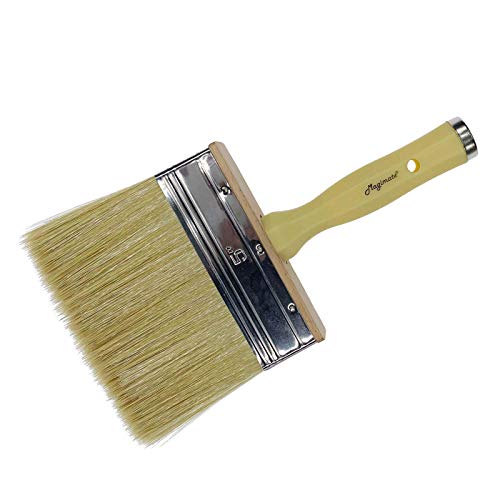
Brush Specs: 5” wide x 1” thick, soft synthetic filament blended with natural bristle. Hold more stain/sealer and paint smoothly, making your home improvement job a breeze.

COMPLETE 12-PC PROFESSIONAL SET:Includes 4" tray ×1, snap-fit handle ×1, reusable liners ×2, liner cover ×1, dual-brown microfiber sleeves ×4, white microfiber sleeves ×2, and 1.5" angled brush ×1. Perfect for walls, ceilings, trim, cabinets, and furniture
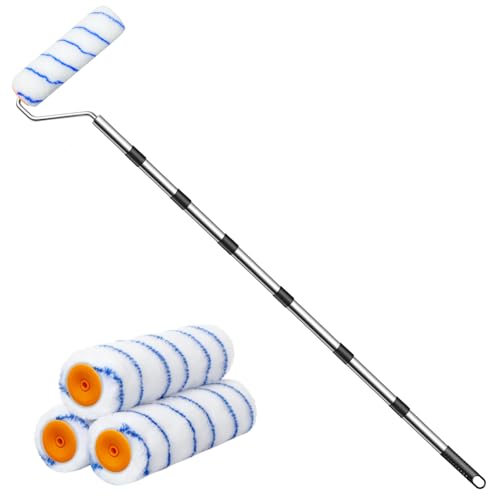
【Safe and Convenient】:Our Paint Rollers with long handle make it easy to paint walls and ceilings without the need for a ladder, making it safer and more efficient.2.6FT~7.2 FT adjustable pole can make you don’t need a ladder. The pole is a general-purpose stainless steel pole and can be extended indefinitely.
Painting Process and Application Tips
Proper surface preparation forms the critical foundation for paint adhesion and a professional-looking finish. You’ll achieve superior results by applying thin, even coats rather than heavy layers that cause drips and uneven texture. Maintain consistent coat thickness throughout your project—this guarantees uniform coverage and durability.
For wood railings, follow the grain direction to promote smooth application. With metal surfaces, work quickly to minimize brush marks, applying multiple thin coats instead. Vinyl or composite materials benefit from either brushwork or sprayer application. Consider selecting mildew-resistant paint to extend the life of your railing finish and protect against moisture damage.
You must allow adequate drying time between coats, typically 4–6 hours for the first coat. Two thin coats provide ideal coverage and longevity. After your final coat, wait 24 hours before applying sealer or using the surface. Complete paint curing takes 7–14 days, so avoid heavy stress during this critical period. Just as with deck staining, inspecting and repairing any damaged areas on your railings before painting ensures better paint adhesion and a more polished final result.

Ideal for painting interior walls and spaces such as bathrooms, basements, kitchens, closets, laundry rooms and more

UNIQUE NON-SKID DECK PAINT: Durable, textured, low-glare high-traction surface for secure footing, with a comfortable rubberized texture that's less abrasive than traditional silica additives: One part polyurethane non-skid deck paint creates a durable, high-traction surface for comfortable, secure footing and a finish that's less abrasive than traditional silica additives

Safe-T-Deck is an acrylic granulated deck coating designed to preserve, protect & renew decks, patios, walkways, ramps & more. Suitable for use on properly prepared exterior wood, and concrete/masonry surfaces.
Weather Considerations and Durability
Weather conditions directly impact how well your paint adheres, dries, and performs over time on deck railings. Temperature effects matter considerably—you’ll achieve ideal results between 50°F and 85°F, as extreme temperatures cause blistering and poor curing. Humidity impact is equally critical; high moisture slows drying and leaves paint tacky, promoting peeling and failure.
Paint within these perfect conditions and avoid rain or damp environments, which trap moisture beneath the surface. Wind accelerates drying unevenly, creating visible brush marks, while direct sunlight raises surface temperature, causing rushed drying and uneven film formation. Most experts recommend waiting at least 48 hours before placing furniture or objects back on railings to ensure proper adhesion. For maximum durability and minimal maintenance requirements, consider using composite wood materials for railings, which eliminate the need for painting while offering superior weather resistance.
For lasting durability, choose oil-based paints for superior moisture resistance and deep wood penetration, or acrylic enamels for faster drying with excellent UV protection. Apply primer plus two topcoats. Select finishes with UV inhibitors, water repellency, and mold resistance to maximize your railing’s longevity.
Safety and Environmental Tips
While you’re painting your deck railings, protecting yourself and your environment requires deliberate precautions that extend beyond the painting surface itself. Wear appropriate safety gear—gloves, goggles, and a mask—to prevent skin contact and fume inhalation. Confirm adequate ventilation in enclosed spaces to minimize volatile organic compound exposure. Select water-based or low-VOC paints to reduce air pollution. Cover nearby plants and soil with drop cloths to prevent contamination. Follow proper disposal methods for paint cans, brushes, and rags according to local hazardous waste regulations. Clean tools with eco-friendly solvents rather than on bare ground. For outdoor railings exposed to sun and moisture, consider finishing with spar urethane after painting to provide UV resistance and weather protection that extends the life of your paint job. Most paint manufacturers recommend avoiding application within 12-24 hours of rain to ensure proper curing and adhesion. After painting, place warning barriers around railings and allow 24 hours for complete drying before resuming normal use.