How to Remove Bird Droppings From Patio Furniture
You’ll effectively remove bird droppings by first evaluating whether they’re fresh or dried, then identifying your furniture material. For most surfaces, spray a mild dish soap and water solution, let it penetrate for one to two minutes, then gently scrub with a soft-bristled brush. Rinse thoroughly and dry completely. For stubborn stains on metal, try baking soda paste or WD-40. Avoid bleach on aluminum and powder-coated surfaces. Regular weekly cleaning prevents hardened buildup. Specific techniques vary considerably by material type.
Initial Assessment and Safety Precautions
Before you tackle bird droppings on your patio furniture, you’ll need to assess the situation and take proper safety precautions to protect yourself from potential health hazards. Start by examining whether the droppings are fresh or dried, as this determines your cleaning approach. Inspect the furniture material—porous surfaces like wood absorb differently than non-porous ones like plastic or metal.
Gather your safety gear immediately: disposable gloves, a mask or respirator for dried droppings, and eye protection. These items prevent direct contact with bacteria and pathogens while shielding you from aerosolized particles. Use plastic scrapers rather than metal tools to avoid scratching surfaces and creating deeper contamination. Position yourself in a sunny, well-ventilated area to facilitate faster drying and guarantee contamination prevention throughout the removal process.
Identifying Your Furniture Material Type
Once you’ve gathered your safety equipment and identified a suitable work area, determining your furniture’s material composition becomes your next priority—different materials require distinctly different cleaning approaches to avoid damage.
Furniture identification relies on examining material characteristics. Metal pieces feel cool and smooth, often displaying painted or powder-coated finishes. Wood furniture showcases natural grain textures and warmer tones. Synthetic wicker exhibits uniform woven patterns, while composite materials appear denser than natural wood. Plastic furniture typically feels lightweight with a glossy sheen.
Check manufacturer labels, tags, or product documentation for definitive material confirmation. Model numbers and warranty documents often specify composition and recommended cleaning methods. When uncertain, contact retailer customer service or access manufacturer websites for clarification. Just as proper preparation and thorough cleaning are essential before applying protective coatings to wooden decks, identifying your furniture material ensures you’ll select the right cleaning approach for your specific pieces. For wood furniture specifically, understanding the existing finish type will help determine whether light cleaning or progressive sanding may be needed alongside your bird dropping removal efforts. Accurate material identification guarantees you’ll select appropriate cleaning solutions and techniques that protect your furniture’s integrity while effectively removing bird droppings.
The Soap and Water Method
The soap and water method serves as your first and most effective line of defense against fresh bird droppings on patio furniture. Combine one tablespoon of mild dish soap with two cups of warm water in a spray bottle. Water temperature directly impacts soap effectiveness—warm water dissolves soap more efficiently and breaks down droppings faster than cold water. Spray the solution generously over the stained area and let it penetrate for one to two minutes. Use a soft-bristled brush in circular motions to gently lift the stain, or employ a toothbrush for textured crevices. Rinse thoroughly with a garden hose or clean water, then dry completely with a towel. This straightforward approach eliminates most fresh deposits without requiring stronger chemical alternatives.
Using Baking Soda Solutions
When soap and water don’t suffice for stubborn or dried bird droppings, baking soda offers a mildly abrasive alternative that’s safe for most patio furniture. You’ll prepare two types of cleaning solutions depending on severity: mix one tablespoon baking soda with 100ml warm water for a spray solution, or combine two tablespoons with minimal water to form a thick paste.
For spray solutions, apply directly to stained areas and wait a few minutes before scrubbing gently with a soft brush. For tougher deposits, spread the paste over droppings and let it sit five minutes before cleaning. You can use baking soda on metal, plastic, wood, and concrete surfaces effectively. Always rinse thoroughly afterward and test on inconspicuous areas first to guarantee compatibility with your furniture’s finish.
Club Soda and Vinegar Techniques
After baking soda solutions prove insufficient, you’ll uncover that club soda and white vinegar offer powerful chemical and physical mechanisms for dissolving stubborn bird droppings. Club soda’s carbonated bubbles physically eject grime, while you can apply it directly or via spray bottle for precise targeting. For vinegar benefits, mix equal parts white vinegar and water to chemically dissolve acidic deposits. Apply this solution, allow adequate penetration time, then gently scrub away dissolved material. You’ll find that wood furniture responds best to vinegar solutions, whereas glass and woven cloth benefit from club soda treatment. Metal surfaces may require sequential application of both methods. Multiple treatments address particularly resistant stains. Always finish with clean water rinsing to remove residual solution and debris completely. For stubborn stains that resist these methods, OxiClean Versatile Stain Remover mixed with warm water can provide additional cleaning power. For metal patio furniture with stubborn buildup, consider wearing protective gear including gloves, masks, and eye protection to prevent contact with harsh cleaning solutions and debris particles.
WD-40 and Commercial Cleaning Products
While club soda and vinegar tackle most bird droppings effectively, you’ll find that WD-40 and commercial cleaning products offer superior results on specific furniture materials and stubborn, set-in stains. WD-40 applications work particularly well on metal garden furniture, requiring only one minute of contact time before wiping clean with a damp cloth. For composite materials, commercial de-greasers like Goo-Gone effectively dissolve food and grease residue. However, avoid WD-40 on wooden furniture, as it causes unsightly stains. Always spot-test on hidden surfaces first and rinse thoroughly afterward to prevent residue buildup and potential corrosion. When standard methods fail, oxygen bleach provides powerful cleaning action on set-in droppings while maintaining material safety.
![WD-40 Specialist Cleaner & Degreaser, Multi-Surface Cleaning Solution, Great for cleaning grills and grill parts, 32 OZ [Non-Aerosol Trigger]](https://m.media-amazon.com/images/I/31BbCG2msLL._SL500_.jpg)
Powerful grease remover and grime fighter in a bio-solvent formula with durable, shatter-resistance trigger and convenient refill port; no funnel needed and no-mess

Powerful grease remover and grime fighter in a bio-solvent formula with durable, shatter-resistance trigger and convenient refill port; no funnel needed and no-mess

MULTI-USE AEROSOL SPRAY: With a traditional spray nozzle, this unique lubricant comes in an industrial 16 oz. size. Offering easy to use application, this multi-purpose lubricant helps protect your tools as you tackle big jobs, so you’re ready for anything
Enzyme-Based Cleaners for Stubborn Stains
Because enzyme-based cleaners break down the proteins and uric acid that compose bird droppings, they’re your most effective solution for set-in or sun-exposed stains that standard methods can’t remove. These cleaners deliver enzyme benefits by targeting organic matter directly, working faster than traditional detergents on stubborn deposits.
For best application techniques, spray the cleaner generously over the stained area and allow it to penetrate for 3–5 minutes. Use a soft-bristled brush or cloth to gently scrub, employing a toothbrush on textured surfaces to reach crevices effectively. Rinse thoroughly with water afterward.
You’ll appreciate that enzyme-based cleaners are safe for various patio furniture materials and don’t emit toxic fumes. They’re biodegradable, non-corrosive, and free from harsh chemicals, making them ideal for repeated maintenance without environmental concern.

Certified Gentle & Safe Pet Carpet Cleaner Solution: Chlorine free, color safe, no hazardous propellants or residue; safe to use around pets and children; certified safe for all carpets with a Seal of Approval by the Carpet and Rug Institute (CRI)

OXY-POWERED OUTDOOR STAIN REMOVAL: This Outdoor Cleaner & Stain Remover delivers powerful spot cleaning with an oxy-powered formula. Designed to tackle tough outdoor stains caused by mold, mildew, algae, dirt, and grime, it helps refresh patios, decks, and outdoor living spaces

QUICK & EASY FURNITURE CLEANING: To use this couch cleaner on your patio furniture set, simply spray the surface, let it sit for 2–3 minutes, dip a soft-bristled brush or cloth in hot water, and gently brush the stain for about 30 seconds. Wipe it clean with a cloth or paper towel. Use this amazing product on cushions, waterproof covers, upholstery cleaner, wood cleaner and more.
Bleach Solutions for Metal Furniture
Bleach solutions offer a powerful disinfectant option for metal patio furniture, effectively breaking down bird droppings and mildew through oxidation. You’ll want to take metal compatibility carefully before applying bleach, as different metals respond differently to this strong oxidizer. For aluminum and powder-coated surfaces, avoid bleach entirely—it damages protective coatings and causes discoloration. Stainless steel and wrought iron also resist bleach treatment due to corrosion risks.
When you do use bleach, prepare appropriate concentrations: a 1:3 ratio for general disinfection or 1:1 for stubborn mildew. Apply your solution with a brush, allowing 5-15 minutes contact time. Rinse thoroughly immediately afterward to prevent prolonged corrosive exposure. Pre-wet heavy deposits and remove mechanically before bleach application for best results. After cleaning, applying protective sealants will help shield the metal surface from future weathering and rust damage. For aluminum furniture specifically, mild soap and warm water represents a safer alternative to bleach-based treatments that preserve the finish and prevent damage to the protective coating.
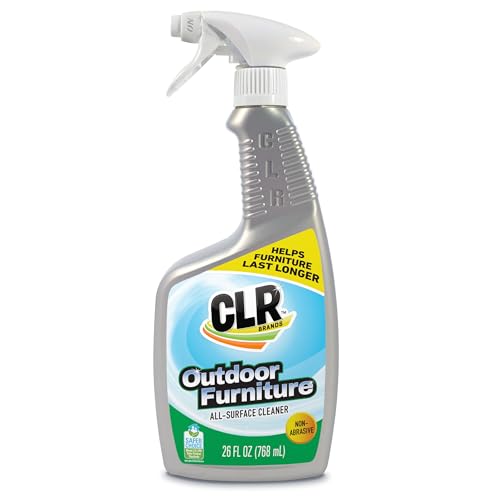
HUNDREDS OF USES: Tackle the whole yard with this powerful outdoor furniture cleaner. Formulated for use on patio, lawn and deck furniture, it is an effective and versatile product for outdoor furniture - from upholstery to plastic play sets.

POWERFUL CLEANING ACTION: Formula that loosens and dissolves greasy, grimy messes on contact ensuring easy removal with minimal effort

Restores Original Brilliance Fast - Restore faded and weathered aluminum and painted metal surfaces in seconds. This aluminum cleaner and brightener revives oxidized and dull-looking patio furniture, garage doors, and outdoor fixtures with rich color and like-new shine—no scrubbing, sanding, or repainting required
Surface-Specific Cleaning Recommendations
Since different patio furniture materials require distinct cleaning approaches, you’ll want to tailor your method to your specific surface to avoid damage while maximizing stain removal. Metal furniture demands gentle cleaning tools like plastic putty knives and soft-bristled brushes paired with detergent solutions or WD-40 for stubborn stains. Wood surfaces need protective surface techniques using white vinegar and water mixtures applied with minimal scrubbing to preserve the grain. To maintain wood furniture’s appearance and durability, consider reapplying protective sealants seasonally to enhance its resistance to moisture and UV damage. Fabric cushions benefit from enzyme-based cleaners and hard-bristled brushes for textured areas, followed by thorough rinsing. Plastic furniture tolerates more aggressive cleaning tools and detergent solutions, though you should still prioritize soft-bristled brushes for regular scrubbing. Enzyme-based cleaners and oxygen bleach work effectively across most surfaces for set-in stains. To extend your furniture’s lifespan and prevent mildew, ensure you dry furniture thoroughly after cleaning, especially for cushions and fabric-covered pieces.
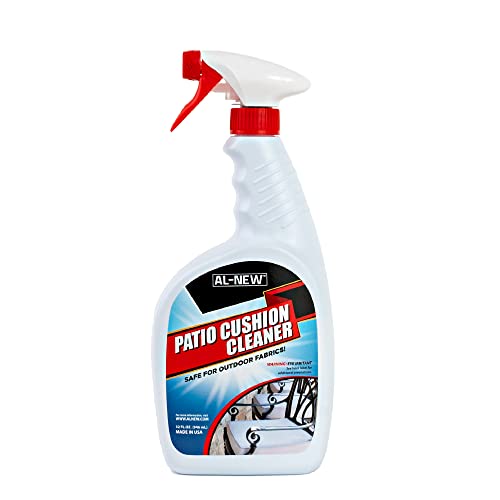
Best Way to Clean Outdoor Patio Cushions, Fabric Cushions, Patio Furniture Covers, Sunshades & Sail Cloth, Fabric Awnings, Umbrellas & More!

EFFECTIVELY REMOVES MOLD & MILDEW STAINS – Designed to eliminate tough outdoor mold, mildew stains, dirt buildup and organic staining from patio cushions and outdoor furniture fabrics.

VERSATILE FABRIC & VINYL CLEANER — Effectively works on Sunbrella fabrics & vinyl - upholstery, cushions, umbrellas, boat covers, Bimini tops, and more, ensuring thorough cleaning for water-safe textiles.
Maintenance Tips to Prevent Future Buildup
While knowing how to clean bird droppings effectively protects your furniture, you’ll find that prevention strategies offer even greater long-term value by reducing the frequency and severity of buildup. Implement preventative measures by establishing a weekly cleaning routine that removes debris before it hardens. Conduct regular inspections of your patio to identify new perching spots or attractants. Install physical barriers like furniture covers and bird netting when pieces aren’t in use. Remove food sources promptly, seal trash bins, and clear fallen fruit from nearby vegetation. Deploy visual deterrents such as reflective objects and predator decoys, rotating them regularly to prevent habituation. Apply bird repellent sprays every two weeks, reapplying after rainfall. These all-encompassing strategies work synergistically to minimize bird activity and protect your outdoor investment.
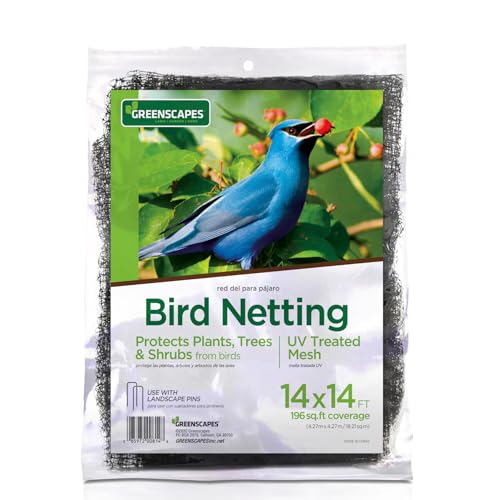
Gives the ability to protect garden and crops from birds such as mockingbirds, sparrows, jays, blackbirds, and many others; Prevents damage to garden items and off limit areas

Enhanced Nano-PP Durability: Made with upgraded nanotechnology and high-quality PP material, this garden netting offers superior tear-resistant strength and a longer lifespan than traditional mesh fabric, making it perfect for patio and garden use

Enhanced Nano-PP Durability: Made with upgraded nanotechnology and high-quality PP material, this garden netting offers superior tear-resistant strength and a longer lifespan than traditional mesh fabric, making it perfect for patio and garden use