The Ultimate Guide to Finishing Teak Outdoor Furniture
You’ll prepare your teak by removing cushions, rinsing thoroughly, and scrubbing with soft-bristle brushes along the grain. After weathering for two weeks, sand progressively from 80-grit to 220-grit, then clean completely and allow 24-hour drying. Select your finish—oil, varnish, polyurethane, or natural patina—based on your maintenance commitment and location. Apply multiple coats with proper drying intervals, then maintain annually with mild soap and light sanding. The specifics of timing, application techniques, and seasonal strategies will maximize your furniture’s durability and appearance.
Preparation Steps for Teak Furniture
Before you can properly seal teak outdoor furniture, you’ll need to thoroughly prepare the surface by removing all contaminants and conditioning the wood. Start by removing all cushions and fabric, then rinse the teak thoroughly with a garden hose or bucket of water. Use a soft-bristle brush to scrub with the grain, avoiding high-pressure washers that splinter wood. Clean all nooks and crevices completely.
Next, allow new teak furniture to weather outdoors for at least two weeks. Wash with a strong teak-specific cleaner to remove mill glaze—the waxy layer from manufacturing. Skipping this step causes blotchy sealer application and premature finish failure. For older pieces, strip all previous finishes before proceeding. After cleaning, applying teak oil or specialized protectants will help safeguard against UV damage, moisture, and dirt. Let the wood dry completely in sunlight for 24–48 hours, ensuring moisture leaves joints and seams entirely.
Understanding Sanding Techniques
Once you’ve dried your teak furniture completely, sanding becomes the critical next step in preparing the wood for sealing. Master proper sanding techniques by following a strategic grit progression that removes imperfections without damaging the wood’s surface integrity.
Start with coarse grit (80–100) to eliminate weathered layers and deep stains. Progress to medium grit (120–150) for surface refinement, then finish with fine grit (220) for a silky texture. Skipping grits leaves visible scratches.
Always sand along the wood grain to prevent surface damage. For small areas and intricate details, use manual sanding for superior control. Electric sanders work efficiently on large, flat surfaces but require careful handling. Proper application techniques with your chosen sanding method will help you avoid uneven surfaces and ensure consistent results.
After completing each grit level, inspect for uniformity and remove all dust before advancing to the next stage. This progression from coarse to fine grit ensures a smooth, even finish that prepares the teak for sealing or oiling.
Cleaning and Drying Your Furniture
After you’ve completed your sanding progression and achieved that silky 220-grit finish, you’ll need to thoroughly clean your teak furniture before applying any sealers or protective oils. Start by rinsing all surfaces with a garden hose to remove dust and debris. Apply your chosen cleaning solution—mild dish soap, diluted vinegar, or commercial teak cleaner—using proper cleaning techniques. Scrub with a soft-bristle brush along the wood grain, allowing the solution to sit for 3–15 minutes per product instructions. Rince each section immediately to prevent residue buildup. Avoid using pressure washers as they can damage the wood surface. Your drying methods are equally critical: don’t leave cleaning agents on the wood. Allow furniture to dry completely for at least 24 hours, extending to 36 hours if you’ve used oxalic acid or bleach solutions. For outdoor pieces, ensure adequate post stability and structure by maintaining proper spacing during the drying process. Verify full dryness before proceeding with finishing applications.
Exploring Types of Finishes
Now that your teak furniture‘s prepared surface awaits protection, you’ll need to select from several distinct finishing options, each offering different aesthetic qualities and durability characteristics. Oil choices provide golden hues but demand frequent reapplication. Varnish options create hard, protective layers ideal for sheltered settings, though natural oils may cause spotting. Lacquer benefits include quick drying and water resistance, though UV sensitivity limits outdoor use. Polyurethane durability represents the gold standard for high-performance protection, delivering exceptional wear and moisture resistance for premium applications. Natural patina requires no finish—teak’s high natural oil content provides adequate protection while developing silver-gray coloring. For any finish you select, proper surface preparation through sanding to roughen the surface will significantly improve paint and coating adhesion. Your finish comparison should weigh maintenance requirements against desired aesthetics and exposure conditions, ensuring superior long-term performance and appearance.

Provides interior or exterior one-step protection for dense woods such as teak, rosewood and mahogany

PROTECT WOOD SURFACES – Minwax Polyurethane Wood Finish Aerosol spray protects interior projects, including woodwork, furniture, floors and cabinets. Clear top coat is one of the most durable coatings for wood protection against scratches, spills & more.

PROTECT WOOD SURFACES – Minwax Polyurethane Wood Finish protects interior projects like woodwork, furniture, floors and cabinets. The oil-based, clear top coat is one of the most durable coatings for wood protection against scratches, spills and more.
Proper Application Methods
Selecting your ideal finish represents only half the battle; executing a methodical application process determines whether your teak furniture achieves lasting protection and visual appeal. You’ll need quality application tools—foam brushes work exceptionally well for both sealers and oils, while high-quality brushes suit varnish application. Your finish techniques must prioritize consistency: always work with the grain, overlap application areas to prevent lap marks, and progress from top to bottom. For varnish, apply six coats with complete drying between each. Oil requires 2-3 coats with overnight drying intervals. Allow sealers to penetrate dry wood thoroughly before topcoating. To ensure optimal stain adherence and a smooth final finish, consider sanding between coats for a professional appearance. Since teak furniture is often exposed to harsh outdoor conditions, selecting finishes with superior durability and moisture resistance will better protect your investment from the elements. These methodical finish techniques guarantee even coverage, peak absorption, and professional results that protect your investment effectively.

ENHANCES THE BEAUTY OF THE WOOD: Teak Oil restores the beauty of grey, old and weathered teak furniture to give a golden-brown natural finish.

INCLUDES - Teak Cleaner (17 oz), Teak Brightener (17 oz), Teak Oil (17 oz). Does not include Lint Free Cloth, Scrub Brush, or Bucket. For these additional items see the Garden Restoration Kit.

🌱 UNLEASH THE BEAUTY OF YOUR OUTDOOR WOOD WITH TEAK OIL: Our premium wood finish and sealer is specially formulated for outdoor furniture, providing waterproof protection and enhancing the natural color and structure of teak, mahogany, pine, beech, oak, and other wood types. Preserve and beautify your outdoor wood with confidence.
Choosing the Right Finish for Your Needs
What finish best suits your teak furniture‘s specific demands? Evaluate your climate and exposure level first. High-traffic outdoor areas warrant polyurethane‘s superior durability, lasting 3-5 years with minimal maintenance. For humid climates, epoxy-based sealers provide critical waterproof barriers with mildew inhibitors. Consider environmental impact—water-based finishes offer low-VOC advantages while preserving natural aesthetics. If you prioritize the golden-brown hue, apply clear UV-protective stains. Unfinished teak develops silver-grey patina naturally, requiring less intervention but reduced protection. When finished teak furniture is not in use during off-seasons, store cushions and removable components in dry, well-ventilated spaces to prevent mold and mildew growth.
Your finishing techniques must match chosen products. Spar urethane forms a flexible, UV-resistant barrier that protects wood from sun and moisture damage while maintaining its natural appearance. Teak oil demands frequent reapplication but enhances grain character. Nitrocellulose lacquer suits decorative pieces needing classic appeal. Melamine provides cost-effective durability with limited aesthetic flexibility. Balance protection requirements against maintenance commitment and environmental considerations to determine your ideal finish.

ULTIMATE WOOD PROTECTION: STAR BRITE Teak Oil provides superior protection for teak and other fine woods - Suitable for teak furniture, marine teak, decks and teak shower benches

Protects outdoor wood surfaces such as furniture, fences, railings, trim and more

🌱 UNLEASH THE BEAUTY OF YOUR OUTDOOR WOOD WITH TEAK OIL: Our premium wood finish and sealer is specially formulated for outdoor furniture, providing waterproof protection and enhancing the natural color and structure of teak, mahogany, pine, beech, oak, and other wood types. Preserve and beautify your outdoor wood with confidence.
Application Timeline and Drying Times
Once you’ve selected your ideal finish, the application process hinges on precise timing and preparation. You’ll apply your first sealer or oil coat, then wait 30 minutes to 4 hours before applying a second coat—never exceed two coats total, as excessive layering compromises finish integrity. For maximum durability and protection, consider applying 2 to 4 coats with light sanding between each coat to ensure smooth finish and good adhesion.
Critical curing occurs over 24-48 hours post-application; you must avoid moisture exposure during this window. Humidity effects considerably influence drying rates, with warmer, drier conditions accelerating cure times greatly. In high-humidity environments, extend your waiting periods accordingly.
Your application intervals depend on environmental exposure. For optimal results, allow proper drying and curing times between applications, similar to professional deck coating practices. Residential settings require annual resealing, while coastal areas demand twice-yearly maintenance. Monitor for color fading and water absorption—these indicators signal reapplication necessity. This disciplined approach guarantees prime protection and aesthetic longevity.
Maintenance and Longevity
Because teak’s exceptional durability stems from its dense grain and natural oil content, you’ll find that proper maintenance directly determines whether your furniture reaches the 30+ year mark or exceeds 50 years with premium-grade pieces. Your annual cleaning regimen with mild soap and water preserves the wood’s integrity while preventing debris accumulation. Light sanding twice yearly removes rough spots and surface stains without compromising teak properties. Apply a premium sealer every 2–3 years to maintain color and enhance weather resistance. Avoid harsh chemicals and pressure washers that damage the surface. For added protection, consider using waterproof furniture covers during winter months or extended periods when the furniture is not in use. Use furniture covers during extreme conditions to reduce cleaning frequency and protect against seasonal stress. This strategic approach maximizes your investment’s longevity and performance.

MARINE-GRADE TEAK SEALER beautifies wood & repels water without making surfaces slippery; use this natural danish oil finish instead of teak oil to protect the teak on boat decks, trim, cockpit, swim platform, handrails, cabinetry, grab rails & more
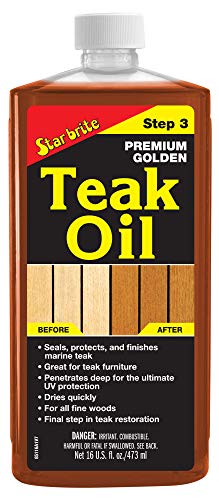
ULTIMATE WOOD PROTECTION: STAR BRITE Teak Oil provides superior protection for teak and other fine woods - Suitable for teak furniture, marine teak, decks and teak shower benches

Protects Wood From Moisture Damage - With this advanced sealer, you can shield your indoor and outdoor teak furniture from moisture, preventing swelling, warping, and other moisture-related issues.
Seasonal Care and Protection
While consistent annual maintenance establishes your furniture’s foundation, seasonal adjustments throughout the year actively protect your teak investment from climate-specific challenges. Spring requires inspecting for winter damage and applying UV-blocking sealers. Summer demands immediate spill removal and monthly cleaning with mild soap. Autumn calls for pre-storage cleaning, hardware inspection, and breathable cover deployment. Winter storage necessitates dry, covered locations away from moisture and extreme temperatures—never use airtight plastic covers that trap condensation and promote wood sweating. Consider applying deep-penetrating waterproof sealants before winter storage to provide an additional barrier against moisture infiltration and wood degradation during harsh weather months. Throughout all seasons, employ protective measures including elevated placement on well-drained surfaces, prompt moisture removal, and breathable coverings during storms. Unlike high-maintenance wood furniture, alternative materials like resin furniture require minimal upkeep and resist cracking, fading, and mold growth in challenging outdoor conditions. These strategic interventions address seasonal challenges systematically, extending your furniture’s lifespan and maintaining its structural integrity across changing weather conditions.

Weatherproof Shield: Made from heavy-duty 420D Oxford fabric with a PU waterproof coating, these outdoor furniture covers waterproof help protect your patio furniture from rain, snow, and dust; Designed for reliable year-round outdoor protection with durable, easy-to-maintain fabric

【Enzeno Garden Furniture Cover】 - Is your expensive furniture damaged by rain, sun and dust? The new upgraded garden furniture cover is covered with nano PU coating and high temperature sealed waterproof adhesive tape on the stitching seams. It enables the product to withstand 15,000pa water pressure.

【Suitable for a variety of patio chairs】 The bottom four corners of the Rimwig patio chair covers have a velcro strap that can be fixed to the feet of ordinary chairs. The side has a tightening buckle strap, and the bottom has a drawstring. Both the swivel chair and the rocking chair can be held in place, and the fit is not easy to fall off.