How to Build a Bar Top on Your Deck Railing
You’ll build a sturdy bar top by selecting durable materials like pressure-treated wood or composite, then measuring twice and cutting lumber with a six-inch overhang. Construct a rectangular frame using 2×4 lumber, reinforce corners with deck screws, and space L-brackets every 16-24 inches. Drill pilot holes to prevent splitting, secure the top with stainless steel fasteners, and verify everything’s level. Sand progressively from 80 to 220 grit, apply quality finish coats, and establish monthly maintenance checks. The complete process reveals essential techniques for maximizing durability and safety.
Selecting the Right Materials for Durability
When you’re building a bar top on your deck railing, you’ll want to choose materials that can withstand both daily use and environmental exposure. Your material selection depends on your climate and lifestyle.
Powder-coated aluminum offers excellent corrosion resistance with customizable finishes and 15-50 year warranties. Composite materials eliminate warping and splintering while resisting UV damage, though dark-tinted options may fade in sunny locations. Stainless steel handles heavy loads and impacts but can crack in extreme climates. For traditional wood options, pressure-treated wood provides exceptional resistance to moisture, rot, and insects, making it suitable for outdoor bar tops with proper maintenance.
Consider maintenance considerations carefully. Composite and aluminum require minimal upkeep compared to traditional wood, which demands regular staining and sealing. Glass railings with aluminum framing provide modern aesthetics with low maintenance requirements. Aluminum’s naturally rust-resistant properties make it particularly well-suited for coastal or humid environments where corrosion is a concern.
Evaluate your specific environment and commitment level before deciding. Each material offers distinct durability advantages that justify your initial investment.

Left & Right Rear

Material Type: 6061 aluminum plate is a material mainly composed of silicon and magnesium alloys.

FITMENT:for Toyota for RAV4 2006-2012
Measuring and Cutting Your Lumber
Now that you’ve selected durable materials, you’ll need to measure and cut your lumber with precision to guarantee a properly fitted bar top.
Start by measuring twice before making any cuts, using a reliable tape measure and clear pencil marking techniques. Account for overhangs—typically six inches—when determining final lengths. Mark the visible side of each board first to ascertain cuts align with your design.
Secure lumber on stable sawhorses and clamp pieces firmly before cutting. Use a miter saw or circular saw with sharp blades for straight, clean cuts at specified angles. Drill pilot holes two inches from edges before screwing pieces together to prevent splitting. When drilling pilot holes, maintain consistent fastening placement standards to ensure your bar top maintains structural integrity and visual appeal.
Verify all dimensions after marking and achieve cutting accuracy by maintaining consistent reference points along board edges. Following the same precision standards used when installing flashing on deck ledgers will ensure your bar top attachment is secure and long-lasting.
Building the Support Frame
The support frame serves as the foundation for your bar top, and you’ll want to build it with precision to verify stability and longevity. You’ll construct a rectangular frame using 2×4 or 2×6 lumber, with width matching your desired 12–18 inch overhang. Join corners using deck screws for reliable corner reinforcement. Before securing the frame to your railing, verify it’s perfectly level—this step’s critical for proper bar top alignment. Space heavy-duty L-brackets every 16–24 inches along the railing, anchoring them with 3-inch deck screws into the posts or top rail. Tighten all connections thoroughly to eliminate wobbling. Add internal cross supports or 2×2 cleats for enhanced frame stability, especially on longer installations. For maximum durability, ensure your bracket spacing aligns with proper joist spacing principles to distribute loads evenly across the railing structure. Consider using hidden fastener systems to maintain a seamless appearance while securing your frame components. Your completed frame should be rigid and flush against the railing.
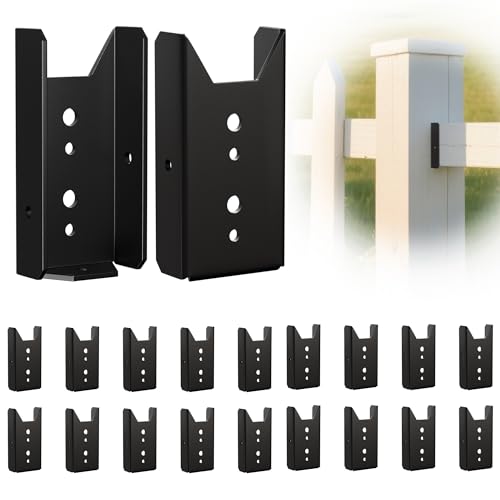
Heavy-Duty Steel Construction: Constructed from durable 1.2mm carbon steel with a sleek black powder-coated finish, this 2x4 black fence bracket combines attractive looks with superior rust resistance for long-term outdoor use. Its heavy-duty design maintains structural wholeness even under significant weight loads without bending or warping

Package Include: Get 4 heavy duty steel corner brackets with all required mounting screws in one complete set; No need to source extra hardware, saving you time and money for DIY workbench builds, garage upgrades, and outdoor wood projects
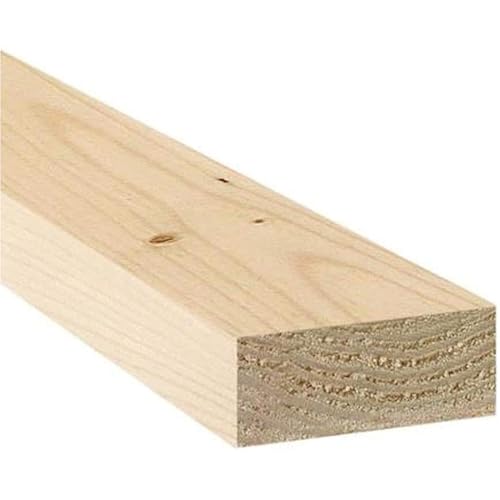
By Crafters, For Crafters: Crafting and building with wood is our number one priority. Bringing you more of the wood craft supplies you love is our job
Drilling Pilot Holes to Prevent Splitting
Once you’ve secured your frame to the railing, you’ll need to drill pilot holes before inserting any screws—this step prevents wood splitting and guarantees your fasteners sit perfectly straight. The pilot hole advantages are substantial: they reduce cracking risk, guarantee accurate screw placement, and minimize stress on surrounding wood fibers.
For drill bit sizes, match your bit diameter to the screw shank rather than the threads. Use a 3/16″ bit for 3/8″ lag screws. In hardwoods, keep the bit closer to shank size; in softwoods, you can go slightly smaller.
Mark hole locations with pencil first, then drill perpendicular to your surface at highest speed. For cleaner exits, drill halfway through, flip the board, and finish from the opposite side. Position holes one inch from board edges to prevent splitting. After installation, consider applying UV protection finishes annually to preserve the wood and prevent the cracking and weathering that can compromise your deck structure over time. Square-drive screws are particularly beneficial for deck projects because they provide superior torque control and reduce the risk of cam-out during installation.
Assembling the Bar Top Structure
Your bar top’s structural integrity depends on thoughtfully assembling the support framework before installing the finished surface. Start by cutting all support pieces to match your bar top length precisely. Attach cleats or brackets to the underside first, spacing them every 16–24 inches for even weight distribution. Secure the front support board to these cleats using 3-inch outdoor-rated deck screws. Position your bar top assembly on the railing, then attach back supports with a consistent 4-inch clearance gap. These assembly techniques guarantee proper load distribution and bar top aesthetics. Check everything for level and make adjustments as needed. Use stainless steel screws throughout to prevent corrosion and maintain your investment’s longevity in outdoor conditions. Following manufacturer-specific guidelines for fastener placement will ensure your bar top withstands regular use and outdoor weather exposure. For added durability when attaching your bar top to an existing deck structure, consider using specialized hardware such as patio roof risers to ensure a streamlined connection without invasive modifications.
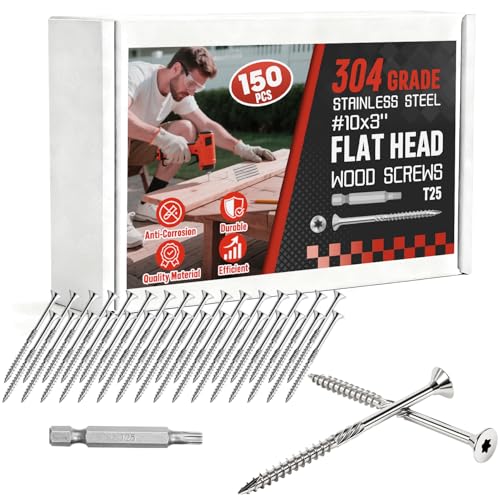
Defeat Rust for Good with 304 Stainless Steel - Tired of rusty screws ruining your project's look and strength? Get screws that stand the test of time. Crafted from premium 304 stainless steel, these construction screws resist corrosion in wet, coastal, and high-moisture environments, delivering lasting performance where ordinary screws fail.

BUILT FOR OUTDOOR DURABILITY – 304 STAINLESS STEEL: Made from 304 stainless steel, these stainless steel wood screws resist rust, rain, humidity, and coastal conditions. Ideal exterior deck screws for decks, fences, docks, and outdoor wood projects. 96-hour salt spray tested for reliable corrosion resistance.

30% FASTER INSTALLATION TIME vs. COMPETITION: Complete your project faster
Securing to Your Deck Railing
Securing your bar top to the deck railing requires careful attention to fastener selection and bracket placement to guarantee structural stability and longevity. You’ll want to use stainless steel fasteners for weather resistance and corrosion prevention. For fastener selection, choose three-inch deck screws for attaching bar pieces directly to existing railing tops and two-inch screws for general assembly. Bracket installation should space supports every 18-24 inches along the bar length. Position front support brackets using pre-drilled kreg holes facing the existing top surface, while back supports require consideration for underlying structures. Pre-drill all holes to reduce wood splitting and ascertain secure penetration. When spacing brackets at 18-24 inches, be mindful of beam deflection over longer bar spans to maintain a level surface. To ensure your bar top installation complies with safety standards, secure all fasteners through the railing posts using through-bolts or carriage bolts for maximum structural integrity. Verify all components are secure before finishing, maintaining parallel alignment with your existing railing for a stable, level surface.
Ensuring Proper Alignment and Leveling
Before you attach your bar top to the railing supports, you’ll need to verify that the railing itself is level and identify any spots that’ll require adjustment. Use a 48-inch spirit level—the primary tool necessary for this task—to check the railing’s surface and mark high or low spots with pencil. Measure distances from ground to railing at multiple points, recording data at each post and mid-span for accuracy.
Once you’ve identified unevenness, employ level alignment techniques by shimming under supports where the railing dips and cutting blocks where it rises. Use adjustable brackets to fine-tune height precisely. Double-check all measurements after adjustments to ascertain consistency before final attachment. This systematic approach prevents costly mistakes and guarantees a professional, stable installation.
Meeting Safety and Building Code Requirements
Once you’ve leveled and aligned your railing supports, you’ll need to verify that your bar top design complies with applicable safety codes before construction begins. Contact your local building authority to confirm specific requirements in your jurisdiction, as codes vary considerably by location. Your bar top must maintain a minimum 36-inch height from the deck surface, though California and Washington require 42 inches. Verify all openings between components don’t exceed 4 inches in diameter to prevent entrapment hazards. Your structure must support uniform loads of 200 pounds on the guardrail and concentrated loads in any direction. Post spacing shouldn’t exceed 6 feet for structural integrity. Balusters should be spaced no more than 8 inches apart to comply with New Jersey deck railing standards and prevent safety hazards. To maintain your completed bar top and protect it from the elements, consider implementing protective measures like covering your structure when not in use to prevent weather damage and deterioration. Obtain a building permit and schedule an inspection to confirm code compliance and verify safety regulations are met throughout your installation.
Sanding and Finishing Your Bar Top
With your bar top structure secure and code-compliant, you’re ready to prepare the wood surface for finishing. Start with coarse 80-100 grit sandpaper to remove old finish and weathered material. Progress through finer grits—120, 150-180, and finally 220—to achieve a smooth surface. Use a random orbital sander on flat areas and hand sand detailed profiles to prevent damage.
Always sand with the wood grain to minimize scratches. Clean thoroughly with a vacuum and wipe-down to eliminate dust before applying your finishing materials. For optimal paint adhesion on wood surfaces, consider sanding to roughen the surface before applying any finish or stain.
For durability, select high-quality lightly pigmented stains and finishes like spar varnish or polyurethane. Apply 3-4 coats using light pressure with grain-aligned brush strokes. Maintain a wet edge to prevent lap marks, and allow 24-48 hours drying time between coats. Lightly sand with 220-grit between applications to promote adhesion and guarantee a professional, durable finish. For the most efficient application, consider using a pump sprayer to apply stain evenly across larger bar top surfaces while maintaining consistent coverage.

PROTECT WOOD SURFACES – Minwax Polyurethane Wood Finish protects interior projects like woodwork, furniture, floors and cabinets. The oil-based, clear top coat is one of the most durable coatings for wood protection against scratches, spills and more.

PROTECT WOOD SURFACES – Minwax Polyurethane Wood Finish protects interior projects like woodwork, furniture, floors and cabinets. The oil-based, clear top coat is one of the most durable coatings for wood protection against scratches, spills and more.

Ideal for use on all interior wood surfaces including furniture, doors, trim and more
Long-Term Maintenance and Care
Your bar top’s longevity depends on establishing a consistent maintenance routine that addresses inspection, cleaning, and protective care. Create a maintenance checklist that includes monthly fastener tightening and visual inspections for wear or damage. Conduct seasonal inspections during spring and fall to assess structural integrity and identify corrosion developing on hardware or connections.
Clean your bar top annually with mild soap and water, using soft-bristle brushes every three to six months to remove debris. For material-specific care, apply appropriate cleaners: non-abrasive formulas for composite surfaces, glass cleaner for vinyl sections, or baking soda paste for stubborn dirt on metal components. Consider finishing with protective oils or sealants designed for outdoor use to enhance both durability and aesthetic appeal. When not in use, protect your bar top with breathable covers to shield it from environmental damage and extend its lifespan.
Reapply protective coatings when you notice wear, fading, or deterioration. Replace corroded fasteners immediately to prevent structural failure and maintain safety.

MARINE SEALANT: Our liquid formula creates a UV-stable coating for protection against the elements, saltwater spray, and water damage. Marine is a protector for outdoor furniture, thermally modified wood, and boat docks. Marine is safe for use over open water and is non-hazardous to aquatic life. ** This product is NOT intended for hardwoods such as ipe, mahogany and teak. NOT intended for wood submerged under water or on wooden boats **
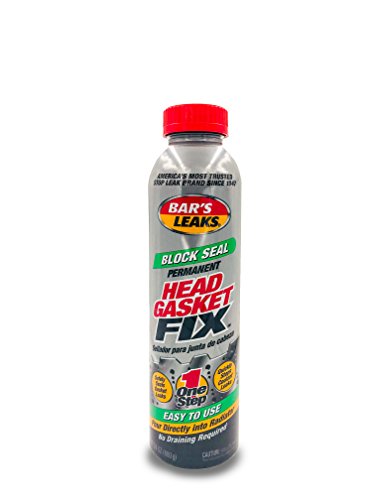
SAFELY SEALS GASKET AND OTHER SEVERE LEAKS: One step formulation contains a combination of antifreeze compatible sodium silicate sealing liquid and various size gasket sealing particles which penetrate gaps and cracks then harden to permanently stop leaks. Heavy duty formula works on aluminum and cast iron heads & blocks, along with sealing all other engine cooling system leaks better than a traditional stop leak. This includes repairing head gaskets, cylinder heads, intake gaskets, cracked blocks and freeze plugs.

Use on a wide range of interior items including rough, unfinished, stained, painted or smooth surfaces