How to Install a Top Cap on Your Deck Railing
You’ll start by evaluating your deck posts for plumb alignment and marking locations every 120-180 cm. Measure post dimensions carefully, then cut 45-degree miters using a miter saw, testing on scrap first. Apply waterproof adhesive to miter faces and reinforce with splines or biscuits. Secure corners with diagonal screws, then attach remaining sections using pre-drilled pilot holes. Verify tight seams and post leveling before sealing end grains with exterior protection. A thorough guide reveals the specific fastening techniques and maintenance protocols that’ll guarantee your installation lasts.
Preparation and Planning Your Cap Rail Installation
Before you cut or install anything, you’ll need to assess your deck’s post and rail alignment to guarantee your cap rail sits properly and meets building code requirements. Mark posts at corners, stairways, and 120-180 cm intervals along the perimeter, confirming they’re plumb and securely fastened with carriage bolts or lag screws. Verify consistent spacing matches your railing system specifications. Ensure your posts are spaced according to local setback requirements, which vary by municipality and affect the overall deck layout.
Next, plan your material layout by conducting a dry run of all cap rails on post tops. Adjust post angles at outside corners for accurate miter cuts, preventing edge exposure. Account for approximately ½ inch additional length on cap rails compared to underlying top rails, plus 1 inch overhang at ends. Center cap rails on posts to conceal post tops effectively. For optimal functionality and style, select a cap rail style that complements your deck’s overall design while ensuring proper drainage and weather protection.

Real 6063 Aluminum — Install Once, Skip Rust Headaches: A quick magnet test shows the difference—iron or steel attracts the magnet; Guwezoy 6063 aluminum does not. Iron or steel may develop red rust within 6 months–2 years, staining your deck as corrosion spreads and weakens the railing, leading to sagging, cracking, or early failure. With 6063 aluminum and an AAMA 2604 textured finish, Guwezoy is built for 30+ years outdoors with less sanding and repainting, so you can enjoy your deck more.

【Seamless & Weldless Desgin】The seamless design for metal cable railing handrail without maintenance costs, easy to cut the length you need and achieve a clean continuous appearance with nylon end caps, extending the handrail lifespan while enhancing visual consistency across your black cable railing system. This top rail perfect to build up sleek 36" or 42" all-black cable railing kit system, widely applications including decks, stairs, and balconies with a sleek and modern look.
Essential Measuring and Cutting Techniques
Once you’ve confirmed your posts are plumb and planned your cap rail layout, you’re ready to measure and cut your materials with accuracy.
Your measuring techniques should include using a protractor or angle finder to establish exact corner angles—typically 45° for miters and 22.5° for scarf joints. Measure post dimensions at multiple points with calibrated tape measures or calipers, accounting for irregularities and protective finishes that affect fit.
For cutting methods, employ jigsaws or band saws for curved sections, using templates to trace precise arcs. Mark joint locations directly on post centers before dry-fitting cap rail sections. Practice iterative trimming on scrap pieces first, verifying angles and fit before final cuts. This methodical approach prevents costly errors and guarantees seamless changes throughout your installation. To maintain your finished cap rail and prevent mildew and mold growth in damp climates, consider applying natural protective treatments alongside seasonal sealant reapplication. After installation, protect your new cap rail by reapplying protective sealants seasonally to maintain its finish and extend its lifespan.

Designed for use with Deckorators Classic Balusters
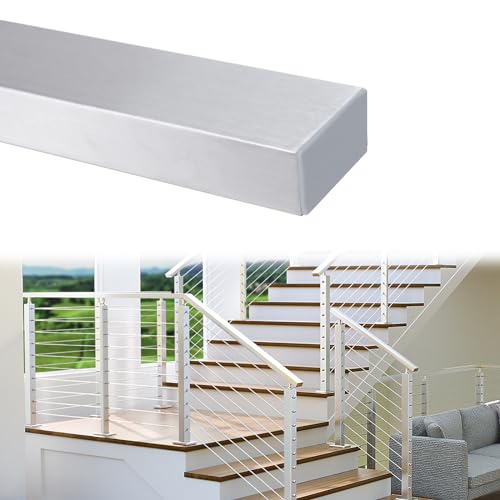
IMPORTANT to know before purchases - This item only contains 1pack 6'6" STAINLESS STEEL flat handrails. To avoid mismatch of accessories, please search following models to build your complete railing project: Muzata HA01 extension connector, HA02 90° corner connector, HA23 vertical pivot connector, HA24 level pivot connector, HA12 end cap, HA33 end bracket. You can check the bundle sets below to save time. What's more, if you want to cut the handrail, use the grinding wheel

Innovative Swageless Cable Railing Post Kits: Unlike traditional cable railing systems, our swageless cable tensioner kits eliminate the need for crimping and feature a swageless design that is reusable, making installation quicker, easier, and more secure. Our 1/8" 250 ft wire rope offers greater flexibility during installation and ensuring a perfect fit for your cable railing project. You can follow the steps in our manual to install your modern and stylish 36" complete set cable railing system.
Selecting the Right Materials and Hardware
As your deck railing nears completion, the material and hardware you choose will determine both the cap’s performance and your maintenance burden going forward. Your cost analysis should weigh upfront expenses against long-term value. Vinyl offers the most affordable option for traditional aesthetics, while composite and metal caps command premium pricing but deliver superior durability. Aluminum provides excellent weather resistance at moderate cost, making it ideal for coastal environments. For material durability, composite resists fading and staining without sanding or sealing, while powder-coated aluminum withstands corrosion effectively, benefiting from aluminum’s resistance to rust and corrosion which makes it particularly suitable for various climates. Vinyl resists moisture and rot across all climates. Steel requires protective coating in humid conditions. To maximize the lifespan of your deck cap, ensure good drainage and airflow underneath your railing structure to prevent moisture-related deterioration. Select panelized metal systems for faster installation, or measure existing posts carefully for post sleeves. Prioritize durability specifications matching your climate to minimize future maintenance.

3 COLOR MODES & VERSATILE AMBIANCE: Unlike standard 4x4 post solar lights with only 2 modes, this solar post cap lights offers 3 adjustable color temperatures: Cool White, Warm White, and Neutral Light. Perfect for matching your deck, patio, or garden ambiance, the fence post solar lights unique stepped exterior with a ridged clear housing provides a decorative look that complements both modern and traditional outdoor decor.

MEASURE POST BEFORE ORDERING- Designed to fit standard pressure treated 4x4 fence posts, these post caps fit 3.5"x 3.5 inch up to 3.75" x 3.75-inch posts and are perfect for any outdoor fence or deck project. They slide down the post 1.5 inches; their widest outside dimension is 5.5 inches. They will install on wood, composite, metal, and vinyl posts

Easy Installation: Solar Composite Post Cap Light designed for deck posts with simple EZ installation process
Creating Miter Joints at Corners
The precision you’ll need for tight-fitting miter joints at your deck railing corners starts with preparing the wood surfaces properly. You’ll wipe acetone across both miter faces to remove contaminants, then level any uneven surfaces that’d prevent proper joint closure. Cut your 45-degree angles using a miter saw, accounting for obtuse angles by subtracting from 180 degrees before dividing by two. Run test cuts on scrap material first to verify accuracy.
For miter joint techniques, you’ll apply exterior-grade waterproof adhesive consistently across both faces. Consider joint reinforcement through full-length splines routed into channels or biscuits combined with epoxy to increase mechanical strength and glue surface area. Pre-drill fastener holes from underneath, allowing wood movement while maintaining integrity. Your railing posts must be properly spaced and sized according to structural requirements to support the load-bearing capacity of your top cap installation. Always consult local building codes to ensure your railing installation meets regional structural and safety requirements. This approach creates durable corners resistant to seasonal humidity changes.

IDEAL FOR: PVC JOINTS AND COLUMN WRAP INSTALLATION

Made for PVC Trim Joints – Professional PVC trim glue for miter, scarf and shiplap joints, column wraps, molding, millwork, baseboards and ceiling trim. Creates a high-strength, lasting bond for PVC-to-PVC and PVC-to-wood contact areas
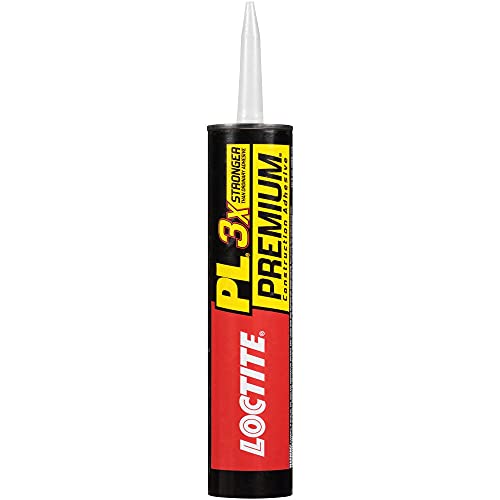
All Purpose: One component polyurethane-based adhesive that covers a wide variety of projects and bonds to most materials for consistently successful results
Assembling Scarf Joints for In-Line Connections
Where your deck cap rail runs longer than a single board allows, you’ll need to join multiple sections using scarf joints—an angled connection that’s superior to basic butt joints because it accommodates wood movement, conceals gaps, and distributes stress across a larger gluing surface.
Position scarf joints directly over posts for structural support. Use a miter saw with a sharp carbide blade to cut both pieces at 22.5 degrees, ensuring tight alignment. Before fastening, test-fit both sections together and verify proper angle orientation.
Apply manufacturer-recommended glue or caulk to the joint surfaces. Pre-drill fastener holes to prevent splitting. Clamp the assembly firmly while adhesive sets. Choosing stainless steel screws driven slightly below the surface will enhance durability and prevent corrosion in your deck railing connections. These scarf joint techniques and precise joint angle adjustments create durable, seamless connections that withstand seasonal expansion and contraction effectively.
Fastening and Securing Your Cap Rail
Once you’ve assembled your scarf joints and prepared all sections of your cap rail, you’ll need to secure everything with fasteners that’ll withstand seasonal movement and weather exposure. For wood cap rails, use stainless steel screws installed from below to hide fasteners and prevent corrosion. Vinyl and composite materials require self-tapping pan head screws through mounting brackets or aluminum plates spaced at quarter points and two inches from posts.
Pre-drill all cap rail materials to prevent splitting. Position fasteners at each end, two inches from posts, then at quarter points along longer sections. Verify all joints occur directly over posts for maximum support. Stainless steel fasteners resist the corrosive effects that wet weather and moisture can cause on materials like aluminum and other metals. Before final installation, ensure you’ve properly sealed end grains to prevent water damage and material degradation. Follow manufacturer recommendations for your specific fastener types and spacing to maintain code compliance and guarantee long-term durability throughout your cap rail installation.
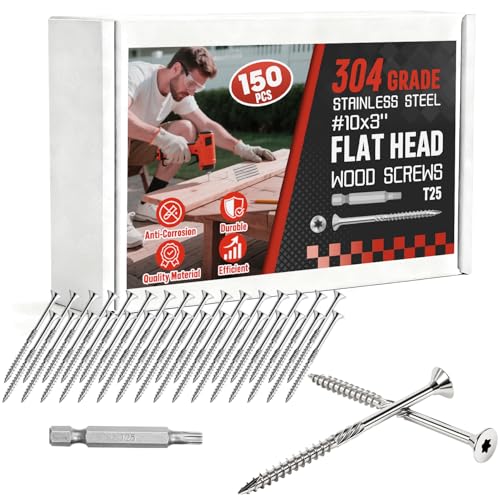
Defeat Rust for Good with 304 Stainless Steel - Tired of rusty screws ruining your project's look and strength? Get screws that stand the test of time. Crafted from premium 304 stainless steel, these construction screws resist corrosion in wet, coastal, and high-moisture environments, delivering lasting performance where ordinary screws fail.

【Package Contents】:Each package contains 100 #10 x 3-inch 316 stainless steel flat-head wood screws and one T25 Torx screwdriver bit.

New deck railing design, clean and elegant. This cable railing kit includes 30 pcs left, 30pcs right hand thread lag screws, 2 patent design wrench, and 2 drill bits. Stainless Steel T316 material, anti-rust ,water and corrosion, marine Grade, good for indoor or outdoor usage. With our new made wrench, installation becomes much easier.
Step-by-Step Installation Sequence
Installing your deck railing top cap requires careful sequencing to guarantee a professional, durable result. Start by confirming all lower rail sections and basters are securely fastened before positioning cap rails. Use alignment techniques to confirm cap rails sit evenly on posts and brackets, checking level throughout the process. Apply exterior adhesive to rail surfaces before fastening. Secure mitered corners first with diagonal screws, then attach remaining sections using pre-drilled pilot holes inserted from the top down. These installation tips prevent splitting and minimize visible fasteners. After fastening, verify tight miters and flush seams. Remove clamps gradually while inspecting for movement. Ensure the post is leveled and checked for vertical plumb before final cap installation to guarantee proper alignment. Before final installation, ensure any metal components are properly prepared by using chemical paint strippers if needed to remove old finishes and improve adhesion. Finally, confirm at least three inches of clearance above posts for decorative elements and perform a final level check to confirm structural integrity and aesthetic appeal.
Sealing and Protecting Your Cap Rail
Before you apply any sealant, you’ll need to properly prepare your cap rail to guarantee the protective coating bonds effectively and lasts for years. Clean the surface thoroughly with a power washer, then sand it with 60- to 150-grit sandpaper to open wood pores. Allow 24 hours drying time after preparation. For optimal results, ensure at least 24 hours of dry weather before applying your sealant to promote proper adhesion and curing.
Select sealant types compatible with your material: penetrating oil or semi-transparent stain for wood caps, or manufacturer-recommended products for composite. Avoid solid stains on composites unless specified. For wood cap rails, consider using stains with UV filters to help control mold and mildew growth over time.
For application methods, stir the sealant thoroughly and apply with a brush or roller, working along the grain in small sections. Maintain even pressure to prevent pooling. Allow 24–48 hours drying time, then apply a second coat for maximum protection.
Final Inspection and Maintenance Tips
With your sealant now cured and protecting the cap rail, you’re ready to verify that your installation meets safety standards and will perform reliably for years to come. Use this inspection checklist to examine all joints, fasteners, and connections for loosening or damage. Test railing stability by applying gentle pressure to confirm structural integrity. Establish a maintenance schedule of at least twice-yearly inspections during spring and fall, plus additional checks after severe weather. Tighten all hardware, replace corroded fasteners immediately, and validate compatibility to prevent galvanic corrosion. Monitor for water pooling and guarantee post caps prevent moisture intrusion. Verify that balusters are properly spaced to ensure no 4-inch sphere can pass through the openings. Document findings to track changes over time. Address any wobbling, misalignment, or protruding hardware promptly to maintain safety compliance and extend your railing’s lifespan. Ensure your railing can withstand 200 pounds of lateral force from any direction to meet building code requirements and protect occupants from injury.