
The Best Way to Stain Between Deck Boards
To stain between deck boards effectively, you’ll start by thoroughly cleaning gaps with an angle weeder and allowing 24-48 hours for drying. Use narrow 1-2 inch angled sash brushes with polyester bristles for precision application. Apply stain using the brush-on, brush-off method to prevent lap marks and guarantee even coverage. Consider solid or semi-solid stains for superior gap protection. Work in manageable sections during cooler hours, and allow proper drying time before foot traffic. The details of each step will reveal how to achieve truly professional results.
Preparation and Cleaning of Gap Areas
Before you can stain your deck, you’ll need to thoroughly clean the gaps between boards—a critical step that many homeowners overlook. Start by removing visible debris using an angle weeder or stainless steel crack tool, which fit narrow gaps effectively. For impacted material, employ a homemade L-hook or putty knife to dislodge compacted leaves, pet hair, and dirt without damaging composite boards.
After debris removal, rinse gaps thoroughly with water to eliminate dust and residue. Allow the boards to dry completely before staining, ideally waiting 24 to 48 hours to ensure optimal moisture levels. Inspect for mold or mildew, addressing any growth with appropriate treatment such as a mild soap solution or specialized cleaner to prevent surface damage. Consider enlarging gaps to 1/4″ using a router for easier gap maintenance going forward. This preparation guarantees ideal stain adhesion and prevents drainage problems that compromise deck longevity.
Brush Selection and Techniques for Tight Spaces
Three key factors determine your success when staining between deck boards: brush type, bristle characteristics, and application technique. You’ll find that narrow 1-2 inch angled sash brushes deliver precision in tight gaps, while polyester blended soft bristles prevent wood fiber damage and minimize visible brush marks. Avoid natural bristle materials, which shed and catch on splinters.
You should apply stain using angled brush strokes that follow the wood grain, rotating your brush to reach deep crevices. Employ handheld brushes for maneuverability around edges where access is restricted. For areas your primary brush can’t reach, use smaller artist brushes to touch up missed spots between boards. Applying thin, even coats along the wood grain ensures consistent coverage and prevents the stain from pooling in gaps.
Testing your chosen stain color on a small area between boards first ensures you achieve the desired appearance before committing to the entire deck. Clean your brushes immediately after use with manufacturer-recommended cleaners to maintain bristle flexibility and prevent stiffening that compromises gap penetration.

Flexible purple Shergrip handle that measurers only 2 Inches long that adds maneuverability in tight spaces

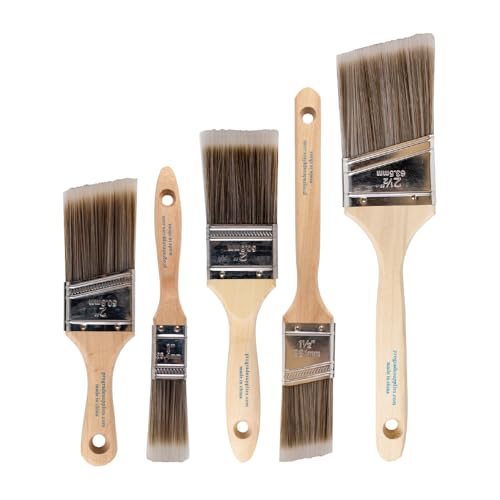
COMPLETE 5-PIECE BRUSH SET FOR EVERY PAINTING TASK — Includes 1 Inch Flat, 1.5 Inch Angle, 2 Inch Flat, 2 Inch Angle Stubby, and 2.5 Inch Angle brush giving you every size professional painters use daily. Get all 5 for less than the price of a single brush from hardware store brands — professional grade performance at a fraction of the cost. Perfect for walls, trim, cabinets, doors, furniture, and detailed cutting-in work on any project.
Application Method Recommendations
Successfully staining between deck boards requires a systematic workflow that begins with thorough surface preparation. You’ll achieve ideal results by staining railings first, using drop cloths to catch drips that could mar your deck surface.
When applying stain, maintain a wet edge by working in manageable sections to prevent lap marks and color inconsistencies. Pour stain into a paint tray for better control and reduced waste. For gap filling, use smaller tools like lambswool pads turned sideways to push stain into narrow spaces effectively. Supplement this with a fine brush for missed spots, especially where gaps are inconsistent.
Work during cooler times or in shaded areas to prevent premature drying. Remember to apply thin, even coats rather than heavy applications that bubble and crack. Proper wood grain orientation ensures the stain absorbs uniformly and enhances the natural appearance of your deck boards. Allow proper drying time between coats to avoid issues like uneven absorption or peeling.

Bates deck stain brush features a 7.5-inch width for expansive and even application, ideal for efficiently staining decks, fences, and other large wooden areas.
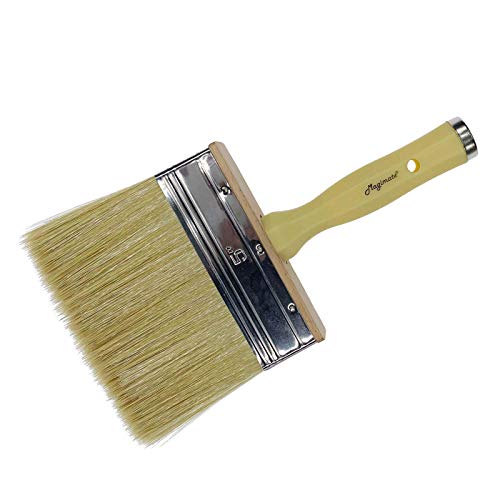
Brush Specs: 5” wide x 1” thick, soft synthetic filament blended with natural bristle. Hold more stain/sealer and paint smoothly, making your home improvement job a breeze.

SIMPLICITY MEETS EFFICIENCY - Our deck stain brush is easy to use with fast application of paints or stains. Just attach it to any standard extension pole for an easy, seamless experience that makes deck staining a breeze for DIYers and professionals alike. Our deck stain applicator works great on wood and concrete.
Stain Type Considerations for Gap Protection
Selecting the right stain type fundamentally affects how well your deck resists moisture intrusion and decay in those vulnerable gaps between boards. You’ll find that solid stains offer superior gap protection through their film-forming properties, effectively sealing exposed edges and joints. However, you’ll sacrifice grain visibility for this enhanced durability. Semi-solid stains provide a balanced compromise, giving you moderate grain visibility while improving gap coverage.
Consider stain viscosity carefully—higher viscosity products bridge gaps more effectively but penetrate less deeply. Lower-viscosity stains penetrate gaps easily yet may not establish continuous protective films. For pressure-treated pine, you’ll benefit most from solid or semi-solid options. Cedar and redwood work well with semi-transparent stains in mild climates, though solid stains excel in harsh environments where superior gap protection matters most. Transparent or semi-transparent stains with UV filters and fungicides help control mold and mildew growth in these moisture-prone areas. Maintaining consistent spray movement prevents drips and heavy spots that can accumulate in gaps between boards, ensuring even coverage across all surfaces.

Waterproofing deck stain & sealer with all-in-one protection

Stains flat surfaces and between boards at the same time

SEMI TRANSPARENT EXTERIOR WOOD STAIN: Our outdoor wood stain and sealer allows the natural wood grain to show through, highlighting the beauty of your decks, fences and sidings and preserving its natural look.
Moisture Prevention and Water Sealing
While the right stain type creates the foundation for gap protection, you’ll need to implement specific moisture prevention strategies to maximize that protection’s efficacy. Your sealing techniques must address water infiltration at critical points between boards where moisture barriers are essential.
Apply stain directly into gaps using brushes turned sideways or lambswool pads, working with controlled pressure to facilitate complete penetration. Time your second coat application within 60 minutes of the first to prevent adhesion failure and guarantee waterproofing integrity.
Environmental conditions considerably impact your success. Apply stain when temperatures stay below 80 degrees Fahrenheit, working in shade during cooler daylight hours. Avoid sunny conditions that cause premature drying, preventing proper bonding in gap areas. Before staining, ensure your deck has completely dried by checking if water beads up on the surface, which indicates the wood is ready to accept stain. Allow adequate cure time before weather exposure to establish complete moisture sealing. After the stain dries, sweep or vacuum away all dust to prevent particles from compromising the waterproofing integrity between boards.
Common Mistakes and Problem-Solving
Even with proper moisture prevention techniques, staining between deck boards presents numerous pitfalls that can compromise your final results. You’ll encounter common issues like blotchy absorption, drips, and lap marks if you don’t maintain stain consistency throughout your project. Confirm you mix all stain batches together before application to prevent visible color differences between boards. Maintain proper tool maintenance by cleaning brushes and applicators frequently—dried stain buildup causes uneven application. Work methodically, board by board, wiping excess stain promptly to avoid sticky surfaces. If blotchiness occurs, sand affected areas lightly and reapply stain evenly. For drips and runs, sand smooth after complete drying, then re-stain. Address lap marks by removing excess stain and reapplying in small, overlapping sections with consistent pressure. Following the brush on, brush off technique helps create a smooth, professional finish without lap marks or excess buildup. Allowing sufficient drying and curing time, typically 24 to 48 hours depending on conditions, is essential before exposing your deck to foot traffic or moisture.

Bates deck stain brush set includes 2 high-quality brushes designed specifically for staining decks and other large wood surfaces.

Brush Specs: Comes with 1x 7’’ large block stain brush with long handle and 1x 3'' small wood paint brush. The long deck paint brush is for larger surface expansive painting, and the small paint brush is for narrow places premise painting.
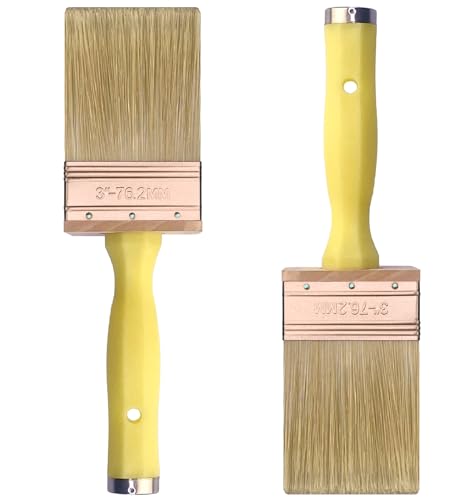
Great Andrew 2 Pack 3 Inch Deck Paint Brushes are 1 inch thick and hold 40% more paint than a common 3" brush, allowing you to finish painting faster and better.