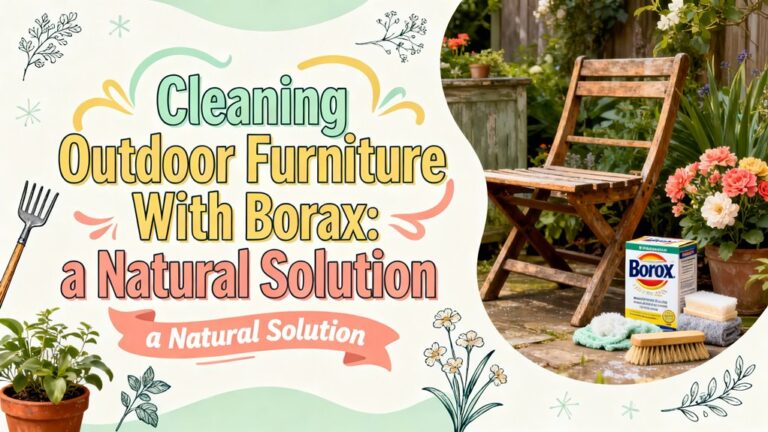
The Ultimate Guide to Caring for Outdoor Furniture
You’ll extend your outdoor furniture’s lifespan by establishing consistent cleaning routines using mild soap and water solutions. Clean spills immediately and guarantee surfaces dry completely before covering. Apply seasonal protective coatings tailored to your materials—wood sealers for timber, rust-inhibitor sprays for metal. Store pieces in dry, ventilated areas during harsh weather, and inspect hardware regularly for corrosion. Implement a structured maintenance schedule adjusting for seasons. Each material requires specific care strategies that’ll become clear as you explore the extensive details ahead.
Regular Cleaning Practices for All Materials
How do you keep outdoor furniture looking fresh without causing damage? You’ll want to establish consistent routine schedules that prevent dirt and debris accumulation. Start with a mild soap and water solution as your foundation—it handles most cleaning tasks effectively. For tougher grime, try a 50/50 mixture of warm water and vinegar. For stubborn stains that resist standard cleaning methods, consider boosting your solution with baking soda or OxiClean to enhance stain removal effectiveness.
Your cleaning techniques should always prioritize protection. Use soft-bristled brushes and sponges to avoid surface scratches, and work with the grain on wood furniture. After scrubbing, rinse thoroughly to eliminate residue that attracts dust. For mold and mildew on white furniture, a diluted bleach solution can effectively disinfect mold-resistant fabrics. Finally, air dry completely in sunlight when possible—this prevents mold, mildew, and water spots while maintaining your furniture’s appearance and integrity for seasons to come.

MULTIFUNCTIONAL CLEANING BRUSH: High-quality soft household cleaning brush bristles can easily clean dirty parts of clothes, such as collars and cuffs without damaging the fabrics, and can also be used to clean stains on tiles and countertops, making home cleaning easy.

OXY-POWERED OUTDOOR STAIN REMOVAL: This Outdoor Cleaner & Stain Remover delivers powerful spot cleaning with an oxy-powered formula. Designed to tackle tough outdoor stains caused by mold, mildew, algae, dirt, and grime, it helps refresh patios, decks, and outdoor living spaces

MULTI PURPOSE USE: Tires, car, truck, grills, spokes, bumpers, wheel well, concrete, decks, house, pots
Protective Covering and Storage Strategies
While regular cleaning keeps your furniture looking its best, protecting it from the elements is what’ll extend its lifespan considerably. You’ll want covers with superior cover durability—600D polyester canvas delivers exceptional water and mold resistance with multi-year warranties. Equally important is breathability; waterproof-only covers trap moisture underneath, risking mildew damage.
Prioritize ventilation features like mesh vents that reduce condensation buildup and allow proper airflow. Secure fastening with adjustable straps prevents wind damage and dirt accumulation. During severe weather conditions, consider storing furniture indoors or elevating it to provide additional protection beyond what covers alone can offer. For wrought iron furniture specifically, prompt drying after any exposure to moisture helps prevent rust formation.
When storing covers, keep them in dry, ventilated areas away from direct sunlight to prevent material degradation. Fold them neatly and use designated storage bags for pest protection. Inspect covers regularly for tears before storage, and clean them thoroughly with mild detergent. This proactive approach maximizes your cover’s effectiveness and longevity.
Wood Furniture Maintenance Essentials
Because wood furniture demands more attention than other outdoor materials, you’ll want to establish a consistent care routine that prevents deterioration and preserves its natural beauty. Start with regular light cleaning using damp cloths and mild soap, working along the wood grain with soft-bristled brushes to prevent damage.
For seasonal maintenance, tackle stubborn stains with oxygen bleach or vinegar solutions applied gently. Fine-grit sandpaper (180-220) removes challenging marks when needed. Before applying finishes, verify surfaces are completely clean and dry.
Teak oiling before first use maintains the wood’s warm color and provides initial protection. For weathered furniture with gray layers, consider sanding with appropriate grit sandpapers to restore the wood’s natural appearance before cleaning and refinishing. Protect pieces from standing water and prolonged dampness to prevent moisture damage. Wood sealing protects against moisture and sunlight damage year-round. Remove excess oil with smooth rags to prevent absorption issues. In coastal climates, rinse furniture with fresh water regularly to eliminate salt residue and protect against corrosion.

CLEAR SEALANT: Our water-based sealer provides top-notch protection against wear and tear in high traffic areas. It’s odorless and ideal for use on wood siding, log homes, swing sets, outdoor furniture, wooden decks and fences, and more.

Repels moisture as it enhances wood's natural beauty. Protect your outdoor furniture from mother nature and protect your investment.

🌱 UNLEASH THE BEAUTY OF YOUR OUTDOOR WOOD WITH TEAK OIL: Our premium wood finish and sealer is specially formulated for outdoor furniture, providing waterproof protection and enhancing the natural color and structure of teak, mahogany, pine, beech, oak, and other wood types. Preserve and beautify your outdoor wood with confidence.
Metal and Hardware Inspection Checklist
Metal components and hardware are vulnerable points where rust and structural failure often begin, so you’ll want to establish a systematic hardware inspection routine that catches problems early. Examine all bolts, screws, and fasteners for corrosion and tightness at least every few months or before severe weather.
Replace corroded or missing hardware with rust-resistant alternatives, applying anti-seize lubricant to threaded joints for easier maintenance. Check joints, welds, and hidden surfaces carefully—these areas accumulate moisture and develop rust quickly. Aluminum furniture benefits from this same inspection approach due to its susceptibility to corrosion in certain conditions.
Beyond fasteners, test your furniture’s structural stability by applying gentle pressure and observing for wobbling or flexing. Inspect foot caps and glides to prevent direct metal-to-ground contact. For deck furniture and outdoor installations, ensure stainless steel screws are used instead of nails to prevent rust and structural compromise. This thorough corrosion prevention approach protects both safety and longevity.
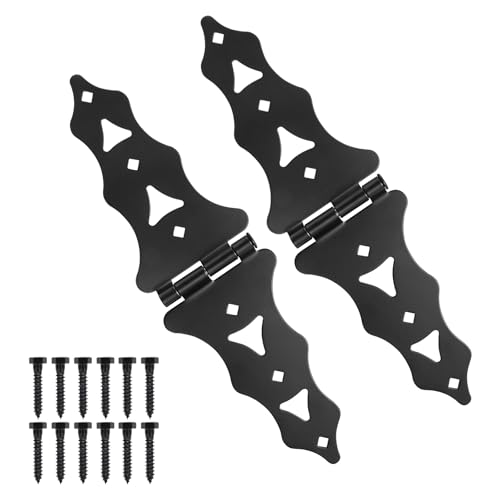
【Complete Gate Installation Solution】 This comprehensive gate kit includes both heavy duty gate hinges and a secure gate latch, providing everything needed for complete fence gate hardware installation in one convenient package.
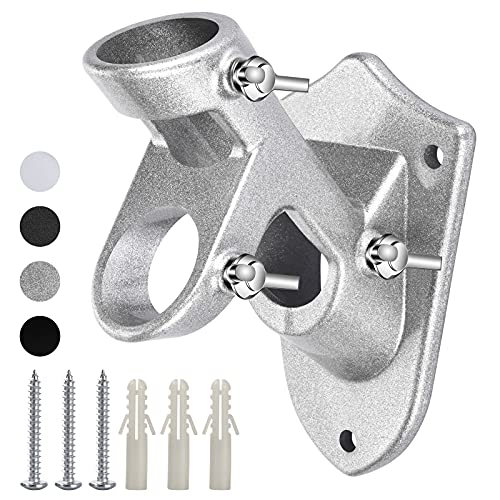
【Heavy Duty Bracket】This Haoridul flag pole holder is made of premium aluminum alloy and rust proof coated, It is tested to be extra wind resistant and forever rust free!

Great for doors and gates which wear out hinges and posts over time
Seasonal Maintenance Schedules and Routines
Just as your hardware inspection routine catches structural problems early, establishing seasonal maintenance schedules guarantees you’re addressing your furniture’s needs at the right times throughout the year. Your maintenance frequency should shift with seasonal changes to keep pieces protected and functional.
Spring demands deep cleaning and inspection after winter storage. Summer requires weekly cleanings and protective covers during peak usage. Fall calls for monthly debris removal before winterization begins. Winter involves secure storage in dry locations with periodic inspections.
Material-specific care varies greatly: wood needs deep cleaning quarterly, plastic requires monthly attention in high-use areas, wicker demands weekly dusting, and coastal metal furniture needs aggressive rust prevention. For metal furniture that has accumulated old paint layers, consider using chemical paint strippers to restore the piece before applying new protective finishes. Cushions require seasonal washing with mild soap and water to maintain their appearance and prevent permanent stain damage. Establish these routines now to prevent costly damage and extend your furniture’s lifespan considerably.
Specialized Care for Wicker Furniture
Wicker furniture demands a specialized approach that differs markedly from the general seasonal routines you’ve already established. You’ll want to prioritize protective measures since wicker’s porous nature makes it vulnerable to moisture damage and mold growth.
Start by applying natural sealants application using tung oil or shellac to shield your pieces from the elements. For wicker restoration techniques, lightly sand worn areas with fine-grit sandpaper, then apply touch-up spray paint to restore appearance.
Maintain proper air circulation around your furniture to prevent moisture accumulation. When cleaning, use only soft-bristled brushes and low-suction vacuums—avoid abrasive cleaners that scratch surfaces. Immediately remove spills and allow pieces to sun-dry thoroughly after washing to eliminate residual moisture and prevent fungal development in weave crevices. Annual inspections for splits or mold will help you catch damage early before it compromises your furniture’s integrity. For stubborn stains or mildew buildup, a vinegar and water mixture provides an effective natural cleaning solution.
Fabric and Cushion Care Guidelines
While outdoor fabrics and cushions face unique environmental challenges, you’ll find that consistent care routines greatly extend their lifespan and appearance. Start with regular brushing using soft-bristle brushes to remove dirt and debris before deeper cleaning. For fabric stain prevention, address spills immediately with a mild soap solution—one tablespoon of dish soap per gallon of lukewarm water. Use gentle scrubbing with soft sponges rather than harsh brushes.
When it comes to cushion drying techniques, stand cushions upright and unzip covers to accelerate moisture evaporation. Complete air drying prevents mold growth before storage or use. For deep cleaning, bleach solutions work effectively on Sunbrella fabrics, though always spot-test first. Machine-wash removable covers on delicate cycles with cold water, but avoid automatic dryers. Apply fabric protectors annually to maintain water and dirt resistance.

WATER REPELLENT SPRAY: One Scotchgard Outdoor Sun & Water Shield Fabric Spray, 10.5 oz can, that repels water and protects against the sun's UVA/UVB rays
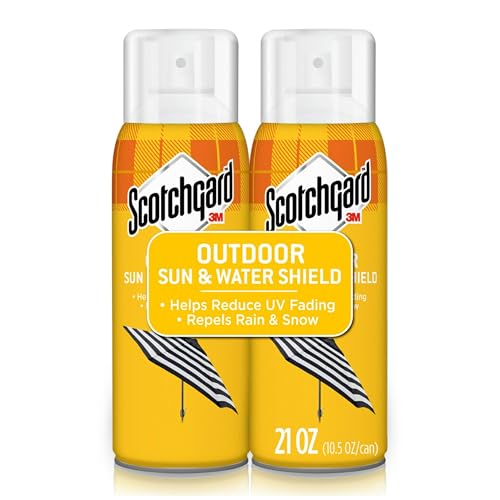
Strong fabric protection repels water based spills for easier cleanup
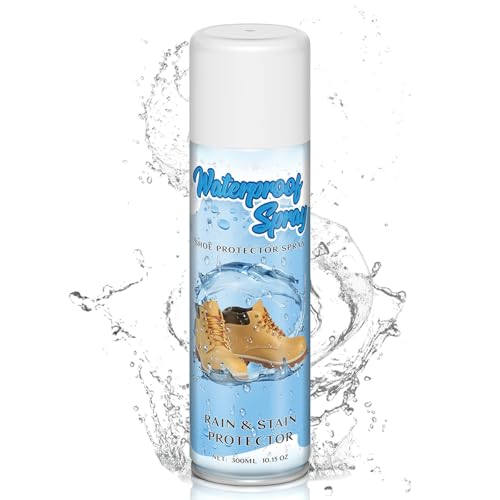
ADVANCED NANO-PROTECTION TECHNOLOGY - Shield your favorite kicks from the elements! Our shoe protector spray utilizes cutting-edge nano-technology to create an ultra-fine, invisible barrier that effectively repels water, mud, and oils without changing the color or texture of your footwear.
UV Protection and Sun Damage Prevention
Beyond keeping your fabrics clean and dry, you’ll need to address the sun’s relentless assault on outdoor furniture. UV damage causes fading, cracking, and material degradation that weakens your investment over time.
Select materials engineered for sun exposure: HDPE polymers, marine-grade composites, powder-coated aluminum, and Sunbrella® fabrics all contain UV inhibitors. Wood like teak and cedar naturally resist UV damage when regularly oiled. Unlike mango wood, which lacks inherent weather resistance without protective treatment, these materials provide superior outdoor durability.
Apply protective coatings seasonally—wood sealers every 6–12 months and UV-protective sprays annually. High-quality outdoor paints and stains formulated with UV inhibitors create durable barriers against sunlight. Resin furniture offers an alternative advantage, as UV stabilization in resin prevents cracking, chipping, and fading without requiring these seasonal protective treatments.
Position furniture strategically under pergolas, shade sails, or trees to minimize direct exposure. Rotate pieces seasonally to distribute sun exposure evenly and prevent uneven fading. Use breathable, UV-resistant covers during extended storage periods to block harmful rays while preventing moisture buildup.

【Kipiea Outdoor Furniture Covers】 Would you like to protect your precious patio furniture from the elements with a high-quality cover? Kipiea patio furniture covers feature a double-layer PU waterproof coating on higher-density 420D fabric and quality waterproof tape at the seams to ensure the cover withstands up to 200,000 PA of water pressure and keeps your furniture dry even after years of use

【Enzeno Patio Furniture Set Covers】-- Is your expensive furniture damaged by rain, sun exposure, dust ? The new Outdoor table covers has been tested to withstand 10,000pa of water pressure and can stay dry for 1800 hours when water is accumulated. The interior is coated with an environmentally friendly silver-coated coating that absorbs UV and other visible light to prevent furniture aging.

General to fit rectangular/oval patio table with 6-8 standard chairs size up to 111"(L)x74"(W). Measure your patio furniture dimensions before buying, and include chair clearance in your measurements.
Winter Storage and Off-Season Preparation
As temperatures drop and outdoor entertaining season winds down, you’ll want to prepare your furniture for storage to protect your investment through harsh winter months.
Start by thoroughly cleaning all pieces and ensuring they’re completely dry before covering them. Moisture control is critical—residual dampness trapped under covers creates ideal conditions for mold and mildew growth. Different materials demand specific care: treat wood, coat metal, and wash plastic thoroughly.
Your storage location greatly impacts furniture preservation. Garages, sheds, or climate-controlled units provide complete protection from harsh elements. Elevate pieces off concrete floors using furniture glides to prevent moisture absorption. Store cushions in heavy-duty plastic bags on shelves, away from direct contact with damp surfaces. For maximum protection, consider using shrink wrap and heat gun techniques to create a weather-resistant seal around larger pieces.
Apply weather-resistant covers only after furniture dries completely. Invest in quality covers made of breathable, water-resistant materials such as 600 to 900 denier polyester to allow condensation to evaporate and prevent mold and mildew growth. Choose covers with dry vents to facilitate air circulation and prevent coating adhesion issues.
Addressing Rust and Metal Corrosion Issues
Metal outdoor furniture faces constant threats from moisture, salt air, and UV exposure, but you can effectively combat corrosion by understanding material properties and implementing protective strategies. Recognizing corrosion causes—primarily moisture, oxygen, and salt—helps you choose appropriate interventions. Different rust types require specific treatments: surface rust yields to vinegar and baking soda solutions, while deeper oxidation demands sanding with fine-grit sandpaper followed by chemical cleaners.
Stainless steel and aluminum resist corrosion naturally, but wrought iron requires powder coating protection. Cast aluminum furniture offers exceptional durability and can endure exposure to rain, humidity, and even coastal environments without deteriorating. You’ll strengthen your defense by applying rust-inhibitor sprays and rust-proof paints from trusted brands. For additional protection, premium polishing products with ceramic sealants create hydrophobic barriers that repel water and dirt while preserving your furniture’s appearance. Regular maintenance using mild soap and water prevents dirt accumulation that traps moisture. For maximum durability, combine multiple approaches: quality materials, protective coatings, and consistent cleaning protocols that address corrosion causes before they compromise your furniture’s integrity.