
How to Care for Teak Outdoor Furniture: A Complete Guide
You’ll maintain teak furniture by cleaning seasonally with mild soap and water using soft-bristled brushes along the grain. Immediately blot spills and treat stubborn stains with teak-specific cleaners or oxalic acid for rust. Apply protective sealers annually after light sanding with 400-grit paper. Store pieces elevated on pallets in cool, dry areas, and use breathable covers outdoors. Regular inspections catch wear early, preventing costly repairs. Follow these practices consistently, and you’ll realize how deeper wood conditioning routines reveal your furniture’s full longevity potential.
Regular Cleaning Routine for Teak Furniture
To maintain your teak furniture’s appearance and longevity, you’ll want to establish a consistent cleaning regimen using mild soap and water as your primary solution. Mix two tablespoons of liquid dish soap with one gallon of water to create an effective standard cleaning mixture. Your cleaning frequency should occur seasonally—spring before warm weather or after heavy summer use—with light dusting between washes using soft cloths.
When scrubbing, apply the solution with soft-bristled or soft nylon brushes, always working in the direction of wood grain to prevent surface damage. Detergent selection matters; avoid harsh chemicals that compromise wood integrity. Rinse thoroughly with a garden hose to remove all soap residue. Prompt removal of spills or standing water helps prevent stains and water damage to the wood. Allow 24 hours minimum drying time before applying protective products, ensuring complete moisture removal and ideal results.

Expertly Designed for Teak Cleaning: designed specifically for teak cleaning, the scrub pad for teak wood effortlessly lifts dirt and grime from your teak items, restoring their original glow and extending their lifespan

"Package include: 4 cleaning scrubbers with handle, 2 colors, each color has 2 pieces; Application: good for clean plastic, teak, wooden upholstery and wood clean up, bare metal, marine brush scrubbers, clean walls, showers and tubs, glass tumbler with some coffee and tea stain; Warm notice: they are coarse cleaning pads for deep cleaning, make sure the material before you applying"

DEEP CLEANING EFFICIENCY: Designed to lift embedded dirt and grime, restoring the natural beauty of teak and fine woods without damaging the surface.
Managing Spills and Immediate Damage Control
Acting quickly when spills occur on your teak furniture is essential to prevent liquid from penetrating the wood grain and causing permanent staining or discoloration. Your spill management strategy should prioritize immediate blotting with a clean cloth rather than rubbing, which spreads liquid deeper into the wood. Use mild soap and water for follow-up cleaning, avoiding harsh products that damage the surface. For stubborn stains requiring specialized treatment, apply a teak-specific cleaner according to manufacturer instructions while wearing protective gloves. After cleaning, allow thorough air-drying to prevent mold growth. Teak’s high natural oil content provides inherent protection, but prompt action during spills prevents liquids from overwhelming this natural defense. Damage prevention involves using coasters, placemats, and keeping furniture dry through proper drainage and airflow. For long-term protection against moisture and UV damage beyond immediate spill management, consider applying spar urethane after addressing stains, as it provides a durable, weather-resistant barrier that extends the lifespan of your teak furniture. Lightly sand persistent marks following the grain direction, then reapply teak sealer if necessary.
Effective Stain Removal Techniques
Since different stains require distinct removal approaches, you’ll want to identify the stain type before selecting your treatment method. For a water stain, you can use an iron with medium heat and a dry towel barrier to draw out trapped moisture, or apply the hair dryer method at 4-6 inches away. Alternatively, oxalic acid mixed with water effectively removes rust stains and discoloration; soak the mixture for 10-20 minutes, then rinse thoroughly.
For a grease stain, sprinkle baking soda directly over the spill and let it sit for 15 minutes to absorb excess oil. Follow with soft-bristled brush scrubbing and thorough rinsing. Stubborn grease spots respond well to a baking soda and water mixture applied with gentle scrubbing. For best results with any stain treatment, maintain consistent overlapping strokes to ensure even coverage and avoid streaking. After any treatment, allow adequate drying time before applying protective oils. To further protect your teak from future stains and environmental damage, consider applying teak oil or specialized protectants as part of your regular maintenance routine.

ENHANCES THE BEAUTY OF THE WOOD: Teak Oil restores the beauty of grey, old and weathered teak furniture to give a golden-brown natural finish.

Wood Stain & Sealer in One: This wood stain eliminates the need for separate primer and top coat— it’s all built right in! It deeply penetrates to nourish wood from within while forming a sealed protective film on the surface, boosting hardness to resist everyday scuffs. Perfect for DIYers to restore a finish for wood with zero hassle.

REMOVE DIRT, GRIME, and MORE : Our Teak Cleaner will remove any dirt and grime from the surface of your outdoor wood furniture.
Sealing and Protective Coatings
After you’ve removed stains and cleaned your teak furniture, applying a protective sealer is crucial to preserve its durability and appearance. You’ll find several sealer types available: Danish teak sealers penetrate deeply against mold and UV damage, while solvent-based options like SEMCO contain mildewcide and UV inhibitors. Oil-finishes combine oil, polyurethane, and mineral spirits for absorption and protection.
For application techniques, use a brush, roller, or lint-free cloth, working with the wood grain for uniform coverage. Apply two coats on bare wood, allowing 20–30 minutes for penetration before wiping excess. Scuff-sand lightly between coats to guarantee adhesion. Wait 8–12 hours between coats, with full curing taking up to 48 hours depending on conditions. Maintain your sealed teak by reapplying sealer annually and inspecting for wear.

🌱 UNLEASH THE BEAUTY OF YOUR OUTDOOR WOOD WITH TEAK OIL: Our premium wood finish and sealer is specially formulated for outdoor furniture, providing waterproof protection and enhancing the natural color and structure of teak, mahogany, pine, beech, oak, and other wood types. Preserve and beautify your outdoor wood with confidence.

Protects Wood From Moisture Damage - With this advanced sealer, you can shield your indoor and outdoor teak furniture from moisture, preventing swelling, warping, and other moisture-related issues.

The Bayes Teak cleaning solution deeply penetrates and protects the wood from getting dry, cracked, stained, spotty or grayed, while cleaning and maintaining for a beautiful appearance
Storage and Weather Protection Strategies
Once you’ve sealed your teak furniture, you’ll need to establish a thorough storage and weather protection plan to maximize its lifespan. For indoor storage, clean and completely dry your furniture before placing it in a garage, shed, or cool room. Elevate pieces on pallets to minimize moisture absorption, and avoid heated spaces that cause excessive drying and cracking.
When keeping furniture outdoors, invest in high-quality outdoor covers made from breathable, water-resistant, UV-protected materials. Secure covers tightly with tie-down straps to prevent wind damage and water ingress. Elevate furniture legs on blocks or stones to prevent rot, and position pieces under covered patios when possible. Like deck surfaces, allow your furniture to dry completely before covering to prevent trapped moisture and mildew growth. Use protective covers and select water-resistant fabrics to avoid moisture accumulation that promotes mold and mildew.
Check covered furniture periodically for trapped moisture or pests. Replace worn covers promptly to maintain protection year-round.

Weatherproof Shield: Made from heavy-duty 420D Oxford fabric with a PU waterproof coating, these outdoor furniture covers waterproof help protect your patio furniture from rain, snow, and dust; Designed for reliable year-round outdoor protection with durable, easy-to-maintain fabric

Protection of Your Sofa Cushion: The outdoor cushion cover can make your old cushion look new, and can protect the cushion from daily wear and scratches, but also can avoid accidental splash stains and pet scratches,It is an ideal choice for families with children and pets

All-Weather Outdoor Chair Protection: Perfect for patio, dining, and lounge chairs on decks, porches, balconies, and backyards. Shields furniture from rain, dirt, dust, and sun exposure while keeping seating ready for use.
Seasonal Maintenance Schedule
Establishing a consistent seasonal maintenance routine will preserve your teak furniture’s appearance and structural integrity throughout the year. Begin your spring cleaning in early spring or after heavy rains by deep cleaning with teak-specific cleaner and a soft brush, then lightly sand to remove oxidation. During summer, wipe furniture weekly and wash monthly with mild soap, addressing spills immediately. For fall prep, remove accumulated debris and scrub with a stiff bristle brush using diluted dish soap. Before winter, guarantee furniture is completely dry, elevate it on well-drained surfaces, and apply breathable, UV-resistant covers instead of airtight plastic to prevent moisture traps and ensure proper protection. When selecting winter covers, consider measuring your furniture’s width, depth, and height to ensure a proper fit that adequately protects without creating gaps. Like deck restaining, allowing sufficient drying time between maintenance steps ensures the protective treatments bond effectively with the wood surface. Annually inspect hardware for loose screws or cracks, maintaining your investment’s longevity.
Preserving Natural Color and Finish
While a consistent maintenance schedule keeps your teak furniture structurally sound, protecting its natural color and finish requires equally dedicated attention to UV exposure, cleaning protocols, and protective coatings. UV radiation causes color fading, transforming teak’s golden-brown hue to silver-gray within 5-12 months without intervention. Combat this by applying teak oils or UV-inhibiting sealers one to two times yearly. Clean surfaces thoroughly with teak-specific products before applying finishes, ensuring proper adhesion and even protection. Light sanding with 220-grit sandpaper removes weathered layers and restores original tones while improving finish quality. Replenish natural oils through quality teak oils or marine-grade varnishes. Unlike less rot-resistant woods, teak’s natural durability makes it an excellent choice for outdoor furniture that maintains its beauty with proper care. Position furniture in shaded areas and use covers when not in use, considerably extending color retention and protecting your investment.

Prevents further drying and fading of wood finishes due to sun exposure, temperature variations, and moisture both indoors and outdoors
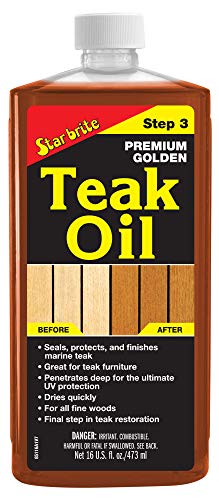
ULTIMATE WOOD PROTECTION: STAR BRITE Teak Oil provides superior protection for teak and other fine woods - Suitable for teak furniture, marine teak, decks and teak shower benches

Apply periodically to refresh your dense woods and help protect them from UV rays
Long-Term Care and Wood Conditioning
To keep your teak furniture looking pristine and structurally sound for decades, you’ll need to establish a consistent cleaning routine that addresses both surface debris and deeper wood conditioning. Annual washdowns with mild soap or vinegar solution remove grime effectively. Light sanding with 400-grit sandpaper performs essential wood exfoliation, smoothing weathered layers and enhancing grain visibility. Always sand along the grain to preserve wood integrity and prevent damage.
After sanding, apply a water-based, solvent-free teak sealer with a lint-free cloth, following the grain direction for grain enhancement. This protects against UV damage and weather exposure. Reapply sealer when wood appears faded, typically every 12-18 months. Regular inspection catches wear early, preventing costly repairs. Avoid pressure washers and harsh chemicals that compromise teak’s natural resilience and finish. For outdoor structures requiring larger wood spans, proper beam sizing and configuration ensures long-term structural integrity alongside surface protection.