How to Cover Your Deck With a Tarp After Staining
After staining, you’ll want to tarp your deck within hours to shield it from moisture, UV rays, and mold. First, gather vinyl or neoprene tarps with ratchet straps and corner protectors. Secure one side taut, removing wrinkles, then fasten edges with ½” staples or screws using washers. Confirm proper ventilation underneath to prevent moisture damage. Monitor weather closely—tarp if rain threatens within 24 hours. Understanding the nuances of timing, materials, and maintenance techniques will greatly extend your stain’s durability.
Why Protection Matters for Your Freshly Stained Deck
When you’ve invested time and money into staining your deck, you’ll want to protect that investment during the critical curing period. Your freshly stained deck faces multiple threats: moisture can compromise the stain’s effectiveness and cause warping and cracking, while UV rays fade color and weaken wood fibers before the protective layer fully establishes. Humid conditions promote mold and mildew growth that permanently discolor the surface, and temperature fluctuations stress the stain layer during curing. Proper deck care during this vulnerable phase directly impacts stain durability, extending its lifespan from two to four years. Tarping maintains stable conditions, prevents water penetration, shields against UV exposure, and eliminates fungal development. Similar to how air-drying thoroughly is essential after cleaning outdoor cushions, allowing your stain to cure properly under protected conditions ensures maximum durability and appearance. Cedar wood’s natural rot resistance and stability also benefit from proper protection during the curing phase, maintaining the integrity of your investment. This inexpensive preventive measure protects your deck’s structural integrity and maximizes your staining investment’s long-term value.

【FINISHED SIZE】RAINDEWAY blue/silver tarp is 5.5mil thick . The size is actual size that can be used , if you choose RAINDEWAY tarps you will receive a full size tarp

【PACKAGE INCLUDES 】: one 8x20ft clear heavy-duty rain tarp (thickened),enhance the tensile strength of the clear vinyl rain tarp; 2 packs 33-foot roll of windbreak cord, and 50 zippers are also included.

Weather Protection: Layered polyethylene helps protect against rain, wind, snow, and dust, whether covering a stacked woodpile in the yard or patio furniture on an open deck; The heavy duty waterproof tarp helps keep covered items dry during outdoor use
Understanding the Right Timing for Tarp Application
Because timing directly affects your stain’s ability to cure properly, you’ll need to balance protection against moisture interference. Tarp application timing depends on several stain drying factors, including humidity, temperature, wind conditions, and wood porosity.
Most manufacturers recommend tarping only after initial drying begins—typically within the first few hours. Oil-based stains require 12–24 hours before resisting light moisture, while water-based varieties achieve rain-resistance in 1–6 hours. Ready Seal® becomes rain-safe in just 2–4 hours.
Check your weather forecast 48 hours ahead. If rain’s expected within 24 hours, plan tarping immediately after the stain enters its drying phase. Consider using alternative fastening methods to secure your tarp corners and edges rather than relying on single attachment points, which can allow wind to compromise coverage. Before applying your stain, ensure you’ve completed thorough rinsing and allowed the deck to dry completely to promote proper adhesion. Apply your tarp before precipitation arrives, ensuring the stain remains undisturbed and can cure effectively without trapped moisture compromising results.
Gathering Essential Materials and Equipment
Before you lay down your tarp, you’ll need to assemble the right materials and equipment to guarantee proper deck coverage and protection. Start by selecting appropriate tarp types based on your climate conditions. Vinyl tarps offer excellent UV resistance and waterproofing, while neoprene tarps provide superior durability in extreme temperatures. Next, gather securing methods to hold your tarp firmly in place. Ratchet straps deliver dependable strength, while rubber bungee straps offer convenient, affordable alternatives. Include D-rings and grommets for additional attachment points. Don’t overlook corner protectors to prevent sharp deck edges from damaging your tarp material. Verify you have accurate deck measurements before purchasing materials, ensuring you select dimensions that provide 12-24 inches of overhang beyond your deck edges for ideal water runoff protection. If your deck is located near property lines, be aware of height restrictions for structures that may affect how you position your tarp support system. Before installation, consult your local building department to confirm whether your deck staining project requires any permits or must comply with specific regulations.

【What upgrades does the brand new clear tarp have?】The four sides of clear tarps heavy duty waterproof are heat-sealed and folded . For extra support, poly rope is sewn into the hem from end to end on all sides to defy tearing and deformation – boosted durability and security,Not only that,Our Heavy Duty Transparent Tarpaulin features reinforced rubber corner sleeves – 2x stronger than standard tape corners. No more fraying or tearing at stress points. Built to last season after season.
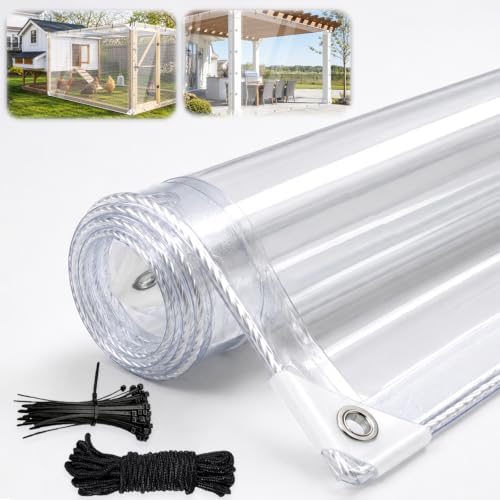
14MIL CLEAR VINYL TARP:clear tarp is made of high quality transparent PVC vinyl material .The clear design of the tarpaulin makes it an excellent choice for outdoor activities such as camping, picnics, or outdoor events where you want to enjoy the view while still being protected from the elements.Clear vinyl tarp allows light to pass through it .The sun shines through and gives us some much needed sunlight while protecting us from the cold.

【Crystal Clear Visibility & Plant Protection】 Enjoy unobstructed views of your plants or pets with our Heavy Duty Transparent Tarpaulin. Clear Tarp with Grommets Designed for greenhouses and enclosures, it maximizes sunlight while providing essential weatherproof protection against rain, wind, and dust. Maintains clarity without yellowing or hardening.
Preparing Your Deck Surface Before Coverage
Now that you’ve gathered your materials and equipment, preparing your deck surface properly will determine how well your tarp protects your investment. Start by removing all debris—leaves, twigs, and dirt—using a broom or leaf blower, ensuring you clear between boards to prevent moisture trapping. Next, perform a thorough surface inspection, checking for loose boards, nails, rot, or splinters that require repair before proceeding.
Deep deck cleaning comes next. Apply a wood-friendly cleaner with a stiff-bristled brush, scrubbing areas with mildew or algae buildup. Rinse completely and allow adequate drying time—typically 24 to 48 hours depending on weather conditions. To prevent residue or film buildup that could compromise tarp adhesion, ensure you thoroughly rinse all cleaning solution from the deck surface.
Finally, lightly sand the deck’s surface using medium-grit sandpaper to remove rough patches and peeling finish. Wipe away sanding dust with a tack cloth, creating a smooth, clean foundation for your tarp coverage. Allow the wood to reach proper moisture levels before covering, as trapping moisture under the tarp can cause peeling or mold growth.

Detail Sander Sandpaper: 50 pcs 80 grit palm sander sandpaper with 12 holes 5-1/4 x 3-3/4” (13.5cm x 9.5cm), suitable for Black and Decker mouse detail sanders including BDCMS20C, BDEMS600...
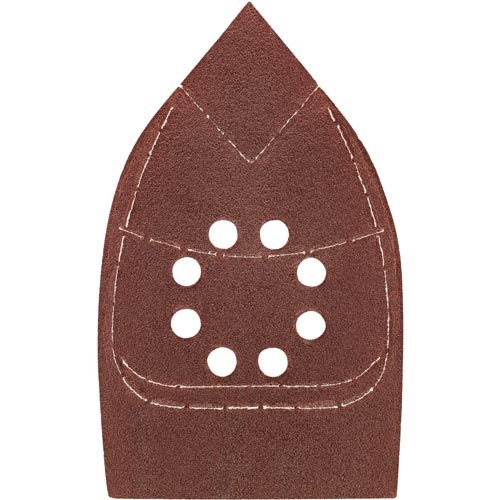
MEGA MOUSE sandpaper with holes provides the most efficient dust collection

Professional Sanding Discs – 8" hook & loop sandpaper designed for heavy-duty, aggressive material removal.
Mastering the Proper Tarp Installation Technique
With your deck properly cleaned and prepared, you’re ready to install the tarp using techniques that’ll maximize both protection and longevity. Start by securing one side of the tarp, then pull the opposite side taut while removing wrinkles. Proper tarp tension is essential—keep it drum-tight to prevent flapping and water pooling. Use ½” staples spaced every inch for reliable tarp fastening into framing, or employ screws with washers through grommets for reusable solutions. Consider folding tarp edges before stapling to reinforce high-stress points. Blue and brown tarps pull tighter than other colors, making them ideal choices. Ensuring good ventilation underneath the tarp will prevent moisture damage and warping while your deck cures. For optimal deck protection, ensure your joist spacing accommodates proper tarp support and drainage. Trim excess material only after achieving proper tension. This methodical approach guarantees your freshly stained deck remains protected throughout the curing process.

Packaging & Size: Pack includes 120 pcs 11-gauge U-shaped stakes, 6 in long with stable width for strong holding power. Designed for easy installation across outdoor projects. Ideal landscape staples and reliable garden staples for lawns, beds, and landscaping work.

90% Breathable UV Protected HDPE Shade Fabric

60-Mil Liner: The Most Popular Material for New And Re-Roof, Low Slope, Roofing Applications
Maintaining Your Tarp Throughout the Drying Process
Once you’ve secured your tarp over the freshly stained deck, you’ll need to actively monitor and maintain it throughout the drying process to guarantee perfect protection and material longevity. Apply effective tarp drying techniques by providing adequate ventilation beneath the covering to allow stain fumes to escape and moisture to dissipate evenly. Periodically lift edges to check for condensation buildup, which indicates poor airflow requiring adjustment.
For peak moisture control, remove any standing water pooling on the tarp’s surface using towels or sponge mops. This prevents water damage to both your deck and the tarp itself. Make sure your tarp remains in a well-ventilated area away from direct sunlight, which accelerates deterioration. Monitor weather conditions closely—if rain threatens, reinforce securing points to maintain protective coverage without trapping excess moisture underneath.


Experience ultimate wind protection for your roll tarp system with Brumleve Wind Straps, designed to conquer even the strongest gusts. These innovative straps are the solution to preventing roll tarp turbulence. Engineered from moisture-resistant polyester with a robust stretch membrane, our wind straps maintain their flexibility and provide seamless tarp contact, ensuring longevity.

Monitoring Weather and Environmental Conditions
Before you’ll need to assess weather conditions meticulously to verify ideal results. Understanding weather patterns and environmental factors guarantees your stain cures properly without compromising the finish.
Monitor temperature ranges between 50-85°F during application. Temperatures below 50°F reduce adhesion and extend drying times, while those exceeding 90°F cause rapid, uneven drying. Track humidity levels, maintaining them between 40-70% for best performance. High humidity above 70% greatly slows curing to 12-24 hours or longer.
Evaluate wind direction and air circulation. Direct airflow accelerates evaporation and supports proper curing, though you’ll want to avoid extreme conditions. Consider sun exposure timing—direct sunlight speeds drying within hours, while shaded areas require extended curing periods. Similar to how tension hooks distribute weight effectively in outdoor installations, proper air circulation helps distribute moisture evaporation evenly across your deck surface.
Finally, confirm rain won’t occur for at least 24-48 hours following application to prevent stain failure. Checking weather forecasts before staining ensures you select an appropriate application window that protects your investment.
Determining When Your Deck Is Fully Cured
Now that you’ve applied stain under proper weather conditions, you’ll need to distinguish between drying and curing to know when your deck is truly ready for use. Drying occurs within 1-6 hours when stain no longer feels wet, but cure timing determines actual readiness. Water-based stains cure in 12-48 hours, while oil-based varieties require 24-72 hours for complete hardening. Stain penetration depth affects overall durability, making full curing essential before placing furniture or allowing heavy traffic. Temperature and humidity considerably impact cure timing—maintain 50-85°F and 40-70% relative humidity for ideal results. Cold, wet conditions can double or triple standard timeframes. Monitor your specific stain type’s requirements, then wait the full recommended period before resuming normal deck use.
Safely Removing Your Tarp and Inspecting Results
After your deck stain has fully cured according to the manufacturer’s guidelines—typically 24–72 hours for oil-based products and 2–4 hours for water-based formulations—you’ll want to remove the tarp safely and assess the results.
Start your tarp removal techniques at one edge, carefully lifting without dragging across the deck surface. Roll the tarp as you lift to prevent debris transfer. Use a soft brush to remove dust before folding.
For deck inspection tips, visually examine the entire surface for water spots, uneven staining, or leakage signs. Check for blotches, streaks, or lighter areas indicating moisture exposure. Look for residue or debris left behind. Proper stain application using expert techniques like brush on, brush off helps minimize these common issues and ensures even coverage across the deck surface. To maintain your deck’s appearance long-term, plan for regular re-staining based on weather exposure and foot traffic.
Address minor issues with a lint-free rag dampened in mineral spirits. Avoid aggressive scrubbing that could damage the finish. Walk the complete deck to confirm no overlooked spots exist before allowing regular use.