Professional Deck Staining: Tips for a Lasting Finish
You’ll transform your deck by mastering three critical phases: thorough surface preparation, including pressure washing and sanding; selecting the appropriate stain type for your wood species and climate; and executing proper application techniques with quality tools. Water-based stains offer superior color retention and require two coats for durability. Allow 24-72 hours for complete curing, then establish a maintenance schedule based on your stain type. The specific strategies that professionals use to achieve flawless, long-lasting finishes await.
Preparing Your Deck Surface for Staining
Before you apply any stain, you’ll need to thoroughly inspect and prepare your deck’s surface—a critical step that directly impacts how well the stain adheres and how long it lasts. Start with a deck condition assessment to identify rot, warping, peeling finishes, and mold. This examination determines your cleaning method and stain type.
Next, perform a water droplet test; if droplets spread and absorb within two minutes, your wood’s ready for staining. Remove any previous coatings using specialized stain strippers. Sweep away debris, then select appropriate cleaning products—commercial-grade wood cleaners and brighteners eliminate dirt, algae, and UV damage. Pressure wash at 1200-1400 psi with a 45-degree tip, combining gentle pressure with cleaner application. Scrub with stiff bristles along the grain, then sand with 120-150 grit paper to create an even, receptive surface. Proper preparation ensures stain adhesion and durability, resulting in a high-quality, long-lasting finish. Finally, ensure at least 24-48 hours of dry conditions before applying stain to guarantee proper adhesion and a uniform appearance.
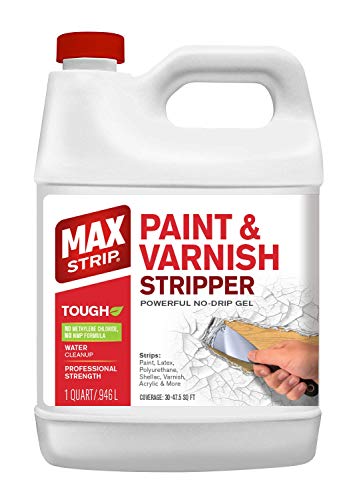
DESIGNED TO REMOVE PAINT AND VARNISH FROM MULTIPLE SURFACES - Remove Aftermarket Paints, Latex, Polyurethane, Shellac, Varnish, Acrylic, Oil Based Coatings and More in usually a Single Application!

EASY STAIN STRIPPING: Powerful deck stain stripper for wood removes weathered, clear, or semi-transparent stains. Spray on with a pump-up sprayer and rinse with a power washer for best results.

Removes existing, weathered, semi-transparent stains and sealers
Choosing the Right Stain Type for Your Deck
Once you’ve prepared your deck’s surface, selecting the appropriate stain type becomes your next crucial decision—one that’ll determine both your deck’s appearance and its longevity. Your choice depends on wood species, deck age, climate conditions, and maintenance tolerance. Cedar benefits from semi-transparent formulas, while pressure-treated pine demands solid coverage. New decks suit transparent or semi-transparent options; weathered surfaces need semi-solid or solid stains for adequate protection.
Consider stain color selection based on your aesthetic goals and surrounding landscape. Water-based stains offer eco-friendly options with easier cleanup and superior color retention compared to oil-based alternatives. Solid stains provide maximum UV and moisture protection, lasting 3–5 years, while transparent varieties require reapplication every 1–2 years. Semi-transparent stains allow the natural wood grain to show through while providing protection against the elements. Applying two coats ensures optimal durability and color richness across your deck surface. Match your selection to your deck’s specific needs and your willingness to maintain it.

READY-TO-USE DECK STAIN & SEALER: Olympic WaterGuard woodland cedar semi-transparent wood stain and sealant combines color and waterproofing in one water-based, ready-mix coat.

READY-TO-USE DECK STAIN & SEALER: Olympic WaterGuard acorn brown semi-transparent wood stain and sealant combines color and waterproofing in one water-based, ready-mix coat.

【STAIN & SEAL】- DWIL Outdoor Wood Stain combines staining and sealing in one product. It penetrates deeply into the wood to nourish and protect it from the inside, while adding beautiful peach wood color. At the same time, it forms a protective seal on the surface to increase durability and help resist everyday wear and tear.
Essential Tools for Professional Application
Selecting the right application tools makes all the difference between a mediocre finish and a professional result that’ll protect your deck for years. Your brush selection depends on stain type: natural bristles work best with oil-based stains, while synthetic bristles suit water-based formulations. Rollers with 3/8-inch nap efficiently cover large areas, though back-brushing guarantees proper penetration. For maximum speed, sprayers deliver even coverage without brush marks, ideal for expansive decks. Pump sprayers with adjustable fan-tip patterns provide particularly consistent application for large deck surfaces.
Tool maintenance directly impacts results. Clean brushes immediately after use to prevent stain buildup and bristle damage. Extension poles reduce fatigue while improving reach. Consider specialty applicators like foam brushes for detailed edges and mop systems for semi-solid stains. Invest in quality equipment—proper tools streamline application and assure professional-grade finishes. Applying multiple coats with adequate drying time between applications ensures optimal stain absorption and a lasting protective finish.

1-Gallon funnel-top, translucent tank for easy filling and cleaning

2-Gallon funnel-top, translucent tank for easy filling and cleaning
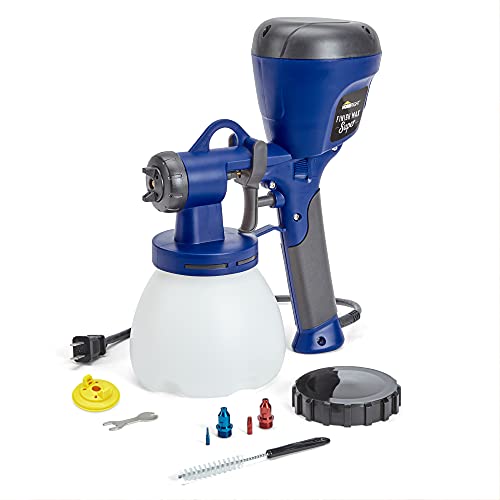
PAINT SPRAYER FOR COUNTLESS DIY PROJECTS: The HomeRight Super Finish Max paint sprayer offers the ultimate DIYing experience. It’s great for applying a great finish on small to large projects like fences, decks, furniture, cabinets, dressers and more.
Mastering Stain Application Techniques
Having the right tools in hand sets the foundation, but your application technique determines whether that investment pays off. You’ll master deck staining by understanding three primary methods: brush techniques for detailed work, roller techniques for efficiency, and sprayer techniques for large surfaces. Regardless of your chosen method, maintaining a wet edge prevents lap marks and guarantees seamless blending. Back brushing after rolling or spraying works stain deep into wood fibers for ideal penetration. Implement a sectioning strategy by dividing your deck into manageable areas, treating two to three boards at a time while maintaining consistent pressure application throughout. For corners, edges, and end grains, use a paintbrush to ensure complete coverage. Avoid switching techniques mid-project to prevent finish variations. Mix multiple stain containers beforehand for color uniformity, and apply two coats for maximum protection and complete coverage. Testing your stain color choice on a small, inconspicuous area ensures the final result matches your vision before committing to the entire deck.

Complete 11-Piece Deck Stain & Cleaning Kit Includes 1x 7" deck stain brush, 1x floor scrub brush, 4x extension poles (up to 53"), 1x 3" wood paint brush, 1x foot-pedal paint tray, 3x tray liners, 1x brush comb, 1x bottle opener, and 1x mixing rod. The all-in-one staining kit for decks, fences, and walls.

Bates deck stain brush features a 7.5-inch width for expansive and even application, ideal for efficiently staining decks, fences, and other large wooden areas.

DECK STAIN BRUSH SET: Package includes 1 × 7 inch deck brush with long handle (5 sections), 1 × 3 inch paint brush, 2 × plastic staining brushes for wood (3.9 inch and 4.7 inch), offering you various painting choices for home improvement needs. 7" Deck Stain Brush covers larger surface area quickly and efficiently. Saves your time and energy
Understanding Drying and Curing Timelines
While your deck’s stain may feel dry to the touch within hours, you’ll need to understand the critical distinction between drying and curing to protect your investment. Drying processes occur when stain surface moisture evaporates, typically taking 1–24 hours depending on stain type. However, curing importance cannot be exaggerated—this phase involves full penetration and hardening within wood fibers, requiring 24–72 hours minimum.
A dry stain remains vulnerable to damage from foot traffic, furniture placement, and weather exposure. You must wait for complete curing before resuming normal deck use. Environmental factors like humidity, temperature, and sunlight considerably impact both timelines. Different stain types offer varying curing periods, with oil-based stains typically requiring longer curing times than water-based alternatives, so always refer to your specific product’s recommendations. To achieve optimal results, apply your stain following the grain of the wood for even coverage and maximum adhesion. Following manufacturer specifications and allowing adequate curing time guarantees maximum durability and water resistance, ultimately extending your deck’s lifespan and maintaining the stain’s protective qualities.
Achieving Consistent Color Across Your Deck
Once your stain has fully cured, you’ll want to confirm the color appears uniform across your entire deck surface. Achieving consistency starts before application through proper color testing on inconspicuous areas, verifying your desired shade and absorption rate.
When multiple stain cans are required, combine them in a large bucket and blend thoroughly with a drill mixer. This critical step prevents visible color variations between sections. During application, maintain a wet edge by overlapping strokes and blending end-to-end sections before they dry. Apply thin, even coats rather than heavy layers. To optimize coverage and efficiency, consider using a stain pad for quicker coating of deck floors.
If oversaturation occurs, blot excess stain immediately with clean cloths. After the first coat dries completely, assess coverage under different lighting conditions. Proper drying time between coats ensures even absorption and prevents peeling issues that compromise your finish. A second coat corrects any remaining unevenness and confirms professional-quality results.
Safety Precautions During the Staining Process
Before you’ll need to prioritize personal protection throughout every phase of the project. You’ll wear safety equipment including gloves, a safety mask, and eye protection to shield yourself from wood dust, stain splatter, and chemical exposure.
Respiratory protection becomes critical when using pressure washers or chemical cleaners, particularly in enclosed areas. You must guarantee proper ventilation by working in well-ventilated spaces away from enclosed environments. Consider wind direction to avoid directing fumes toward living areas or neighboring properties.
Chemical cleaners and solvents release vapors requiring adequate air circulation. You should mask nearby plants and fixtures to prevent chemical exposure. Allow your deck to dry completely before applying stain to prevent moisture from interfering with the finish and ensuring optimal adhesion. Maintain temperatures between 50-90°F and humidity below 70% during the drying period for best results. By implementing these precautions systematically, you’ll protect yourself while achieving a professional-quality stain application on your deck.
Long-Term Maintenance and Reapplication Schedule
Now that you’ve protected yourself during the staining process, you’ll need to establish a systematic maintenance plan that extends your deck’s life and preserves its appearance. Your maintenance frequency depends on stain type and weather impact—semi-transparent stains require reapplication every 1–3 years, while solid stains last up to 3 years. Transparent sealers need annual re-sealing.
Between applications, sweep and rinse your deck every 1–2 weeks, deep clean twice yearly, and inspect fasteners every 6 months. Monitor for warning signs: fading color, water absorption, mold, or peeling stain. Installing under-deck drainage systems can help divert water away from wooden substructures and prevent moisture-related damage.
Weather impact considerably affects your schedule. Harsh climates, high humidity, direct sun exposure, and high-traffic areas demand more frequent re-staining. Before reapplying stain, ensure your deck undergoes proper preparation including sanding to open the wood pores for optimal stain penetration. Allow 24–48 hours drying time before reapplying stain or sealant.
Enhancing Traction and Preventing Slippery Surfaces
Because wood decks become dangerously slippery when wet, you’ll need to incorporate traction-enhancement measures into your staining and maintenance strategy. Start by thoroughly cleaning your deck and removing algae, moss, and mildew that create slick conditions. Sand smooth areas to improve product adhesion.
For anti slip solutions, select stains or sealers labeled slip-resistant with added grit. You can mix anti-slip granules directly into your stain before application, ensuring even distribution with a roller. Alternatively, apply anti-slip tape to high-traffic zones or use textured deck coatings like BEHR PREMIUM ADVANCED DECKOVER. Water-based stains dry faster and have low odor, making them a practical choice for DIY traction enhancement projects.
Surface textures dramatically reduce slip hazards. Rubber mats in frequently trafficked spots provide immediate improvement. Applying multiple coats with sufficient drying time between each coat ensures optimal adhesion and safety performance before exposing your deck to foot traffic.

Waterproof neoprene rubber construction helps keep feet dry in wet conditions.

Perfect Dirt Trapper doormat: Our innovative design combines high quality artificial grass and durable rubber strips for an effective mud removing outdoor door mat. Outdoor front door mats outdoor will keep your doorstep clean and tidy.
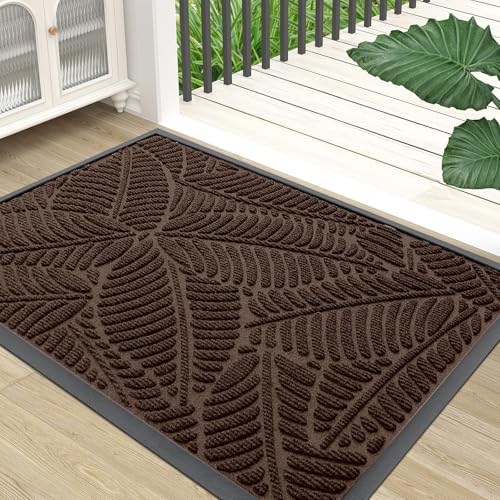
MOISTURE AND DIRT ABSORBENT: The topside of the Colorxy door mat is made of woven polyester fabric, featuring deep grooves that effectively capture dirt, dust, gravel, mud, sand, grass, or other messy debris, preventing them from entering indoors. The surface of the floor mat's beautifully woven polyester fabric absorbs moisture, and the Sturdy oblique rubber edge ensures that water does not accumulate on rainy and snowy days, helping to keep your home dry and clean.