The Ultimate Guide to Cleaning Your Deck Railings
You’ll extend your deck railings’ lifespan by using the right techniques for your material. Start by removing debris and rinsing with a garden hose. Apply mild soap with a soft-bristled brush, tackling stubborn stains with baking soda paste or OxiClean. Inspect for rust, cracks, and loose fasteners while wet, then dry thoroughly. Wood needs seasonal sealing; composite requires UV protection; aluminum and vinyl demand gentle care. Understanding material-specific maintenance strategies guarantees your railings stay pristine for years.
Types of Deck Railing Materials
When you’re choosing deck railings, you’ll find five primary material options, each with distinct advantages and limitations. Steel vs aluminum represents the classic durability-versus-affordability trade-off. Steel offers unmatched strength and minimal maintenance, though it’s expensive and heavy. Aluminum provides easier installation for DIY projects at lower costs, but it corrodes in coastal environments. Aluminum furniture demonstrates superior rust and corrosion resistance compared to steel, making it an excellent choice for long-term outdoor applications. Composite advantages include rot resistance, weather durability, and low maintenance without sanding or sealing. Vinyl delivers the lowest upfront cost with excellent durability, though quality varies by manufacturer. Wood offers authentic aesthetic appeal but demands regular maintenance every one to two years. Your choice depends on your location, budget, and willingness to maintain the railings over time. For wooden railings especially, proper deck construction with staggered joint placement and adequate ventilation underneath helps prevent moisture damage that could compromise the railing’s supporting structure.

REFRESH YOUR OUTDOOR SPACE: Transform your porch, deck, patio, or balcony railing with the Weatherables Greenwich Deck and Porch Railing Kit. Our vinyl rail kit offers a sophisticated look, is easy to install, and is made to withstand time and weather.

Certified Safety – IBC/IRC/ASTM Compliant: Don't settle for "looks safe"—choose railing that's proven safe. Built to meet key U.S. codes and ASTM standards, this system delivers reliable safety for decks, stairs, and balconies. A 36" height, <4" baluster spacing, and rigid, wobble-free structure help prevent falls and you loved one entrapment. For commercial use or CA/WA projects, choose the 42" option to meet local requirements.

REFRESH YOUR OUTDOOR SPACE: Transform your porch, deck, patio, or balcony railing with the Weatherables Greenwich Deck and Porch Railing Kit. Our vinyl rail kit offers a sophisticated look, is easy to install, and is made to withstand time and weather.
Essential Cleaning Supplies You’ll Need
Before you tackle your deck railings, you’ll need to gather the right supplies to guarantee effective cleaning without damaging your specific material type.
Start with a mild detergent or specialized deck cleaner paired with a soft-bristled brush or sponge. You’ll also need a bucket of warm water for mixing solutions and a garden hose or pressure washer for rinsing. Clean rags help remove excess moisture and residue.
Don’t overlook safety precautions—wear protective gloves, eye protection, and non-slip shoes when applying cleaning solutions. A broom sweeps away loose debris before you begin cleaning techniques like scrubbing. For stubborn stains, keep a stiff brush handy, but use only non-abrasive pads suitable for your railing material. Having these essentials organized guarantees efficient, safe cleaning every time. Allowing your railings to dry fully after cleaning prevents water spots and ensures the surface is ready for any refinishing or protective treatments you may want to apply.
Proper preparation with pressure washing or deck cleaners removes dirt, old residues, and mildew that can compromise the appearance and longevity of your railings.

MULTI PURPOSE USE: Tires, car, truck, grills, spokes, bumpers, wheel well, concrete, decks, house, pots

【CONQUER HIDDEN BATHROOM GRIME】 Stop struggling with standard sponges that cannot reach tight spaces. Our ultra-stiff PET bristles power through stubborn toilet base stains, hardened sink buildup, and bathtub grout lines without bending. Get a spotless, pristine bathroom in record time.

Effortless Press-to-Dispense Design – Simply press the yellow button to release cleaning solution smoothly (no manual dipping or spilling!). Dense, durable PET bristles tackle tough grime, stains, and dirt without scratching surfaces – perfect for deep cleaning without the hassle.
Step-by-Step Cleaning Process
Now that you’ve gathered your supplies, you’re ready to begin the cleaning process. Start by removing deck railing accessories and clearing the area for unobstructed access. Sweep away loose debris, dust, and cobwebs from all surfaces.
Rinse thoroughly with your garden hose to eliminate dirt and grime. Use a soft-bristled brush with mild soap, avoiding harsh chemicals that damage finishes. For stubborn spots, apply a baking soda paste and let it sit briefly before scrubbing.
Address mold or mildew by applying a mild detergent solution and allowing it ten minutes to work. Scrub crevices with a stiff brush, then rinse completely. For particularly stubborn mold growth, consider using a diluted vinegar solution to pre-treat the affected areas before scrubbing.
Inspect for rust, cracks, or loose fasteners while wet. Sand rough spots and tighten all connections. Different railing materials like composite and vinyl options require specific care considerations to maintain their appearance. Dry everything thoroughly to prevent water spots and corrosion. Establish a regular cleaning frequency to maintain your railings’ appearance and longevity.

Durable and flexible bristles:The cylindrical curved brush head design enables it to clean stubborn stains in large areas, as well as clean corners and curved surfaces. The flexible and elastic bristles can sweep away scattered and hard-to-notice hairs and fuzz, making it a great helper in your daily life.
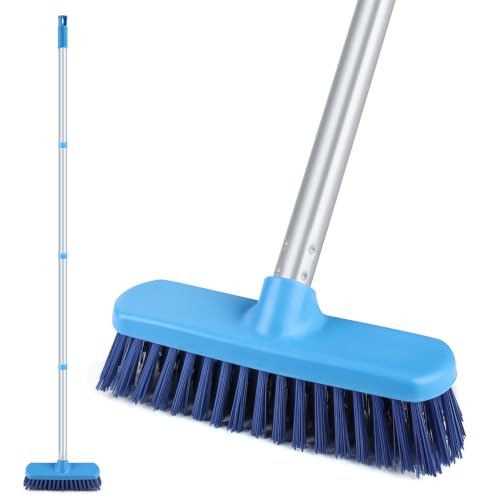
Scrub Brush with Long Handle: The shower cleaning brush consist of stainless steel pole and PP material brush head. The shower srubber brush length with 4 metal iron poles that can be adjusted from 16 inches to 50 inches as you want. Don't need bend or squat down yourself while cleaning

2-IN-1 SCRUB BRUSH: Scrub brush and scraper integrated design, you can clean the floor with the brush, then scrap the stained water with the scraper, improving effectiveness when you doing housework.
Wood Railing Maintenance and Care
Wood railings demand consistent care to remain structurally sound and visually appealing. You’ll want to establish a seasonal cleaning routine that addresses climate-specific challenges. In colder months, promptly remove snow and ice to prevent moisture damage from freeze-thaw cycles. During humid seasons, monitor for mold growth and excessive moisture buildup. Fall maintenance requires clearing leaves that trap moisture and promote rot.
For wood protection, apply high-quality sealant or stain every few years. You should sand surfaces with 150-grit sandpaper in the wood grain direction before refinishing. Inspect posts, joints, and hardware regularly, testing for rot with a flat-blade screwdriver. Replace exposed nails with wood screws and install protective caps on rail ends. Address minor issues promptly to prevent structural escalation. If you’re considering alternatives to traditional wood, privacy railing systems made from metal or vinyl offer enhanced durability with minimal maintenance requirements. Without consistent maintenance, wood railings typically last about 10 to 12 years before exposure to moisture and UV rays accelerates rot and decay.
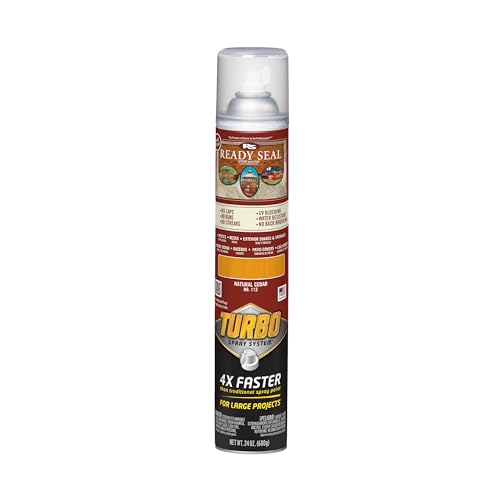
NO LAPS, RUNS OR STREAKS: Goof Proof, oil-based formula now equipped with the powerful Turbo Spray System; ideal for exterior wood projects

READY-TO-USE DECK STAIN & SEALER: Olympic WaterGuard woodland cedar semi-transparent wood stain and sealant combines color and waterproofing in one water-based, ready-mix coat.

MARINE SEALANT: Our liquid formula creates a UV-stable coating for protection against the elements, saltwater spray, and water damage. Marine is a protector for outdoor furniture, thermally modified wood, and boat docks. Marine is safe for use over open water and is non-hazardous to aquatic life. ** This product is NOT intended for hardwoods such as ipe, mahogany and teak. NOT intended for wood submerged under water or on wooden boats **
Composite Railing Cleaning Tips
Composite railings require a gentler cleaning approach than their wood counterparts, since the material’s porous surface can be damaged by harsh chemicals and aggressive scrubbing. Start your composite railing care routine by removing loose debris with a broom or leaf blower. Mix mild soap and water, then test this solution on a small area first. Scrub along grooves with a soft-bristle brush, ensuring thorough coverage. Rins immediately to prevent residue buildup. For tougher stains, use dish soap like Dawn. Never use bleach, pressure washers, or abrasive pads. To protect your composite railings from long-term damage, consider applying UV-protective coatings after cleaning to maintain appearance and durability. Establish a regular cleaning frequency by sweeping debris weekly and addressing spills promptly. This preventative approach keeps your composite railings looking pristine while extending their lifespan, similar to how routine inspections and repairs on patio furniture extends its overall durability.

Dual-Bristle Construction: The only deck brush to effectively clean both deck boards and seams at once! With Unger Professional's Wood & Composite Deck Brush, one tool is all you need to thoroughly clean your standard sized deck with ease

Yocada Deck Brush with 4-Section Extendable Handle Floor Scrub Brush: Sturdy PP bristles resist deformation and reinforced handle joints ensure long term durability even with frequent use. The 9.8 inch yellow brush head features soft medium bristles designed to lift dirt, leaves from wood, composite, or concrete surfaces without scratching. Whether you’re maintaining a deck, driveway, or garage floor, this brush delivers heavy-duty cleaning power with minimal effort
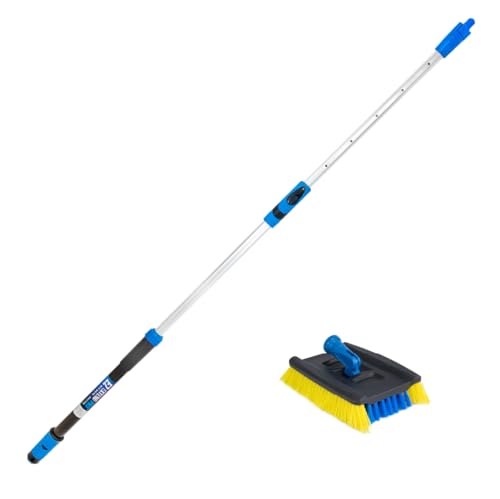
COMPLETE DECK CLEANING TOOL: The professional-grade deck brush with extendable pole is all you need to clean your deck with less effort and better results
Aluminum Railing Best Practices
Unlike composite railings that demand gentle handling, aluminum railings can withstand more frequent cleaning while still requiring a thoughtful approach to preserve their finish. You’ll appreciate aluminum railing durability and benefits—they’re resistant to rot and require less maintenance overall.
Clean your aluminum railings twice yearly under normal conditions using mild soap and warm water with a soft sponge. Rins thoroughly with fresh water and dry gently to prevent streaks. In coastal or industrial areas, increase frequency to monthly due to salt and pollutant buildup. When using a pressure washer, maintain no more than 1,500 PSI to avoid damaging the finish.
Never use abrasive cleaners, steel wool, bleach, or ammonia-based products, as they damage powder coatings. Avoid high-pressure washing, which can harm seals. Test any new solution on hidden areas first. For white chalky residue, apply mild abrasive polishes like Soft Scrub to restore appearance without compromising the surface. Similar to outdoor wood furniture that benefits from progressive sanding grits, aluminum surfaces require careful attention to avoid damaging their protective finishes.
Vinyl and Glass Railing Considerations
While aluminum railings tolerate frequent cleaning, vinyl and glass require more specialized care to maintain their appearance and structural integrity.
For vinyl railing care, use mild soap and water for routine cleaning, or a vinegar-water solution (1:4 ratio) for tougher stains. Apply pH-neutral detergents or commercial vinyl cleaners like Duradek. Clean weekly and perform deep cleaning every three to four months. Use soft cloths, sponges, or soft-bristle brushes—never abrasive pads. Low-pressure washers at 1500 psi held twelve inches away work safely. Like metal furniture, vinyl railings benefit from prompt drying with soft towels to prevent water spots and maintain their finish.
For glass railing tips, warm water with mild detergent handles basic cleaning. Vinegar-water (1:1 ratio) removes mineral deposits, while baking soda paste tackles hard water stains. Use squeegees and microfiber towels for streak-free results. Clean in shaded areas to prevent rapid drying. Avoid ammonia-based cleaners on coated glass and abrasive materials that scratch surfaces.
Handling Stubborn Stains and Mold
Despite regular maintenance, your deck railings can still develop stubborn stains and mold growth due to constant moisture exposure. Black mold often appears as dark discoloration on horizontal beams and lower surfaces, requiring aggressive cleaning techniques.
Start by applying OxiClean or a mild detergent solution mixed with warm water using a garden sprayer. Let the solution dwell for 5-10 minutes to break down mold spores at the source level. Use a stiff scrub brush with light pressure to dab and remove affected areas, avoiding abrasive pads that scratch composite surfaces. If your railings are made from composite wood, these materials naturally resist moisture better than traditional wood, making preventative maintenance even more effective.
After scrubbing, rinse thoroughly with your garden hose to eliminate all chemical residue. Dry immediately with cloth to prevent water spots. For long-term protection, consider applying a waterproof sealant after cleaning to prevent future mold growth and moisture damage. For mold prevention, inspect horizontal surfaces regularly and address moisture issues promptly. Repeat treatments may be necessary for heavily soiled buildup before your railings fully restore.
Inspection and Long-Term Maintenance
Once you’ve addressed immediate cleaning needs, establishing a consistent inspection routine becomes crucial to catch potential problems before they compromise your deck’s safety. Conduct monthly visual inspections to identify minor wear, loose parts, or damage early. During spring and fall, perform detailed seasonal inspections examining joints, fasteners, and connection points. Your inspection techniques should include checking railing posts for wobbling, testing wood with a screwdriver for rot, and verifying all nuts and bolts are tight. Ensure that bolts are positioned strategically at 2 inches down from the top of the blocking and 2 inches up from the bottom to maintain proper structural integrity. Replace corroded fasteners immediately. Guardrails must also support specified structural loads to ensure they can withstand force and prevent falls. Maintenance schedules guarantee you catch issues before they escalate into serious structural concerns. By systematically evaluating your railing components and addressing problems promptly, you’ll maintain ideal safety and extend your deck’s lifespan considerably.